
Whether you’re setting up a hunting blind, staging a backyard paintball course, or throwing a military-themed party, the right camo netting makes the difference between a setup that disappears into the surroundings and one that sticks out. Most shoppers end up overpaying for the wrong size or material, only to redo the whole thing a season later. This lineup cuts through the noise with five options that actually match the task at hand, from lightweight neck wraps to heavy-duty rolls.
A Quick View Of The Lineup

LOOGU Camouflage Tactical Mesh Net Scarf

HYOUT Tactical Neck Scarf Woodland Camo Shemagh

Fousam Sniper Veil Camo Mesh Scarf

GRVCN Camo Netting Bulk Roll Sunshade Mesh
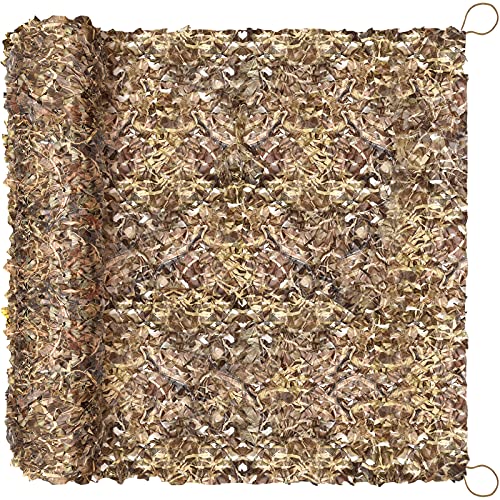
FullLit Camo Netting with Mesh Backing
A Deeper Look At The Lineup
The LOOGU scarf is the kind of low-fuss wrap that disappears into your kit and shows up when you need it. Light enough to crumple into a cargo pocket, it drapes over the head, neck, or shoulders during airsoft matches and tactical games without feeling suffocating.
You can also use it as a quick ghillie accent over a helmet, or to break up the outline of gear at close range. Compared to the bulkier options later in this list, it’s built for movement, not concealment setups.
Bright Spots
- Pocketable and lightweight for grab-and-go outings.
- Multi-purpose wrap for head, neck, or shoulder coverage.
- Mesh construction allows airflow during long sessions.
- Affordable entry point for new airsoft or paintball players.
Small Caveats
- Too small to function as a standalone hunting blind.
- Lightweight mesh may snag on rough brush.
Quick Facts
Made For
Airsoft players, paintballers, and wargame hobbyists who need a quick camo layer on a budget.
Look Elsewhere When
You need full-body or blind coverage; the FullLit Camo Netting with Mesh Backing is the stronger choice for field setups.
The HYOUT shemagh earns its place as the all-rounder of the scarf-style options, blending 65% polyester with 35% cotton for a softer feel against the skin. The 71-by-33-inch footprint gives you enough fabric to wrap, tie, or layer without running short.
Wicking moisture during a desert hike or trapping warmth on a cold morning range session, this one handles the full calendar. Versus the LOOGU mesh scarf reviewed earlier, the HYOUT trades pure breathability for a more substantial cotton-rich feel that many outdoors folks prefer.
Advantages To Know
- Generous dimensions allow multiple wrap styles.
- Cotton blend feels softer on bare skin than pure synthetics.
- Works as a sun shield, dust mask, or warmth layer.
- Stuffs small for travel and everyday carry.
Worth Noting
- Cotton component dries slowly after getting soaked.
- Pattern may clash with deep green woodland settings.
- Looser weave can let fine dust through in dry terrain.
Best Suited To
Hikers, motorcyclists, and range-goers who want a single scarf that adapts to shifting weather.
Where Another Pick Suits Better
Photographers stalking wildlife will get tighter face coverage from the Fousam Sniper Veil.
The Fousam veil is purpose-built for the kind of stillness that wildlife photography demands. Draped over a cap and pulled low across the face, it breaks up the human outline that birds and mammals key in on at close range.
It’s a niche pick that does one thing well. Where the HYOUT shemagh is a generalist wrap, this one is a focused concealment tool for the patient shooter or nature photographer.
The Helpful Details
- Targets head and neck, the areas animals notice first.
- Mesh weave stays breathable during long waits.
- Lightweight enough to forget you’re wearing it.
- Compact to fold into a jacket or vest pocket.
Trade Offs
- Single-purpose design limits versatility for other activities.
- Coverage area is smaller than a full shemagh.
Core Details
Whose Shelf It Belongs On
Bird photographers, turkey hunters, and anyone needing subtle face concealment in the field.
Swap It Out When
You want a scarf that doubles as a dust mask or neck warmer; the HYOUT Tactical Neck Scarf covers more ground.
The GRVCN roll steps out of the scarf category and into real coverage territory. Sold as a bulk roll, it lets you cut custom lengths for everything from a backyard party backdrop to a sunshade over a car or tent.
You can also layer it over a wooden frame to build a basic hunting blind on a budget. Compared to the FullLit netting reviewed last, the GRVCN is more about flexible, cut-to-size coverage than heavy-duty structure.
Positive Points
- Cut-to-size format suits irregular spaces and creative builds.
- Works as party decor, shade cover, or field concealment.
- Lightweight enough to hang with basic ties or clips.
- Cost-effective for covering large areas.
Honest Caveats
- Bulk roll may shed loose threads during initial cutting.
- Lightweight material may struggle in heavy wind without reinforcement.
- Pattern colors may not match every regional environment.
Perfect Match For
DIY decorators, party planners, and casual shooters covering fences, pergolas, or pop-up blinds.
Consider Something Else When
You need reinforced edges that hold up to rough field use; the FullLit Camo Netting is built for that workload.
The FullLit netting is the workhorse of the bunch, available in 6.5-by-10, 10-by-10, and 20-by-20-foot sizes for everything from a ground blind to a full vehicle shelter. The mesh backing cuts down on glare while the reinforced edges fight tearing at the corners.
Corner loops make hanging straightforward on a frame or tree line, and the material is treated to take the shine off the surface. You may find the 3D leaf texture bulky for backpack carry, but for fixed setups it’s hard to beat.
Positive Takeaways
- Multiple size options cover small to extra-large setups.
- Mesh backing reduces shine and improves concealment.
- Reinforced edges hold up to repeated handling.
- Corner loops simplify hanging on frames or branches.
- Doubles as sunshade canopy or photo backdrop.
A Few Limitations
- Bulky to pack compared to scarf-style options.
- Larger sizes require a frame or multiple tie points.
- Heavier than lightweight rolls, which may matter for backpack hunters.
Feature Snapshot
Right Fit For
Hunters, photographers, and event decorators who need a set-and-leave shelter or blind that lasts.
A Better Fit Elsewhere
Casual party decorators working with irregular shapes may prefer the cut-to-size flexibility of the GRVCN Camo Netting roll.
Choosing the Right Camo Netting for Your Setup
Match the Net to the Environment
Woodland settings call for greens, browns, and leafy textures that blend into the canopy. Open terrain and desert work demand tans, khakis, and lighter patterns. Picking a net that fights your backdrop is a common frustration, and it shows the moment a bird or deer locks onto your position. Match the palette to your local environment first, then worry about size.
Size and Coverage Matter More Than You Think
A scarf-style wrap covers the head and neck, but it won’t hide a blind frame. A bulk roll lets you cut custom shapes, while pre-sized netting with reinforced edges handles set-and-leave shelters. Measure your setup before ordering, and add a foot of overhang on each side for tying off. Skimping on size forces seams and gaps that defeat the whole purpose.
Material and Durability Trade-Offs
Lightweight mesh breathes well and stuffs small, but it tears in heavy wind or rough brush. Heavier ripstop netting with reinforced edges handles repeated handling, though it costs more and weighs down your pack. Cotton-rich shemaghs feel comfortable but dry slowly when soaked, which can matter on multi-day trips.
When to Spend More
Premium netting earns its keep with reinforced edges, anti-glare backing, and accurate 3D patterns. You pay for materials that hold up to multiple seasons rather than one weekend. For occasional use, a budget roll or scarf handles the job. For regular field time, a heavy-duty option pays for itself in fewer replacements.
Key Considerations Across These Picks
Pitfalls Shoppers Hit
Overbuying coverage is the most common slip, leading to extra weight and awkward leftover material. Underestimating the value of reinforced edges is another, with corners tearing after a single season. Pattern mismatch rounds out the list, where a leafy net on a rocky hillside stands out like a billboard.
Where the Extra Money Goes
Higher-tier netting invests in anti-glare treatments, ripstop fabrics, and realistic 3D leaf textures that scatter light naturally. The reinforced edges and corner loops add manufacturing cost but extend lifespan dramatically. Spending up makes sense for frequent field use, while casual party or backyard applications rarely need the upgrade.
Frequently Asked Questions
What size camo netting do I need for a ground blind?
Measure your blind frame and add at least a foot on each side for tying off. Most ground blinds pair well with 6.5-by-10 or 10-by-10-foot netting. Going bigger gives you material to fold and layer for better concealment.
Can I use camo netting for a party backdrop?
Yes, bulk rolls work well for military-themed parties and photo backdrops. Cut to your wall size and hang with clips or pins. The lightweight material drapes cleanly and looks more polished than expected for decor use.
How do I prevent camo netting from tearing?
Reinforced edges and corner loops are the main defense against tearing. Avoid pulling the net tight across sharp frame corners, and store it dry and loosely folded between uses. Snags from rough bark or wire are the usual culprits when tears appear.
Is a shemagh or a mesh scarf better for hunting?
A mesh scarf offers more breathability and lighter weight for warm-weather hunts. A cotton-blend shemagh provides more warmth and sun protection, with versatility across seasons. Choose based on climate and how you plan to wear it.
How do I hang camo netting outdoors?
Use the corner loops with paracord, bungee cords, or zip ties attached to trees, frames, or poles. Pull the net taut but not stretched, and add natural foliage for blending. For blinds, a simple PVC or wood frame keeps the net stable in wind.
Closing Remarks
The right camo netting depends on how and where you plan to use it. A scarf-style wrap handles fast movement and close-range concealment, while full-size netting anchors fixed setups. Match the pattern to your environment, size the coverage to your project, and invest in reinforced edges for gear that lasts beyond a single season.