
A great ice chest quietly disappears into the rhythm of a trip, keeping drinks cold through long drives, sandy afternoons, and surprise rainstorms. The wrong one leaks, sweats, or simply runs out of cold by lunchtime. After sorting through ten portable and hard-shell options across the YETI, RTIC, ENGEL, Igloo, and Titan by Arctic Zone lines, the standout choices cover nearly every use case, from solo work commutes to week-long group camps. This list leans on build quality, ice retention claims, portability, and storage layout so you can match a chest to the way you actually spend time outside.
A Quick View Of The Lineup

YETI Tundra Haul Portable Wheeled Cooler

Arctic Zone Titan Deep Freeze 24 Can Backpack Cooler

Titan by Arctic Zone Expandable Lunch Box (Grey)

YETI Roadie 24 2.0 Hard Cooler

YETI Tundra 35 Cooler (Firefly Yellow)

ENGEL 13qt Hard Shell Drybox Cooler

RTIC 72 QT Ultra-Light Wheeled Cooler
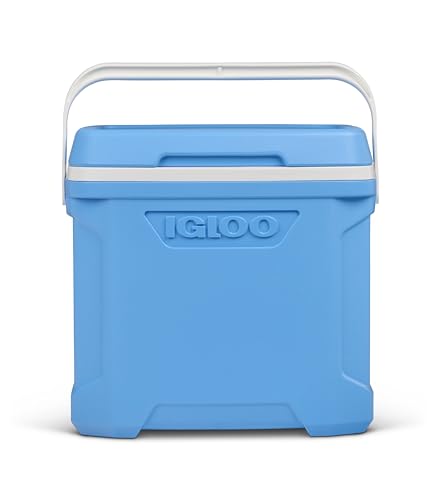
Igloo Profile Series Insulated Ice Chest

Titan by Arctic Zone Expandable Lunch Box (Black)

ENGEL 60 QT Ultra-Light Injection Molded Cooler
Why These Options Stand Out
Dragging a heavy cooler across a gravel parking lot used to be a two-person job. The YETI Tundra Haul solves that with a single-piece NeverFlat Wheel design and a StrongArm Handle, basically a welded aluminum tow bar with cushy grips, that lets you roll the chest next to you like carry-on luggage. It’s the first YETI on wheels, and that change matters most for anyone hauling ice and drinks across long distances or uneven ground.
For tailgates, beach days, and family picnics where you’re the one schlepping everything, the Haul takes the weight off your back. The build inherits the rotomolded Tundra shell, so it doesn’t feel like the wheeled edition sacrificed toughness for convenience. You still get YETI’s classic cold-holding reputation, just with far less effort getting there.
Bright Spots
- Wheels and tow handle turn hauling into a one-person task, which is a real gift for solo parents or anyone parking far from the action.
- Single-piece tire construction resists punctures and impacts, so rough camp roads won’t sideline the chest mid-trip.
- Inherits the rotomolded Tundra build, meaning the same rugged shell and gasket seal YETI built its reputation on.
- Welded aluminum arm with comfort grips reduces hand fatigue on longer walks.
Points To Keep In Mind
- Empty weight is still substantial, so lifting it into a truck bed takes planning.
- Wheels are great on pavement and packed dirt, but loose sand or deep mud will demand more muscle.
The Right Fit
Tailgaters, family hosts, and anyone tired of dead-arming a heavy cooler across a parking lot.
Skip It When
The YETI Roadie 24 2.0 fits better for solo road-trippers who want a smaller chest that slides behind a seat.
Hard coolers are great until you need to climb a trail or hop on a motorcycle. The Arctic Zone Titan Deep Freeze takes a different shape, literally. It’s a backpack-style soft cooler with four main compartments, including a dedicated slot for a phone or small tablet, plus side mesh pockets and a sternum strap to lock everything in place. The padded back panel keeps the weight from digging into your spine over a long walk.
For bikers, hikers, and anyone commuting on two wheels, this is the form factor that finally makes sense. Unlike the wheeled Tundra Haul, the Titan goes where wheels can’t, up stairs, down trails, and through crowds. It’s a smaller, lighter alternative for people who care more about portability than raw capacity.
Practical Pluses
- Backpack design frees your hands, which is a real benefit on technical trails or crowded transit.
- Built-in pocket sized for phones and small tablets keeps tech protected from condensation.
- Padded, adjustable straps plus a sternum strap spread the load and stop the pack from shifting.
- Four compartments mean your food, drinks, utensils, and dry gear don’t have to share one crowded space.
Honest Caveats
- Soft-sided construction won’t insulate as long as a rotomolded hard shell in direct sun.
- Zippers and seams tend to wear faster than hard-chest hinges, so gentle handling extends the lifespan.
Made For
Riders, day hikers, and urban commuters who want cold drinks without wrestling a rigid chest onto a bus or bike rack.
Look Elsewhere When
The YETI Tundra Haul serves a tailgater better, since wheels and raw capacity win when you’re parking close to the action.
Most lunch boxes are either too small for a real meal or too big to fit under a desk. The Titan by Arctic Zone Expandable Lunch Box zooms past that problem with a zip-open expansion that nearly doubles the interior. Two included Ice Wall packs slot into the lining to keep things cool through the morning, and the leak-proof interior means a tipped-over yogurt cup won’t ruin the bag.
For office workers, students, and anyone packing a midday meal, the expand-on-demand design is the hook. Collapsed, it slips into a tote; expanded, it handles leftovers, a drink, and a snack without cramming. It’s a small, thoughtful twist on a category that hasn’t changed much in years.
What Helps Most
- Expansion zipper adjusts capacity day to day, so you stop overpacking on light-lunch days.
- Two included Ice Wall packs keep food cold for hours without loose ice soaking the bag.
- Leak-proof lining protects the rest of your bag from spills, which matters on crowded commutes.
- Soft-sided profile fits in most work totes and backpacks when collapsed.
Small Caveats
- Ice Walls need overnight freezer time, so forget to refreeze and the cooling drops sharply.
- Soft insulation performs best in air-conditioned spaces, not parked cars in summer heat.
Best Suited To
Office commuters and shift workers who pack varying amounts and need a leak-proof daily carrier.
Another Choice May Suit
The ENGEL 13qt Hard Shell Drybox Cooler is a smarter grab for anyone wanting rigid drop protection on a jobsite.
The Roadie 24 2.0 is the cooler for people who measure trunk space in millimeters. YETI slimmed the rotomolded walls to cut weight while keeping the toughness, and a DoubleDuty Shoulder Strap makes short carries possible without a cart. The Bestdam Drain Plug sounds like marketing, but it really does let you empty meltwater in seconds without flipping the whole chest.
Compared to the bigger Tundra 35 that comes later in this list, the Roadie is a road-trip companion, not a base-camp one. It fits behind most SUV seats, slides onto a boat bench, and is light enough to grab solo for a beach afternoon. The cold retention still benefits from YETI’s pressure-injected foam, so a single ice charge handles a full day in most climates.
A Favorable Mix
- Compact body slips behind seats and into tight trunks where larger coolers just don’t fit.
- DoubleDuty Strap doubles as a secure tie-down point, useful on boat decks or truck beds.
- Drain plug empties meltwater fast, sparing you the flip-and-shake at the end of the day.
- Thinner rotomolded walls reduce empty weight without a noticeable drop in toughness.
Where It May Fall Short
- Smaller interior limits it to day trips, not multi-day base camps.
- Shoulder strap is comfortable for short carries, but long walks still favor a backpack-style bag like the Titan Deep Freeze.
Who It Suits Best
Solo road-trippers, day picnickers, and boaters who want premium cold in a tight-fitting form.
Not Your Match When
The YETI Tundra 35 makes more sense for cabin weekends with a family, where extra capacity earns its keep.
The Tundra 35 hits a middle ground that almost nobody talks about but most people actually need. It holds up to 20 cans with a 2:1 ice ratio, and at the same time, one person can still wrestle it into a truck bed. PermaFrost Insulation and a FatWall design (extra-thick walls, in plain terms) keep ice frozen through long weekends, and the chest is certified bear-resistant, which speaks to how locked-down the lid is.
The Firefly Yellow finish is a small touch, but on a campsite it pays off: you spot your cooler across a crowded fire ring. Compared to the wheeled Tundra Haul, the Tundra 35 is for people who’d rather carry than roll, and compared to the Roadie 24, it’s the right upgrade when one day of ice just isn’t enough.
Where It Excels
- 2:1 ice-to-can ratio holds a weekend of cold for two to four people with room to spare.
- Bear-resistant certification means the gasket and latches won’t pop open in rough conditions.
- Rotomolded shell shrugs off drops, scrapes, and the back of a pickup bed without damage.
- Bright colorway stands out at crowded campsites and on busy tailgates.
What To Weigh
- Empty weight is hefty; the Tundra Haul is a smarter pick when you need to roll it long distances.
- Premium build means a higher upfront cost than budget hard coolers like the Igloo Profile.
Perfect Match For
Weekend campers, hunters, and cabin-goers who want a single chest that handles multi-day trips without being a two-person lift.
Swap It Out When
The YETI Tundra Haul Portable Wheeled Cooler fits better for anyone hauling a chest across long parking lots or rough ground.
Not every cooler needs to feed a crowd. The ENGEL 13qt is a small hard shell aimed at the lunch crowd, and it borrows construction cues from bigger ice chests. Stainless steel latches and a hinged lid give it a sealed, drybox feel, while molded polystyrene foam insulation claims to keep ice for up to two days. Holds up to 15 cans with a 2:1 ice ratio, more than enough for a long shift or a day at the lake.
For apartment dwellers and solo users, the size is the real draw. It tucks under a desk, fits behind a truck seat, and weighs almost nothing compared to full-size coolers. Unlike the soft Titan Expandable Lunch Box, the hard shell protects what’s inside from being squashed, so it’s a good choice for jobsite lunches and rough commutes.
Everyday Wins
- Stainless steel latches hold up to repeated use and won’t snap like plastic clips sometimes do.
- Hard shell protects food from being crushed in the back of a work truck or under a seat.
- Compact 13-quart body fits under desks and in small closets for easy storage.
- Air-tight seal keeps smells contained, useful when storing seafood or strong cheese.
Points To Note
- Two-day ice claim assumes reasonable conditions; expect shorter holds in direct summer sun.
- 15-can capacity is generous for one, tight for two on a hot afternoon.
Whose Shelf It Belongs On
Solo apartment dwellers, students, and trade workers who want a rugged little chest for daily lunches.
Reach For A Different Pick When
The Titan by Arctic Zone Expandable Lunch Box is a softer, lighter fit for office commuters carrying only a sandwich and drink.
Capacity and portability are usually trade-offs, but the RTIC 72 QT tries to erase that. It pairs 72 quarts of storage with puncture-resistant all-terrain wheels, the kind you can roll across gravel, sand, and uneven camp roads without flinching. Ultra-Light in the name is doing some work; it means the rotational molding is tuned for less weight, so the empty chest is more manageable than you’d expect at this size.
For long weekends with kids, large group camping, or even tailgates that double as base camps, this is the chest that lets you bring everything. Compared to the wheeled YETI Tundra Haul, the RTIC trades brand prestige for sheer volume, and for many people, that’s the right swap.
Notable Upsides
- 72-quart interior swallows enough food and drinks for several days of family camping.
- All-terrain wheels roll over gravel and uneven ground that would stop smaller wheels cold.
- Lightweight build for the size, so loading and unloading isn’t a two-person project.
- Telescoping handle gives leverage without straining your back on longer hauls.
Things To Consider
- Even with “ultra-light” molding, fully loaded it’s a heavy pull uphill.
- Takes up significant garage space when not in use, a real concern in apartments.
Built With In Mind
Big families, group campers, and hosts who fill a cooler once and won’t reopen it until the weekend is over.
A Better Fit Elsewhere
The YETI Tundra 35 serves a smaller crew better, especially when garage space is tight.
Not every cooler needs a brand name etched in rubber. The Igloo Profile Series is a workmanlike hard cooler built around a couple of smart details. Cool Riser Technology lifts the body off hot surfaces (a patio table, truck bed, or tailgate), which is a small but meaningful boost to cold retention. The slotted lid accepts another cooler or gear on top, useful for tight garages.
It holds around 41 cans, plenty for a backyard party or beach day, and the easy-clean liner has integrated pour channels that make draining meltwater less of a sloshy mess. Made in the USA with USA and imported parts, it’s the kind of mid-size cooler that quietly handles most weekend jobs without asking for much in return.
A Few Highlights
- Cool Riser feet reduce heat transfer from hot pavement and tailgates, extending ice life.
- Slotted lid doubles as a storage shelf for another cooler or camping gear.
- Integrated pour channels in the liner make draining melted ice cleaner and faster.
- Substantial 41-can capacity handles backyard parties and beach weekends with room to spare.
Room For Improvement
- Build quality is solid for the price, but it won’t take the same abuse as a rotomolded YETI or RTIC.
- Latches are functional plastic, not stainless, so rough transport can wear them over time.
Who Should Grab It
Backyard hosts, park regulars, and casual weekend campers who want reliable ice without paying for premium construction.
Where Another Pick Suits Better
The YETI Tundra 35 is worth the upgrade for travelers who need a chest that survives rougher trips and holds cold longer.
Most soft lunch boxes assume you’ll set them down gently. The Titan Expandable Lunch Box expects you to throw it in a truck. A rigid hard liner shields sandwiches, fruit, and containers from getting smashed, while two integrated Ice Walls surround the food on two sides, so cold comes from contact rather than loose ice rattling around. The expansion zipper adds capacity on heavy-pack days.
For trade crews, contractors, and anyone whose lunch survives a rough commute, the crush-resistant design is the real story. Compared to the Titan Expandable Lunch Box in Grey covered earlier, this black version carries the same cooling tech with a sturdier everyday profile for dirtier environments.
What Earns Its Place
- Hard liner prevents smashed sandwiches and bruised fruit in a crowded truck or tool bag.
- Two built-in Ice Walls cool food on contact, so there’s no watery mess from melting cubes.
- Expansion zipper adapts to heavier packs without forcing a bigger bag every day.
- Leak-proof lining keeps spills contained, which matters when tools share space with food.
Trade Offs
- Ice Walls need freezer space overnight, so a second set helps on consecutive workdays.
- Bulkier than a true soft lunch sack, even when collapsed.
Who Will Love This
Construction crews, contractors, and outdoor workers who toss a lunch into a crowded cab and expect it to survive.
Consider Something Else When
The Titan by Arctic Zone Expandable Lunch Box in Grey suits a cleaner office environment better.
If you need a single chest for a week of ice, the ENGEL 60 QT is built to hold up. It uses 2 inches of closed-cell foam insulation, the kind of dense foam that doesn’t easily absorb water, and is built with injection molding, a process that produces a uniform, durable shell without heavy seams. ENGEL claims up to 7 days of ice retention, which in practice depends on heat, sun, and how often you open the lid, but it’s the kind of spec that suggests real engineering.
It comes with thoughtful extras: a wire basket that lifts dry food off the ice, a divider for separating drinks from food, and a built-in bottle opener that earns its place around a campfire. Compared to the RTIC 72 QT earlier in this list, the ENGEL prioritizes ice life over capacity, and for base-camp use, that’s usually the better trade.
Real Benefits
- Closed-cell foam resists water absorption, so insulation stays effective even after years of use.
- Included wire basket keeps dry goods above meltwater, useful for bread and produce.
- Built-in bottle opener is a small but appreciated touch around a campsite.
- Injection-molded shell is uniform and tough, with no weak seam lines to worry about.
Factors To Consider
- 7-day ice claim assumes a reasonable environment; direct sun and frequent opens shorten that considerably.
- Smaller interior than the RTIC 72 QT, so pack with that in mind for larger groups.
Right Fit For
Base-camp campers, lake-house owners, and group leaders who need dependable multi-day cold without re-icing.
Not Your Match When
The RTIC 72 QT Ultra-Light Wheeled Cooler suits a larger group better, especially when hauling over rough ground.
Choosing an Ice Chest That Actually Fits Your Routine
Picking the right ice chest comes down to how you actually spend your time outside, not how a spec sheet reads on paper. Start with the trips you take most: weekend cabin drives, full-day tailgates, work commutes, or week-long base camps. The size and insulation that feel excessive for one will prove underwhelming for another. A cooler that holds ice for seven days is wasted on a single afternoon at the park, while a tiny lunch box won’t survive a camping trip with kids.
Capacity matters, but the ice-to-contents ratio matters more. Most premium hard coolers cite a 2:1 ice-to-contents figure, meaning the chest holds half as much food as its raw quart rating once you pack it correctly. So a 35-quart cooler realistically chills about 15 to 20 cans with enough ice to keep them cold. Plan around that, not the headline number, and you’ll stop running out of cold by day two.
Portability is the second big decision, and it has more nuance than it seems. Wheels help a lot on pavement, but they add bulk and weight that’s wasted on trails or stairs. Backpack-style coolers like the Arctic Zone Titan shine where wheels can’t roll. Lifting handles are fine for short carries but punishing for long walks. Match the carry style to the trip, not the other way around.
Build quality separates the long-haul coolers from the casual ones. Rotomolded shells (a process that rotates heated plastic in a mold to form a seamless, thick-walled body) and injection-molded construction are the gold standards for tough, water-tight ice chests. Latches and hinges are usually where budget coolers fail first, so check whether replacement parts are available before you commit. Soft coolers trade toughness for portability, and they tend to wear faster on zippers and seams.
Finally, think about the extras that quietly make life easier: a drain plug that empties meltwater without flipping the chest, a basket or divider that keeps dry food out of the ice, and a bottle opener you don’t have to fish out of a drawer. None of these are dealbreakers on their own, but together they shape how much you enjoy using the cooler three seasons from now.
Key Considerations Across These Picks
Mistakes Worth Dodging
The most common slip-up in this category is overestimating how much capacity you actually need. A 72-quart cooler sounds great until it sits in the garage 11 months a year. Start with the trip you take most often, not the biggest one you’ve ever done. A second trap is buying a soft cooler for rough outdoor use, where zippers and seams wear out fast; soft bags belong on commutes and day hikes, not jobsites or boat decks. Finally, ignore the headlining ice-retention numbers unless you can match them to real-world conditions: a 7-day claim assumes a closed chest in the shade, not a sun-baked tailgate.
Where The Extra Money Goes
Premium coolers cost more for three reasons, and the upgrade is worth it if any of them match your needs. First, thicker rotomolded walls extend ice life from a day to a week. Second, better seals and latches keep that cold locked in even after a few years of regular use, while budget coolers slowly lose their hold. Third, premium coolers tend to be repairable, with replaceable gaskets, latches, and even handles, so the chest lasts a decade instead of three seasons. For a casual user, those gains are overkill. For someone who camps monthly or works outdoors daily, the gap is real and worth the investment.
Frequently Asked Questions
How long do these ice chests actually keep ice?
Hard coolers with rotomolded walls, like the YETI Tundra line and the ENGEL 60 QT, often hit several days of ice retention in shaded conditions. Soft coolers and smaller lunch boxes tend to hold cold for a handful of hours. The exact figure depends on sun exposure, how often the lid opens, and how full the chest is.
What’s the right size cooler for a family of four?
For a single-day outing, a 35 to 50-quart chest usually covers a family of four comfortably. For weekend trips, a 60 to 75-quart model gives you the ice space to avoid constant refills. The YETI Tundra 35 and RTIC 72 QT both sit in those useful ranges.
Are soft coolers worth it over hard ones?
Soft coolers win on portability and weight, especially for hiking or biking, but they can’t match hard chests on ice retention or durability. For a beach day or commute, the Arctic Zone Titan is a strong fit. For multi-day cold, a hard cooler is the better tool.
Do I need to pre-chill a cooler before packing it?
Pre-chilling helps, especially with premium coolers trying to hit long ice-retention claims. Toss in a bag of sacrificial ice for an hour before packing real food, and you’ll get noticeably better performance, particularly in summer heat.
How do I clean a cooler without damaging the seal?
Skip harsh bleach and abrasive scrubbers. A mixture of warm water, baking soda, and a soft cloth handles most stains and odors, and a quick wipe of the gasket with mild soap keeps the seal supple. Air-dry with the lid cracked open to prevent mildew.
The Takeaway
The right ice chest matches the trip, not the spec sheet. Solo commuters and small households usually get more use out of compact, easy-carry options like the ENGEL 13qt or the Titan Expandable Lunch Box. Group campers and weekend hosts benefit from the cold-holding muscle of the YETI Tundra 35 or the ENGEL 60 QT. Pick the chest that fits the routine you actually keep, and it’ll earn its place for years.