
A dog lifting a leg on your area rug, or worse, your baseboards, is one of those small household problems that gets under your skin fast. The right spray turns those repeat offenses into short-lived experiments, especially when you catch a young dog mid-training or move into a home with a nervous rescue. These four picks cover the main flavors of the category: indoor deterrent sprays for furniture and floors, and outdoor scent-based repellents for keeping territory-marking wildlife off your lawn. Pick the one that matches the mess you’re actually trying to stop.
The Choices Worth Comparing

KUROMA Citrus Dog Deterrent Spray, Non-Staining, 200ml
Cat Deterrent & Repellent Spray Anti-Scratch Training Aid, 4OZ 2 Pack

No Chew Spray for Dogs, Bitter Apple Spray, 100ML
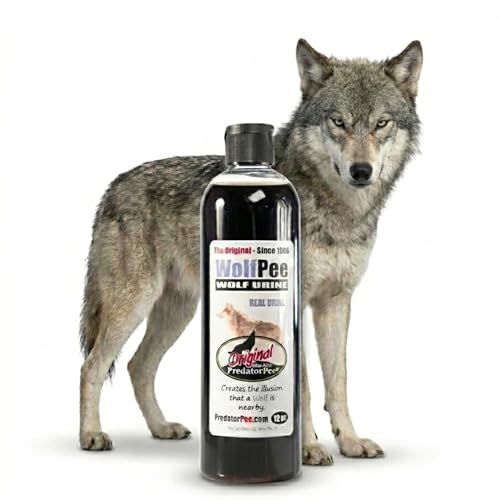
PredatorPee 100% Wolf Urine Natural Predator Scent, 12 oz
Meet The Standout Selections
For indoor accidents on carpet, baseboards, and that one corner your dog keeps circling, the KUROMA citrus spray takes aim at the most common household problem: repeated marking on soft furnishings. The 200ml bottle gives a working household enough volume to treat multiple trouble spots for several weeks, which matters once you factor in the consistent reapplication these deterrent formulas tend to require during early training.
Compared with a single-flavor bitter spray, this blend leans on two plant-derived signals dogs find naturally off-putting, and the citrus layer helps the formula stay noticeable between cleanings. It targets chewing, biting, urine marking, and the obsessive licking of irritated paws or hot spots, so the same bottle covers training scenarios that usually demand two separate products. The non-staining claim makes it sensible on area rugs and upholstered furniture where any residue would be a problem.
What Earns Its Place
- Two-layer bitter + citrus approach that targets scent and taste at once, so dogs lose interest faster than with single-note formulas.
- 200ml volume handles multiple rooms and reapplication cycles without burning through a small bottle in a week.
- Non-staining finish keeps area rugs, curtains, and upholstered chairs safe during heavy training periods.
- Plant-derived ingredients avoid the synthetic fragrance load that triggers sensitive noses in some breeds.
- Multi-purpose profile covers chewing, licking, and marking in one bottle, simplifying the training kit.
Things To Consider
- Citrus scent fades within a few days, so consistent reapplication to previously marked corners is essential to break the habit.
- Strong citrus can be noticeable to sensitive humans in small, closed rooms during the first hour after spraying.
- Effectiveness varies by individual dog; persistent markers may need pairing with a deeper enzymatic cleaner for the underlying scent.
Quick Facts
Who Will Love This
Multi-dog homes with one repeat marker and owners willing to spray high-traffic corners every couple of days during early training.
Look Elsewhere When
Your main problem is a tomcat or stray cat wandering through the garage, where the Dexcatly spray is the better match.
Sharing a home with both a dog and a cat, or living next to a neighborhood cat that treats your porch as a litter box, calls for a gentler formula than a full-strength bitter deterrent. The Dexcatly 4oz two-pack is built around that shared-household reality, with a plant-based scent profile designed to redirect scratching and marking without harsh fumes.
The twin-bottle format spreads the workload across rooms, baseboards, and doorways without constant refilling, which matters when you are treating entry points where a cat slips in. It also gives you a backup bottle to keep in the garage or by the back door. Unlike the KUROMA spray above, this one is tuned more for feline scratching and shared-pet households than a heavy-duty dog training campaign.
A Few Highlights
- Plant-based formula keeps indoor air comfortable for people and pets living in the same space.
- Two 4oz bottles cover multiple problem zones and stretch across several weeks of reapplication.
- Built for both cats and dogs, so multi-pet homes can standardize on a single deterrent spray.
Worth Noting
- Soften scent profile may move slower on a determined dog marker than a stronger bitter formula would.
- Repeated application every few days is the norm, and owners commonly report that skipping sessions invites relapses.
- 4oz bottle runs out faster than the larger 200ml KUROMA option if you are spraying a wide floor plan.
Made For
Cat owners dealing with indoor scratching and shared-pet households that need a gentler deterrent than a single-purpose dog spray.
Where A Sibling Pick Shines
For a young puppy learning what not to chew, the YICETEAB bitter apple formula delivers a sharper taste signal in a smaller bottle.
The classic bitter apple route still earns its spot on a list like this, and the YICETEAB 100ml bottle offers that familiar profile in a tidy size for first-time trainers. It works on furniture legs, shoe collections, electrical cords, and the corners of area rugs that have become too interesting.
The 100ml volume lands in the middle of the pack, large enough to handle a few weeks of regular touch-ups but small enough to toss in a bag for travel days or boarding stays. Where the KUROMA leans on a citrus edge, this one stays in the apple lane, which some dogs respond to predictably during early chewing phases. It also suits cats in the same household when the same furniture is at risk from both species.
What Makes Sense
- Bitter apple scent is well-studied in dog training circles and tends to land quickly with puppies exploring new textures.
- Compact 100ml bottle fits in a kitchen drawer and travels well for boarding or hotel stays.
- Multi-pet reach means a single bottle handles both dog chewing and cat scratching on shared furniture.
- Spray format reaches into the corners of furniture legs and baseboards where powders and creams would clump.
Room For Improvement
- Smaller volume than the KUROMA option, so larger homes with many trouble spots will run out faster.
- Bitter apple scent fades within days, and consistent reapplication is the difference between progress and a relapse.
- Some dogs ignore bitter flavors after repeated exposure, so you may need to rotate with a citrus or vinegar-based approach later.
Right Fit For
First-time puppy owners working through the teething and exploration phase who want a small, approachable bottle to learn with.
Consider Something Else When
Your real target is outdoor wildlife along a garden fence line, where the PredatorPee wolf urine formula solves a different problem entirely.
The category splits cleanly at the door, and the PredatorPee 12oz bottle lives on the outdoor side. It uses real wolf urine as a territorial signal, convincing coyotes, foxes, stray cats, and other small predators that a larger animal is already claiming the yard. That pulls them away from garden beds, low fences, and the base of trees where marking and digging tend to start.
Inside the home this product makes no sense, but outdoors it is a long-running option with decades of brand history behind it. The 12oz bottle is meant to be paired with separate scent tags or 33-day dispensers, so think of this as the refill jug rather than a stand-alone fix. For gardeners, chicken keepers, and anyone losing shrubs to nocturnal visitors, that trade-off is usually worth it.
Good Reasons To Consider
- Natural predator scent approach avoids traps, chemicals, and the cleanup that comes with more aggressive pest control.
- Broad coverage targets coyotes, foxes, feral cats, and several other small predators in a single bottle.
- Established product line with matching dispensers and scent tags for setting up a perimeter.
- 12oz refill volume keeps the cost per application reasonable for a property of any size.
Honest Caveats
- Requires separate scent tags or 33-day dispensers to maintain a continuous perimeter, adding to the total spend.
- Strong animal scent is noticeable to humans for a short window after application, so placement away from seating areas matters.
- Heavy rain and irrigation shorten the effective window, calling for more frequent refreshes in wet climates.
Best Suited To
Homeowners with a garden, chicken coop, or rural property dealing with repeated wildlife marking and digging along the perimeter.
Skip It When
You are dealing with an indoor puppy marking soft furniture, where the KUROMA citrus spray is the closer match for that scene.
What Matters Most Before Choosing Anti-Pee Sprays For Dogs
Indoor vs. Outdoor Use
The first fork in the road is where the problem actually lives. Indoor sprays lean on bitter and citrus notes designed to interrupt chewing and marking on fabric, carpet, and baseboards. Outdoor products work through territorial scent, convincing wildlife that a predator has already claimed the area. A dog marking a rug and a coyote slipping through a garden bed are completely different problems, and mixing the two approaches rarely produces results.
Active Scent Profile
Bitter apple, bitter orange, citrus blends, and predator urine all signal different things. Bitter formulas target taste, which is the right tool for chewing and licking. Citrus layers hit smell and taste together, useful for marking and scratching. Predator urine works through fear, which only applies outside and only on animals wired to read that signal. Choosing the wrong scent family is the most common reason these products underdeliver.
Bottle Size and Reapplication Load
Deterrent sprays are not one-and-done products. They need to be reapplied every few days during training, and sometimes more often after cleaning or rain. A 200ml bottle covers a busy household, a 100ml bottle suits a focused training phase, and a 12oz outdoor refill pairs with separate dispensers. Picking a size that matches the actual workload prevents mid-training shortages that interrupt the habit-breaking cycle.
Pet Sensitivity and Household Makeup
Shared homes with cats, kids, or asthmatic pets need a softer formula, while a single determined dog may benefit from a stronger double-strength blend. Plant-derived ingredients reduce irritation risk, and non-staining finishes protect upholstered furniture. Before committing, scan the ingredient list for anything that might bother the people and animals sharing the space.
Key Considerations Across These Picks
Where Shoppers Go Wrong
The most common mistake is buying a generic bitter spray and expecting it to work on every surface, every dog, and every animal in the yard. Indoor bitter formulas will not deter outdoor wildlife, and outdoor predator urine will not stop a dog from chewing your baseboards. Another trap is treating the spray as a substitute for cleaning. Old urine scent still invites re-marking, so pairing any deterrent with an enzymatic cleaner is what actually breaks the cycle.
What Separates Premium From Basic
Higher-tier indoor sprays tend to layer two active signals, such as bitter plus citrus, instead of relying on a single note, and they tend to use plant-derived ingredients that hold up without synthetic fragrance loads. Outdoor products earn a higher price through proven predator sourcing, stable bottles, and a matching dispenser ecosystem that keeps the scent active without constant reapplication. For shared homes or stubborn markers, that upgrade is usually worth the small premium over the cheapest single-flavor option.
Frequently Asked Questions
Do anti-pee sprays for dogs really work?
They work best as part of a routine that includes cleaning the marked area, blocking access early on, and rewarding your dog for choosing the right spot. On their own, they are a helpful layer rather than a magic fix.
Is bitter apple safe for puppies?
Most bitter apple sprays use ingredients that are considered safe for puppies over a certain age, though you should always check the label and introduce the spray on a small test area first to make sure your puppy reacts calmly.
Can the same spray be used on carpets and furniture?
Sprays labeled non-staining are generally safe on carpets, rugs, and upholstered furniture, but test a hidden corner first. Sprays without that label can leave marks on darker fabrics.
How long does the scent last?
Indoor citrus and bitter formulas typically fade within a few days, which is why reapplication every two to three days is the norm. Outdoor predator scents last longer but still need refreshing after heavy rain.
Will predator urine keep my own dog away from the yard?
Most domestic dogs quickly learn that the yard is theirs and ignore territorial predator scents, but sensitive or reactive dogs may find the smell stressful, so monitor behavior closely when you first apply it.
Bottom Line
A stubborn indoor marker usually points to the KUROMA citrus spray, a shared pet household does well with the Dexcatly 4oz two-pack, a teething puppy responds to the YICETEAB bitter apple classic, and outdoor wildlife pressure calls for the PredatorPee refill paired with its dispensers. Match the spray to the actual problem in front of you, keep up with reapplication, and you will give the training a real chance to take hold.