
Mosquitoes don’t care about your patio plans, your evening walk, or the camping trip you’ve been counting down to. They show up when humidity climbs and stay past their welcome, which is why the right repellent earns its place in your bag before the first bite. The category splits cleanly into a few camps: skin-applied sprays with synthetic or plant-based chemistry, plug-in hardware for indoor coverage, and soothing after-bite care for when prevention slips. The picks below span all three, so the choice comes down to where you’ll be and how you feel about the active ingredients.
Your Options, Compared

Neosporin + Pain Relief Triple Antibiotic Ointment 0.5 oz

EO Hand Sanitizer Spray 2 oz (Pack of 6)

Shubug 20% Picaridin DEET-Free Insect Repellent 2-Pack

Shubug Clean Mist Natural Insect Repellent 6 oz (Pack of 2)
Ever Pest Indoor Bug Zapper with 6 Blue LEDs

Wondercide Bug Bite Spray No Sting 2 oz
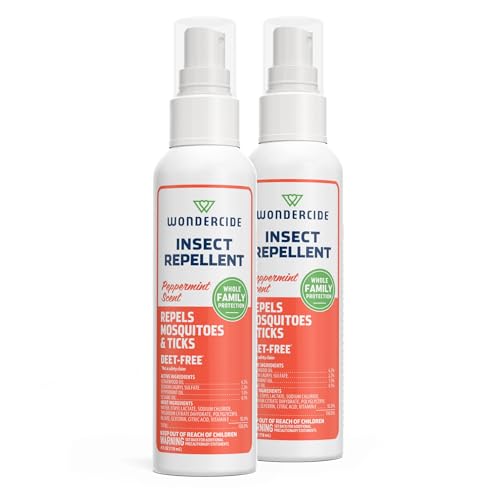
Wondercide Mosquito and Tick Repellent Peppermint 2-Pack
A Closer Look At Each Pick
Mosquito bites aren’t just itchy, they can also break skin when scratched, which is where an antibiotic ointment earns its slot in the first-aid kit. The Neosporin + Pain Relief tube combines three topical antibiotics with a mild analgesic, so the formula targets both infection risk and the sting that makes kids claw at a welt.
For households that already keep basic wound care on hand, this tube tucks into a camping bag, glove box, or nightstand without adding clutter. It won’t repel anything, and it isn’t a substitute for the sprays earlier on this list, but as a follow-up step, it quietly does its job.
Practical Pluses
- Three-antibiotic blend helps guard against minor skin infections after scratching
- Added pain relief takes the edge off the sting, useful for kids who can’t leave a bite alone
- Compact 0.5 oz tube slides into day packs, diaper bags, and travel kits
- Available in multi-packs, which helps households replace tubes before they dry out
Worth Noting
- It’s aftercare, not prevention: you’ll still need a repellent from earlier in this list for actual mosquito defense
- Owners commonly report the small tube empties fast when used on more than one or two family members per season
Who It Suits Best
Families and campers who already use a repellent spray and want a reliable antibiotic backup for the bites that slip through.
Consider Something Else When
Reach for the Wondercide Bug Bite Spray if you’d rather skip the antibiotic step and just calm irritation with a sting-free spray.
Outdoors, the conversation around mosquitoes usually circles back to repellent, but clean hands matter too, especially when applying spray to kids or treating a scratched bite. The EO Hand Sanitizer Spray lands in the same packing list: a 62% ethanol formula, sugarcane-derived alcohol, and a small bottle shape that meets carry-on size rules.
Compared with the larger 8 oz or 12 oz bottles sitting on your kitchen counter, this six-pack of 2 oz sprays covers every room of the house, the car, and a hiking bag at the same time. It’s not a mosquito product, but it pairs naturally with the repellents later in this list.
Where It Delivers
- 62% ethanol clears the CDC bar for hand sanitizing, so it pulls double duty after gardening or picnic handling
- Aloe and vegetable glycerin keep hands from that stripped, dry feeling after repeated use
- TSA-friendly 2 oz size stows in carry-on bags, glove boxes, and stroller pockets
- No parabens, phthalates, artificial fragrance, or synthetic dyes, which matters for households already selective about what touches their skin
Points To Consider
- Lavender scent is light, but anyone scent-sensitive may still notice it on a warm afternoon
- The bottle is a fine mist spray, so it disperses a little in the air; expect a small amount of waste on windy days
Quick Facts
Right Fit For
Travelers, parents of small kids, and anyone who splits time between the trail, the car, and the picnic table.
Not Your Match When
Pick the Ever Pest Indoor Bug Zapper instead if your main concern is biting insects indoors rather than keeping hands clean between applications.
Picaridin is the under-the-radar alternative to DEET (N,N-diethyl-meta-toluamide, the most common synthetic insect repellent), and at 20% concentration, it sits in the range most travel-medicine clinics actually recommend. The Shubug spray uses exactly that strength, in a quiet, unscented format, so you get serious protection without smelling like a chemical plant.
Where the plant-based option from Shubug leans on essential oils, this one leans on synthetic chemistry, which is what gives it the longer coverage window. For trail days, river trips, or a long evening on a screen porch, it’s the bottle you’d grab without thinking.
Notable Upsides
- 12-hour mosquito and tick protection covers full-day hikes without reapplication
- 8-hour defense against no-see-ums, biting flies, and gnats, useful in coastal or marshy areas
- Unscented finish won’t clash with sunscreen, perfume, or camp-cooking smells
- Spray is safe on synthetic outdoor gear, so it won’t haze up sunglasses, watch bands, or backpack fabric
Some Limits To Know
- Picaridin is synthetic, so anyone who strictly wants plant-only ingredients should look at the Shubug Clean Mist or the Wondercide spray instead
- You’ll need to reapply after swimming or heavy sweating, despite the long label window
Feature Snapshot
Best Suited To
Hikers, anglers, and travelers who want serious, low-odor protection without committing to DEET.
A Better Fit Elsewhere
Choose the Shubug Clean Mist Natural Insect Repellent if a plant-based, essential-oil formula matters more to you than maximum duration.
The Clean Mist leans on coconut-derived MCT oil and geraniol, a compound found in plants like citronella and geranium, instead of synthetic chemistry. The result is a repellent that reads more like a body mist than a hazmat product, which makes it a friendlier choice for households with kids and curious dogs.
Compared with the 20% Picaridin sibling from the same brand, this one trades peak duration for a softer feel on the skin and a more flexible ingredient list. The 12-hour claim is the headline, though heavy sweat or swimming will cut that shorter in practice.
The Upside
- Plant-based formula skips DEET, Picaridin, and synthetic fragrance
- Non-aerosol spray feels lighter on skin and produces less propellant waste
- Quick-drying finish leaves no tacky residue, so it works under sunscreen or light clothing
- Unscented profile plays nicely with perfume, sunscreen, and the rest of your routine
Honest Caveats
- Natural repellents generally need more frequent reapplication in heavy mosquito pressure than synthetic options like the Picaridin spray above
- The 6 oz size is portable but not pocket-sized, so most people leave it on a counter and refill a smaller bottle for the trail
Whose Shelf It Belongs On
Families and pet households who want a plant-led formula and don’t mind reapplying more often during peak mosquito hours.
Swap It Out When
Reach for the Shubug 20% Picaridin spray if you need all-day protection on a backcountry trip and would rather not reapply mid-hike.
Some rooms just attract mosquitoes, whether it’s a bedroom with a window that never quite seals or a kitchen with a back door propped open for the dog. The Ever Pest plug-in zapper takes a hardware approach: six blue LEDs draw small flying insects toward a high-voltage internal grid, where a quick zap finishes the job.
It runs at about 1 watt, which is barely a blip on the electric bill, and the removable collection tray means cleanup takes seconds rather than dismantling the unit. For households that prefer not to spray anything indoors, it’s a chemical-free middle ground.
Features That Help
- No sprays, pesticides, or scented refills, so the air in nurseries and bedrooms stays clean
- 700–900V internal grid handles mosquitoes, gnats, and small flies without audible bangs or pops
- Outer grille limits direct contact with the energized components, which is reassuring around curious kids
- 1W draw means you can leave it plugged in overnight without thinking about it
Practical Considerations
- Effectiveness depends on placement: rooms with competing light sources may pull insects elsewhere
- The collection tray needs emptying every week or so during peak season to keep the unit working efficiently
Spec Overview
Perfect Match For
Bedrooms, kitchens, and living rooms where a chemical-free indoor option fits better than daily spraying.
Where Another Pick Suits Better
For outdoor coverage, the Wondercide Mosquito and Tick Repellent handles patio and yard duty where a plug-in unit simply can’t reach.
Bug bite relief has a habit of stinging right when you want it to soothe, which is the gap Wondercide built this spray to fill. The active molecule here is hypochlorous acid, or HOCl, a compound your white blood cells already produce as part of the natural immune response. That shared biology is why the spray lands on irritated skin without the usual burn.
It’s a different category from the rest of this list: instead of preventing bites, it calms the aftermath. For households that already use a repellent and want a gentle follow-up for kids or sensitive skin, this is a thoughtful add-on rather than a primary defense.
Standout Benefits
- No-sting formula stays comfortable on freshly scratched or freshly bitten skin
- Fragrance-free finish is friendly to scent-sensitive users and small children
- HOCl-based active gives the spray a safety profile similar to saline, which matters for face and neck application
- Compact 2 oz bottle fits a diaper bag, purse, or first-aid kit without a second thought
A Few Limitations
- The 2 oz size is generous for personal use, but households with multiple itchy kids may run through it fast
- It treats the symptom rather than preventing the bite, so you’ll still want one of the repellent sprays in this roundup
Who Should Grab It
Anyone with sensitive skin or small kids who’d rather skip hydrocortisone and reach for a sting-free, fragrance-free spray after a bite.
Another Choice May Suit
For a more general first-aid step, the Neosporin + Pain Relief ointment covers infection risk and sting in one tube.
Essential-oil repellents have a reputation problem: pleasant scent, short coverage. The Wondercide spray pushes back on that with a 4 oz bottle and a peppermint-forward formula aimed at mosquitoes, ticks, fleas, gnats, and biting flies. The bigger 2-pack format also keeps a second bottle ready for the yard without running out mid-summer.
Where the Ever Pest zapper handles the kitchen, this one handles the patio. The natural oil base makes it a popular choice for households that share their outdoor space with dogs, since application doesn’t leave behind the synthetic residue some pets react to.
Key Advantages
- Essential-oil base covers mosquitoes along with ticks, fleas, gnats, no-see-ums, and spiders
- Peppermint scent is bright and crisp, which most people find pleasant on a hot evening
- DEET-free formula reads cleaner on shared outdoor surfaces and on pet-friendly yards
- Two-bottle pack covers a full season of weekend yard use without reordering
What To Weigh
- Essential-oil repellents tend to need reapplication every couple of hours, shorter than the Picaridin option earlier on this list
- The peppermint oil is strong out of the bottle, so anyone scent-sensitive should test a small area first
Key Product Details
Built With In Mind
Yard, patio, and garden gatherings where multiple family members and pets share the same space.
Skip It When
Choose the Shubug 20% Picaridin spray instead if you’re heading into heavy tick or mosquito territory and need the longest single-application window available.
Choosing A Repellent That Actually Fits Your Routine
Active Ingredient Comes First
The biggest fork in this category is the active ingredient. DEET has the longest track record, but Picaridin, like in the Shubug 20% spray, matches it for mosquitoes at 20% strength and tends to feel less greasy on skin. Plant-based options, including the Wondercide peppermint and the Shubug Clean Mist, lean on essential oils and usually need more frequent reapplication. Match the ingredient to your tolerance and your outing length, not to the loudest label on the shelf.
Duration And Reapplication Habits
A 12-hour label only holds up when you’re not sweating heavily or swimming. Honest users tend to reapply every two to four hours in peak mosquito weather, regardless of what the front of the bottle claims. For trail days, the longer the labeled window, the less you’ll fiddle with the bottle. For backyard dinners, a 4 oz spray with a pleasant scent often wins over raw duration.
Format And Where You’ll Use It
Skin sprays, plug-in zappers, and after-bite care each cover a different job. The Ever Pest zapper earns its place indoors where chemicals feel unwelcome, while the Wondercide Bug Bite Spray handles the aftermath when prevention slips. Buying across formats, rather than doubling up on the same bottle, gives you a more complete setup for a typical summer.
Key Considerations Across These Picks
Where Shoppers Go Wrong
The most common mistake is treating all “natural” repellents as interchangeable with synthetic options. Plant-based formulas, including the Wondercide and Shubug Clean Mist sprays in this list, often need reapplication every two hours in heavy mosquito pressure, while a Picaridin spray at 20% concentration stretches much longer. Skipping that reality is how people end up bitten halfway through a hike and conclude the product doesn’t work.
Another trap: assuming a skin spray covers your bedroom or kitchen. Indoor spaces with windows and pets often do better with the hardware approach, like the Ever Pest plug-in zapper, layered with a skin spray for any time you step outside. Treating the formats as competitors rather than teammates leaves gaps that mosquitoes happily walk through.
When Paying More Pays Off
Higher-tier repellents tend to spend the extra money in three places: active-ingredient concentration, packaging that survives a backpack, and ingredient sourcing you can read on the label. The Shubug 20% Picaridin spray is a clear example: the 20% concentration matches CDC guidance, and the bottle is built for trail abuse. For households applying repellent daily through a full summer, that difference adds up. For occasional patio dinners, the value-tier options on this list will honestly do the job.
Frequently Asked Questions
How Often Should I Reapply Anti-Mosquito Sprays?
Most sprays need reapplication every two to four hours during heavy mosquito activity, and sooner after swimming or heavy sweating. Picaridin and DEET options usually stretch longer than essential-oil formulas.
Are DEET-Free Repellents As Effective As DEET?
Picaridin at 20% concentration performs close to DEET for mosquitoes and ticks, while essential-oil options like the Wondercide spray generally need more frequent reapplication. The honest read is that DEET-free works, just on a shorter clock.
Can I Use Mosquito Repellent On Young Children?
Most repellent makers suggest avoiding products on infants under two months, and using lighter formulas on small children. Plant-based sprays like the Shubug Clean Mist are a common pick for family use, though label directions should always be followed.
What’s The Best Way To Repel Mosquitoes Indoors?
A plug-in zapper such as the Ever Pest unit handles flying insects in bedrooms and kitchens without adding chemicals to the air. Pair it with window screens and standing-water cleanup for the strongest result.
What Should I Put On A Mosquito Bite That Won’t Stop Itching?
A sting-free, fragrance-free spray like the Wondercide Bug Bite Spray takes the edge off without the usual burn. For bites that break the skin, an antibiotic ointment such as the Neosporin + Pain Relief tube helps guard against minor infection.
The Takeaway
The right repellent depends less on the bottle and more on where you spend your summer evenings. Match the active ingredient to your outing, layer formats across indoor and outdoor spaces, and keep a sting-free aftercare option within reach. Once those three pieces are in place, mosquitoes stop running the calendar and you get it back.