
Anyone riding a PWC (personal watercraft) near a sandbar, cove, or shallow shoreline knows the small dread of stepping off only to watch the craft drift. A good anchor stops that drift before it starts, and the right one depends heavily on your riding environment. This roundup looks at six options built for jet skis, kayaks, and small craft, covering everything from ultralight sand spikes to heavy-duty stainless plow anchors.
Your Options, Compared
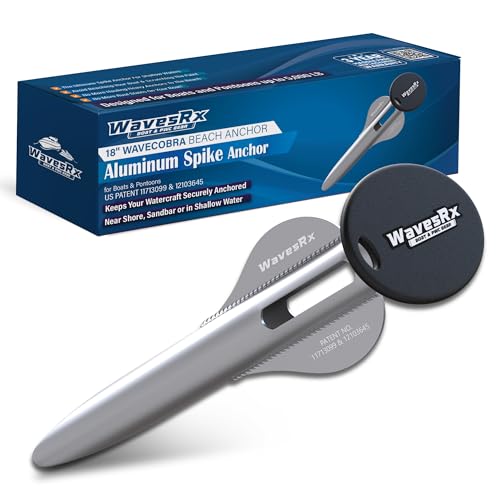
WAVESRX Patented Aluminum Spike Beach Anchor

Anchor-Man PVC Coated Boat Anchor Chain

Extreme Max 3006.6645 BoatTector Vinyl-Coated Spike Anchor

SeaSense Mushroom Boat Anchor

SandShark Sport Boat Anchor and Jet Ski Anchor
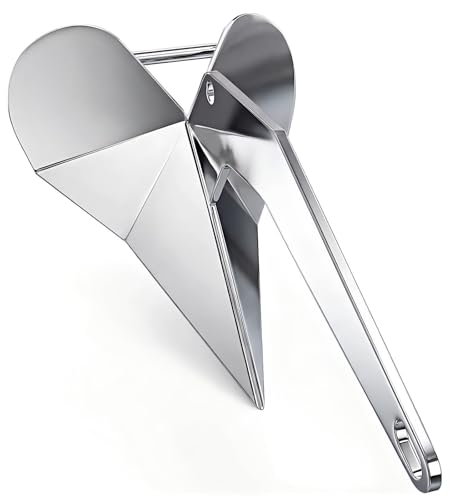
CORDUN 316 Stainless Steel Delta Anchor
More Details On Our Top Picks
An 18-inch aluminum spike sounds almost too simple, but that’s the point. The WAVESRX Patented Aluminum Spike Beach Anchor is built to screw into soft sand quickly, then hold a PWC or small boat against mild wind and current without dragging. Aluminum keeps the weight down so you can stow it in a jet ski’s smallest hatch and still have room for a tow rope.
For riders who spend most days near a sandbar or shallow beach, this is one of the easiest anchors to deploy solo. It doubles as a stern anchor, which helps a craft pivot into a more controlled position when the wind shifts.
Practical Advantages
- Aluminum construction keeps total carry weight minimal for PWC riders
- Spike design suits soft, sandy bottoms where mushroom anchors tend to skip
- Works as a stern anchor to reduce swing in busy coves
- Compact enough to fit in a jet ski storage compartment alongside safety gear
Honest Caveats
- Soft sand is the sweet spot; rocky or weedy bottoms will frustrate the spike
- Holding power in strong current is limited compared to heavier fluke-style anchors
- Aluminum can dent if dropped hard on a rocky shoreline
Quick Facts
Who It Suits Best
Riders who frequent sandy shorelines and want an ultralight, no-fuss anchor that deploys from a jet ski in under a minute.
Swap It Out When
You anchor mostly in mud, weeds, or rocky lake beds, where the Extreme Max BoatTector Vinyl-Coated Spike Anchor will bite more reliably.
A chain between your anchor and rope, called the “rode,” is a small upgrade that changes how an anchor sets. The Anchor-Man PVC Coated Boat Anchor Chain comes as 4 ft 1/4 in or 5 ft 5/16 in, with two stainless steel shackles included. That extra weight near the seabed flattens the pull angle, which helps the anchor dig in rather than skip along the bottom.
The thick black PVC (polyvinyl chloride) coating isn’t just cosmetic. It dampens the clatter when the chain rides over a hull, kayak deck, or PWC gunwale, and it shields gelcoat (the thin, glossy outer layer of a boat’s hull) from scratches. For owners who already have an anchor they like and want it to set better, this is the practical add-on.
What Helps Most
- PVC coating quiets chain rattle and protects hull and gelcoat from abrasion
- Stainless steel shackles arrive in the box, so no extra hardware runs to the marina
- Two lengths cover kayak and jet ski sizing without overbuying weight
- Improves anchor setting on existing rodes you may already trust
Points To Note
- This is a rode upgrade, not a standalone anchor
- Heavier chain adds deck weight worth considering on smaller craft
- Coating can wear at high-wear contact points over time
Feature Card
Made For
Riders who already anchor regularly and want quieter handling plus a flatter pull angle without replacing their whole setup.
Consider Something Else When
You need a complete first-time anchor kit, in which case the WAVESRX Patented Aluminum Spike Beach Anchor is a more self-contained start.
Where the WAVESRX spike is a lightweight sand specialist, the Extreme Max 3006.6645 BoatTector takes the same basic spike concept and adds weight and flukes (the flat, angled blades that dig into the bottom). At 18 lbs with a vinyl-coated finish, it’s a more aggressive anchor designed to drive into sand, mud, rocks, and weeds with reasonable confidence.
For riders who bounce between shoreline types during a single afternoon, this versatility matters. The vinyl coating helps protect the anchor during rough drops and reduces wear on whatever it’s resting against in storage.
Points In Its Favor
- Multi-fluke design adapts to sand, mud, and mixed lake bottoms
- Vinyl coating helps prevent chips and corrosion between uses
- 18 lb weight gives stronger holding in moderate current than lighter spikes
- Reasonable size for tandem PWC riders or small fishing boats
Trade-Offs
- Heavier carry weight than the WAVESRX aluminum spike
- Bulkier form factor is harder to fit in a PWC’s tightest storage compartments
- Coating can scuff where the anchor contacts rocky bottoms repeatedly
Best Suited To
Boat owners and tandem PWC riders anchoring in variable conditions where one craft may hit sand, weeds, and gravel within a single outing.
A Better Fit Elsewhere
You mostly ride soft sand and want the lightest possible carry, in which case the WAVESRX Patented Aluminum Spike Beach Anchor is more sand-specific.
Mushroom anchors look almost quaint next to modern fluke and plow designs, but the geometry works in the right environment. The SeaSense Mushroom Boat Anchor is a 15 lb cast iron piece with a black vinyl coating, rated for boats up to 20 ft. That wide, dome-shaped cap is meant to bury itself slowly under sustained load, then stay put.
You wouldn’t take this anchor into a tidal river, but for a quiet lake or protected cove, the holding is often better than expected. The vinyl coat keeps rust at bay and helps it slide out of storage bins without scraping everything around it.
What Earns Its Place
- Mushroom cap delivers solid holding in soft lake bottoms over time
- Cast iron build absorbs bumps without deforming
- Vinyl coating helps prevent rust in freshwater storage
- Sized appropriately for skiffs, canoes, and kayaks up to 20 ft
A Few Limitations
- Slow to set in hard sand where the cap can’t fully bury
- Not suited to strong current or open-water conditions
- Heavier than spike-style anchors of similar rating
Spec Overview
Perfect Match For
Anglers and small-craft owners anchoring on quiet inland lakes where steady load matters more than quick setting.
Look Elsewhere When
You anchor in sandbar conditions and want screw-in bite, where the SandShark Sport Boat Anchor is built for that exact task.
The SandShark Sport Boat Anchor takes a different approach: an auger-style pole (a screw-tipped shaft that twists into the bottom) made from high-strength ABS (a tough, rigid plastic that resists impacts and salt water), designed specifically for shallow sandbar anchoring. The trade-off is that it isn’t a permanent or deep-water solution, but it wasn’t built to be one.
For PWC riders hopping between sandbars, this is one of the easier tools to live with. The pole stores compactly, deploys fast, and pulls out cleanly when the day is done.
Well-Handled Touches
- ABS construction stays light and resists saltwater wear
- Auger tip bites into soft sand with minimal effort
- Compact storage footprint fits a PWC hatch with room to spare
- Pulls out without dragging a heavy load of sand back to the surface
Room For Improvement
- Limited to sand and very soft bottom conditions
- Not a substitute for a fluke or plow anchor in deeper or rougher water
Who Will Love This
Recreational PWC riders and small-boat owners who anchor at sandbars more often than anywhere else.
Where Another Pick Suits Better
You anchor in mixed bottom conditions beyond sand, where the Extreme Max BoatTector Vinyl-Coated Spike Anchor covers a wider range.
Delta anchors are a familiar shape on working boats for a reason: they set quickly and reset themselves if the wind shifts. The CORDUN 316 Stainless Steel Delta Anchor leans on a “316” stainless build, where 316 refers to a marine-grade alloy that resists pitting and rust in saltwater. The mirror polish is partly cosmetic, but it also helps the surface shed grime between trips.
This is the heaviest, most capable option in the roundup, and it’s overkill for a single rider on a calm lake. Where it shines is the saltwater angler, pontoon owner, or anyone stepping up to a longer craft between 15 and 55 ft.
Useful Touches
- 316 stainless steel construction holds up in saltwater and brackish environments
- Delta plow geometry self-resets when wind or current shifts
- Multiple weight options from 11 lb to 44 lb to match boat size
- Mirror-polished finish sheds grime and resists surface staining
Honest Caveats
- Stainless steel adds deck weight that’s unnecessary for casual freshwater use
- Price tier is higher than spike or mushroom alternatives
- Polished finish can show scuffs from heavy contact with rough surfaces
Right Fit For
Saltwater boaters and pontoon owners anchoring a wider range of craft who want long-term corrosion resistance and reliable setting.
Skip It When
You’re running a single PWC on calm lakes, where a lighter, simpler design like the WAVESRX Patented Aluminum Spike Beach Anchor will serve just as well.
What Matters Most Before Choosing Anchors For Jet Ski
Matching an anchor to the bottom is the first decision most people overlook. Sand, mud, weeds, and rock each call for different shapes: a spike digs in soft sand, a mushroom cap buries in mud, a fluke bites in mixed conditions, and a plow sets in harder ground. The wrong shape often “looks” anchored while quietly dragging along the bottom.
Weight and storage come next. A jet ski rider has limited room, so the 18-inch aluminum WAVESRX or the compact SandShark pole are easier to live with than a heavy cast iron mushroom. Larger craft can handle more weight and benefit from the added holding power.
Rode setup is the third lever. A short length of chain between rope and anchor, like the Anchor-Man PVC Coated option, flattens the pull angle and helps most anchor styles set harder. Many PWC riders run rope-only rodes, which is fine in calm water but limits performance in current.
Finally, environment dictates material. Saltwater demands stainless or coated options. The CORDUN 316 stainless build or vinyl-coated Extreme Max spike are sensible for brackish (mixed salt and fresh) or coastal use, while freshwater riders can prioritize lighter materials and easier storage.
Key Considerations Across These Picks
Mistakes Worth Dodging
A common slip is buying the heaviest anchor a rider can find, assuming weight equals holding. In soft sand, a heavy mushroom anchor often sits on the surface rather than digging. A lightweight spike or auger will frequently outperform it in the same spot. The shape does the work, and the weight is a backup.
Another trap is skipping the rode. Rope-only setups work in calm lakes, but the moment wind picks up, the angle steepens and the anchor skips. A short chain section solves that without much added bulk.
What The Higher Tier Buys
Stepping up to the CORDUN 316 stainless delta buys longevity and versatility. The marine-grade alloy shrugs off saltwater, the delta geometry self-resets, and the higher weight range handles larger craft between 15 and 55 ft. For owners stepping into a pontoon or saltwater fishing boat, that upgrade translates directly into fewer worries about corrosion and more reliable holding in shifting conditions.
Frequently Asked Questions
What type of anchor works best for a jet ski? A lightweight spike or auger-style anchor works best for most jet ski riders. The WAVESRX aluminum spike and SandShark auger pole are both well-suited to sandbar and shallow-water use, where most PWC anchoring happens.
How much anchor weight does a jet ski need? A small jet ski can usually hold position with an anchor in the 3 to 10 lb range in calm water. Heavier anchors like the 18 lb Extreme Max spike are useful for tandem riding or moderate current, but weight alone isn’t a substitute for the right anchor shape.
Can you use a regular boat anchor on a jet ski? You can, but storage and weight become a real issue. Most PWC riders prefer compact spike or auger designs because they fit in the limited storage compartments without sacrificing space for safety gear.
Do you need a chain on a jet ski rode? A short chain section helps most anchors set harder by flattening the pull angle. The Anchor-Man PVC coated chain is a practical add-on if you anchor in anything but the calmest water, though rope-only rodes still work in protected coves.
How do you store an anchor on a jet ski? Compact spike and auger anchors fit in most PWC storage bins. Heavier options like the SeaSense mushroom anchor typically need a bow compartment, transom-mounted holder, or external storage bag. Rinse the anchor with fresh water after saltwater use to extend its life.
Bottom Line
The right anchor for a jet ski depends almost entirely on where you ride. Sandbar regulars will find the WAVESRX spike and SandShark pole hard to beat for ease of use. Mixed-bottom boaters get more versatility from the Extreme Max spike, while quiet-lake anglers appreciate the SeaSense mushroom. The CORDUN 316 stainless delta is the choice for saltwater or larger craft where corrosion resistance and reliable setting matter most. Pick the shape that matches your bottom, and the rest of the decision gets a lot easier.