
An aluminum rooftop tent turns any SUV, truck, or van into a weather-ready basecamp, giving you a comfortable place to sleep far from crowded campgrounds. The hard shell protects the mattress and fabric from road grime when you’re between stops, and the rigid frame shrugs off wind that would flap a soft shell all night. For weekend overlanders and long-haul travelers alike, this category blends camping comfort with serious automotive-grade construction.
The picks below lean into different strengths, from winter-ready insulation to budget-friendly truck-bed setups, so you can match a tent to the way you actually travel.
A Snapshot Of The Selections

Rooftop Tent Hard Shell with Winter Insulation (4-Season)


Adventurer Pro Hard Shell Roof Top Tent (2-3 Person)

JOYTUTUS Pickup Truck Tent 5ft 2.0 with Rainfly

Explorer Pro Hard Shell Roof Top Tent (2-3 Person)

WildFinder Hard Shell Roof Top Tent for Jeep SUV
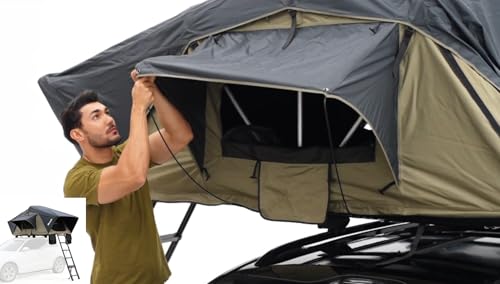
Meedo Apolle A86 M Soft Shell Rooftop Tent

Rooftop Tent Hard Shell with Winter Thermal Layer

Naturnest Sirius 1 Plus Hard Shell Roof Top Tent
More Details On Our Top Picks
Cold shoulder seasons hit hard at elevation, and this JOYINRUTE tent leans into that reality with built-in winter insulation and an aircraft-grade aluminum hard shell. The rigid top cover handles snow load and road spray better than a fabric fold-up, while the integrated thermal layer helps keep interior condensation in check on sub-freezing nights. You trade some interior room for that warmth, but for skiers, ice anglers, and high-altitude campers the trade makes sense.
Setup relies on four high-strength gas struts (pressurized arms that lift the shell as you release the latches), so the tent rises in seconds once you unlock the cover. Compared to the pop-up aluminum pick below, this model prioritizes thermal performance over outright speed. If you mostly camp in mild conditions, you may find the extra insulation heavier than you need.
A Favorable Mix
- Winter-rated insulation reduces interior heat loss and condensation
- Aircraft-grade aluminum shell resists flexing in crosswinds
- Four gas struts make the pop-up almost effortless after a long drive
- Hard cover protects the mattress from UV and road grime between trips
- 4-season framing handles light snow loads on the lid
Things To Consider
- Heavier on the roof than summer-only shells, so payload-conscious vehicles may feel it
- Winter focus adds cost that warm-weather campers won’t recoup
- Insulation can trap moisture in humid coastal climates without a vent open
Made For
Snow campers and four-season travelers running a roof rack rated for the extra weight.
Skip It When
The ARCTWONDER thermal model fits better if you camp in wet, slushy conditions rather than dry cold.
When you roll into camp after dark, the last thing you want is a 20-minute tent build, and that’s where this JOYINRUTE hard shell earns its keep. The pop-up design uses the same hydraulic-strut approach as the winter model above, but trims the thermal layer to keep the weight and bulk down. You get a rigid aluminum lid that shrugs off low branches and surprise rain, with the mattress already made up inside.
For weekend trips where you’re moving every morning, the fast deploy genuinely changes the rhythm of a trip. Unlike the JOYTUTUS truck-bed option later in this list, this one lives on a roof rack, so it suits SUVs and wagons better than open pickup beds. In our view, the build is more about convenience than luxury, so don’t expect a plush interior.
Good Reasons To Consider
- Pop-up mechanism saves setup time on short overnight stops
- Aluminum shell outlasts fabric covers in hail and sun
- Lighter thermal profile suits three-season travel
- Pre-fitted mattress cuts out a packing step
Worth Noting
- Less insulation than the dedicated winter pick above
- Aluminum lid can amplify rain noise without a soft liner
- Roof rack crossbar spacing needs to match the mounting points
Best Suited To
Road trippers who change locations every one or two nights and value speed over plush insulation.
Look Elsewhere When
The HEYFUN Adventurer Pro suits you better if you want integrated LED lighting and an attachable awning.
The HEYFUN Adventurer Pro comes loaded with the kind of extras that turn a basic rooftop tent into a small campsite: a built-in LED light strip for night tasks and an attachable side awning for shade and rain protection. The flocked (soft, velvet-like) tent floor feels nicer under bare feet than bare aluminum, and the 2-3 person layout works for a couple plus a child or a dog.
Compared to the more spartan JOYINRUTE pop-up above, this model leans into creature comforts. You pay a bit more in weight and complexity, but you skip buying those accessories separately. Depending on your trip style, the awning alone can replace a separate sun shade, which simplifies the gear load.
Points In Its Favor
- Integrated LED light strip eliminates fumbling for a headlamp inside
- Side awning adds covered living space without extra poles
- Flocked floor adds comfort and dampens condensation drip
- 2-3 person footprint fits a small family or two adults plus gear
Honest Caveats
- More components mean more setup time than a basic pop-up
- Awning mounting adds wind drag on long highway stretches
- Wiring for LEDs may need a fused 12V tap from the vehicle
Key Specs
Whose Shelf It Belongs On
Overlanders and family campers who want a near-complete campsite without piecing together accessories.
Reach For A Different Pick When
The WildFinder suits you better if you prioritize raw aluminum durability over built-in accessories.
Not every camping setup needs a roof rack and a hard shell, and the JOYTUTUS truck-bed tent fills the gap for pickup owners who already have a 5-foot bed. It drops into the bed itself, so you sleep at cab height rather than climbing a ladder. The 210D polyester oxford fabric (a medium-weight woven material that balances weight and durability) carries a PU2000mm waterproof coating, which handles heavy rain without soaking through.
The aluminum poles keep the packed weight manageable, and the included rainfly adds a second weather barrier. Unlike the hard-shell aluminum options on this list, this one stores flat in the bed when you need the truck for hauling. For most weekend campers, the trade-off is straightforward: less rigidity, much lower cost.
Real-World Strengths
- Far cheaper than hard-shell roof tents
- PU2000mm rating handles sustained rain
- Double-layer design reduces condensation
- Frees up the truck bed for cargo when packed down
Small Caveats
- Only fits 5-foot truck beds, not short or long beds
- Fabric shell ages faster than aluminum under UV exposure
- Sleeping height is lower than roof-mounted tents, less view
Perfect Match For
Pickup owners who want overnight shelter without a roof rack and value price over a hard shell.
A Better Fit Elsewhere
The HEYFUN Explorer Pro works better if you want a hard shell and 2-3 person space, and you have roof rack clearance.
The HEYFUN Explorer Pro is essentially the Adventurer Pro’s sibling, swapping the LED lighting and awning focus for a simpler, more traditional hard-shell layout. You still get the flocked floor and the 2-3 person footprint, but the pared-down feature list keeps the price friendlier for entry-level overlanders.
It pairs naturally with a mid-size SUV or a 4Runner running factory crossbars, and the aluminum shell shrugs off the low branches that would rip a fabric top. You may find the lack of built-in lighting means adding a clip-on lantern, but for most backcountry trips, that is a small adjustment. Where it differs from the JOYTUTUS pickup option is shelter height: you sleep above the vehicle, which keeps you out of mud and runoff.
Positive Points
- Aluminum shell adds years of service life versus fabric tops
- Flocked floor softens the interior and quieter than bare boards
- 2-3 person sizing handles couples plus a child or a dog
- Simpler feature set keeps weight and cost in check
Points To Keep In Mind
- No built-in lighting like the Adventurer Pro sibling
- Roof rack must support the static and dynamic weight ratings
- Ladder is typically sold separately on this trim
Key Specs
The Right Fit
First-time rooftop tent shoppers and couples who want a durable hard shell without paying for premium accessories.
Swap It Out When
The HEYFUN Adventurer Pro fits better if you want integrated LEDs and an awning out of the box.
The WildFinder goes heavy on the construction story: aircraft-grade aluminum for the shell, stainless steel for the air-pressure lever, and a polyester fabric canopy that doubles as a blackout layer. That combination is aimed at the Jeep Wrangler and overland van crowd, where the trail between camps is half the adventure and the gear has to keep up.
Compared to the JOYINRUTE pop-up earlier, this one feels more like a tool than a convenience item. The hard shell tolerates tree branches, and the lever system makes the deploy mechanical and predictable. In our view, the canvas-style fabric canopy gives you better breathability than fully coated shells, though it does need occasional re-proofing (reapplying a water-repellent treatment) over time.
Bright Spots
- Aircraft-grade aluminum shell for long-term durability
- Stainless steel lever resists corrosion in coastal climates
- Polyester canopy offers blackout privacy and breathability
- Universal fit for Jeep, SUV, truck, and van platforms
Things To Weigh
- Heavier than lightweight pop-ups, so check your rack rating
- Fabric canopy may need re-proofing after a few seasons
- Mechanical lever takes a few practice cycles to master
Who Should Grab It
Overlanders running Jeep Wranglers or 4×4 vans who value rugged construction over weight savings.
Where A Sibling Pick Shines
The HEYFUN Adventurer Pro works better if you want built-in lighting and awning integration out of the box.
The Meedo Apolle A86 M breaks from the hard-shell pattern on this list with a clamshell soft-shell design (a tent that folds open like a clamshell, with the fabric cover serving as the lid) that keeps weight low and pack-down slim. The included telescoping aluminum ladder is a real plus, since many hard shells ship without one, and the army green color blends into forest settings better than bare metal.
This tent is a good fit for smaller rigs and solo travelers who don’t need the armor of an aluminum lid. You lose some impact protection, but you gain easier mounting and a friendlier payload. The fold-out design works well for hunters and overlanders who set up camp weekly, where every saved pound on the roof matters.
Where It Delivers
- Soft-shell design keeps roof load down for smaller SUVs
- Ladder is included, saving a separate purchase
- Clamshell fold is fast once you learn the steps
- Waterproof fabric plus rainfly handles typical storm cycles
Small Limitations
- Fabric cover offers less protection than an aluminum hard shell
- Two-person capacity feels tight with two adults and gear
- Long-term UV exposure can degrade the fabric faster than metal shells
Key Specs
Who It Suits Best
Solo adventurers and couples running smaller SUVs or crossovers who need a lower roof load.
Consider Something Else When
The WildFinder works better if you want aluminum impact protection for rougher overland routes.
ARCTWONDER’s take on a winter shell focuses on the thermal layer and corner construction, two areas where cheaper tents tend to cut corners. The bottom plate, top cover, and four corner brackets are all aluminum, and the brand calls out plastic corner parts as a common failure point on competing models. For wet snow and freezing rain, that choice shows up in long-term durability.
This is a 2-person layout, so it suits couples and a parent with a child rather than a three-adult crew. The pop-up mechanism keeps setup quick even when your hands are cold. In cold-weather camping, you may find the thermal layer cuts down on interior frost, but you’ll still want a proper sleeping bag rated below the expected overnight low.
Strong Points
- All-aluminum corner brackets resist cracking in freeze-thaw cycles
- Winter thermal layer reduces heat loss on cold nights
- Pop-up design works well with gloves and numb fingers
- Compact 2-person footprint fits mid-size SUVs
Practical Considerations
- Heavier roof load than summer-only shells
- 2-person capacity is tight for two tall adults
- Aluminum shell amplifies rain noise without interior padding
Key Specs
Built With In Mind
Winter campers and ski trip overlanders who camp in wet, slushy conditions rather than dry cold.
Another Choice May Suit
The JOYINRUTE Winter Insulation tent fits better if you want a 4-season rating for high-altitude, dry-cold camping.
The Naturnest Sirius 1 Plus pulls together a lot of modern tent thinking: a lightweight ABS hard shell (a tough, molded plastic that resists impact and UV), an aluminum frame, and honeycomb panels (lightweight hexagonal-core boards) that handle both sound and thermal insulation. There’s a dedicated vent port so you can run a small heater or cooler into the cabin, which is a thoughtful touch for shoulder-season camping.
Waterproof and UV-resistant blackout fabric keeps early-morning sun from waking you at 5 a.m., and the 2-3 person layout covers most couple-plus-gear scenarios. The setup targets all-season use, so the weight lands between the JOYINRUTE winter model and the simpler Meedo soft shell. You may find the integrated vent the deciding factor, since it opens up climate control without modifying the tent.
Where It Helps
- ABS hard shell is lighter than full aluminum while staying tough
- Honeycomb panels add thermal and acoustic insulation
- Dedicated vent port supports a heater or cooler accessory
- Blackout fabric blocks early-morning light in summer
What To Weigh
- Vent port requires compatible accessories for full benefit
- ABS shell can scuff in heavy brush over time
- Premium feature set comes with a higher entry cost
Key Specs
Right Fit For
All-season travelers who want a balance of weight, insulation, and climate-control flexibility in one shell.
Not Your Match When
The JOYTUTUS pickup tent fits better if you don’t have a roof rack and want the lowest-cost path into truck camping.
What To Weigh Before Picking An Aluminum Rooftop Tent
Match The Shell To Your Climate
Aluminum hard shells handle UV, hail, and road grime better than fabric, which matters if you camp year-round or store the tent on the roof between trips. Winter-rated models add an internal thermal layer and stronger corner brackets, which help in freeze-thaw cycles. If you mostly camp in mild weather, you can save weight and money by skipping the four-season insulation.
Check Roof Rack Ratings First
Every hard-shell tent on this list assumes your roof rack supports both the static weight of the tent and the dynamic loads of driving. Mid-size SUVs often top out around 75 kg dynamic capacity, and a hard-shell tent plus occupants can approach that quickly. Confirm the dynamic and static ratings of your rack before choosing, and remember that the weight on the roof also raises your vehicle’s center of gravity on twisty roads.
Plan Capacity Around Real Sleepers
A 2-3 person rating usually means two adults comfortably, with a third person as a tight fit or a spot for a child or dog. Two tall adults over six feet may find even a 2-3 person tent cramped. If you camp as a couple with a lot of gear, sizing up gives you breathing room and a place for backpacks inside the tent.
Think About Mounting And Storage
A telescoping aluminum ladder, included or purchased separately, is part of the package for most rooftop tents. Hard shells stay mounted on the roof, which frees up bed or trunk space but means the vehicle is always “loaded” with the tent. Soft-shell clamshells can sometimes come off the rack more easily for off-season storage, though it depends on the mounting hardware.
Key Considerations Across These Picks
Pitfalls Shoppers Hit
A common mistake is buying a tent that exceeds the roof rack’s dynamic weight rating, which can damage the rack and the vehicle’s roof over time. Another is underestimating packed-down height, since hard shells add significant height to the vehicle and can interfere with low garage clearances. Always measure the added roof height with the tent closed, and check the rack’s weight spec before committing.
Where The Extra Money Goes
Higher-tier aluminum rooftop tents typically fund thicker aluminum panels, stronger corner brackets, and integrated insulation, which matter most in winter and on long overland routes. Premium models also tend to include better gas struts and accessory integration, like LED lighting or heater vent ports, that you’d otherwise buy separately. For weekend summer trips, mid-tier options often cover the same use case at a lower entry cost.
Frequently Asked Questions
Are aluminum rooftop tents worth the cost over soft shells?
Aluminum shells last longer under UV exposure and protect the mattress during transit, which matters for frequent travelers. Soft shells are lighter and cheaper, which suits occasional campers.
Can any SUV carry an aluminum hard-shell tent?
No, the roof rack must support both the static and dynamic weight of the tent and occupants. Check your rack’s rated capacity before choosing a model, and account for the added roof height in your garage and drive-through clearances.
How do you maintain an aluminum rooftop tent?
Rinse the shell periodically to clear road salt and grime, lubricate the latches and gas struts annually, and re-proof the fabric canopy (reapply a water-repellent treatment) every couple of seasons. Store the tent slightly open if possible to let the interior air out.
Do these tents work in winter?
Models with a winter thermal layer and aluminum corner brackets handle cold and light snow well. For deep winter camping, you still need a sleeping bag rated for the expected overnight low.
How long does setup usually take?
Hard-shell pop-ups with gas struts typically open in under two minutes once the latches are released. Adding a mattress top-off, ladder deployment, and awning setup brings the total closer to 10 minutes for most campers.
Closing Remarks
Your perfect aluminum rooftop tent comes down to where you camp, what you drive, and how often you set up. Pick the climate rating that matches your trips, confirm the roof rack can handle the weight, and lean toward a 2-3 person layout if you camp as a couple. Any of these nine picks will turn your vehicle into a capable basecamp for years of road time.