
A solid pair of all-around binoculars changes how you experience the outdoors. The right pair pulls distant ridges, migrating hawks, and ocean spouts into sharp focus without forcing you to fumble with focus knobs or carry a neck-straining brick. The trick is matching magnification, objective lens size, and weather sealing to the way you actually use them, whether that’s a Saturday trail, a stadium seat, or a balcony deck.
The Picks In Brief

Vortex Diamondback HD 10×42 Binoculars

Bushnell Trophy XLT 10×42 Waterproof Binoculars

Pankoo 20×55 High Powered Waterproof Binoculars

Pankoo 20×55 Binoculars with Phone Adapter

Vortex Crossfire HD 10×42 Binoculars
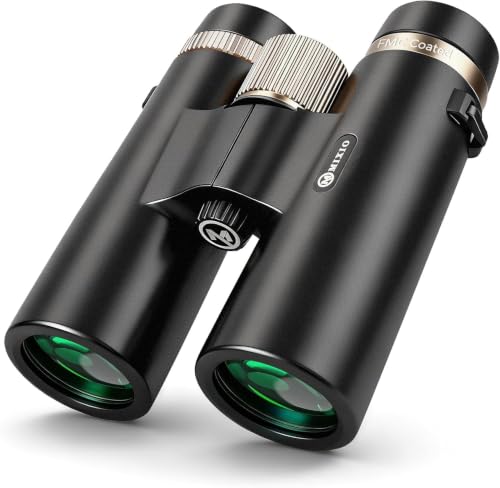
M MIXIO 12×42 High Powered Waterproof Binoculars

M MIXIO 10×42 High Powered Waterproof Binoculars

Pankoo 20×55 High Powered Binoculars Waterproof

M MIXIO 15×56 High Definition Monocular Telescope
A Deeper Look At The Lineup
The 10×42 format is the sweet spot for most outdoor use, and the Diamondback HD leans into that format with sharp, color-true optics. Its select glass elements (premium lens types chosen to boost clarity and reduce distortion) help the image stay clean even when the light gets tricky at dawn or dusk. You get a forgiving field of view that makes tracking a warbler through branches far easier than the high-power Pankoo options further down this list.
For hikers, hunters, and backyard birders who want one pair that handles almost everything, this Diamondback is a strong foundation. Compared to the Crossfire HD in slot five, you get a step up in optical refinement without leaving the same familiar Vortex platform.
Points In Its Favor
- 10×42 balance works for close-to-mid distance viewing without heavy shake
- Fully multi-coated lenses (multiple anti-reflective layers on every glass surface) boost light transmission during low-light windows at dawn or dusk
- Rubber-armored body absorbs the minor bumps of trail use
- Center focus dial turns smoothly, which matters during long birding sessions
Things To Consider
- Heavier than the M MIXIO 10×42, so a neck strap or harness is recommended for long walks
- Lens caps tend to loosen over time, a small but commonly reported ownership quirk
Feature Snapshot
Made For
Backyard birders, casual hunters, and hikers who want one reliable all-around optic without jumping into specialty territory.
Look Elsewhere When
The Bushnell Trophy XLT suits cruise travelers better, since its wider 6.2-degree field of view tracks moving landscapes more comfortably.
The Trophy XLT is built for people who spend time on the move, whether that’s a cruise deck, a stadium, or a coastline. Its 6.2-degree angle of view (the width of the scene visible through the optics) is wider than most rivals, which makes tracking distant islands or shoreline cliffs far less jittery. The waterproof, rubber-coated housing shrugs off spray, salt mist, and the occasional accidental drop onto a metal rail.
Where the Vortex Diamondback leans toward birding precision, the Trophy XLT leans toward sweeping, panoramic viewing. For vacation use especially, the wider window feels like a noticeable upgrade over tighter 10×42 setups.
Where It Delivers
- Wide 6.2-degree field of view makes panning across landscapes smooth
- Waterproof and fog-proof sealing protects internals from salt air and sudden rain
- Multi-coated optics keep contrast strong in bright midday sun
- Comfortable grip texture stays secure with damp hands
Points To Note
- Slightly bulkier than compact travel pairs, so plan a daypack pocket
- Eye relief (the distance your eye sits from the lens while still seeing the full image) may run tight for users wearing thick glasses
Best Suited To
Cruise passengers, sightseeing travelers, and casual sports spectators who want steady wide-angle viewing.
Consider Something Else When
Birders chasing small species in dense brush will find the tighter field and crisper glass of the Vortex Diamondback HD a better daily match.
When the goal is pulling in distant detail, the 20×55 configuration steps past the modest reach of a standard 10×42. The large 55mm objective lenses (the front glass elements that gather light) pull in enough brightness to make the high magnification usable at dawn or dusk, which is exactly when most wildlife and scenic activity picks up. The waterproof body handles morning dew on a kayak or a light drizzle on a ridgeline without complaint.
Honest read: 20x magnification amplifies hand-shake too. You may find a tripod or a stable surface essential for anything beyond quick scanning. Compared to the Diamondback in slot one, the trade is more reach in exchange for steadier handling.
A Favorable Mix
- 20x magnification pulls in subjects at very long range
- 55mm objective lens keeps the image brighter at the edges of the day
- Waterproof construction handles unexpected weather shifts
Honest Caveats
- Hand-shake is amplified at 20x, so a monopod or tripod helps for extended viewing
- Heavier and bulkier than 10×42 alternatives, reducing packability
- Tighter exit pupil (the small circle of light your eye receives) can dim the image if you don’t center your eye perfectly
Quick Facts
Who It Suits Best
Long-distance observers and wildlife watchers who plan to glass open terrain and can stabilize the binoculars.
Skip It When
You need a more forgiving everyday carry, since the M MIXIO 12×42 in slot six balances power and steadiness more comfortably.
This Pankoo variant keeps the same 20×55 optics as slot three and adds a smartphone adapter for casual digiscoping (shooting photos or video through the optics using your phone camera). The BAK4 prism (a high-grade glass prism that produces a round, bright exit pupil and better contrast than cheaper BK7 glass) helps the image stay sharp across the frame, and the adapter clamps over one eyepiece for quick captures. It’s an easy entry point for anyone who wants to share what they see without buying a dedicated camera setup.
Compared to the other Pankoo here, this one trades a bit of pure optical reach for the convenience of photographing what you spot. Same magnification story applies: you’ll want a steady surface for the best results.
The Upside
- Smartphone adapter included for capturing distant scenes
- BAK4 prism with FMC green coating (fully multi-coated green-tinted lenses) for vivid, contrast-rich images
- Generous field of view at long range for scanning
- Sturdy build for outdoor use
Worth Noting
- Adapter alignment takes patience to frame shots evenly
- Phone clamp may not fit larger modern phones without an extension
Right Fit For
Casual nature photographers and travelers who want to record what they spot without investing in a spotting scope (a dedicated, long-reach monocular designed for stable observation) or telephoto lens.
Reach For A Different Pick When
You’d rather use a tripod-mounted monocular like the M MIXIO 15×56 for stable, one-handed long-range viewing without the adapter workflow.
The Crossfire HD shares the same 10×42 fundamentals as the Diamondback in slot one, but bundles a GlassPak harness (a padded chest-mounted harness that keeps the binoculars secured and quickly accessible in the field). For hunters, birders, and hikers who spend hours on their feet, that harness is more than a freebie: it keeps weight off the neck and the optics ready to lift in seconds. The optical system itself delivers HD glass with strong light transmission for clear dawn viewing.
Think of it as the Diamondback’s field-ready cousin. Where the Diamondback focuses on pure optical refinement, the Crossfire leans into comfort and quick deployment for active days outdoors.
Standout Benefits
- Included GlassPak harness keeps binoculars secure and instantly accessible
- HD optics with select glass elements (premium lens types chosen for clarity and reduced distortion) cut chromatic aberration (color fringing around high-contrast edges) at the edges of the frame
- Lightweight enough for all-day carry with the harness system
- Weather-sealed construction handles light rain
Practical Considerations
- Harness adds bulk if you prefer a slimmer travel profile
- Optical performance sits slightly below the Diamondback HD’s level
Spec Overview
Who Will Love This
Active birders and hunters who want quick optic deployment and weight distribution on long days outside.
Where A Sibling Pick Shines
The M MIXIO 10×42 in slot seven is a friendlier fit for first-time optics users who want a simpler, lighter setup without the harness system.
The 12×42 setup splits the difference between the forgiving 10x and the demanding 20x formats. With a 303-foot field of view at 1000 yards, you can scan open terrain without losing the subject, and the extra magnification pulls in details that a 10x misses. The waterproof body shrugs off the occasional splash from a riverbank or kayak paddle.
For people who want more reach than a standard 10×42 without the heavy hand-shake penalty of a 20x, this M MIXIO lands in a comfortable middle. It’s a touch more versatile than the long-range Pankoo for active walking scenarios.
The Practical Payoff
- 12x magnification offers noticeable reach over 10x without 20x-level shake
- 303ft/1000yd field of view supports comfortable scanning
- 20mm eyepieces (the lens elements you look through) deliver a comfortable viewing window for extended use
- Waterproof construction handles outdoor conditions reliably
A Few Limitations
- 20mm eyepieces may feel tight for users who prefer larger viewing windows
- Focus knob tension can loosen with heavy field use over time
Perfect Match For
Outdoor generalists who want extra magnification for sightseeing, casual wildlife viewing, or stadium sports without committing to a long-range 20x setup.
A Better Fit Elsewhere
The Vortex Diamondback HD in slot one suits dedicated birders better, since its refined optics handle small subject identification with more confidence.
For anyone stepping into optics for the first time, the 10×42 format remains the easiest starting point, and this M MIXIO keeps the setup friendly. The 294-foot field of view at 1000 yards is forgiving enough to find moving subjects without losing them, and the waterproof build means rain or an accidental dip won’t end the day early. The body is light enough that you can hold them steady without arm fatigue after a few minutes of use.
It’s not the most optically ambitious option here, but that simplicity is the point. Compared to the Diamondback in slot one, you trade some optical polish for a more accessible price and a friendlier learning curve.
Why It Works Well
- Standard 10×42 configuration is easy for first-time users to handle
- Generous 294ft/1000yd field of view helps locate subjects quickly
- Waterproofing adds confidence in unpredictable weather
- Lightweight body reduces arm fatigue during extended viewing
Where It May Fall Short
- Optical sharpness trails the Vortex options in this list
- Basic focus mechanism lacks the precision feel of premium models
At A Glance
Who Should Grab It
Beginners and casual outdoor users who want a simple, forgiving all-around binocular without a steep learning curve.
Not Your Match When
You want quick harness-style field access, since the Vortex Crossfire HD in slot five bundles a GlassPak harness for active hunters and birders.
The third Pankoo 20×55 entry in this list doubles down on durability, with a sealed body, BAK4 roof prisms (compact prisms that allow a slimmer body shape while preserving image quality), and fully multi-coated lenses aimed at delivering strong light transmission in tough conditions. The 20x reach makes it a natural pick for surveying distant ridgelines, spotting waterfowl across a wide lake, or watching boats from shore.
The honest read is that it’s a long-range specialist, not a casual stroll-around pair. The Diamondback in slot one handles mixed-distance walking with far less fatigue.
Everyday Wins
- BAK4 roof prisms deliver bright, high-contrast images
- Fully multi-coated lenses help in low-light conditions
- Sealed waterproof body handles wet weather and splashes
- 20x magnification excels at very long-distance observation
Possible Compromises
- Same 20x hand-shake challenge as other long-range options in this list
- Body weight adds up over a long carry
Built With In Mind
Open-terrain spotters and waterfowl hunters who need reach, brightness, and weather sealing in one package.
Swap It Out When
You want a single compact carry for travel, since the M MIXIO 15×56 monocular in slot nine is far easier to stash in a jacket pocket.
A monocular trades the second eyepiece of a binocular for a smaller, lighter package, and this 15×56 model leans into that advantage. The 15x magnification splits the difference between the gentle 10×42 formats and the demanding 20×55 setups earlier in this list, and the wide field of view helps you find subjects fast. Premium HD optics and a BAK-4 prism aim for clear, color-faithful images even when the light is fading.
For travelers, hikers, and anyone who values pack space, this monocular earns its spot. The Pankoo 20×55 binoculars reach further, but you carry them both, and only one fits in a coat pocket.
Practical Advantages
- Single-eye design fits easily in a jacket pocket or small pack
- 15x magnification balances reach and steadiness
- HD optics with BAK-4 prism keep images bright and color-true
- Fast focusing supports quick subject acquisition
Points To Keep In Mind
- Single-eye viewing can feel tiring for users used to binocular comfort
- Hand-shake is still noticeable at 15x for extended sessions
Whose Shelf It Belongs On
Travelers, day hikers, and event-goers who want reach in a pocketable form factor without the bulk of full-size binoculars.
Where Another Pick Suits Better
Birders who prefer binocular comfort should look at the Vortex Diamondback HD in slot one for steadier two-eyed viewing.
Choosing Alls Around Binoculars That Actually Fit Your Use
Magnification And Objective Lens Balance
The two numbers on any binocular (like 10×42 or 20×55) tell you almost everything about its character. The first number is magnification: how many times closer a subject appears. The second is the objective lens diameter in millimeters, which controls how much light the optics gather. Higher magnification pulls in more detail but amplifies hand-shake, and larger objective lenses deliver brighter images but add weight. A 10×42 setup is the all-around workhorse for hiking and birding, while a 20×55 setup excels for stationary long-range viewing.
Field Of View And Close Focus
Field of view is the width of scene you see at a given distance. Wider fields help you track moving birds or scan open terrain; tighter fields make stationary targets look larger. Close focus (the nearest distance at which the binoculars can render a sharp image) matters for butterfly watchers, museum visits, and stadium seat-readers. Specs list field of view in feet at 1000 yards, which makes comparing models across brands straightforward.
Weather Sealing And Build Quality
Waterproof and fog-proof (nitrogen-purged, meaning the air inside has been replaced with inert nitrogen gas to prevent internal fogging) construction matters more than most casual users expect. If you hike in coastal fog, kayak, or hunt in predawn dew, sealed optics prevent the internal clouding that ruins mid-day viewing. Rubber-armored bodies absorb the small drops that happen during travel, and quality focus mechanisms stay smooth after thousands of turns.
Glass, Coatings, And Prism Type
BAK4 prisms (a premium barium-crown glass prism) produce rounder, brighter exit pupils than the cheaper BK7 glass found in some entry models. Fully multi-coated lenses (anti-reflective coatings applied to every air-to-glass surface) dramatically improve contrast and color, especially in low light. Together, these two specs explain most of the image quality difference between budget and mid-range optics.
Key Considerations Across These Picks
Common Shopping Slip Ups
Many first-time buyers fixate on magnification and pick the highest number available, then discover that 20x is unusable without a tripod. Others skip waterproofing to save money, only to find foggy internals after a rainy hike. A useful guardrail: match magnification to your most common scenario, prioritize waterproof sealing if weather is variable, and accept that the “best” binocular is the one you’ll actually carry on every outing.
Where The Extra Money Goes
Spending more typically buys better glass (HD or ED, meaning extra-low-dispersion glass that reduces color fringing), smoother focus mechanics, and tighter weather sealing. For casual weekend use, the gains matter less than comfort and weight. For regular birders and hunters, those optical refinements show up in sharper plumage details and cleaner color at the edges of the day, which makes the upgrade worth it over time.
Frequently Asked Questions
What Does 10×42 Mean On Binoculars?
The first number is how many times closer a subject appears, and the second is the front lens diameter in millimeters. A 10×42 binocular makes things look ten times closer, and the 42mm front lens gathers enough light for most outdoor conditions.
Are 20×50 Binoculars Good For General Use?
They’re useful for long-distance viewing but amplify hand-shake heavily. For walking, hiking, or birding, a 10×42 or 12×42 setup is steadier and more comfortable for extended handheld use.
What Is The Difference Between Waterproof And Water-Resistant Binoculars?
Water-resistant models handle light splashes, while waterproof models feature sealed bodies rated for submersion or heavy rain. For outdoor use in unpredictable weather, waterproof construction is the safer bet.
Can Binoculars Be Used For Stargazing?
They work for large, bright targets like the Moon, Jupiter’s moons, and major star clusters. For deep-sky detail, a dedicated astronomy telescope offers far better performance than any general-purpose binocular.
How Do I Clean Binocular Lenses Safely?
Use a soft lens brush or blower to remove dust, then a microfiber cloth with a small amount of lens cleaning fluid for smudges. Avoid touching the glass with fingers, and never use household cleaners that can damage optical coatings.
Bottom Line
The right all-around binocular comes down to matching magnification and handling to the way you spend your time outside. For steady everyday use, a 10×42 setup like the Vortex Diamondback or M MIXIO covers the most ground. For long-distance specialists, the 20×55 Pankoo options or the pocketable 15×56 monocular step in. Whichever path fits your routine, the picks above offer a solid starting point for sharper, more confident observation.