
Cold nights at altitude, damp mornings on the trail, and shoulder-season camping trips all push a sleeping bag hard. The right all-season pick keeps you warm at freezing and breathes well enough to avoid clammy summer sleep. The four options below cover very different comfort profiles, so matching your usual climate matters more than chasing the lowest weight.
A Snapshot Of The Selections
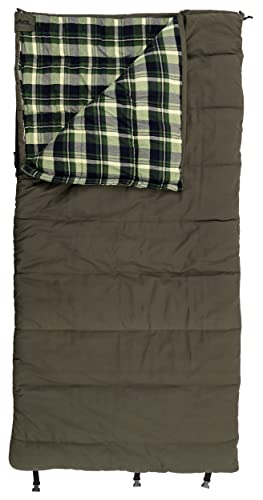
ALPS OutdoorZ Redwood -25 Sleeping Bag
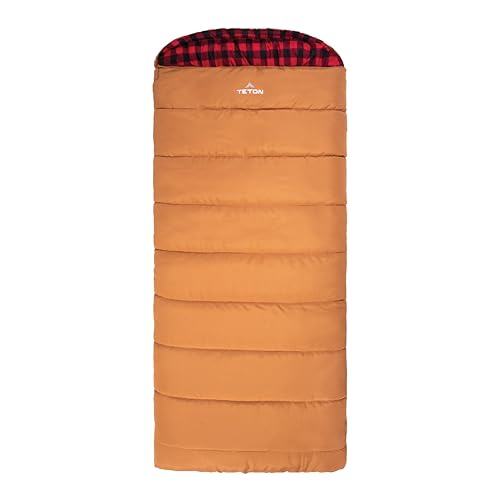
TETON Sports Deer Hunter Sleeping Bag

PTEROMY Lightweight Machine Washable Sleeping Bag

TANSTRIDER Cotton Flannel XXL Sleeping Bag
The Strengths Of Each Pick
The Redwood is built for the kind of nights that punish lighter bags: hard frost, biting wind, and a long stretch between sunrise and your next hot drink. Its oversized rectangular cut gives you room to stretch without feeling cocooned, which makes it unusually comfortable for restless sleepers who hate mummy-style hugging.
Compared with the Deer Hunter that follows, this one is more about thermal performance than rugged aesthetics. Techloft fill (a synthetic insulation made from hollow microfibers with a silicone coating that traps heat and resists moisture) handles damp conditions better than down, so a wet tent floor or condensation is less of a crisis.
Everyday Wins
- Synthetic fill keeps insulating when damp, a real edge on multi-day trips where the bag may never fully dry.
- Wide rectangular footprint suits side sleepers and anyone who shifts positions through the night.
- Sub-zero rating protects against surprise cold fronts in shoulder seasons above the treeline.
- Internal storage pocket keeps a phone or hand warmers within reach without losing them in the loft.
- Pairs well with standard rectangular sleeping pads, so you can mix and match your sleep system.
Trade Offs
- Synthetic fill packs larger than a comparable down bag, which eats into pack space on long treks.
- Weight climbs noticeably compared to the lightweight PTEROMY option below, so it is not ideal for thru-hikers.
Best Suited To
Winter hunters, snow campers, and anyone setting up in places where the mercury drops well below freezing.
Look Elsewhere When
You mostly camp in summer and want something the PTEROMY Lightweight Machine Washable Sleeping Bag can handle with less bulk in your pack.
The Deer Hunter has that rough-and-tumble feel of a bag designed to get dragged out of a truck and used hard. The poly-cotton canvas shell shrugs off scuffs, sparks, and the kind of dirt that ruins slicker fabrics, which is part of why it has stayed popular with hunters and outfitters for years.
Where the Redwood above leans on synthetic fill and a deep cold limit, this one focuses on durability and a roomy interior. The mummy-style hood cinches around your head to seal in heat, but the body of the bag stays generous, a nice compromise for people who want warmth without feeling locked in.
Notable Upsides
- Tough canvas shell handles rough campsites and repeated truck-bed storage without tearing.
- Adjustable hood traps heat around the head, where you lose the most warmth overnight.
- Synthetic fill rated for below-freezing use, so shoulder-season trips stay comfortable.
Points To Note
- Canvas is heavier than nylon and adds noticeable bulk to your pack.
- Cleaning is trickier than machine-washable bags, and owners commonly report it needs airing rather than a regular wash cycle.
- Not the lightest option for backpackers carrying gear for long distances between camps.
Who It Suits Best
Hunters, anglers, and base-camp campers who drive into a site and want a bag that survives years of hard use.
Consider Something Else When
You carry your shelter on your back for miles, in which case the TANSTRIDER Cotton Flannel XXL Sleeping Bag offers comparable room with a softer feel at camp.
For most spring-to-fall camping, the PTEROMY hits a comfort range that covers a huge share of real-world trips. The 50°F to 80°F comfort zone is a sweet spot for warm-weather backpacking, family campgrounds, and summer festivals where nights cool off but rarely freeze.
It runs about 7 feet 2 inches long and 2 feet 7.5 inches wide, so it suits taller sleepers as well. Compared to the cold-hunting Redwood and the canvas Deer Hunter, this bag is the easy-care travel pick, and the fact that it goes in a washing machine is a quiet luxury after a dusty weekend.
Practical Advantages
- Machine-washable design simplifies cleanup after muddy festivals or sandy beach trips.
- Water-resistant shell sheds light rain and morning dew without soaking through.
- Generous length fits adults up to 6 or 7 feet tall without compressing the feet.
Room For Improvement
- Comfort rating bottoms out around 50°F, so alpine summer trips may feel chilly.
- Water resistance handles drizzle, not heavy downpours, and you may want a footprint or tarp underneath in real rain.
Who Should Grab It
Backpackers, casual campers, and anyone who values easy cleaning and light packing over extreme cold protection.
Skip It When
You camp in places where nights dip below freezing regularly, where the ALPS OutdoorZ Redwood -25 Sleeping Bag is the more honest choice.
The TANSTRIDER is the bag for campers who feel strangled by standard sizes. At roughly 90 by 39 inches, it gives big and tall sleepers the kind of room that turns restless nights into actual rest, and the cotton flannel lining adds a softness you do not get from nylon shells.
Where the PTEROMY focuses on travel weight and the Redwood on cold-weather performance, this one leans into comfort at camp. The flannel lining feels closer to home bedding, which makes it a strong pick for car camping, cabin stays, and campers who prioritize sleep quality over packability.
What Works In Its Favor
- Oversized footprint suits sleepers up to 6’5″ or anyone who hates feeling confined.
- Flannel lining traps warmth and feels comfortable against the skin in cool weather.
- Machine-washable construction, a real bonus after long weekends with kids or dogs in the tent.
Some Limits To Know
- At 6.2 pounds, it is heavier than backpack-friendly options like the PTEROMY.
- Flannel takes longer to dry than nylon, so humid conditions call for careful storage between trips.
- Rated comfort range of 40-45°F suits shoulder seasons but may not match deep winter conditions.
Whose Shelf It Belongs On
Big and tall campers, family campers, and anyone who treats sleep comfort as the top priority over pack weight.
A Better Fit Elsewhere
Backpackers covering long distances should reach for the PTEROMY Lightweight Machine Washable Sleeping Bag to save weight without giving up easy care.
Matching The Right Sleeping Bag To Your Climate
A temperature rating on the label tells you only so much. Bags are tested in controlled conditions, and real sleepers bring different metabolism, hydration, and clothing into the bag. The two numbers that matter most are the comfort rating (the lower limit at which a typical sleeper stays warm) and the limit rating (the lower bound at which a cold sleeper may still feel comfortable). For shoulder-season trips, plan around the comfort rating rather than the lower limit.
Insulation type shapes how a bag handles moisture and weight. Synthetic fills like the polyfill used in the Redwood and Deer Hunter keep working when damp and dry out faster at camp, but they pack larger. Cotton flannel linings, like the TANSTRIDER’s, feel cozy and home-like but absorb moisture and dry slowly, so humid climates call for careful airing.
Shape changes everything about comfort. Mummy bags trim weight and boost warmth per ounce, while rectangular bags let you move freely and zip two together for couples. Hoods, draft collars, and zipper baffles all reduce cold spots, and a hooded bag like the Deer Hunter helps in genuinely cold weather because you lose a huge share of body heat through an uncovered head.
Key Considerations Across These Picks
Common Shopping Slip Ups
The first mistake is chasing the lowest temperature rating without checking the bag’s shape or fill weight. A bag rated to -25°F but too narrow or too short does you no good at 30°F, because your body compresses the insulation where it touches the fabric. Always match the bag’s dimensions to your height and shoulder width before trusting the temperature claim.
The second trap is ignoring moisture. Synthetic fills handle damp tents better than down, and water-resistant shells like the PTEROMY’s keep light rain out. If you camp where dew pools under the tent or rain is common, that matters more than a slightly better warmth-to-weight ratio.
What The Higher Tier Buys
Stepping up to a heavier or pricier bag usually buys real durability, not just better numbers. The canvas Deer Hunter costs more weight but survives years of hard use, and oversized flannel-lined bags like the TANSTRIDER trade pack size for the kind of sleep comfort that turns a camping trip from tolerable to restful.
The upgrade is worth it when you camp often, sleep cold, or share gear with family members who all need different fits. It is harder to justify for one or two trips a year in mild weather, where a lighter, machine-washable bag covers most needs with less hassle.
Frequently Asked Questions
How Warm Should An All Weather Sleeping Bag Be For Most Campers?
For three-season use in most of North America, a bag with a comfort rating around 30°F handles surprise cold fronts without overheating in summer. Winter campers should look for ratings closer to 0°F or below, especially at altitude where nights run colder than forecast lows.
Can You Machine Wash Every Sleeping Bag On This List?
Not all of them. The PTEROMY and TANSTRIDER are designed to go in a home washing machine, while the Deer Hunter’s canvas shell needs airing and spot cleaning. Always follow the care instructions on the listing to protect fill loft and shell coatings.
Do Rectangular Sleeping Bags Work In Freezing Temperatures?
Rectangular bags can work below freezing, but they carry less fill than a similarly rated mummy, so you compensate with extra layers or a warmer pad. The oversized Redwood shows that rectangular cuts can still handle serious cold when the fill weight is high enough.
How Important Is Sleeping Pad Choice With These Bags?
A sleeping pad is just as important as the bag, since it insulates you from the cold ground. In freezing weather, even the warmest bag cannot protect you from heat loss through a thin foam pad, so pair your bag with an insulated pad rated for the same conditions.
How Should You Store An All Weather Sleeping Bag Between Trips?
Store the bag loosely in a large cotton or mesh sack, not compressed in its stuff sack, which crushes insulation over time. Hanging it in a closet or keeping it under the bed in a breathable storage sack preserves loft and extends the life of the fill.
The Takeaway
Matching the bag to your usual climate matters more than chasing the most extreme temperature rating. The Redwood handles serious cold, the Deer Hunter survives rough use at base camp, the PTEROMY keeps things light for summer trips, and the TANSTRIDER gives big and tall sleepers room to actually rest. Pick the profile that fits how you camp most often, and you will sleep well in far more conditions than a single rating suggests.