
A good night outside depends on what sits between you and the ground. Hard earth turns a weekend trip into a sore-shoulder regret, and a sloppy air pad that loses pressure by 2 a.m. ruins the next morning. The right air camp bed changes that whole equation: better sleep, warmer rest, easier mornings, and gear that packs down small enough to actually carry.
This roundup covers self-inflating foam pads for car campers, raised air beds that double as guest sleepers, and travel-ready kids’ options built for family trips. Every pick here is sized for a real use case, so the right one for you comes down to how and where you sleep outdoors.
A Side-By-Side Look

Lost Horizon Option3 Self-Inflating Foam Mattress (Queen, 4.5″)

Anytrip Twin Air Mattress with Built-in Pump

VOSSER Twin Air Mattress with Foam Topper

Lost Horizon Option3 Self-Inflating Foam Mattress (Twin, 4.5″)

Jirni Inflatable Toddler Travel Bed

Lost Horizon Option3 Self-Inflating Foam Mattress (Full, 4.5″)
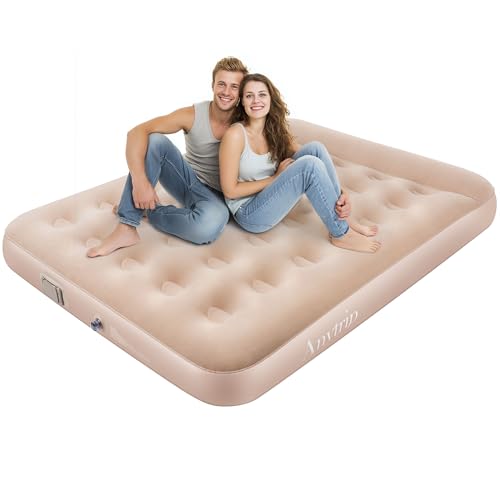
Anytrip Full Air Mattress with Built-in Pump

COMMOUDS Toddler Travel Bed with Bumpers
The Strengths Of Each Pick
The Queen-size Lost Horizon Option3 lands at the top of this list for the simple reason that it gives car campers a real bed footprint to stretch into, with 4.5 inches of foam-filled loft that holds up to 440 pounds. Self-inflating pads work by opening a valve and letting the open-cell foam inside draw air in on its own, which means almost no pumping and far less huffing at the tent door after a long drive.
Couples who share a tent appreciate the queen surface, and the higher weight rating covers two sleepers without that sinking-midnight feeling. For weekend warriors running a base-camp setup at a state park, this is the kind of pad that makes a trip feel easy.
What It Does Well
- Self-inflating valve saves setup time at camp.
- 4.5-inch loft keeps hips and shoulders off rocky ground.
- Queen surface fits two adults with room for a pillow gap.
- 440-pound capacity handles couples and restless sleepers.
Worth Noting
- Bulkier packed size than ultralight backpacking options.
- Heavier than the twin pad below, so it suits car camping more than trail hiking.
Who It Suits Best
Couples and car campers who want a self-inflating pad with room to share.
Consider Something Else When
Solo backpackers should look at the Anytrip Twin Air Mattress, which packs smaller and weighs less for trail mileage.
Solo campers who bounce between trailheads, lakeside tent pads, and backyard setups will like how the Anytrip Twin Air Mattress folds down small and inflates fast. A built-in pump and integrated two-inch raised pillow cut down on the accessories list, so you arrive at camp with one bag instead of three. The 10-inch elevated height means you sit on the edge like a regular chair, which beats crawling around on the ground.
Waterproof construction helps when dew collects under the tent or a rain fly drips, and the 220-pound capacity handles most adults comfortably. For people who treat sleeping pads like trail tools, this one earns its place.
Standout Benefits
- Built-in pump eliminates carrying a separate inflater.
- Raised pillow saves packing a separate pillow.
- 10-inch height feels more bed-like than ground pads.
- Waterproof surface handles damp tent floors.
Trade Offs
- Air beds can lose firmness overnight in cold temperatures.
- 220-pound capacity is lighter than the foam options above.
Right Fit For
Solo campers and backpackers who want quick inflation and minimal packing weight.
Skip It When
Couples should consider the Lost Horizon Queen Option3, which gives shared space and a higher load rating.
VOSSER takes a different angle by bonding a foam topper directly to the air chamber, so you get the raised height of an inflatable plus the cushioned feel of foam. That built-in foam layer, sometimes called an integrated topper, smooths out the slight sag an air bed can develop overnight and gives the surface a more uniform feel under your hip and shoulder. The 18-inch profile is generous for an inflatable and works well for guests who don’t want to feel like they’re sleeping on the floor.
Breathable surface material and a built-in pump round out the package, which is why this option leans toward glamping trips and home guest duty more than rugged backcountry use.
Useful Strengths
- Foam topper adds cushioned support over the air chamber.
- 18-inch profile reads as a real guest bed.
- Built-in pump inflates in roughly two minutes.
- Breathable surface helps on warm summer nights.
Points To Keep In Mind
- Larger packed size than lower-profile pads.
- Better suited to car camping and home use than trail mileage.
Made For
Car campers and home hosts who want guest-bed comfort with easy inflation.
A Better Fit Elsewhere
Trail-focused campers get a lighter, smaller packdown from the Anytrip Twin Air Mattress above.
The twin-size Lost Horizon Option3 keeps the same 4.5-inch foam-and-air construction as the queen version but drops the footprint down to one sleeper. With 8.5 pounds of foam fill and a 300-pound capacity, it strikes a balanced middle ground: thicker than a basic foam pad, lighter than the queen, and still self-inflating for fast tent setup.
Solo tent sleepers who want reliable loft without hauling an air pump will appreciate how this pad pulls double duty across short trips and longer weekends. It also serves well as a spare bed when friends crash at home.
Points In Its Favor
- Self-inflating setup eliminates manual pumping.
- 4.5-inch loft cushions hips and shoulders.
- 300-pound capacity covers most adult sleepers.
- Twin size fits standard solo tents.
Honest Caveats
- Foam core adds weight compared with air-only pads.
- Larger packed volume than the Anytrip Twin above.
Best Suited To
Solo campers who want self-inflating convenience without the queen’s footprint.
Not Your Match When
Backpackers counting ounces should look at the Anytrip Twin Air Mattress instead.
Family travel gets complicated fast when a toddler needs a familiar place to sleep at Grandma’s house, in a hotel, or at a campsite. The Jirni Toddler Travel Bed rolls down small enough for backpacks and carry-ons, and the built-in pump sack inflates the chamber without dragging along a separate electric pump. The 40-denier ripstop nylon shell is the kind of fabric that resists small punctures from pine needles or playground gravel.
For parents who already pack three bags per kid, shaving the sleep setup down to one pouch makes weekend trips dramatically simpler. PVC-free construction is a thoughtful touch if you’re watching materials around young children.
The Good Stuff
- Packs into carry-on size for flights and road trips.
- Pump sack inflates without an electric pump.
- 40D ripstop nylon resists small punctures.
- PVC-free build suits parents watching materials.
Smaller Limitations
- Toddler-sized, so it stops being useful past early childhood.
- Pump-sack inflation takes a few minutes of active filling.
Who Will Love This
Traveling families who want a familiar toddler sleep surface that fits in luggage.
Look Elsewhere When
Parents wanting built-in side bumpers should consider the COMMOUDS Toddler Travel Bed below.
The full-size Lost Horizon Option3 fills the gap between the twin and queen versions with a 12-pound foam core and a 440-pound capacity. Self-inflating pads work by opening a valve and letting the foam suck in air on its own, so setup feels almost automatic compared with manual air beds. For a parent and kid sharing a tent, or two adults who don’t quite need a queen, this size strikes a practical balance.
The 4.5-inch loft and broad surface give restless sleepers room to roll without falling off the edge, and the foam filling holds warmth better than thin air pads when overnight temperatures drop.
Strong Points
- Self-inflating valve speeds camp setup.
- 12-pound foam fill provides durable loft over years of trips.
- 440-pound capacity supports two sleepers.
- Full size suits parent-and-child pairings.
Where It Is Less Suited
- Heavier than the twin version at 12 pounds packed.
- Bulkier than air-only options for backpack trips.
Perfect Match For
Two sleepers who want self-inflating foam comfort without the queen’s footprint.
Reach For A Different Pick When
Solo sleepers save space and weight with the Lost Horizon Twin Option3 above.
Two-adult sleepers who want a traditional raised air bed should look at the Anytrip Full Air Mattress, which carries a 330-pound capacity and the same integrated pillow found on the twin version. The 10-inch elevation puts you at chair height for getting in and out, and the waterproof surface shrugs off dew and damp ground. Built-in pump cuts down on accessories.
For couples car camping, this option is a familiar raised-bed feel with a real-bed silhouette. Setup and breakdown go fast once you get the inflation rhythm down.
The Practical Payoff
- 330-pound capacity covers two adults comfortably.
- Built-in pump removes a piece of gear from the packing list.
- Raised pillow supports head and neck.
- Waterproof surface handles wet ground.
A Few Limitations
- Air chambers can lose firmness in cold temperatures.
- Larger packed size than foam-based pads.
Built With In Mind
Two-adult campers who prefer a raised air bed over a foam pad.
Where A Sibling Pick Shines
Couples wanting foam-cushioned support should consider the Lost Horizon Full Option3 above.
Toddlers in new spaces tend to roll off inflatable beds, and the COMMOUDS Toddler Travel Bed solves that with three-sided safety bumpers that wrap around the sleeper. The flocked surface gives a soft, fabric-like feel against pajamas, and the electric pump inflates the chamber without anyone getting out of breath. For grandparent visits, hotel stays, or weekend camping, this provides a contained sleeping zone that travels in a closet-sized bag.
The puncture-resistant PVC construction handles the inevitable toddler bounce, though you may find the bumpers slightly compress a larger sleeping bag. For most families with kids under five, though, that’s a non-issue.
Advantages To Know
- Three-sided bumpers keep toddlers from rolling off.
- Electric pump speeds up nap-time prep.
- Flocked top layer feels soft against skin.
- Puncture-resistant build handles active sleepers.
Where It May Fall Short
- Toddler size limits use to early childhood years.
- Electric pump needs access to an outlet on arrival.
Whose Shelf It Belongs On
Families with toddlers who visit relatives or camp and want a familiar, contained sleep setup.
Another Choice May Suit
Travelers without power outlets should consider the Jirni Toddler Travel Bed, which uses a pump sack instead.
What Matters Most Before Choosing Air Camp Beds
Size And Sleep Capacity
Pick a pad sized to your tent and your sleep style. Solo backpackers do well with a twin footprint that fits inside one-person shelters, while couples in three-season tents usually want a queen or full surface. Weight ratings matter too, and you may find that lower-rated pads sag noticeably under heavier sleepers.
Foam Versus Air Construction
Self-inflating foam pads combine open-cell foam with an air valve, so they draw air in automatically and hold loft without nightly reinflation. Pure air beds inflate faster and pack smaller, but you may notice a slight sag by morning if temperatures drop. Foam pads keep you warmer in cold weather, and air beds run cooler in summer.
Inflation Method And Packdown
Built-in pumps save carrying a separate inflater and are common on air mattresses in this roundup. Self-inflating pads don’t need a pump at all, but they roll up bulkier. For backpackers counting ounces, a smaller packdown usually wins over a few minutes of saved setup time.
Use Case Fit
Family travelers with toddlers want contained sleeping surfaces with bumpers, car campers want thicker foam loft, and host homes need raised beds that feel like guest furniture. Matching the pad to the trip makes everything easier, and the right pick often comes down to where you’ll use it most.
Key Considerations Across These Picks
Common Shopping Slip Ups
The most frequent mistake is buying on size alone and ignoring loft thickness. A thin pad that fits your tent won’t save your shoulders on rocky ground. Another common slip is overlooking weight ratings, which leads to bottoming-out complaints from heavier sleepers. Match the pad to your sleep weight, climate, and tent, and most ownership regrets disappear.
When Paying More Pays Off
Higher-tier air camp beds generally buy you thicker foam loft, stronger surface materials, and broader footprints that fit more sleepers. For weekend trips in mild weather, a basic pad does the job. For cold nights, regular use, or family duty, the upgrade in materials and comfort tends to pay back over years of trips rather than months.
Frequently Asked Questions
How Thick Should An Air Camp Bed Be?
For most campers, 4 inches is the practical minimum for comfort, and 4.5 inches gives noticeably better shoulder and hip support on uneven ground. Thicker pads add weight and pack size, so backpackers often settle closer to 3 inches while car campers go thicker.
Are Self-Inflating Pads Better Than Air Mattresses?
Self-inflating pads hold warmth better and inflate automatically, but they pack larger and weigh more. Air mattresses pack smaller and inflate fast with a pump, but they can lose firmness in cold temperatures. Each style fits a different kind of trip.
Can Air Camp Beds Be Used Indoors?
Yes, most of these pads and mattresses work fine as guest beds at home, especially raised air beds with built-in pumps. Foam pads work well on floors for kids’ sleepovers and short visits.
How Do You Clean An Air Camp Bed?
Most pads wipe down with mild soap and water and air-dry before storage. Avoid harsh chemicals and store unrolled in a dry place when possible to preserve the foam and air chamber.
What’s The Difference Between A Camping Pad And A Camp Bed?
Camping pads are sleeping mats that go inside a tent on the ground, while camp beds are raised frames you sleep on top of. The pads and mattresses in this roundup are sleeping mats designed for tent floors.
Closing Remarks
The right air camp bed turns restless nights into actual sleep, and the right pick depends mostly on how you camp. Car campers and couples tend to want foam loft and room to share, backpackers want small packdowns and quick inflation, and families need contained surfaces for little ones. Match the pad to your trip style and your sleep weight, and you’ll spend less time thinking about the ground beneath you.