
Backpacking season hits different when the weight on your back drops. You hike farther, sleep deeper, and stop dreading the climb up to that ridgeline campsite. The catch is that truly light shelters used to come with truly painful price tags, and that’s exactly the wall this roundup is built to climb. Each tent below was selected because it keeps pack weight down while still handling weather, setup, and the kind of wear weekend trips throw at gear.
A Snapshot Of The Selections

ALPS Mountaineering Lynx 2-Person Backpacking Tent

Naturehike Village Instant Cabin Tent
Naturehike Cape Instant Family Tent

Dragoon Unlimited Ridgeback One-Person Tent
Naturehike KOTA Double-Layer Family Tent
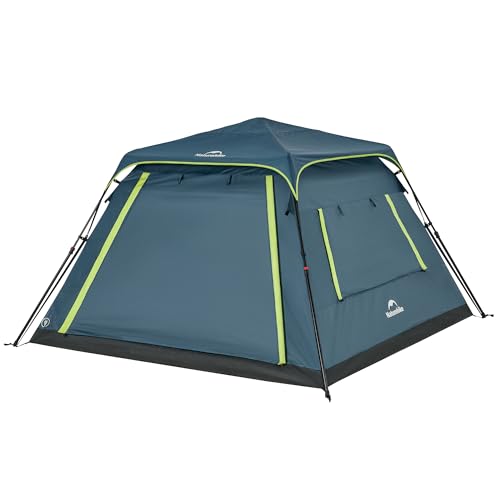
Naturehike Cape Lite Instant Cabin Tent
The Details Behind The Selections
The Lynx earns the top slot here because it threads a needle most budget shelters can’t: it stays light enough to strap onto a multi-day pack while keeping the layout familiar to anyone who has used a classic dome tent. The two-pole rectangular shape with pole clips means you’re basically unfolding and clipping rather than threading fabric through sleeves, which matters when the rain starts halfway through setup.
Where the Lynx differs from heavier fiberglass-pole competitors in this price range is the aluminum pole set. Aluminum cuts weight and holds up better to repeated flexing, though you may still want to anchor the rainfly taut on windy ridges since the rectangular footprint catches crosswinds more than a low-profile tunnel.
What Earns Its Place
- Aluminum poles trim meaningful weight from the packed bundle
- Pole-clip attachment speeds up pitch in fading daylight
- Mesh-heavy walls keep airflow moving on humid summer nights
- Fits two sleepers plus a small gear pile in the vestibule
Trade-Offs Worth Noting
- Not the lightest option in the roundup for ultralight purists
- Rainfly tension may need readjusting after overnight wind
Right Fit For
Weekend backpackers moving from entry-level gear toward lighter setups without jumping to premium pricing.
Consider Something Else When
Solo travelers counting every gram should look at the Dragoon Unlimited Ridgeback One-Person Tent, which trims further down for single-occupancy trips.
Shifting gears from trail miles to driveway camps, the Naturehike Village leans into the car-camping side of the category. The cabin silhouette stands tall enough that most adults can stand inside to change clothes, which sounds minor until you’ve spent a weekend hunched over in a low dome.
The 150D Ti Black Technology Fabric (a denser polyester weave treated for UV and water resistance) gives the shell more substance than ultralight shelters, with a waterproof rating measured at PU 2000mm. That headline number means the coating can hold back a 2000mm column of water before leaking, which is plenty for steady rain though not for submersion. The pre-attached pole design folds out from the bag in roughly a minute, so setup happens before the cooler is unpacked.
What Makes Sense
- Standing-height interior avoids the crouch-and-crawl routine
- Full-coverage rainfly shields occupants during sideways storms
- Available in both 4-person and 8-person footprints
- Strong fabric density resists abrasion at established sites
Honest Caveats
- Heavier packed weight rules out backpacking use
- Larger footprint demands a flat, roomy campsite pad
- Bulk when stored requires a vehicle-sized cargo area
Best Suited To
Families with young kids or anyone running base-camp trips where comfort matters more than pack size.
Look Elsewhere When
Backpackers covering real distance should pick the ALPS Mountaineering Lynx, since the Village is built for drive-up sites only.
The Cape tackles a real frustration: the gap between pulling into camp and actually relaxing. Pre-attached poles with an automatic structure mean the tent unfolds and locks into place in roughly sixty seconds, so the kids aren’t standing in the dirt waiting while you wrestle pole segments.
Compared to the Village reviewed just above, the Cape trades some interior density for taller ceiling clearance and a slightly different floor geometry. The 190T polyester shell carries a PU3000mm waterproof coating, which handles heavier downpours than entry-level rainflies. Owners commonly report that folding the tent back into its carry bag takes more practice than the setup itself, so plan to do a dry run in the driveway.
What It Does Well
- Setup time rivals pop-up canopies without the floppy feel
- Stronger waterproof rating than most budget instant tents
- Tall ceiling accommodates standing and changing
- Multiple size options fit small and large groups alike
Points To Keep In Mind
- Repacking requires patience until you learn the fold pattern
- Bulk limits transport to vehicles with real cargo space
Who Should Grab It
Anyone arriving at camp after dark who wants the shelter standing before the lantern comes out.
Skip It When
Couples packing into a smaller vehicle will find the Naturehike Cape Lite more manageable for similar quick-pitch convenience.
Pulling away from family-sized options, the Ridgeback steps into the ultralight solo category with a design aimed at bugout bags, survival kits, and minimalist overnights. Packed weight lands around 5.5 pounds including the Y-style stakes, which keeps it in the conversation for backpackers who refuse to compromise on space.
The shelter stretches roughly 42 inches at the head and 90 inches along the floor, which sounds tight until you sit inside and realize it’s roomier than a bivy sack without the coffin-style confinement. Where this differs from the ALPS Mountaineering Lynx is scope: the Lynx is built for two sleepers and longer trips, while the Ridgeback is purpose-built for one.
Points In Its Favor
- Packed weight keeps solo miles manageable
- Generous interior dimensions for a one-person shelter
- Doubles as emergency or bugout shelter at home
- Y-style stakes grip soft ground better than basic pegs
Some Limits To Know
- Cramped for any second occupant on long stays
- Single-wall construction may collect interior condensation in cold snaps
Whose Trail It Belongs On
Solo backpackers and preppers wanting one shelter that covers both trail nights and emergency use.
A Better Fit Elsewhere
Anyone camping with a partner should pick the ALPS Mountaineering Lynx for the extra interior room.
The KOTA pulls a clever trick by splitting into modular pieces. The inner mesh tent stands alone for warm nights when you want to stargaze through the ceiling, the outer rainfly works as a sun or rain canopy at the picnic table, and together they form a proper four-season shelter for shoulder-season trips.
The 75D 210T polyester shell with a waterproof 3000mm rating handles rougher weather than the single-layer options earlier in this list. Vestibules and porch extensions add covered storage outside the sleeping area, which keeps wet boots out of the main tent floor. Owners commonly note that the double-layer design takes longer to dry after a rainstorm, so storing it damp invites mildew.
A Few Highlights
- Modular layers adapt to season and weather
- Heavy-duty fabric outlasts thinner ultralight shells
- Vestibules expand usable space beyond the sleeping footprint
- Multiple size options scale to family headcount
Practical Considerations
- Drying time after wet weather is longer than single-layer tents
- Heavier packed weight suits vehicle access only
- Larger folded size requires a roomy storage area at home
Key Product Details
Made For
Families who camp across multiple seasons and want one shelter that adapts from summer to shoulder weather.
Reach For A Different Pick When
Shoppers focused on car-camping ease alone should consider the Naturehike Cape, which sets up in roughly a minute with fewer parts to manage.
The Cape Lite wraps up the roundup by trimming weight from the cabin-tent format, sitting between the heavier Village and a pure backpacking shelter. The roughly 101.5 x 101.5 inch floor fits a queen-size mattress with room to spare, and a 62.2-inch peak height lets most campers stand upright inside.
Setup follows the same pre-attached pole pattern as the Cape, so pitch time lands in the same one-minute neighborhood. Where the Lite differs from the full Cape is material weight and packed size, which makes it friendlier for smaller vehicles and shorter carry distances from the parking lot. Depending on how rough your typical sites are, you may find the lighter fabric needs more careful handling around sharp branches.
Strengths Worth Knowing
- Lighter cabin option for occasional family trips
- Queen-mattress footprint fits two adults comfortably
- Quick pitch mirrors the larger Cape sibling
- Smaller packed size fits compact SUVs and crossovers
Where It May Fall Short
- Not as weather-tough as the double-layer KOTA
- Four-person rating feels tight for two adults plus gear
Perfect Match For
Couples and small families who camp a handful of weekends per season and value fast setup over heavy-duty weatherproofing.
Swap It Out When
Outings in cold or wet shoulder seasons call for the Naturehike KOTA, which carries a stronger waterproof rating and modular layers.
What To Weigh Before Choosing A Lightweight Shelter
Pack weight drives most of the decisions in this category, but it isn’t the only spec that matters. Start by matching the tent to your primary trip type, since the right shelter for a thru-hiker looks nothing like the right shelter for a family base camp.
Match Capacity To Your Real Headcount
Manufacturer ratings assume tight packing with no gear inside. For two adults plus backpacks, a three-person tent usually feels comfortable, while a two-person model works for snug trips or a solo traveler who wants room to spread out. Cabin-style options with vertical walls make a smaller person count feel roomier than the dome equivalents.
Read The Waterproof Rating Carefully
A PU coating rating of 1500mm handles light rain, while 3000mm handles steady downpours. Anything below 1000mm tends to leak under seam stress even in mild weather. Higher numbers also mean heavier fabric, so balance waterproofing against the weight you’ll carry.
Consider Setup Speed And Pitch Pattern
Pre-attached pole systems slash pitch time but limit customization on uneven ground. Traditional clip or sleeve poles take longer but adapt better to rocky sites. Practicing setup at home before the first trip avoids the dark-camp frustration that drives most first-timers to instant-tent designs.
Watch The Packed Size And Weight
The lightest shelters in this roundup sacrifice interior space and weather protection. Mid-weight options often hit the sweet spot for backpackers covering moderate distances, while the heavier end of the category belongs at drive-up campsites where weight doesn’t matter.
Key Considerations Across These Picks
Common Shopping Slip Ups
The biggest miss is buying a two-person tent for two adults plus gear, then realizing nobody can sit up without bumping the wall. The second is underweighting waterproof ratings for shoulder-season trips, where rain arrives sideways and lingers. Always check seam taping and floor material, since a high coating rating on leaky seams fails fast in real weather.
Where The Extra Money Goes
Stepping up to premium ultralight shelters typically means Dyneema (an ultra-strong, ultra-light composite fiber) or higher-denier silnylon fabrics, taped seams by default, and pole sets engineered to shed ounces without sacrificing flex. For weekend trips in mild weather, the savings in this roundup make more sense than chasing the premium tier. For multi-week trails where every gram compounds, the upgrade pays back in comfort and fatigue reduction.