
A two-person tent covers a lot of ground in your packing list: weekend backpacking trips, festival weekends, spontaneous backyard overnights with the kids, and shoulder-season car camping when the weather gets moody. The right shelter weighs little, pitches fast, and keeps you dry through the kind of storm that sends less-prepared campers to the car at 2 a.m. The picks below balance cost, weight, weather protection, and livability, so the shelter earns its place on your trip and in your gear closet.
The Essentials At A Glance

ALPS Mountaineering Lynx 2-Person Backpacking Tent

Naturehike Village Instant Tent with Full Rainfly
Naturehike Cape 4/6/8 Person Instant Tent

MSR Tents Elixir 2
Naturehike KOTA Double Layer Family Tent
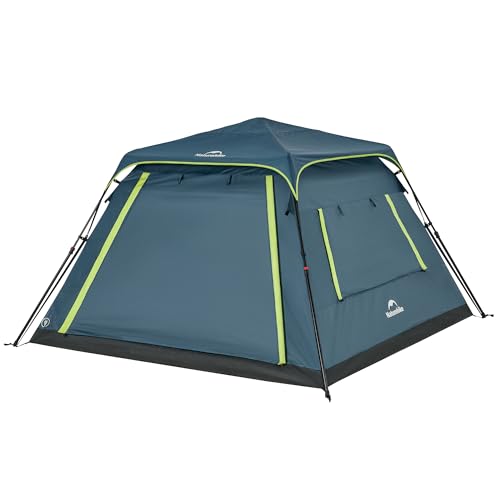
Naturehike Cape Lite Instant Cabin Tent
A Deeper Look At The Lineup
The ALPS Mountaineering Lynx 2-Person carries the kind of silhouette hikers have trusted for years: a low, rectangular dome that sheds wind, fits on narrow tent pads, and stays out of the way when you’re cooking at the vestibule. Two-pole geometry and pole-clip attachments keep the pitch sequence short enough for a tired arrival at camp, and the aluminum poles keep trail weight manageable. Compared with the bigger Naturehike cabins later in this list, the Lynx is a stripped-down shelter built for mileage, not lounging.
For backpackers watching every ounce, the Lynx delivers familiar geometry without fiberglass-pole bulk. The mesh-heavy sidewalls trade a touch of warmth for genuine airflow on muggy summer nights. That shape also means you can usually split the weight between two packs without anyone grumbling.
The Practical Payoff
- Aluminum poles keep trail weight down versus fiberglass alternatives
- Two-pole dome design pitches quickly in fading daylight
- Mesh-dominant walls move a lot of air on warm nights
- Familiar rectangular footprint fits standard sleeping pads
Things To Consider
- Two-person capacity is snug for tall campers sharing the floor
- Mesh walls trade warmth, so shoulder-season use means layering
Feature Snapshot
Right Fit For
Backpackers covering real miles who want a familiar dome shape, light poles, and a sub-budget price.
Reach For A Different Pick When
Roomy car camping matters more than weight, in which case the Naturehike Village Instant Tent trades trail-ready form for family-sized cabin comfort.
The Naturehike Village is a different animal from the Lynx: a tall-wall cabin with near-vertical sides that lets grown adults stand up straight, change clothes, and shuffle around without crawling. Pre-attached poles collapse outward like an umbrella frame, so the pitch becomes an unwrap-and-lift motion rather than a tent-building project. The 150D Ti Black fabric with a PU 2000mm+ coating puts a serious rain barrier over your sleeping setup, which matters for car campers stuck under a stubborn sky.
Two capacities, 4-person and 8-person, give you room to match the cabin to your crew. The 4-person version suits parents with one or two kids and a dog; the 8-person handles multi-family outings or car-camping friends who don’t mind sharing space. Just know this tent’s value comes from its standing headroom, not from packable trail weight.
What Makes Sense
- Standing headroom makes mornings and bedtime dramatically easier
- Full-coverage rainfly handles sustained wet weather without panic
- Two size options (4P and 8P) scale to different group sizes
- Pre-attached poles shorten setup to a single motion
Worth Noting
- Bulk and weight rule out backpacking; this is car camping only
- The footprint demands a level, debris-free pad of suitable size
Feature Snapshot
Whose Shelf It Belongs On
Families who car camp in state parks or established campgrounds and want a shelter that sets up in roughly a minute.
A Better Fit Elsewhere
Solo or duo backpackers should look at the ALPS Mountaineering Lynx instead, since the Village’s bulk is wasted on the trail.
The Naturehike Cape brings the tunnel-tent footprint into the instant-pitch conversation. Long, low walls maximise usable floor area without demanding the same square footage as a tall cabin, which helps on sites with tight tree lines. The 60-second setup claim matters most when you roll into camp late, in drizzle, or with small kids already cranky from the drive. The 190T polyester shell (a tightly woven fabric measured in thread count, where higher numbers mean denser weave) carries a waterproof coating to keep the interior dry through passing showers.
Three capacity options (4-person, 6-person, 8-person) give you flexibility for everything from a couple with gear to a multi-family weekend. The tunnel shape means staking matters: owners commonly report that a taut pitch keeps the fabric quiet in wind.
A Strong Showing
- Tunnel layout fits narrow or tree-shaded sites better than square cabins
- Three capacity options cover couples through large groups
- Pre-attached poles mean you skip the sorting-and-snapping step
- Generous internal height lets most adults sit upright
Trade Offs
- Tunnel tents depend on taut stakes to stay quiet in wind
- Pack size is friendlier than a cabin but still too bulky for hiking
- Two doors and good cross-ventilation require careful site selection
Best Suited To
Group campers who arrive late and value pitch speed over the standing room of a tall cabin.
Swap It Out When
You want the tallest, most vertical walls on this list, which makes the Naturehike Village the better pick for that scenario.
The MSR Elixir 2 leans into the backcountry niche the Lynx serves, with a different geometry and a different price conversation. A true rectangular floor plan and near-vertical walls mean wide, thick sleeping pads slide in without diagonal gymnastics. The 75% polyester / 25% nylon blend balances UV resistance with tear strength, the kind of mix that holds up to years of stuffing and unstuffing. Strategic mesh panels manage condensation, the moisture that builds up inside any tent when warm, humid breath meets cooler fabric, without turning the shelter into a screen porch.
This is the pick for backpackers who count grams, log serious miles, and want a shelter built by a brand with decades in the category. A built-in gear loft keeps headlamps and keys off the floor, which sounds minor until you’re hunting for your phone at midnight.
Strengths Worth Knowing
- Rectangular floor plan fits wide pads without wasting corner space
- Near-vertical walls boost livable floor area
- Polyester/nylon blend resists UV wear and tear
- Built-in gear loft keeps small items off the sleeping surface
Honest Caveats
- Sits at a noticeably higher price than the budget picks above
- Mesh placement trades interior warmth for airflow in cold shoulder seasons
Quick Facts
Who Should Grab It
Backpackers logging real miles on multi-day routes who want a shelter they can trust in mixed weather.
Look Elsewhere When
Budget matters more than build refinement, in which case the ALPS Mountaineering Lynx covers the same use case at a lower price.
The KOTA is the most modular shelter on this list, a true two-layer design that pulls double duty. The 75D 210T polyester shell carries a 3000mm+ waterproof rating (the millimetres of water pressure the coating holds back before leaking), with the inner mesh tent and outer rainfly usable separately. In summer, the mesh inner alone gives you a stargazing shelter; in shoulder seasons, the rainfly stands alone as a canopy or cook shelter; in winter, both layers combine for proper insulation and weather protection.
The trade-off is complexity: more pieces means more time at the truck, and more to dry thoroughly before storage. For campers who actually rotate their shelter through the seasons, that modularity earns its weight.
Real-World Strengths
- Inner mesh and outer fly both function as standalone shelters
- Higher waterproof rating handles serious sustained rain
- Vestibule and porch extend usable covered space
- Three capacity options fit different family sizes
A Few Limitations
- More components mean a longer, more careful pitch
- Drying both layers thoroughly before storage takes real time
Made For
Year-round campers who want one shelter that adapts across seasons and trip styles.
Consider Something Else When
You only camp in summer and want the fastest possible pitch, which makes the Naturehike Cape Lite the simpler choice.
The Cape Lite rounds out the family-camping conversation with the simplest pitch on the list. The 101.5 × 101.5-inch floor accepts a queen-size mattress without forcing anyone to sleep diagonally, and a 62.2-inch peak height lets most adults stand upright inside. Pre-attached poles shorten setup to roughly a minute, which is the real story here: you arrive, you pop the cabin open, you start dinner.
Compared with the Naturehike Village earlier in this list, the Cape Lite leans more compact and lighter to haul. You give up some interior space and the heaviest weather protection, in exchange for easier handling at the campsite.
Standout Benefits
- Queen-mattress-friendly footprint keeps sleeping arrangements simple
- 62.2-inch peak height lets most adults stand inside
- Pre-attached poles make setup a single motion
- Smaller packed size than larger cabin alternatives
Points To Keep In Mind
- Lower waterproof rating than the Village or KOTA for heavy storms
- 4-6 person capacity fills up fast with real-world gear
Feature Rundown
Perfect Match For
Car campers who want standing headroom and a queen-size-friendly floor without hauling the largest cabin on the list.
Where Another Pick Suits Better
You face serious sustained rain on your trips; the Naturehike KOTA’s heavier weather rating earns its extra complexity in that scenario.
What To Weigh Before Picking Affordable Two Person Tents
Capacity honesty matters most. Manufacturers rate tents by the number of sleepers who fit shoulder-to-shoulder on flat pads, not the number who actually fit comfortably with gear. A “two-person” tent often sleeps one person plus a dog, or two people who already know each other well. Subtract one from the printed capacity if you want elbow room.
Weather rating beats weight on the spec sheet. The waterproof rating tells you how much water pressure the coating withstands before leaking. Anything around PU 2000mm or higher handles typical rain; PU 3000mm+ earns its keep in serious storms. Weight matters when you carry the tent, but a soaked sleeper cares about the coating first.
Season count changes your pitch. Three-season tents handle spring through fall with mesh and ventilation; four-season shelters add pole structure and reduced mesh for snow loading. If you camp above tree line or in shoulder-season cold, the season rating matters more than capacity.
Setup style fits your arrival mood. Pre-attached poles cut pitch time to roughly a minute, which helps late arrivals and parents juggling kids. Traditional pole-and-clip designs pack smaller and lighter, which helps backpackers counting grams.
Key Considerations Across These Picks
Where Shoppers Go Wrong
The classic mistake is buying on listed capacity alone. Tents rate how many warm bodies fit at floor level; they don’t account for backpacks, dogs, or the desire to sit up without a sloping ceiling overhead. A second common slip is ignoring the waterproof rating: a PU-coated shell at 1500mm handles drizzle but not a multi-day storm, and that difference matters when the forecast shifts.
What The Higher Tier Buys
Stepping up to the MSR Elixir 2 buys refined geometry, a rectangular floor plan that fits wide pads, near-vertical walls that add livable space, and a brand with decades of backcountry credibility. You’re paying for tighter tolerances, better fabric blends, and a shelter that’s expected to last many seasons. For casual car campers, that upgrade is hard to justify; for backpackers logging real miles, the extra cost buys reliability you can feel in nasty weather.
Frequently Asked Questions
What size tent fits two adults comfortably?
Look for a tent rated 3-person or larger if you want two adults plus gear to move around without bumping elbows. A strict two-person shelter works for couples who already sleep close together and pack light, but solo-plus-gear setups are where two-person tents really shine.
How important is the waterproof rating?
It matters a lot. PU 2000mm+ handles typical rain without drama, and PU 3000mm+ earns its keep in sustained storms. Cheaper coatings may hold up for a season or two before the factory treatment fades, so a higher starting rating usually means longer-lasting weather protection.
Can instant tents handle wind as well as traditional designs?
Instant tents use hinged or telescoping poles that hold up well in moderate wind, but a taut stake pattern matters more than pole style. Owners commonly report that any instant tent feels flappy if stakes are loose, and solid if the lines are tensioned properly.
Are two-person tents OK for car camping?
Yes, though a family cabin like the Naturehike Village or Cape Lite offers more standing room and easier gear spread. For couples or solo-plus-dog trips, a backpacking-style two-person tent works fine at a car camp.
How long does a budget tent usually last?
With reasonable care, drying the fabric before storage and patching small punctures early, most budget tents serve two to four seasons of regular use. Premium shelters last longer, but the gap closes quickly when you store any tent properly.
Final Verdict
The right affordable two-person tent depends on whether you carry it on your back or drive it to the campsite. Backpackers get the most value from the ALPS Mountaineering Lynx and the MSR Elixir 2, depending on how much refinement they want. Car campers gravitate toward the Naturehike Village, Cape, Cape Lite, and KOTA, where standing headroom and pitch speed matter more than trail weight. Match the shelter to the trip you actually take most often, and the rest of the decision tends to take care of itself.