
Camping on a tight budget used to mean a soggy night in a leaky tube of nylon. The affordable tents covered here flip that script, pairing durable frames with weatherproof shells at prices that leave room in the kit for a decent sleeping pad. Whether you’re furnishing a backyard for the kids, picking up a shelter for weekend car camping, or building a survival-ready bugout bag, there’s something below that fits the bill without forcing a compromise on the basics.
The Shortlist At A Glance

Coleman Kids Wonder Lake Tent with Rainfly

ALPS Mountaineering Lynx 2-Person Backpacking Tent

ALPS Mountaineering Lynx 1-Person Tent
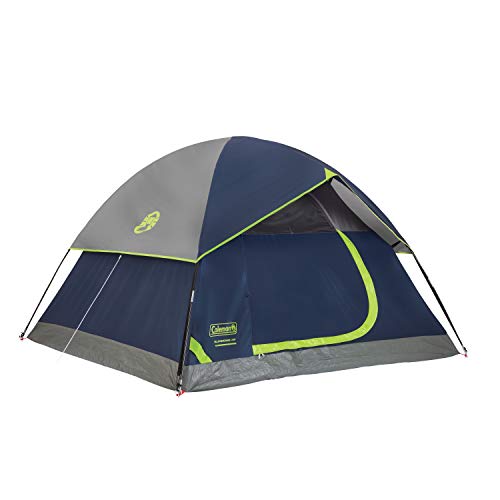
Coleman Sundome Camping Tent

EAGLE PEAK 10×10 Pop Up Canopy, Blue

COOS BAY 10×10 Pop Up Canopy, Blue

COOS BAY 10×10 Pop Up Canopy, Dark Blue
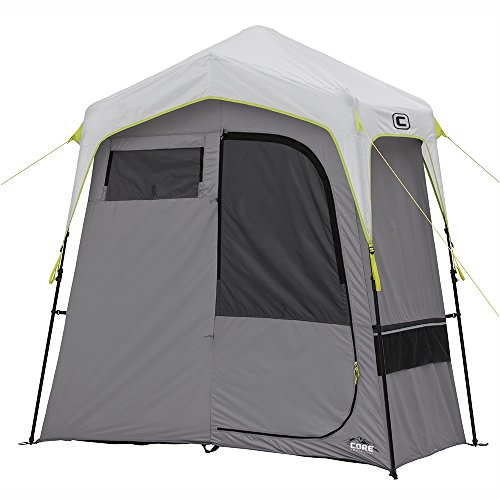
CORE Instant Camping Utility Shower Tent

Dragoon Unlimited Ridgeback One-Person Tent

COOS BAY 10×10 Pop Up Canopy, White
Taking A Closer Look At The Options
For kids who treat the backyard like a national park, the Wonder Lake turns camping into a glow-in-the-dark adventure. The polyester shell, welded corners, and inverted seams (where seams are flipped so water runs off rather than pooling in the stitching) work together with the included rainfly to keep a sudden summer shower from ending the night early. The frame is rated to stand up to 35+ mph winds, which is reassuring when a thunderstorm rolls through after bedtime.
Setup clocks in around ten minutes with a conventional pitch (a classic two-pole design where crossed poles form the roof), and the 7-foot by 4-foot footprint fits two kids comfortably with room for a small sleeping bag or two. At 3 feet of center height, this is a crawl-in, sit-up space, not a stand-up tent, which actually matches how kids tend to use it. A carry bag comes included for storage between weekends.
Everyday Wins
- Glow-in-the-dark fabric turns the tent into a midnight lantern, cutting down on flashlights and adding real novelty.
- Welded seams and rainfly handle typical spring and summer storms without leaking through the floor.
- Conventional pole pitch is intuitive enough for older kids to help with setup.
- Carry bag included, so the tent packs cleanly into a closet between camping weekends.
- Polyester shell wipes clean with a damp cloth after a muddy weekend.
Things To Consider
- At 3 feet of center height, taller kids or adults will spend most of their time crawling or sitting.
- Two-person capacity is tight for two adults; expect a snug fit even with kids.
- Worth checking seams after storage, since polyester can develop small wear points if stored damp.
Built With In Mind
Children ages 4 to 12 who want a “real” tent of their own for backyard sleepovers and introductory campouts.
Where Another Pick Suits Better
For a family of four who want a stand-up shelter, the Coleman Sundome Camping Tent offers more usable interior space at a similar price point.
The Lynx 2 trades the fiberglass poles found on cheaper tents for aluminum ones, a meaningful upgrade if you’ve ever snapped a pole on a windy ridge. The rectangular dome shape uses two main poles with clips (small clamps that grab the pole rather than threading fabric through sleeves) to make pitching straightforward, even with cold fingers or a headlamp clipped to your hat. Mesh covers roughly half of each sidewall, which keeps the interior cool on humid nights and reduces condensation buildup.
This is a freestanding tent (it stands on its own without stakes, so you can reposition it before anchoring), which matters when the ground is rocky and stakes refuse to bite. Two doors and two vestibules (covered porches over the doors that keep boots and packs dry) make shared camping with a partner less of a logistical puzzle. Compared to the family-style Coleman above, this is a real backpacking shelter with the weight and packability to match.
The Upside
- Aluminum poles handle repeated use and rough handling better than fiberglass on entry-level tents.
- Mesh-heavy walls let cross breezes flow through, which is a quiet luxury on warm summer trips.
- Two-door design means you and your tent partner stop climbing over each other at 2 a.m.
- Freestanding geometry makes site selection easier on hard or sandy ground.
Honest Caveats
- Two-person rating assumes a snug fit, so two adults plus a dog will feel cramped.
- Aluminum and freestanding design add some weight compared to trekking-pole shelters (tents that use your hiking poles as part of the frame to cut weight).
- Mesh walls trade privacy and warmth for ventilation, so shoulder-season use calls for a layering strategy.
Best Suited To
Backpackers and budget-conscious campers who want a genuine trail-capable tent for two, not a glorified car-camping shelter.
Consider Something Else When
Solo hikers packing light should look at the ALPS Mountaineering Lynx 1-Person Tent, which strips the second door and vestibule for a lighter pack.
The single-person version of the Lynx shrinks the trail footprint without sacrificing the upgrades that matter. Aluminum poles, pole clips for fast pitching, and the same mesh-heavy wall design carry over from the two-person model, making this a true solo shelter rather than a chopped-down family tent. Extra-large #8 zippers (a stout zipper size known for resisting snags under tension) on the door and vestibule are a thoughtful touch when you’re fumbling with gloves or a pack in the way.
Freestanding construction means you can set the tent up, walk around it, then stake it down once you’ve found a flat spot. The mesh walls, like its bigger sibling, favor warm-weather and three-season use over deep winter. For solo backpackers stepping up from an ultralight bivy (a thin, floorless or minimal-floor cover that hugs close to the ground) or a tarp, this hits a sweet spot of comfort and weight.
Everyday Advantages
- Mostly mesh walls keep condensation low and let stargazing happen from inside the tent on clear nights.
- Compact packed size fits in a backpack without dominating available space.
- Freestanding aluminum frame simplifies setup on uneven terrain.
Trade Offs
- One-person capacity is honest; pack and boots live in the vestibule, not at your feet.
- Mesh-heavy build limits cold-weather use without added insulation.
- Lighter-weight trekking-pole shelters exist for hikers counting every ounce.
Made For
Solo backpackers and weekend hikers who want a comfortable, breathable shelter without paying ultralight premiums.
Look Elsewhere When
Anyone planning to bug out with a partner or family should pick the ALPS Mountaineering Lynx 2-Person Backpacking Tent for its two-door layout.
The Sundome is one of those tents that quietly shows up at state park campgrounds across the country, and for good reason. The WeatherTec system bundles welded floors, protected seams, and a covered vent that helps keep rain from creeping inside during a windy night. Continuous pole sleeves and snag-free sleeves make pitching simpler than older Coleman designs, even for first-time campers.
Where the Lynx above aims at backpackers, the Sundome settles comfortably into the car-camping niche. It’s roomier per dollar, easier to set up at a developed site with a flat pad, and forgiving enough to survive years of family trips. For campers who measure success by a dry floor and a standing-up interior, this hits the brief.
Positive Takeaways
- WeatherTec rain protection handles typical campground thunderstorms without soaking the floor.
- Continuous-pole design and snag-free sleeves speed up setup for beginners.
- Generous interior height compared to kids’ tents, making it comfortable for adults.
Worth Bearing In Mind
- Heavier and bulkier than the backpacking-focused Lynx series, so it stays in the car.
- Fiberglass poles are more prone to cracking on cold nights than aluminum alternatives.
- Storage space is limited for extended trips with multiple campers.
Who It Suits Best
First-time family campers and weekend car campers who want an affordable, no-drama shelter that pitches quickly at established sites.
Swap It Out When
Backpackers needing a sub-five-pound shelter should reach for the ALPS Mountaineering Lynx 2-Person Backpacking Tent instead.
A canopy isn’t a sleeping shelter, but for anyone hosting outdoor gatherings it’s hard to overstate how much a 10-by-10 footprint changes the day. The EAGLE PEAK uses a center-push design that walks out from a single bag in seconds, which means one person can set it up while guests are still parking. The straight-leg design (legs that drop vertically from the corners rather than angling outward) maximizes shade under the canopy, useful when the afternoon sun is the real enemy.
The blue top blocks UV and cuts glare, and a vented peak at the top helps hot air escape instead of pooling under the canopy. Compared to the family camping tents earlier in this roundup, this lives a completely different life: it’s the structure you put over the picnic table, not the structure you sleep in.
The Helpful Details
- One-person center-push setup saves time at crowded tailgates and parties.
- 10×10 footprint fits a standard picnic table with room for chairs around the edges.
- Vented roof design reduces the greenhouse effect on hot days.
Trade-Offs To Consider
- Not designed for rain or overnight use, so plan to take it down before storms.
- Sandbags or stakes become essential on windy days to prevent damage.
- Storage between uses requires a dry garage space to prevent mildew on the fabric.
The Right Fit
Party hosts, tailgaters, and small-event organizers who want fast shade without renting a tent from a local vendor.
A Better Fit Elsewhere
Camping families needing an actual sleeping shelter should look at the Coleman Sundome Camping Tent for rain-tested coverage.
COOS BAY takes the same basic pop-up canopy concept as the EAGLE PEAK above and trims the setup path further. The center-push mechanism opens in seconds without tools, which matters when you’re unloading a tailgate at sunrise. The 10×10 base sits on an 8×8 top, meaning the legs angle outward slightly, a geometry that improves stability on grass while still covering a useful square of shade.
A carry bag comes standard, and the lightweight frame folds down small enough for most sedan trunks. UV-resistant and weather-rated fabric extends its usable range beyond pure-sunny days. For folks who want a grab-and-go canopy without premium pricing, this lands in a familiar sweet spot.
Key Advantages
- Tool-free center-push setup means less fumbling and faster shade.
- Lightweight folding frame fits a sedan trunk with room for coolers.
- Carry bag included, so the canopy travels as a single unit.
- UV-resistant top fabric holds up better under repeated sun exposure.
Minor Gripes
- Angled legs reduce usable shade at the corners compared to straight-leg designs.
- Wind performance depends heavily on proper staking or weighting.
Best Suited To
Tailgaters, beach-goers, and casual day-event hosts who want portable shade without renting equipment.
Skip It When
Anyone needing maximum shade coverage should pick the EAGLE PEAK 10×10 Pop Up Canopy, whose straight-leg design wastes less square footage.
The dark-blue version of the COOS BAY canopy shares the same frame and setup as its lighter sibling, but the deeper color changes how it performs in the sun. Darker fabric absorbs more solar energy, which translates into a more effective sunshade underneath on bright days, while still shedding the glare that lighter tops can bounce around. It’s a subtle shift that matters most when you’re hosting during peak afternoon hours.
For most users, the choice between blue and dark blue comes down to aesthetics and how much direct sun you expect. Darker tops can show fading over time more visibly than lighter colors, which is something worth weighing if the canopy lives outside full-time.
Positive Points
- Darker top fabric improves shading under direct afternoon sun.
- Same fast center-push setup as the lighter COOS BAY model.
- Carry bag and folding frame keep transport simple for day trips.
Things That May Matter
- Darker fabric can fade visibly after a season of heavy UV exposure.
- Heat absorption under the canopy rises slightly compared to lighter tops, so ventilation matters.
Who Should Grab It
Hosts setting up in exposed, sun-drenched locations where shade quality matters more than visual brightness.
Reach For A Different Pick When
Anyone prioritizing a cooler, reflective surface should pick the COOS BAY 10×10 Pop Up Canopy in white instead.
The CORE Utility Shower Tent solves a specific problem: privacy at camp when the only flat ground is also the only place with sun. Pre-attached poles lock into place in under a minute, so a pop-up changing room takes less setup than a tent, which makes it practical even when the sun is moving. A zip-in divider panel lets you split the interior into separate shower and changing areas, useful for couples or families sharing camp hygiene duties.
H20 Block Technology with 1200mm water-repellent fabric (the 1200mm rating refers to a hydrostatic head measurement, meaning the fabric can resist a 1200mm column of water before leaking) keeps splashes contained, and sealed seams plus a fully taped rainfly protect against light rain. Guylines (extra cords that anchor the tent outward from the corners for stability) and steel stakes add stability when wind picks up unexpectedly. Mesh walls handle ventilation so the interior doesn’t turn into a steam room.
Where It Delivers
- Pop-up design with pre-attached poles means setup is genuinely under a minute.
- Zippered divider creates a separate shower stall and changing room.
- H20 Block fabric and sealed seams keep water where it belongs.
- Mesh walls prevent the sauna effect during warm-weather trips.
Soft Spots
- Floorless by design, so adding a ground tarp helps on muddy or thorny sites.
- Interior height is functional but not generous, depending on your height and patience.
Whose Shelf It Belongs On
Campers, overlanders, and beach-day hosts who need a private changing or shower space at sites without permanent facilities.
Where A Sibling Pick Shines
For overnight sleeping, the Coleman Sundome Camping Tent is the more practical shelter, since the CORE model is built around daytime privacy.
Solo tents usually mean a bivy-sized space where an adult sits upright only with effort. The Ridgeback flips that script with 42 inches of headroom and 90 inches of legroom, which is enough for an actual adult to sit up, change clothes, and move around without crawling. The 5.5-pound packed weight, including Y-style stakes (stakes with branching tops that grip soil better than straight stakes), makes it reasonable to carry in a real bugout bag rather than leaving it for car-only duty.
The waterproof build positions this as a survival shelter as much as a camping tent, and the interior is large enough for one person plus gear or, in an emergency, two people squeezed together. Setup is designed to be straightforward, which matters when conditions are stressful and your hands are cold. Compared to the family-friendly models earlier in this roundup, this is a focused tool for a specific scenario.
What Helps Most
- 42-inch headroom gives real sitting and changing room, unusual for one-person tents.
- 5.5-pound total weight including stakes is reasonable for a bugout loadout.
- Waterproof construction handles prolonged weather exposure during emergencies.
- Fits one person plus gear comfortably, with room to squeeze in a second adult.
Trade-Offs To Consider
- Heavier than ultralight bivy shelters for backpackers counting every gram.
- Single-person focus means it isn’t a substitute for family or group camping tents.
Who Will Love This
Preppers, overlanders, and emergency planners who want a compact, livable shelter that doubles as a capable camp tent.
Not Your Match When
Anyone camping as a couple should pick the ALPS Mountaineering Lynx 2-Person Backpacking Tent for proper two-person comfort.
The white-top COOS BAY shares the same frame, setup, and carry bag as the blue versions above. Where it differs is in how it handles the sun. White fabric reflects more light and absorbs less heat, which makes the underneath noticeably cooler on a baking-hot afternoon. For weddings, craft fairs, and outdoor markets running through peak daylight hours, that thermal difference adds up.
Light dirt shows more readily than on darker tops, but it also cleans up easily with a quick wipe-down. Like the other COOS BAY canopies, the angled-leg design trades a little usable corner shade for a stable footprint, and the center-push setup is fast enough for solo deployment.
What Makes Sense
- White top reflects heat, creating a cooler shaded space in strong sun.
- Same fast center-push design as the other COOS BAY canopies.
- Light-colored fabric wipes clean without special cleaners.
Honest Caveats
- Shows dirt and stains more easily than darker tops, which can matter at events.
- Reflects less direct light downward, so evening lighting under the canopy may feel dimmer.
The Right Fit
Venue hosts, market vendors, and daytime event planners who prioritize a cooler canopy interior over visual contrast.
Another Choice May Suit
For afternoon tailgates where deeper shade is the priority, the COOS BAY 10×10 Pop Up Canopy in Dark Blue absorbs more light and darkens the shaded area.
Picking A Shelter That Actually Fits Your Trips
Affordable tents cover a lot of ground, from backyard play structures to genuine backpacking shelters. The right pick depends on where you’re going, how you’re getting there, and what kind of weather you’ll likely face.
Capacity vs. Comfort
A tent rated for two people usually means two adults on pads with no room for gear. If you want to sit up, store packs inside, or share the space with a dog, plan for one person larger than the rating suggests. The Lynx 2 above is honest about this, while family-style tents like the Sundome offer more forgiving per-person space.
Materials And Weatherproofing
Polyester and nylon dominate this price tier, with polyester being slightly more UV-resistant and nylon lighter when dry. Sealed seams, welded corners, and a separate rainfly are the three upgrades that actually move the needle on staying dry. The hydrostatic head rating (the height of a water column the fabric can withstand before leaking, measured in millimeters; 1200mm handles most rain, 3000mm+ is serious storm territory) tells you how the fabric handles pressure, though a taped rainfly matters more than the raw number for casual camping.
Poles And Setup
Fiberglass poles are cheaper and heavier; aluminum poles cost a bit more but handle bending and cold better. For families and car campers, fiberglass is fine. Backpackers who pitch in the cold or after dark benefit from aluminum’s forgiveness. Pop-up designs sacrifice packability for speed, which is why canopies and shower tents use them while backpacking tents don’t.
Canopies As A Separate Category
Pop-up canopies solve a different problem than sleeping tents. They’re shade and shelter for daytime use, not overnight protection. Treat them as a complement to a real camping tent rather than a substitute, and they’ll earn their storage space in the garage.
Key Considerations Across These Picks
Common Shopping Slip Ups
The most frequent mistake in this category is buying a “2-person” tent and expecting two adults plus gear plus dog to fit comfortably. Manufacturers rate capacity for minimum sleeping space, not livable space. Up-sizing one person usually costs very little and changes the trip significantly.
The other trap is assuming a low price means cheap materials across the board. Some affordable tents cut features; others cut build quality. Reading past the marketing copy to spot welded seams, aluminum poles, and taped rainflies separates the genuinely good values from the ones that fall apart after a season.
What The Higher Tier Buys
Premium tents in this category typically add stronger fabrics (higher-denier counts, where denier measures fiber thickness, meaning thicker, more abrasion-resistant material), better zippers, more refined pole geometry, and lighter packed weights. The trade-off is roughly two to four times the price for what is often an incremental real-world improvement for casual campers.
Backpackers and serious three-season users benefit most from premium upgrades because they push gear harder. Weekend car campers and backyard users usually get everything they need from the picks above, with the difference going toward nicer sleeping pads or better camp cooking gear instead.
Frequently Asked Questions
What Is The Best Affordable Tent For Two People?
For trail use, the ALPS Mountaineering Lynx 2-Person Backpacking Tent offers aluminum poles and mesh-heavy walls at a backpacker-friendly weight. For car camping, the Coleman Sundome Camping Tent provides more interior space and easier setup, which matters more than trail weight at a developed campground.
Can Affordable Tents Handle Real Rain?
Most can, as long as you check for welded corners, inverted or taped seams, and a rainfly. The Coleman Sundome Camping Tent, ALPS Mountaineering Lynx series, and Dragoon Unlimited Ridgeback all include weatherproofing features that handle typical storms. Heavy, sustained rain still favors higher-denier fabrics and full-coverage rainflies found in pricier shelters.
Are Pop-Up Canopies The Same As Tents?
Not really. Pop-up canopies like the EAGLE PEAK and COOS BAY models above are daytime shelters designed for shade and light weather. They typically lack floors, full rain protection, and overnight-grade stability. They’re excellent for picnics, tailgates, and craft fairs, but a separate tent handles overnight duty.
What Is A Hydrostatic Head Rating?
It measures how much water pressure a fabric resists before leaking, expressed in millimeters. A 1200mm rating handles typical rain well, while 3000mm or higher suits serious storms. The CORE Utility Shower Tent’s 1200mm rating is appropriate for splash and spray, which is the realistic use case for a shower or changing enclosure.
How Do I Store A Tent So It Lasts?
Always dry the tent fully before packing it away, even if it means setting it up in the garage for an hour after a wet trip. Storing damp fabric invites mildew and degrades waterproof coatings. Loose storage in a breathable bag beats tight compression for long-term fabric health, though compression sacks are fine for transport between trips.
Closing Remarks
A good affordable tent is less about finding a magic bargain and more about matching the shelter to the trip. Backpackers get the most from the Lynx series, families get the most from the Sundome, and the canopies earn their space whenever a picnic table needs shade. Pick the use case that fits your weekends, and the rest usually sorts itself out.