
Camping shouldn’t require a second mortgage just to stay dry overnight. Plenty of capable, well-built tents exist at friendly price points, and the gap between entry-level and premium gear is narrower than most outdoor catalogs suggest. The picks below cover everything from inflatable canvas family shelters to quick-deploy pop-ups for festival weekends. Each one balances cost with the features that actually matter when you’re setting up camp after a long drive or a hard hike.
The Choices Worth Comparing

Coody Premium Inflatable Canvas Air Tent
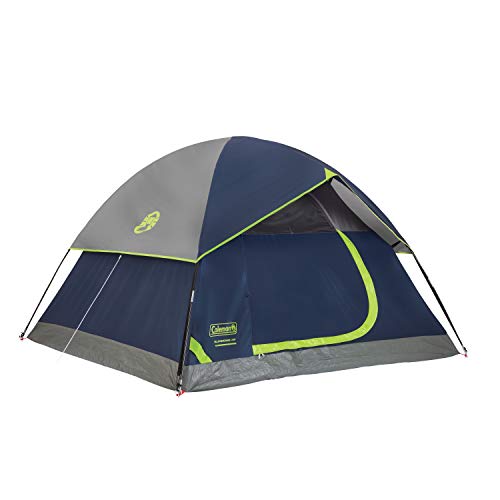
Coleman Sundome Camping Tent

Dragoon Unlimited Ridgeback One-Person Tent

The Strengths Of Each Pick
Where the Coleman below treats camping as a sleeping problem to solve, the Coody Premium Inflatable Canvas Air Tent treats it as a living problem. The frame uses inflatable air beams rather than rigid poles, so a single hand pump can stand the shelter up in minutes without the wrestling match traditional fiberglass poles demand. A built-in stove jack (a reinforced port that lets a tent-safe heater pipe vent safely outside) makes four-season use realistic, which is rare at this tier.
Breathable TC cotton-blend canvas (a poly-cotton fabric that manages interior condensation far better than thin nylon) keeps the interior noticeably less clammy on humid mornings. The trade-off is weight and pack size: this is a car-camping shelter, not a backpacker tent. Families running a basecamp out of an SUV will get the most from it.
Real Benefits
- Air-beam frame eliminates pole assembly, which speeds camp breakdown when weather rolls in.
- Canvas construction holds interior heat more evenly than thin nylon, useful around a wood stove.
- Integrated stove jack supports cold-weather camping without aftermarket modifications.
- Stand-up ceiling height lets adults move around without crouching during extended stays.
Things To Consider
- Bulk and packed weight rule out hiking more than a short distance from the parking area.
- Canvas needs thorough drying before storage to prevent mildew on the seams over time.
- Air beams require a pump and occasionally a patch kit on longer trips.
Key Specs
Right Fit For
Families and small groups running a basecamp out of a vehicle who want glamping comfort without a permanent setup.
Consider Something Else When
Backcountry hikers traveling more than a mile from their car should look at the lighter Dragoon Unlimited Ridgeback instead.
The Coleman Sundome has earned its place as the default first tent for a reason. The WeatherTec system layers welded seams, a covered vent, and a bathtub floor (a floor design where the waterproof material curves up several inches along the walls) to keep rain from sneaking in at the most common leak points. Setup uses continuous sleeve-and-clip pole attachments, which sounds technical but means snapping the fabric onto pre-threaded pole sections without threading each sleeve individually.
For a weekend at an established campground with the car parked nearby, this shelter handles weather that would send a cheaper tent home early. It’s the most straightforward pick here for anyone still learning what they actually need from a tent.
Key Advantages
- WeatherTec rain protection covers the most common leak points for casual campers.
- Continuous-pole design speeds first-time setup without step-by-step guesswork.
- Bathtub floor keeps pooled groundwater out during heavy overnight rain.
- Compact packed size fits easily in a trunk or back seat for road trips.
Worth Noting
- Single-pole geometry limits vestibule space (a covered entry area outside the sleeping pod) for gear storage in storms.
- Polyester fabric can feel stuffy on humid nights without leaving the windows open.
Built With In Mind
First-time campers and casual weekend travelers who mostly set up at developed campgrounds with their vehicle nearby.
Look Elsewhere When
Large families needing a standing-height common area will find more room in the Coody Premium Inflatable Canvas Air Tent.
Everything on this list so far assumes a car is part of the equation. The Dragoon Unlimited Ridgeback breaks that assumption by keeping the total packed weight at 5.5 pounds including stakes, while still offering 42 inches of headroom and 90 inches of legroom. A bivy-style tent (a low-profile single-occupancy shelter that blends tent and sleeping bag cover) tends to feel coffin-like; this one gives an adult room to sit up, change layers, and store gear inside.
The waterproof construction and Y-style stakes (angled ground anchors that resist pull-out in soft soil) point toward serious weather. It’s pitched toward solo backpackers, hunters, and anyone keeping emergency shelter in a vehicle for unexpected overnights.
Useful Highlights
- 42-inch headroom lets adults sit upright, unlike typical low-profile bivy shelters.
- 5.5-pound total weight remains realistic for multi-mile backcountry hauls.
- Y-style stakes hold position in loose soil where straight stakes pull loose.
- Single-person footprint packs small enough for panniers or external pack lash points.
Room For Improvement
- Tight interior width fits one person plus a pack, but leaves little buffer for two adults.
- Minimal vestibule space means wet gear stays in the sleeping area during rain.
Quick Facts
Made For
Solo backpackers, hunters, and preppers who need a packable, weather-capable single-occupancy shelter.
A Better Fit Elsewhere
Parents camping with kids should skip this and choose the Coleman Sundome for an easier shared setup.
The EchoSmile Instant Pop-Up Camping Tent solves a specific frustration: arriving somewhere after dark and dreading assembly. Released from its carry bag, the tent springs open on its own in seconds. Folding it back down takes a little practice, but the setup speed is hard to match at any price.
It’s offered in 2-, 4-, and 6-person configurations, which makes it a useful option for festival weekends, backyard sleepovers, or quick family car-camping trips where the priority is minimal effort. For serious weather or extended backcountry use, the other three picks are more capable.
The Good Stuff
- Pop-up design removes pole threading entirely for arrivals after dark.
- Multiple size options cover couples through larger family groups from the same product line.
- Lightweight build keeps packed weight reasonable for short walks from a parking lot.
- Lower price point suits one-off trips where long-term durability matters less.
Points To Note
- Folding the tent back into its round carry shape requires a learned technique and often a second pair of hands.
- Thinner fabric compared with the canvas Coody and reinforced Coleman builds.
Best Suited To
Festival-goers, casual car campers, and families wanting fast setup for one or two nights at a time.
Skip It When
Multi-week basecamp living or cold-weather camping is the plan, where the Coody Premium Inflatable Canvas Air Tent becomes the stronger choice.
What Matters Most Before Choosing Affordable Tents For Camping
Capacity vs. Real-World Comfort
Manufacturer “person” ratings assume everyone is packed in shoulder-to-shoulder like a subway car. For genuine comfort, sizing up by one person over the stated group size is a sensible rule. A tent labeled for four usually sleeps two adults and a dog without feeling cramped, while four adults will be testing everyone’s patience.
Weather Resistance Where You Actually Camp
Check the forecast history for your usual destinations before paying for four-season features you won’t use. Campers sticking to summer weekends at low elevation rarely need heavy snow handling. Campers heading into spring shoulder seasons or exposed ridgelines should prioritize sealed seams, bathtub floors, and vestibule space for wet gear.
Weight and Pack Down for Your Travel Style
A 25-pound family tent doesn’t matter when it lives in a car trunk. A 5-pound solo shelter matters a lot when you’re carrying it ten miles into the backcountry. Match the shelter to how it will actually move from storage to campsite.
Pole Setup Time and Skill Level
Pop-up and air-beam designs save real time at the trailhead, but they trade away some structural rigidity. Rigid pole tents take longer to pitch but handle wind and accidental bumps more predictably. First-time campers benefit from forgiving designs; experienced campers often prefer the direct feedback of traditional poles.
Key Considerations Across These Picks
Pitfalls Shoppers Hit
Choosing by listed capacity alone is the most common misstep. The second most common is underestimating vestibule space, the covered area outside the sleeping pod where boots, packs, and cooking gear live during rain. Without it, wet boots end up inside the sleeping area overnight.
Where The Extra Money Goes
Higher-tier tents put cost into fabric weight, seam sealing, and hardware. Thicker denier fabric (a measure of yarn thickness where higher numbers mean tougher material) resists abrasion from rocks and pine branches. Taped seams (seams covered with a waterproof strip rather than just stitched) handle sustained rain better. Aluminum hardware survives bending that breaks plastic. The upgrade is worth it for frequent campers and harsh conditions; casual weekend use rarely demands it.
Frequently Asked Questions
How many people should a beginner’s tent sleep?
Start with one size up from your group. A 4-person tent is far more comfortable for two adults than a 2-person model, and the extra space pays off in bad weather when everyone is inside for longer stretches.
Are pop-up tents durable enough for regular use?
Pop-up designs handle casual car camping and festival weekends well. They tend to wear faster than traditional pole tents under heavy or repeated use, so storage care matters.
What does a stove jack actually do?
A stove jack is a reinforced, heat-resistant port in the tent wall that lets a tent-safe heater pipe vent outside safely, which makes cold-weather camping possible inside the shelter.
Can one person pitch a family-size tent alone?
Most modern family tents pitch solo with practice, though having a second person speeds the process during the first setup. Pole section labeling and color-coding make a noticeable difference.
How do you store a tent to make it last?
Dry the tent fully before folding it away, even after a rain-free trip. Storing damp fabric invites mildew on seams and coatings, which shortens the shelter’s usable life noticeably.
The Takeaway
The right tent depends almost entirely on how you’ll actually use it. Casual campers get the most mileage from a simple, weather-ready design like the Coleman Sundome, while car-based groups chasing comfort benefit from the Coody’s canvas and air-beam setup. Backcountry travelers need the Dragoon’s weight savings, and anyone tired of pole assembly will appreciate what the EchoSmile pop-up saves at the trailhead. Pick the shelter that matches your trip, and the price stops feeling like a compromise.