
A flat patch of ground shouldn’t decide whether your trip is good or miserable, but it usually does. Most campers, road-trippers, and surprise-guest hosts don’t need aerospace-grade foam, they just need a pad that softens the bumps, holds some warmth, and packs down small enough to live in a closet. The picks below cover closed-cell foam for fast hikes, plush memory-foam rolls for the tent or guest room, and a few self-inflating options that strike a middle ground.
How The Shortlist Stacks Up
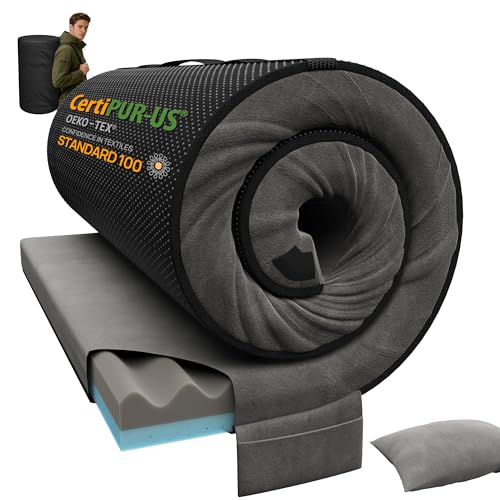
Releep 3 Inch Dual-Sided Memory Foam Camping Mattress
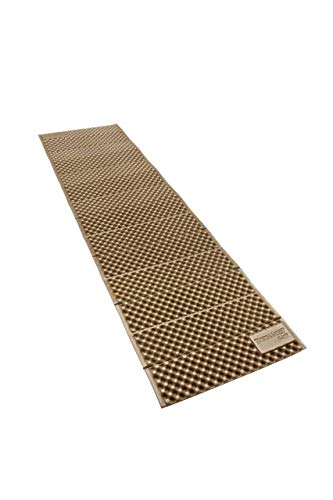
Therm-a-Rest Z Lite Original Camping and Backpacking Sleeping Pad

Elegear Self Inflating Sleeping Pad with Pillow
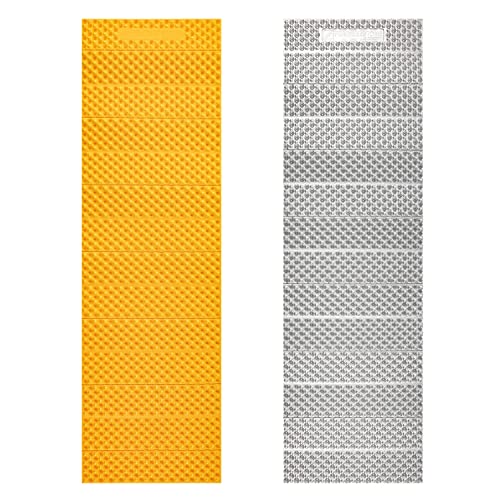
Featherstone El Cordion Insulated R-Value 2.1 Sleeping Pad

Lost Horizon Self-Inflating Foam Camping Mattress for Model Y

Self Inflating Sleeping Pad with Electric Pump, 4″

Elegear Air & Foam Self Inflating Sleeping Pad with Electric Pump 4″ Full
Elegear Air & Foam Camping Mattress with Air Pump 4″ Single Army Green

Lost Horizon Self-Inflating Foam Camping Mattress, Single, 3″ Thick

Lost Horizon Option3 Self-Inflating Foam Camping Mattress, Full, 4.5″
What Each Pick Brings To The Table
If the phrase “sleeping on the ground” keeps you from pitching a tent, the Releep mattress trades that dread for a familiar bed-like feel. At three inches thick, it bridges the gap between the ultra-thin foam pads that hikers love and the plush roll-ups that car campers and surprise guests actually want.
A dual-layer construction pairs gel-infused memory foam (foam that has cooling gel beads mixed in to help regulate temperature) with a denser support layer beneath, so shoulders and hips stop pressing into the dirt. The waterproof shell and included pillow make it a one-bundle solution for guest cots, car camping, or a kid’s sleepover. Compared with the Therm-a-Rest Z Lite on this list, this is far more cushioned but far less packable.
Noteworthy Benefits
- Three inches of foam lifts sleepers well off hard ground, useful for side sleepers and anyone with a stiff back
- Dual-sided design lets you flip between a softer and firmer feel, depending on which side faces up
- Waterproof cover helps when dew, wet grass, or a leaky rain fly show up overnight
- Rolled-up footprint fits a car trunk, closet, or hallway without dedicated storage space
- Built-in pillow means one fewer item to remember on a guest bed setup
Things To Consider
- Memory foam is bulky to haul on foot, so this one really shines for car campers and home use
- Foam can hold moisture if stored damp; owners commonly report air-drying before rolling it back into the bag
At A Glance
Best Suited To
Tent campers, car campers, and households needing a storable guest bed will appreciate the bed-like comfort without inflating anything.
Look Elsewhere When
Backpackers counting every ounce should reach for the Therm-a-Rest Z Lite instead, since the Releep roll is built for vehicles, not trail miles.
The Z Lite has been a backpacker staple for decades, and for good reason. This closed-cell foam pad (foam with sealed air bubbles that won’t soak up water) folds like an accordion, weighs very little, and refuses to pop, leak, or fail on a cold morning when you need it most.
It is the most pared-down option in this roundup: no inflation, no pump, no moving parts. The dimpled surface traps a layer of warm air beneath you, which is why this pad earns its keep well into shoulder-season trips. If the Releep above is the guest-bed cousin, the Z Lite is the dirt-bag classic that has sheltered hikers on long trails for a generation.
What It Does Well
- Tough closed-cell foam shrugs off rocks, sticks, and rough tent floors
- Accordion fold saves space strapped to a pack or tossed behind a car seat
- Heat-trapping dimples add warmth without added weight
- Zero inflation means setup takes seconds, even at the end of a long day
Honest Caveats
- Thin profile leaves side sleepers feeling ground pressure at shoulders and hips
- Foam bulk, while light, still eats pack space compared with inflatable pads
Who Will Love This
Thru-hikers, mountaineers, and anyone who treats gear roughly will trust this pad more than any inflatable on the list.
Consider Something Else When
Car campers craving pillow-soft nights should skip to the Elegear Self Inflating Sleeping Pad with Pillow, which trades packability for cushion.
The Elegear self-inflating pad lands in the sweet spot most casual campers actually want. Open the valve, the foam core draws air in on its own, and a few breaths top it off. At roughly 3.15 inches of loft, it leaves the dirt far behind.
The “26D” in its name refers to foam density (a measure of how tightly packed the foam is; higher numbers feel firmer and last longer). That density edges out cheaper 19D pads, which translates to better support over a long weekend of car camping. Compared with the Releep roll-up, this pad compresses smaller once deflated and includes its own pillow section, useful for anyone tired of juggling loose gear.
Points In Its Favor
- Higher foam density than most budget rivals, so it holds shape over years of use
- Built-in pillow saves space and setup time
- Self-inflating design means no pump and minimal lung power
- Packs down smaller than memory-foam rolls once you roll the air out
Worth Noting
- Self-inflation only gets you partway; topping off with a few breaths is part of the routine
- Not suited to sub-freezing trips without supplemental insulation underneath
Feature Snapshot
Right Fit For
Car campers and weekend overlanders who want real cushion without hauling a full mattress will find this an easy match.
A Better Fit Elsewhere
Thru-hikers worried about pack weight should pivot to the Featherstone El Cordion, which trades some cushion for serious warmth-to-weight savings.
The Featherstone El Cordion looks like a thicker, slightly fancier cousin of the Therm-a-Rest Z Lite. It is still closed-cell foam, which means no inflation headaches, but it layers in an internal heat-reflective film and hexagonal nodes that lift you noticeably higher off the ground.
The R-value of 2.1 (a standardized rating of insulation from the ground; higher numbers mean warmer) signals that this pad works through three-season conditions, including chilly shoulder months on the trail. For backpackers who refuse to trust inflatable pads on rough terrain, this is one of the safer closed-cell choices on the market. Compared with the Z Lite above, it adds insulation and a touch more cushion for a modest weight penalty.
Useful Strengths
- Cross-linked polyethylene foam (a denser, more durable closed-cell foam) handles abrasion far better than basic egg-crate pads
- Heat-reflective film boosts R-value without bulk
- Hexagonal pattern lifts you higher off wet or uneven ground
- Lightweight enough for multi-day trips where ounces matter
Small Caveats
- More expensive than bare-bones closed-cell foam pads
- Still a thin pad, so stomach sleepers may want extra cushioning
Quick Facts
Whose Shelf It Belongs On
Backpackers and thru-hikers heading into shoulder-season terrain will appreciate the warmth without carrying an inflatable pad.
Not Your Match When
Guests sleeping on a living-room floor will be happier with the Releep Dual-Sided Memory Foam Mattress, which feels like a bed instead of a campsite essential.
This is the most niche entry on the list: a self-inflating foam mattress cut specifically for the cargo area of a Tesla Model Y. If you camp out of your EV or just want a tailored pad that drops straight into the trunk, the dimensions are dialed in for you.
The 4.5-inch profile and 9-pound foam fill create a flat, supportive platform that turns the back of the vehicle into something close to a guest bed. Owners commonly note the impressive weight capacity of 440 pounds, suggesting it handles restless sleepers and shifting loads well. Compared with the open-ended Releep roll, this one is sized to a single vehicle and won’t be as flexible for tents or guest rooms.
Where It Delivers
- Custom-shaped to Tesla Model Y cargo dimensions, no trimming required
- Thick foam fill prevents the feel-through to hard trunk flooring
- Self-inflating design cuts setup time at the trailhead or campsite
- Higher weight rating than most pads in this price range
Things To Consider
- Vehicle-specific shape limits usefulness for tents or other cars
- Heavier foam fill can be cumbersome to haul between storage and the vehicle
Feature Card
Perfect Match For
Tesla Model Y owners who camp, road-trip, or simply want a fitted mattress for overnight guests in the back of the car.
Swap It Out When
Anyone without a Model Y should consider the Lost Horizon Self-Inflating Foam Camping Mattress in Single or Full sizing instead.
Where the Releep relies on memory foam and the Therm-a-Rest relies on closed-cell discipline, this 4-inch self-inflating pad is built for people who want the kitchen sink. A built-in electric pump inflates the pad in about a minute at the push of a button.
The high R-value of 9.5 (very high, well into winter-rated territory) means this pad is rated for cold-weather camping. The trade-off is bulk: vacuum-packed foam is heavy and large, so this is firmly a base-camp or family-tent pad, not a backpacking piece. For glampers, winter campers, and truck-bed sleepers, that trade-off is exactly the point.
Where It Excels
- Push-button electric pump ends the breath-and-pray inflation routine
- 4-inch loft handles side sleepers and restless kids alike
- Built-in pillow adds head support without packing extra gear
- High R-value extends usability into genuine cold-weather conditions
Potential Drawbacks
- Bulky to transport, so it’s really a vehicle-camping or guest-bed pad
- Foam may need a 30-minute rest after first inflation to reach full loft
Who Should Grab It
Car campers, truck-bed sleepers, and cold-weather family trips will love the warmth and push-button convenience.
Reach For A Different Pick When
Backpackers prioritizing pack size and ounces should default to the Featherstone El Cordion instead, which is far more trail-friendly.
Where the LLUAII pad leans toward raw thickness, the Elegear Air & Foam version trades a bit of loft for a hybrid construction that feels noticeably softer on top while keeping an air chamber below for stable support.
It’s a full-size pad, so two sleepers can share it without falling into the gap in the middle. The integrated electric pump runs inflation and deflation with one touch, and owners commonly appreciate how the pad compacts small after vacuum-compression storage. Compared with the model above, you get a softer foam-top feel and a slightly thinner profile in exchange.
Benefits That Matter
- Full-size footprint fits couples or spreads gear out for solo comfort
- Hybrid foam-over-air design cushions pressure points without bottoming out
- One-touch pump keeps setup and teardown fast at camp
- Vacuum compression shrinks the pad for closet or trunk storage
Practical Considerations
- Pump has a stated endurance limit of about 20 minutes of continuous use
- Full size demands more tent floor space than a single pad
Made For
Car campers, couples, and family tent setups that want bed-like comfort without hauling an actual mattress.
Another Choice May Suit
Solo campers who value pack size should consider the Elegear 4″ Single Army Green, which keeps the hybrid feel in a smaller footprint.
Take the hybrid concept from the full-size Elegear above and shrink it down to a single sleep surface, and you get this army-green model. The 26D memory foam top layer (a denser foam that resists body impressions) sits over a stable air chamber, so you get softness on the surface and structural support underneath.
Owners commonly note that hybrid pads like this pack smaller than all-foam rivals, since you can let some air out before rolling. That’s a meaningful perk for car campers with limited trunk space or anyone hauling gear to a remote cabin. The included air pump simplifies setup, and the earthy color hides dirt between washes.
Everyday Wins
- Foam-top feel cushions shoulders and hips better than bare air pads
- Air-base chamber supports weight evenly across the surface
- Single-person footprint fits small tents and truck-bed platforms
- Integrated air pump ends manual inflation
Less-Strong Areas
- Single size means no room for a partner or a sprawled-out dog
- Hybrid construction is slightly heavier than pure closed-cell foam pads
The Right Fit
Solo tent campers and road-trippers who want a balance of comfort and packable size will appreciate this hybrid approach.
Where A Sibling Pick Shines
Couples and family campers should look at the Elegear Air & Foam Self Inflating Sleeping Pad 4″ Full, which stretches to fit two sleepers.
The 3-inch single from Lost Horizon is the more approachable sibling to the Model Y-specific version above. The same self-inflating foam construction shows up, but in a friendlier size that fits a tent, guest room, or back-of-SUV setup.
At 5.5 pounds of foam fill, it lands lighter than its thicker relatives, which makes weekend trips easier to plan. The 220-pound weight capacity lines up with a single sleeper plus a sleeping bag. Compared with the 4.5-inch family pad further down, this one trades some plushness for a more manageable pack size.
What Stands Out
- Self-inflating foam core cuts setup time at the campsite
- 3-inch loft improves on thinner pads without bulk penalty
- Even foam distribution reduces pressure points across the body
- Single-person sizing drops into smaller tents and guest corners
Trade-Offs
- Weight capacity suits solo sleepers, not two adults sharing
- No built-in pillow, so bring your own for full comfort
Who It Suits Best
Weekend campers, solo travelers, and apartment dwellers needing a storable guest bed will find the size and weight easy to live with.
Skip It When
Tesla Model Y owners should pivot back to the Lost Horizon Mattress for Model Y, which is cut to vehicle dimensions.
The Option3 rounds out the shortlist with a full-size, 4.5-inch-thick foam pad that behaves more like a fold-out guest mattress than a backpacking tool. Open the valves, walk away, and the foam does most of the inflation itself.
With 12 pounds of foam fill and a stated capacity of 440 pounds, this is the heavyweight choice for base camp, family tent, or in-home guest use. The thickness gives side sleepers genuine relief, and the even internal structure keeps the foam from clumping over time. It is a substantial upgrade over the 3-inch single earlier in the list, but it makes no apologies about size or weight.
A Favorable Mix
- 4.5-inch loft gives genuine bed-like cushion for side sleepers
- Self-inflating foam saves the work of manual inflation
- High weight capacity handles adults plus shifting overnight company
- Even foam distribution prevents lumps over years of use
Where It Is Less Suited
- Heaviest foam pad in this roundup, so plan a vehicle for transport
- Full-size footprint needs a large tent floor or open guest space
Built With In Mind
Family campers and households needing a backup guest bed will treat this as a long-term, storable mattress rather than trail gear.
Consider Something Else When
Backpackers should default to the Therm-a-Rest Z Lite, which prioritizes trail performance over plushness.