
A good sleeping bag shouldn’t drain your pack budget or leave you shivering at 3 a.m. Campers chasing weekend trips, thru-hikers counting every ounce, and parents wrangling kids at summer camp all want the same thing: warmth that works without a premium price tag. This lineup focuses on the affordable end of the market, mixing down and synthetic fills, mummy and rectangular cuts, and options sized for adults and children. The picks below cover everything from a sub-3 lb backpacking quilt-style bag to a canvas hunting bag built for cold, wet nights.
A Closer Look At The Lineup

SYWSKW Ultralight Down Sleeping Bag with Pillow 680FP Duck Down
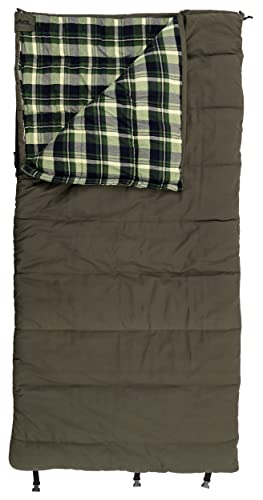
ALPS OutdoorZ Redwood -25 Sleeping Bag
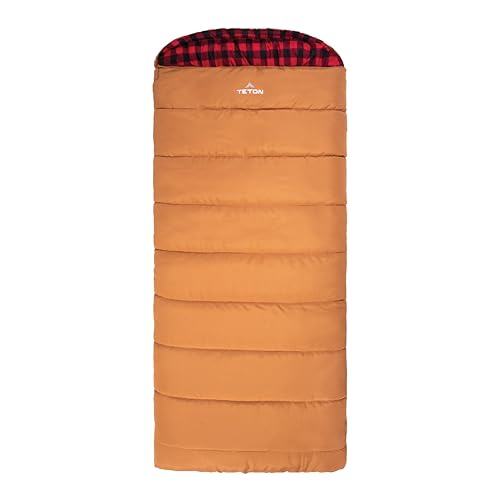
TETON Sports Deer Hunter Sleeping Bag
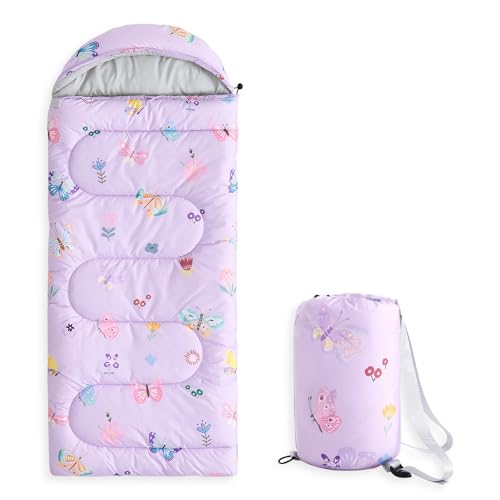
Wake In Cloud Kids Sleeping Bag Butterfly Garden

PTEROMY Lightweight Machine Washable Sleeping Bag

SYWSKW Wide Down Sleeping Bag with Pillow 680FP
The Picks, Examined More Closely
Down fill and a useful built-in pillow make this bag appealing for hikers who want one less thing to pack. The shell uses a dual-process construction aimed at holding warmth where it counts, and the bag comes in three temperature options (15°F, 32°F, 46°F) so you can match the bag to the season instead of over- or under-buying. At 680 fill power, the duck down strikes a sensible middle ground between budget insulation and the loftier 800+ down found on premium quilts.
For multi-day routes where pack weight and compressibility matter most, the smaller temperature-rated versions make sense as a summer and shoulder-season pick. Campers who run cold at night may prefer to size down to the lower comfort rating rather than push the warmer one past its limits.
Good Reasons To Consider
- Three comfort ratings let you choose based on your usual overnight lows instead of guessing
- Built-in pillow removes one extra item from your pack and simplifies setup at camp
- Down compresses small, leaving more room in your pack for food or layers
- Generous shoulder width gives most side sleepers room to roll without unzipping
Things To Consider
- Down insulation loses loft if it gets soaked, so a rain cover or synthetic overbag is worth packing in wet climates
- Down bags typically require more careful storage (lofted, not compressed long-term) to keep their insulating ability over years
Who It Suits Best
Backpackers, hikers, and youth campers who want a lightweight down bag they can match to seasonal conditions without paying for premium fill power.
Where Another Pick Suits Better
For winter camping in truly frigid conditions, the ALPS OutdoorZ Redwood -25 is built for deeper cold and offers more wiggle room in a rectangular cut.
Where the SYWSKW down bag is about trimming ounces, the ALPS OutdoorZ Redwood -25 is about surviving cold nights without breaking the bank. It uses Techloft synthetic insulation, which is made from multi-hole micro-denier fibers with a siliconized finish that helps the bag trap warmth even when conditions get damp. The oversized rectangular cut gives restless sleepers and broad-shouldered campers far more room than a tapered mummy bag.
The -25°F rating puts this firmly in the four-season camp, hunting cabin, and truck-bed category. It’s a heavier, bulkier option than the backpacking-focused picks, but that bulk is the trade-off you accept for serious cold-weather protection.
Standout Benefits
- Techloft synthetic fill keeps insulating even when damp, a real plus in wet snow or humid shoulder seasons
- Rectangular shape lets you sleep on your back, side, or stomach without feeling cinched
- Deep cold rating covers late-fall deer camps, winter base camps, and emergency roadside warmth
- Synthetic fill is easier to wash and store than down, with less long-term fuss
Honest Caveats
- Bulkier and heavier than down, so this is a car-camping or short-hike bag rather than a long-distance pack choice
- Synthetic insulation doesn’t compress as small, so you’ll need more cargo space in your vehicle or storage at home
Key Specs
Right Fit For
Hunters, winter base campers, and anyone in a cold-climate cabin or canvas tent who needs a warm, roomy rectangular bag.
Swap It Out When
Thru-hikers counting every gram should step up to the SYWSKW ultralight down bag instead, since the Redwood’s weight and bulk will wear on long routes.
The Deer Hunter is a different beast from the backpacking picks above. Its poly-cotton canvas shell is heavier than nylon but notably more rugged against pine needles, sharp rocks, and the kind of rough use that shreds lighter fabrics. Inside, the innovative fiber fill is rated for below-freezing nights, and the mummy-style hood can cinch tight around your head when the wind picks up.
This is the bag to grab for a hunting lease, a deer camp bunkhouse, or a base-camp cot. It’s not the choice for someone trying to cut pack weight, but it is the choice for someone who treats their gear roughly and wants a bag that survives the abuse.
Advantages To Know
- Canvas shell handles abrasion, sap, and rough surfaces better than typical nylon shells
- Mummy hood cinches down to seal in heat around your head and ears
- Synthetic fiber fill keeps performing in damp barn or tent conditions
- Generous cut fits most adults without feeling like a sausage casing
Points To Note
- Heavier and bulkier than nylon-shelled options, so it’s firmly a car-camp or short-trail bag
- Canvas takes longer to dry if it gets soaked, which matters in prolonged rain
Whose Shelf It Belongs On
Hunters, anglers, and base-camp campers who want a warm, durable bag that can take a beating season after season.
Look Elsewhere When
Parents shopping for a child-sized bag should pivot to the Wake In Cloud kids’ sleeping bag, which is sized and priced for younger campers.
Most adult bags are too long, too warm, and too heavy for the average 6-year-old. This Wake In Cloud bag sidesteps all three problems by sizing down to 61 x 26 inches and dropping the total weight to around 2.9 lb, so a kid can carry it themselves in the included backpack-style sack. The butterfly and pastel-flower print is the kind of detail that makes a child want to grab the bag rather than leave it behind.
For backyard camping, scout overnights, and warm-weather cabin trips, it’s a thoughtful fit. It’s not a winter sub-zero bag, but that’s not the brief here.
A Few Highlights
- Right-sized for kids ages roughly 3 to 8, so they’re not swimming in extra fabric
- Backpack-style stuff sack lets small campers carry their own gear
- Polyester shell wipes clean easily after sticky s’mores fingers or muddy boots
- Three-season rating covers spring, summer, and early fall family trips
Trade-Offs To Consider
- Not designed for freezing overnight lows, so winter camping requires a heavier bag or extra blankets
- The compact size won’t fit pre-teens or older kids, meaning you’ll outgrow it within a few seasons
Quick Facts
Built With In Mind
Parents of young kids who want a kid-friendly bag for sleepovers, scout trips, and family car camping in mild weather.
Reach For A Different Pick When
Teens and tall pre-teens will feel cramped in the 61-inch length; the PTEROMY bag fits adults up to about 7 feet and is a better step-up option.
The PTEROMY bag leans hard on practicality. Its standout feature is genuinely machine-washable construction with double S-shaped stitching, so a season’s worth of sweat, campfire smoke, and spilled cocoa can go straight into a home washer rather than a careful hand-clean. The 50–80°F comfort range covers the same spring-through-fall window as most casual campers actually use, and the 7 ft 2 in length fits adults up to roughly 7 feet tall.
It’s a straightforward rectangular bag, the kind of simple, dependable option that works for weekend trips, festival camping, and guest-room overflow without any extra fuss.
Useful Highlights
- Machine-washable design makes post-trip cleanup far easier than spot-cleaning most bags
- Water-resistant shell sheds light rain and morning dew
- Generous length accommodates taller adults without forcing knees into the fabric
- Lightweight rectangular design is comfortable for casual campers who don’t need mummy-style warmth
A Few Limitations
- The comfort rating bottoms out around 40°F, so it’s not built for cold shoulder-season nights without extra blankets
- Rectangular shape is roomy but packs larger than a tapered mummy bag of equivalent warmth
Best Suited To
Casual campers, festival-goers, and hosts needing a guest bed who want an easy-care bag that handles real-life messes.
Consider Something Else When
Backpackers focused on cold nights should pivot to the SYWSKW ultralight down bag, which compresses smaller and offers lower temperature ratings.
This second SYWSKW entry is the brand’s wide-cut option, with a roomy 86.6 x 33.5 in interior that suits broad-shouldered campers and side sleepers who feel cramped in standard mummy bags. It still uses 680FP duck down and a 100% nylon shell, but the wider footprint adds a small amount of weight (around 2.99 lb versus the slimmer sibling). The result compresses to a tidy 7 x 13.8 in stuff sack, which still leaves room in a backpack for the rest of your kit.
Three temperature options (15°F, 5°F, 0°F) push this version deeper into shoulder-season and winter territory. For campers who love the brand’s down approach but need the elbow room, the wider cut is the meaningful upgrade.
Strong Points
- Wide cut fits broad frames and restless sleepers without compressing insulation
- Three lower temperature ratings cover genuine cold-weather use
- Compact stuff sack footprint still works in a backpacking pack
- Built-in pillow simplifies camp setup and saves pack space
Possible Compromises
- Slightly heavier than the slimmer SYWSKW option due to the wider cut
- Down insulation still needs protection from prolonged moisture
Feature Snapshot
Who Will Love This
Tall or broad-shouldered backpackers and campers who want down warmth without the cinched feeling of a standard mummy bag.
Not Your Match When
Car campers prioritizing maximum warmth over weight should look at the ALPS OutdoorZ Redwood -25, which trades packability for a deeper cold rating.
What Matters Most Before Choosing Affordable Sleeping Bags
Start with the temperature rating that matches your real conditions, not the worst night you can imagine. Manufacturers publish a comfort rating (warm side) and a lower limit (cold side), so most adults sleep best somewhere between the two. Run a quick mental log of the lowest temps you’ve actually camped in over the past two seasons; that gives a far better bag-buying answer than a generic “I might camp in winter someday.”
Next, weigh fill type against how you actually camp. Down insulation (the small, fluffy feathers from ducks or geese) offers the best warmth-to-weight ratio and packs the smallest, but it loses insulating power when wet and needs more careful long-term storage. Synthetic insulation (polyester fibers engineered to mimic down’s loft) is heavier and bulkier, but it keeps insulating when damp, costs less, and tolerates being stuffed in a closet for months. Hikers and weight counters tend to favor down; car campers and parents often prefer synthetic.
Shape matters more than most shoppers expect. Mummy bags taper from shoulders to feet, which saves weight and traps heat efficiently but can feel restrictive. Rectangular bags feel like a bed but pack larger and let cold air pool around your body. Semi-rectangular designs split the difference. Side sleepers, restless campers, and anyone over 6 feet usually prefer rectangular or wide-cut designs; cold-weather minimalists often prefer mummy cuts.
Finally, check length and shoulder width against your frame. A bag that’s too short leaves your head and shoulders pressed against cold zipper fabric; one that’s too wide creates dead air that your body has to heat before you feel warm. The right size is the one where you can lie down, draw it snug around your shoulders, and have a few inches of slack at your toes.
Key Considerations Across These Picks
Pitfalls Shoppers Hit
The most common mistake is buying a bag rated far colder than you’ll ever use, then hauling unnecessary weight on every trip. A 0°F bag used on 50°F nights will have you sweating, kicking the zipper open, and waking up clammy. The opposite error is even worse: buying a three-season bag and discovering its limits on a surprise frosty night. Match the rating to your lowest realistic overnight temperature and resist the temptation to over-spec.
Another trap is assuming “lightweight” means “small.” A 2.5 lb down bag still needs a stuff sack that fits your pack. Compare the packed dimensions against your pack volume before committing. A bag that fits inside your pack on paper but barely compresses in practice will push out other gear.
When Paying More Pays Off
A higher price in this category usually buys one of three things: better down fill power (which means more warmth per ounce), a tougher shell fabric (which survives more seasons), or better stitching and baffles (which keep insulation from migrating to the bag’s floor over time). For weekend trips a few times a year, a budget synthetic bag does the job. For multi-day routes, frequent use, or genuinely cold conditions, the upgrade to a higher-fill down bag or a heavier-duty rectangular synthetic typically pays back in comfort and longevity.