
Camping coolers carry more weight than most gear decisions suggest. A weak one drains ice before lunch, leaks lake water through the trunk, and forces constant pit stops on the drive home. Anyone planning a weekend trip, a long beach day, or even a backyard cookout needs a cooler that holds temperature, packs easy, and survives the trip without fuss. This lineup rounds up affordable options for campers who want dependable cold storage without paying for premium-brand overhead, covering everything from a small 16-quart hard cooler to reusable ice packs that stretch every melt cycle.
An Overview Of The Picks

Stanley Adventure Outdoor Cooler 16 qt (BPA-Free, Black)
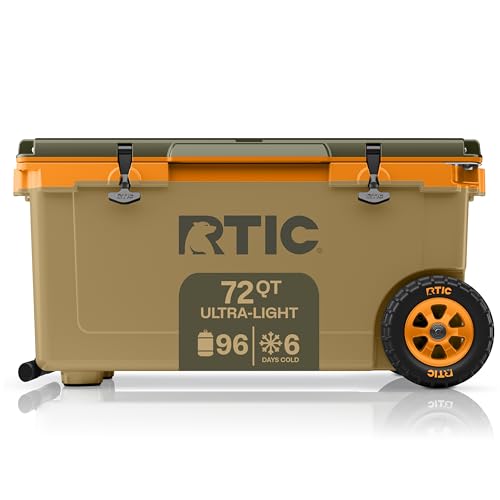
RTIC 72 QT Ultra-Light Wheeled Hard Cooler
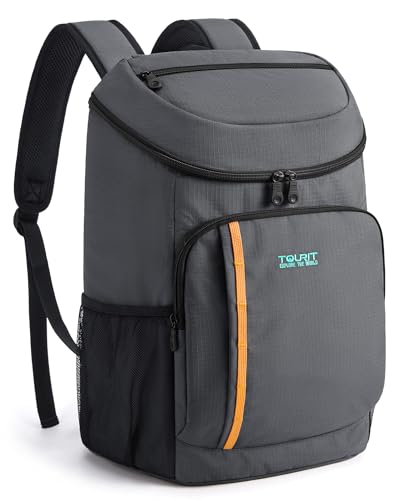
TOURIT Cooler Backpack Insulated 30 Cans

SHENGQIPC Reusable Ice Cubes for Camping, 360 Pack

CORE Magnetic Leak Proof Soft Cooler

SHENGQIPC 360 Pack Reusable Ice Cubes for Ice Bath

SHENGQIPC 60 Pack Reusable Ice Cubes for Drinks
A Deeper Look At The Lineup
Small coolers earn their keep on day trips where hauling a full-size chest feels like overkill. The Stanley Adventure 16 qt slots into that lane, sized to feed two or three people for an afternoon without dominating the trunk space. The molded handle on top feels sturdy, and the latched lid creates a tight seal that holds cold air in when the sun starts pressing down.
Compared to the wheeled RTIC coming up next, this one trades capacity for portability. Campers juggling a packed car, a dog, and a cooler can carry it one-handed from the parking lot to the picnic blanket.
Everyday Advantages
- Compact 16-quart size fits easily behind a front seat or in a kayak hatch.
- Top handle design keeps one hand free for fishing rods, tote bags, or a small child.
- BPA-free construction matters for anyone storing food directly inside.
- Roomy enough inside to carry lunch for a couple plus a handful of drinks.
Points To Note
- Smaller footprint limits group-size flexibility for longer weekend trips.
- Hard-body coolers of this size commonly need a rinse and full dry-out after every use to prevent mildew along the gasket.
Whose Shelf It Belongs On
Day hikers, anglers, and couples planning a single overnight who want a no-drag cooler that disappears into the back seat.
Swap It Out When
The RTIC 72 QT Ultra-Light Wheeled Hard Cooler serves better for families feeding five or more across a long weekend.
Big coolers get heavier than they look, which is why wheels earn their price tag faster than people expect. The RTIC 72 QT Ultra-Light rolls on puncture-resistant wheels designed for gravel, sand, and uneven campground access roads. For anyone hauling drinks and food across a long weekend for a group, the rolling design saves back strain on day one.
Where the Stanley above leans into compact simplicity, this RTIC leans into volume. Campers running a base camp with kids, coolers for fishing trips, or large cookouts get the storage without the lift.
The Upside
- 72-quart capacity covers a multi-day trip for a family of four or five.
- All-terrain wheels pull weight across grass, gravel, and packed dirt without dragging.
- Hard-sided body resists punctures from rough handling at boat ramps or tailgates.
Trade-Offs To Consider
- Bigger footprint takes serious trunk space, leaving little room for tents and sleeping bags in smaller vehicles.
- Hard coolers commonly develop gasket odors if stored damp, so drying the seal after each trip is part of the routine.
Key Product Details
Right Fit For
Families, group campers, and tailgaters who need volume and wheels more than they need a featherweight carry.
Consider Something Else When
Backcountry hikers should pass on this size and look at the TOURIT Cooler Backpack Insulated 30 Cans for hands-free portability.
When the trailhead is two miles in and a wheeled cooler is useless, a soft backpack earns its place. The TOURIT Cooler Backpack carries roughly 30 cans on the shoulders, with padded straps that distribute weight better than a single tote handle. Solo hikers and beach walkers can keep both hands free for balance, trekking poles, or a kid on the hip.
The shift from the RTIC above is total. No wheels, no rigid walls, just a soft cooler shaped like a daypack. Cold retention depends on the ice packs tossed inside, but for short hikes the trade-off pays off in comfort.
Strong Points
- Hands-free backpack carry leaves arms free for uneven terrain.
- Soft waterproof lining helps prevent leaks onto dry gear stored below.
- Holds around thirty cans, enough for a full afternoon at the lake.
- Folds flat for storage between trips, unlike rigid coolers that demand floor space year-round.
Honest Caveats
- Soft-sided design means less ice retention than hard coolers during multi-day trips.
- Zippers and seams benefit from a quick wipe-down after sandy or muddy days to prevent grit buildup.
Feature Snapshot
Best Suited To
Day hikers, beach-goers, and picnic lovers who walk more than they drive and want cooler storage they can carry on their back.
Look Elsewhere When
Stationary tailgaters get more use out of the CORE Magnetic Leak Proof Soft Cooler, which holds more food and offers stronger cold retention.
Reusable ice cubes solve the dilution problem that ruins sandwiches, fruit, and cocktails the moment regular ice starts melting. The SHENGQIPC 360-pack delivers 12 pounds of plastic cubes designed to refreeze and drop into coolers, drink bins, or even ice baths. For campers tired of soggy bread and watered-down lemonade, these swap into any cooler already on the list.
They pair naturally with the RTIC hard cooler above or the CORE soft cooler below, working as a chill upgrade rather than a standalone storage solution. The trade-off is upfront freezer space. Anyone with a small apartment freezer may need to stage the freezing in batches.
The Helpful Details
- Plastic shell traps meltwater inside, so coolers stay drier and food holds flavor longer.
- 360-piece count keeps drinks cold across multiple cooler refills without restocking.
- BPA-free construction matters for anything touching food or open drinks.
- Refreezable design cuts the cost of buying bagged ice on every trip.
Things To Weigh
- Plastic cubes never match real ice on raw cooling power, so cold retention drops slightly compared to traditional block ice.
- Cubes need a full freeze cycle before each trip, and 360 of them demand real freezer real estate the night before.
Quick Technical Notes
Built With In Mind
Repeat campers who already own a cooler and want to stretch every ice cycle while keeping sandwiches and drinks from going watery.
A Better Fit Elsewhere
First-time campers without a cooler yet should start with the Stanley Adventure 16 qt and add reusable cubes later as the kit grows.
Soft coolers used to mean floppy bags with soggy seams, but welded construction changed the math. The CORE Magnetic Leak Proof Soft Cooler uses a magnetic seal along the zipper line that holds cold air in even when the bag is unzipped. For tailgates, car camping, and beach setups, that magnetic hold means quicker reach-in access without losing the chill.
Compared to the TOURIT backpack earlier, this CORE trades hands-free carry for better cold retention and a more open-mouth design. It’s the pick for stationary outings where the cooler sits open more than it travels.
What Stands Out
- Magnetic closure seals the cooler shut even when the zipper is open, a small but very useful design detail.
- Welded seams (seams fused together without stitching) help the bag float and prevent slow leaks that ruin trunks.
- Soft-sided body stores flat between trips, freeing up garage or closet space.
- Designed for tailgating, car camping, and beach use, where easy access matters more than long hauls.
Practical Considerations
- Soft design needs careful drying inside before storage to prevent mildew along the magnetic strip.
- Cold retention lands between a backpack and a hard cooler, so multi-day ice performance falls short of the RTIC above.
The Numbers That Matter
Who Should Grab It
Tailgaters, beach families, and car campers who set up a base and reach into the cooler often without zipping back up every time.
Reach For A Different Pick When
Anyone hauling gear on foot should pick the TOURIT Cooler Backpack Insulated 30 Cans for shoulder-friendly carry instead.
Ice baths have moved from pro-athlete locker rooms to backyard recovery routines. The SHENGQIPC 360 Pack serves that crowd with a bulk quantity designed to fill a tub in one go. While camping is part of the marketing, the real win here is repeatable cold-water sessions without the soggy mess of disposable ice packs.
This sits in a different lane than the rest of the cooler lineup. It’s not a storage container, it’s the cooling medium. Campers pairing it with the CORE or RTIC above can keep food cold and still have cubes left for a post-hike plunge.
Real-World Strengths
- Bulk 360-piece count fills a standard ice bath in a single drop, no bagged ice run required.
- Plastic shell keeps meltwater contained for cleaner recovery sessions.
- Refreezable design means the same batch works week after week with proper freezer rotation.
Worth Bearing In Mind
- 360 cubes demand significant freezer space, which can be a real hurdle for apartment dwellers.
- Cubes cool slightly slower than crushed ice at the start, so pre-chilling the bath water helps.
Made For
Recovery-focused campers and home wellness users who want repeatable ice baths without disposable waste.
Not Your Match When
Anyone focused purely on food and drink cooling should grab the SHENGQIPC Reusable Ice Cubes for Camping listed above for better general use.
Smaller reusable cube packs solve the everyday drink problem without filling the freezer. The SHENGQIPC 60 Pack sits in a freezer drawer, drops into water bottles, and keeps iced coffee or whiskey from turning watery. For campers driving to a trailhead with a tumbler in hand, it’s a quiet upgrade.
Where the 360-pack above tackles ice baths, this 60-pack handles daily hydration. It’s the entry-level reusable option and pairs nicely with any cooler on this list as a drink-chilling add-on.
The Case For It
- Smaller pack size fits standard apartment freezers without reorganization.
- Transparent shell makes it easy to see how many cubes are left at a glance.
- Refreezable design eliminates the weekly bagged-ice expense.
- Lightweight enough to toss in a daypack alongside the TOURIT backpack cooler.
Some Limits To Know
- 60 cubes cover daily drink use but fall short for filling a cooler or ice bath in one round.
- Plastic cubes need a full rinse and dry before refreezing to keep the freezer odor-free.
Perfect Match For
Commuters, casual campers, and anyone who wants iced drinks without watered-down flavor on a daily basis.
Where Another Pick Suits Better
Campers running group trips or ice baths should step up to the SHENGQIPC 360 Pack listed above for fuller coverage.
Picking The Right Cooler For Your Camp Setup
A cooler’s job looks simple until you stand in front of a shelf full of them. Capacity, insulation, weight, and how you actually carry it matter more than brand reputation. This guide breaks down the attributes that change a trip from frustrating to easy, so the choice lines up with how you really camp.
Capacity And Group Size
Cooler size should match your group, not your ambitions. Solo hikers and couples rarely need more than 20 quarts for an overnight, while families feeding four or five across a weekend benefit from 50 quarts and up. Buying a bigger cooler than necessary wastes trunk space, ice, and energy lugging it around.
Hard Versus Soft Construction
Hard-sided coolers, like the Stanley and RTIC above, hold ice longer and survive rougher handling, but they demand trunk space year-round. Soft coolers, like the TOURIT and CORE, fold flat between trips and weigh less, trading some ice retention for portability. Campers who drive to a base camp lean hard, while those who hike benefit from soft designs.
Ice Retention And Reusable Packs
Ice retention comes down to insulation thickness, seal quality, and how often the lid opens. Reusable cubes, like the SHENGQIPC packs above, stretch every ice cycle by avoiding dilution, but they never fully replace block ice for multi-day cooling. Pairing a good cooler with reusable cubes gives the best balance for most campers.
Portability And Carry Style
Wheels, top handles, and backpack straps each serve a different terrain. Wheeled coolers shine on pavement and packed campground roads. Backpack coolers win on trails. Single-handle top carriers work for short walks from car to picnic blanket. Match the carry style to the actual distance from vehicle to campsite.
Practical Guidance For Picking Well
Mistakes Worth Dodging
Buying by looks alone leads to coolers that look rugged but lack real insulation. Skipping seal checks costs you ice loss on hot days. Ignoring carry style leaves you hauling an awkward box across gravel when a backpack would have worked better.
Where The Extra Money Goes
Premium coolers spend the extra cost on thicker foam walls, stronger latches, and longer warranties. For weekend warriors, mid-tier options like the ones above usually deliver enough cold retention. For expedition trips or week-long base camps, the upgrade pays off in fewer ice runs and less food spoilage.
Frequently Asked Questions
How big should a camping cooler be for two people?
A 16 to 30 quart cooler usually covers two people for one to two nights, depending on how much fresh food you pack. Larger groups or longer trips need 50 quarts and up.
Are soft coolers as good as hard coolers for camping?
Soft coolers are lighter and easier to carry, but they generally hold ice for less time than hard coolers. For day trips and short overnights, they work well. For multi-day trips, hard coolers perform better.
Do reusable ice cubes actually keep drinks cold?
Reusable cubes chill drinks and prevent dilution, but they don’t match the raw cooling power of real ice. They work best alongside regular ice or in drink tumblers where flavor matters more than extreme cold.
Can I leave a cooler outside overnight while camping?
Most coolers handle overnight outdoor temps fine, though direct sun speeds up ice melt. Keeping the cooler shaded and the lid closed as much as possible extends ice life well into the next day.
Is a wheeled cooler worth the extra cost?
Wheeled coolers save serious effort on long walks from the car to the campsite. For anyone hauling a fully loaded 70-quart chest, wheels pay for themselves quickly.
Closing Thoughts
The best cooler matches the trip, the terrain, and the people on it. Day hikers, beach families, base-camp cooks, and ice-bath regulars each have a fit on this list, and pairing a cooler with reusable cubes stretches the cold even further. Pick the design that fits how you actually camp, and the rest of the trip tends to fall into place.