
A good tent shouldn’t feel like a luxury. You’re heading out to sleep under real skies, cook on a camp stove, and wake up somewhere quieter than home. The picks below balance cost with the basics that actually matter: weather handling, room to move, and a setup you can finish before the coffee’s ready.
The Essentials At A Glance

Coody Premium Inflatable Canvas Air Tent
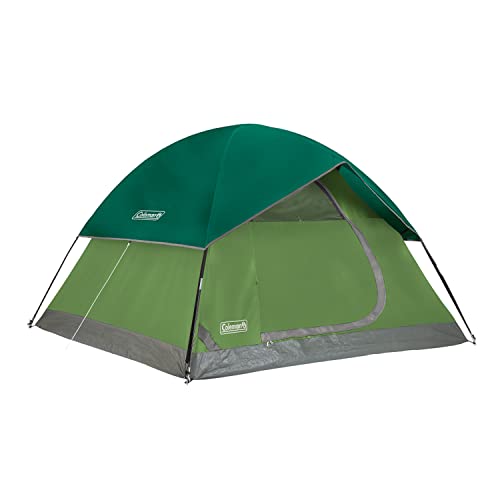
Coleman Sundome Tent

Dragoon Unlimited Ridgeback One-Person Tent

CAMPROS CP Dome Tent
A Deeper Look At The Lineup
This tent flips the usual setup story on its head: rather than threading a maze of poles, you inflate the frame with a pump and the whole shelter rises into shape. The body uses a breathable TC canvas blend (TC stands for polyester-cotton, a fabric that handles sun heat better than thin nylon and stays quieter in wind). A built-in stove jack lets you run a small wood or gas stove inside for cool-weather camping, something the lighter Sundome on this list simply can’t support.
Inside feels more like a wall tent than a typical backpacking shelter. You can stand, move around a cot setup, and host a couple of chairs without crouching. Where it really earns its place is family basecamps, hunting camps, and glamping weekends where you’d rather sleep comfortably than count grams. If you’ve been eyeing cabin-style shelters but dread pole assembly, this approach lands in a useful middle ground.
The Helpful Details
- Inflatable air-frame design cuts setup to roughly five minutes with a pump
- TC canvas fabric breathes well in sun and shrugs off light rain
- Integrated stove jack enables cold-weather use with a compatible tent stove
- Standing-height walls create a livable indoor space, not just a sleeping pod
- Heavier than ultralight options, but trades weight for comfort and warmth
Honest Caveats
- Pump is typically sold separately, so plan for that add-on cost
- Canvas dries slower than nylon after a downpour, which can matter on a long trip
- Bulky packed size makes it a poor match for hike-in sites
Key Specs
Who It Suits Best
Glampers, family basecampers, and cold-weather hunters who want standing room and stove heat without the pole puzzle.
Look Elsewhere When
If you’re hiking miles into the backcountry, the Dragoon Unlimited Ridgeback One-Person Tent is the lighter, packable option from this list.
The Sundome is the tent you probably picture when someone says “campsite.” A classic dome shape, two or three-pole layout, and a price that doesn’t sting if it’s your first shelter. Coleman’s WeatherTec system refers to a set of design choices: covered seams, a waterproof floor that extends up the sidewalls, and a rainfly that wraps the body. The available sizes include 2-person and 3-person variants.
It pitches in about ten minutes once you’ve done it a time or two, which makes it a natural fit for first-time campers and families who’d rather spend setup time starting dinner. There’s no stove jack or standing-height walls, so think of it as a sleep-and-stow shelter rather than a base camp. Compared to the Coody above, the Sundome is the lighter, simpler sibling that handles fair-weather weekends with ease.
Positive Takeaways
- Snag-free continuous pole sleeves speed up the pitch
- WeatherTec construction keeps seams and floors defended against rain
- Compact packed weight suits car camping and short walks from a parking lot
- Multiple size options fit solo travelers or pairs
Points To Note
- Not built for cold-weather stove use the way the Coody inflatable is
- Limited interior height means changing clothes involves some crouching
- Heavy rain can stress the standard rainfly on extended trips
Best Match For
Casual weekend campers, beginners, and small families heading to established campgrounds in mild weather.
Consider Another Pick When
The CAMPROS CP Dome Tent is the better match for groups needing four to six berths in one shelter.
Where the Sundome keeps things simple for campground nights, the Ridgeback leans into a different mission: solo trips where pack weight and shelter dependability matter most. It weighs about 5.5 pounds including stakes, which puts it in the middle of the backpacking range, light enough for moderate trails but not ultralight territory. The interior gives roughly 42 inches of headroom and 90 inches of legroom, so you can sit up and change without feeling folded in half.
Owners commonly use this shelter for overnight hikes, motorcycle camping, and emergency kits where a small, reliable bivy-style tent earns its space in the pack. Compared to the family-oriented CAMPROS that closes out this list, the Ridgeback is a different tool entirely: one person, one footprint, fewer moving parts. For a single traveler or someone building a bugout bag, it’s worth a close look.
The Upside
- Sitting headroom at 42 inches beats most bivy-style shelters
- 5.5-pound total weight is manageable for moderate backpacking
- Waterproof construction suits wet climates and shoulder seasons
- Doubles as emergency shelter for vehicle kits or go-bags
Trade-Offs Worth Knowing
- Tight fit for anyone over six feet tall, especially in the shoulder area
- Single-person layout means no room for a partner or large dog
- Setup can take practice the first few times in wind
Right Fit For
Solo backpackers, preppers, and motorcycle campers who want a small, weatherproof shelter with sitting headroom.
A Better Fit Elsewhere When
Two-person campers will be happier in the Coleman Sundome, which offers a roomier sleep layout at a similar accessibility level.
The CAMPROS closes the list with a different angle: group-sized dome sheltering at a wallet-friendly cost. It’s offered in 2, 4, and 6-person configurations, so you can size up for kids, friends, or gear without stepping into expedition pricing. The dome geometry (curved poles that cross overhead) gives a stable shape in wind and keeps rain from pooling on top.
Its waterproof and windproof construction makes it a sensible option for car campers who get caught in a passing storm. The trade-off versus the Coody is real: no canvas breathability, no stove jack, and a packed size that lives in your trunk rather than your pack. For families who camp a few weekends a year at developed sites, the CAMPROS handles the basics without the extras they wouldn’t use anyway.
Useful Touches
- Multiple size options cover two to six sleepers in one shelter
- Dome shape resists wind and sheds rain effectively
- Reasonable packed size for car camping and short walks from a lot
- Approachable price point for first-time family campers
Factors To Consider
- Ventilation in hot weather can feel limited compared to mesh-dominant tents
- Larger sizes are heavy for a single person to carry from a parking area
- No stove jack means cold-weather camping requires careful layering
Made For
Car campers and small families who want one shelter that sleeps everyone at a manageable cost.
Swap It Out When
The Coody Premium Inflatable Canvas Air Tent is the better call for cold-weather basecamps with a stove, while this CAMPROS handles warm-season group trips.
What To Weigh Before Buying Affordable Camping Tents
Capacity versus packed weight is the first real fork in the road. A two-person dome like the Sundome or CAMPROS handles weekend trips with room to spare, while a solo shelter like the Ridgeback is the right call once you’re hauling everything on your back for miles. Climate matters just as much: breathable TC canvas and a stove jack extend the season, but they add bulk and price. Weather protection is non-negotiable regardless of budget, so look for covered seams, a bathtub floor (a floor whose edges curve up the sidewalls rather than lying flat at the base), and a full-coverage rainfly. Finally, check the pitch system: continuous pole sleeves and inflatable beams save real time when you’re setting up in fading light or incoming weather.
Key Considerations Across These Picks
Common Shopping Slip Ups
Buyers often grab a tent rated for their group size and end up packed shoulder-to-shoulder on a three-night trip. Manufacturer capacity counts typically assume tight sleeping, not gear storage. Another frequent miss is choosing the lightest option without checking rainfly coverage: a thin fabric with a partial fly leaks fast in steady rain. Weatherproof ratings help, but seam sealing and full-coverage design matter just as much. Take a moment to match the shelter to your usual climate, not your dream climate.
What Separates Premium From Basic
Spending more in this category usually buys three things: tougher fabrics, better ventilation, and smarter pole geometry. Canvas and high-denier polyester outlast thin nylon by years. Larger mesh panels and adjustable vents stop the condensation that wrecks sleeping bags. And geodesic or inflatable frames (geodesic meaning a network of crossing poles that distributes stress across the whole tent) hold shape in real wind, not just lab conditions. For most casual campers, mid-range builds cover the needs. For shoulder-season or exposed sites, the upgrade often earns its keep the hard way: by staying dry.
Frequently Asked Questions
What size tent should I get for a family of four? A six-person dome gives the most comfortable fit, since manufacturer ratings assume close sleeping and leave little room for bags and boots.
Are inflatable tents hard to repair in the field? Most come with patch kits for the air beams, and field repairs usually take a few minutes; carry a spare tube and a small pump as insurance.
How do I keep condensation down overnight? Open every available vent, even in cool weather, and avoid storing wet gear inside the sleeping area where moisture can build up.
Can a budget tent handle strong wind? Dome shapes like the Sundome and CAMPROS handle moderate wind well; for exposed ridges or storm-prone sites, look for full-coverage fly and reinforced pole attachments.
What’s the best way to store a tent between trips? Make sure it’s fully dry, then store it loosely in a breathable bag rather than a tight stuff sack, which can leave permanent creases and invite mildew.
Final Verdict
Affordable camping tents have come a long way in the past few seasons. The right pick depends on how you actually get outside: weekend car camping, family basecamps, solo miles, or cold-weather trips that need stove heat. Match the shelter to the scenario, double-check the weather protection, and the rest takes care of itself once you hit the trail.