
Hitting the trail without spending a fortune comes down to choosing gear that earns its place in your pack. Weekend campers, scout leaders, and first-time backpackers all want the same thing: reliable basics that handle rain, rocky ground, and the occasional tumble without emptying a wallet. This lineup covers first aid, lighting, shelter support, and tie-down essentials that punch above their weight. Each pick was chosen for a specific kind of campsite, so the right choice depends less on brand hype and more on the trip you’re planning.
A Side-By-Side Look
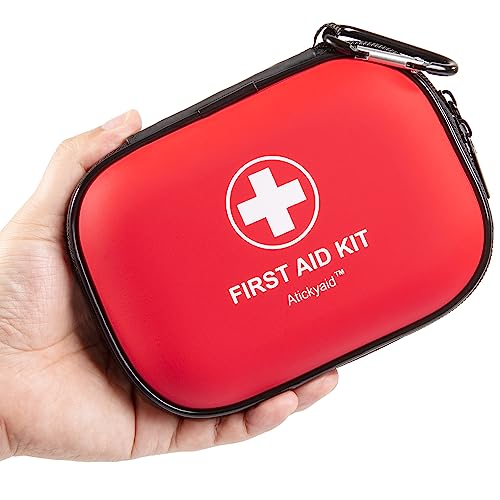
Mini First Aid Kit 120-Piece Waterproof Hard Shell

Safeton 180-Piece First Aid Kit Emergency Bag

BORED? PARACORD! 550 lb Type III 50ft Desert Camo
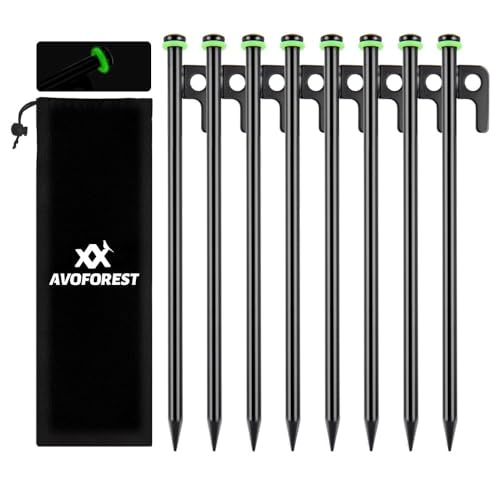
AVOFOREST 8-Inch Heavy Duty Tent Stakes 8-Pack

KeepGoing Travel First Aid Kit TSA-Approved
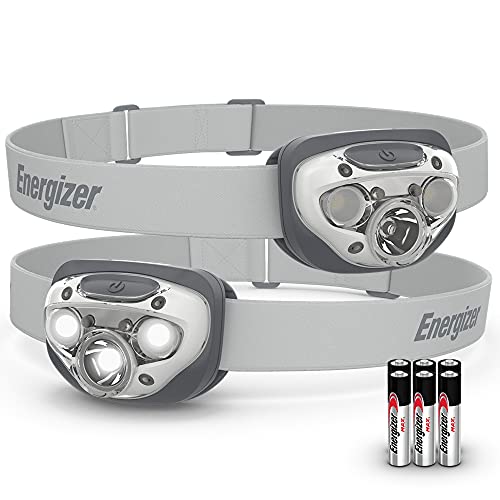
Energizer LED Headlamp PRO 2-Pack IPX4

Energizer Universal LED Headlamp 2-Pack IPX4

Energizer PRO-260 LED Headlamp IPX4

AVOFOREST Aviation Aluminum 8.7FT Tarp Poles 2-Pack
Inside Each Recommended Option
The Mini First Aid Kit earns its spot for campers who refuse to let bulk dictate their route. The hard shell case (a rigid plastic enclosure rather than a soft zippered pouch) keeps the contents organized and dry, so a sudden downpour or a tossed backpack won’t leave you digging for soaked bandages.
At roughly 6.3 by 4.7 inches and under three-quarters of a pound, it slips behind a hydration bladder or rides in a daypack lid pocket without complaint. Compared to the larger Safeton bag covered next, this kit trades breadth for portability, which suits solo hikers and ultralight setups better than base-camp family trips.
Notable Gains
- Rigid waterproof shell keeps adhesive strips and ointments usable after exposure to rain or splashes.
- Compact footprint frees up pack space for water or extra layers on day hikes.
- 120-piece count covers the common scrapes, blisters, and minor cuts a solo trip tends to produce.
- Hard case doubles as a small platform for impromptu gear repairs on the trail.
Points To Note
- The piece count includes very small items like single-use wipes, so a serious wound may outpace the included supplies.
- Hard shell adds slight weight compared to soft fabric kits, which matters on gram-counting thru-hikes.
Feature Snapshot
Built With In Mind
Solo day hikers, ultralight backpackers, and anyone who wants a grab-and-go kit for short outings.
Consider Something Else When
Group camping calls for the broader Safeton 180-Piece First Aid Kit, which handles multiple campers and longer stays.
The Safeton bag earns its place for group travel and family weekends, where one scraped knee often turns into three before dinner. It stores everything in a zippered fabric pouch with labeled compartments, so anyone in camp can locate tape or gauze without flipping through loose items.
Compared to the Mini First Aid Kit’s rigid shell, this kit leans soft and roomy, which makes it a better fit for car camping, road trips, or a designated base-camp bin. For most families managing two adults and a couple of kids, the assortment handles the predictable range of cuts, blisters, and minor burns without forcing anyone to ration supplies.
Useful Highlights
- 180-piece assortment covers common injuries across multiple campers in a single trip.
- Zippered carry bag keeps items grouped, reducing scramble time during minor emergencies.
- Soft fabric case folds flat for storage in a car trunk or RV cabinet.
- Works equally well at home, in a vehicle, or carried on shorter hikes.
Honest Caveats
- Soft case offers less water resistance than the Mini First Aid Kit’s hard shell in sustained rain.
- Larger footprint makes it awkward to carry on a long day hike where pack space is tight.
- Individual supply quantities can run low across a long group trip without restocking.
The Right Fit
Family campers, scout troops, and group leaders running a vehicle-supported base camp.
A Better Fit Elsewhere
Solo backpackers should reach for the Mini First Aid Kit 120-Piece, which trades group breadth for packable size.
Paracord is the kind of supply that gets underestimated until a guy line snaps or a tarp corner needs a quick tie-down. The 550 lb rating (a measure of tensile strength, meaning the cord can hold up to 550 pounds before breaking) matches the military Type III spec, which handles everything from ridge-line tension to improvised bear hangs.
At 50 feet in a desert camo pattern, this hank slips into a cargo pocket and disappears until needed. Compared to the other picks on this list, it leans crafty and tactical: useful for repair, shelter rigging, and the kind of problem where duct tape simply won’t reach.
Useful Touches
- 550 lb tensile rating handles guy lines, gear lashing, and improvised repairs.
- 50-foot length provides enough cordage for multiple campsite fixes without excess bulk.
- Nylon construction resists mildew and dries quickly after wet conditions.
- Desert camo pattern blends into arid and woodland environments.
- Inner strands can be pulled out for fishing line, snare cord, or finer repair tasks.
A Few Limitations
- Paracord stretches under sustained heavy load, which can slack tensioned tarp setups over time.
- 50 feet runs short for larger shelters or extensive ridgeline projects.
Key Specs
Made For
Tinkerers, hammock campers, and anyone who values a single tool that fixes several problems at once.
Skip It When
Car campers who rarely improvise should put the budget toward the AVOFOREST tarp poles instead, which anchor whole shelters rather than individual cords.
Cheap stakes bend on the second swing and vanish into the ground on the third. The AVOFOREST set is forged from S45C steel (a medium-carbon steel prized for toughness and impact resistance), which addresses the snap-and-bend problem that plagues budget pegs.
At 8 inches, these pegs bite deeper than the 6-inch stakes most starter kits include, and the fluorescent silicone rings make them easier to spot in low grass. For campers on rocky, hard-packed, or root-laced ground, the longer length and stiffer steel change the game.
What Makes Sense
- Forged S45C steel construction resists bending on hard ground and rocky campsites.
- 8-inch length reaches beyond the dry topsoil layer for better holding power.
- Fluorescent silicone rings improve visibility during teardown in dusk or low light.
- Includes a storage bag to keep the set together between trips.
Things To Consider
- Heavier than lightweight aluminum stakes, which adds up across long carry-in hikes.
- Sharp tips can snag fabrics and require care when stored loose in a pack.
Best Suited To
Campers dealing with hard ground, frequent wind, or rental tents that arrived with bent aluminum pegs.
Not Your Match When
Ultralight backpackers counting grams should consider aluminum pegs over the AVOFOREST tarp poles for shelter framing.
The TSA-friendly case is the practical detail here: a slim profile that fits airline carry-on rules and slides under a seat or into a laptop bag. For campers who fly into a destination rather than drive, that one feature removes a layer of hassle.
The contents cover routine travel scrapes, including bandages and burn relief, in a tidy organized case that looks more like a tech accessory than a medical kit. The honest read is that this kit won’t replace a full base-camp kit on a week-long expedition, but it earns its place as a travel backup you can leave packed year-round.
Everyday Perks
- Slim TSA-friendly profile passes airport security without unpacking.
- Organized case design keeps supplies visible and easy to access quickly.
- Compact enough for carry-on luggage, backpacks, and glove boxes.
- Stylish exterior works for travel settings without looking like a medical kit.
Trade Offs
- Smaller supply assortment than the Safeton 180-piece bag for extended group trips.
- Case is more about presentation than heavy-duty field durability.
Spec Overview
Perfect Match For
Frequent flyers, business travelers, and campers who drive to base camp with a carry-on packed alongside the larger gear.
Look Elsewhere When
Group base-camp trips need the Safeton 180-Piece First Aid Kit for its broader assortment.
A good headlamp earns its value the first time you try to set up a tent one-handed in the dark. The Energizer PRO pair delivers strong forward throw on high mode, which makes filtering water, sorting gear, and reading trail markers much easier than dimmer backup lights.
The 2-pack format matters more than it sounds: one lives in the tent bag, the other rides in a daypack, so you always have a working light when batteries finally die. Compared to the Universal model below, this version pushes higher output for serious nighttime use, which night hikers and storm-prep households will appreciate.
Good Reasons To Consider
- High-output beam reaches far enough for trail scouting and campsite setup.
- Two-pack format guarantees a backup when one runs out of batteries.
- IPX4 rating (a standard that means splash-resistant from any direction) handles light rain and accidental splashes.
- Adjustable strap fits adults and kids sharing gear on family trips.
Worth Noting
- Batteries add weight and bulk compared to rechargeable headlamps.
- Higher output drains batteries faster on the brightest setting.
Quick Facts
Right Fit For
Night hikers, storm-prep households, and campers who want one serious light plus a stored spare.
Swap It Out When
Casual weekend campers who only need basic ambient light should grab the lighter Energizer Universal LED Headlamp 2-Pack instead.
This Universal model handles the casual side of camping without inflating the budget. It’s lighter on the forehead than the PRO version, which makes it a comfortable choice for evening reading, latrine runs, and basic campsite chores that don’t require long-distance beam throw.
The 2-pack setup doubles as a household emergency pair: one lives in the kitchen drawer, one lives in the gear bin. In most casual camp settings, that’s the right division of labor for occasional campers.
Key Advantages
- Lightweight build stays comfortable during extended evening wear.
- Two-pack gives a primary and a backup at a friendly entry-level price.
- Batteries included for immediate use out of the package.
- IPX4 rating handles rain and accidental splashes on damp evenings.
Some Limits To Know
- Lower lumen output than the Energizer PRO-260, so it’s weaker for distance spotting.
- Not the best choice as a sole light source for technical night hiking.
Made For
Casual campers, gift-givers, and households stocking a backup light for power outages.
Reach For A Different Pick When
Night hikers and storm-prep households need the brighter Energizer PRO-260 LED Headlamp for stronger beam reach.
The PRO-260 brings mode versatility that matters when conditions shift. Multiple beam patterns, including spot, wide, and a red night-vision setting (a low red glow that preserves your eyes’ dark adaptation while reading maps or checking gear), cover everything from map reading to signaling.
For storm preparation, the red mode is genuinely useful, since white light wrecks night vision and can alert others to your position. Single-pack format also makes it easy to assign one per camper rather than splitting a 2-pack.
Features That Help
- Red night-vision mode preserves dark adaptation and reduces glare for tentmates.
- Multiple beam options (high/low spot, high/low wide) match task and battery situation.
- 260-lumen output reaches roughly 80 meters on high for trail scouting.
- IPX4 water resistance stands up to rain and accidental drops in puddles.
Where It May Fall Short
- Single unit means no spare if batteries die mid-trip.
- Mode-switching adds a small learning curve for first-time users.
Who It Suits Best
Storm-prep households, night runners, and campers who want mode flexibility in a single headlamp.
Where Another Pick Suits Better
Campers who always want a guaranteed spare should choose the Energizer LED Headlamp PRO 2-Pack for the dual-unit format.
Tarp poles turn a flat tarp into a real shelter with headroom, walk-in access, and rain runoff. At 8.7 feet of adjustable height, the AVOFOREST pair lets you set up a covered cooking area, a covered gear station, or a sheltered hammock stand without rigging trees or vehicles.
The aviation aluminum construction keeps the weight manageable for a 2-pack, and the telescoping design collapses down for trunk storage. Compared to the AVOFOREST tent stakes covered earlier, this is a different job: anchoring overhead rather than at ground level.
Strong Points
- 8.7-foot extended height creates usable covered space for cooking and seating.
- Aviation aluminum balances strength with manageable carry weight.
- Telescoping design collapses for compact storage between trips.
- Double anti-collapse lock design resists sudden slippage under tarp tension.
Things To Weigh
- Two-pack setup requires a tarp and tie-down cordage (like the BORED? PARACORD! covered earlier) to complete the shelter.
- Wind resistance depends on staking and guy lines, which the poles don’t include.
Feature Rundown
Who Should Grab It
Car campers, overlanders, and weekend hosts building tarp-covered cooking and seating areas.
A Better Fit Elsewhere
Backpackers should stick with the AVOFOREST 8-Inch Heavy Duty Tent Stakes, which anchor a shelter at a fraction of the carry weight.
What Matters Most Before Choosing Affordable Camping Supplies
Build your kit around the trip you actually take, not the trip you wish you took. Weekend car campers, family base-campers, and backpackers face very different gear constraints, and the right pick shifts with the situation.
Match Supplies To Your Camp Style
Car campers can prioritize group coverage and convenience over weight, which is why the Safeton 180-piece kit makes sense for families but overwhelms a day hike. Backpackers need to weigh every ounce, which favors compact picks like the Mini First Aid Kit and lightweight headlamps. Fly-in travelers should weigh TSA compliance as a real constraint, which the KeepGoing kit solves directly. Match the gear to the trip before matching the gear to the brand.
Materials And Build Quality Count More Than Price
Forged steel stakes outperform bent aluminum on rocky ground, and aviation aluminum poles resist rust better than cheap alloy versions. Nylon paracord holds up through wet seasons where polyester stretches and mildews. These material choices explain why two similarly priced picks can perform very differently after repeated use, so reviewing the construction details up front pays off in fewer mid-trip failures.
Think About Maintenance Between Trips
Hard-shell kits wipe clean easily after muddy weekends, while soft bags need airing out to prevent mildew on damp supplies. Headlamps with replaceable batteries are easier to revive than sealed rechargeables when power dies mid-trip. Choosing supplies with simple care routines makes it more likely you’ll actually pack them next time.
Plan For The Backup You Won’t Buy Later
A 2-pack headlamp format costs little more than a single unit and removes the panic of a dead battery on night three. A second small first aid kit in the car covers the “did we leave it at home” scenario. For most casual campers, redundancy is the single best safety upgrade for the money.
Key Considerations Across These Picks
Common Buying Slip Ups
A common trap is buying the largest first aid kit available, then leaving it at home because it doesn’t fit the daypack. Another is grabbing lightweight aluminum stakes for a known rocky campsite and watching them fold on the first swing. Match the gear to the actual conditions you’ll face, and resist the urge to over-equip for trips you rarely take.
What The Higher Tier Buys
The premium tier in this category tends to add metal construction where plastic would do, mode-switching on lighting, and TSA-friendly cases that cost more to tool but last longer. The upgrade is worth it for storm preparation, frequent travel, and campers who already know they’ll use the gear season after season. For occasional weekend use, the standard tier covers the basics without overspending.