
Shopping for an outdoor cooker that fits your weekend rhythm without draining your wallet comes down to matching fuel, footprint, and feature count to how you actually cook. Charcoal purists chasing sear marks, propane fans wanting fast weeknight dinners, and combo-heat enthusiasts who want both worlds all have different starting points. This roundup leans into eight grills that earn their place on a patio, a small balcony, or the back of an SUV.
How The Shortlist Stacks Up
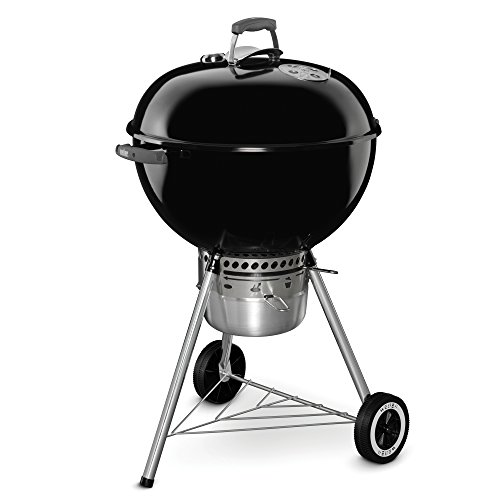
Weber Original Kettle Premium Charcoal Grill 22-Inch
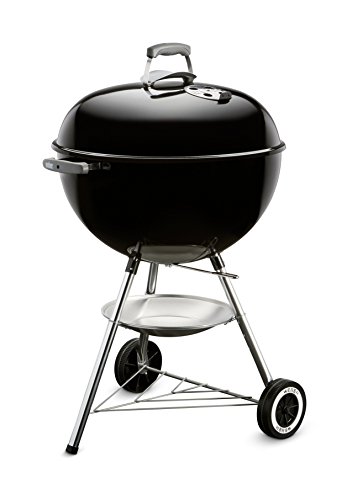
Weber Original Kettle Charcoal Grill 22-Inch

Weber Jumbo Joe Charcoal Grill 18-Inch

Sophia & William Propane Gas Grill and Griddle Combo

Captiva Designs Propane Gas and Charcoal Grill Combo

Sophia & William Charcoal and Gas Grill Combo Dual Fuel

Captiva Designs 4 Burner Propane Gas BBQ Grill 46,700 BTU

Sophia & William 6 Burner Propane Gas BBQ Grill 665 SQ.IN.
A Breakdown Of The Leading Choices
The 22-inch Weber Premium Kettle sits in a sweet spot for backyard cooks who want real charcoal flavor without chasing a learning curve. Its porcelain-enameled bowl and lid hold heat steadily, while the hinged cooking grate swings open so you can add fresh briquettes mid-cook without lifting the whole grate off.
For most weekend routines, the One-Touch cleaning system and high-capacity ash catcher take the worst part of charcoal grilling off your plate. Compared to the smaller Jumbo Joe that comes later in this list, you trade portability for a wider grate that handles burgers and steaks for a crowd.
Notable Upsides
- Hinged grate lets you refresh coals mid-session without losing heat.
- One-Touch ash system sweeps spent charcoal into a removable catcher.
- 22-inch grate fits roughly a dozen burgers in a single round.
- Enamel finish resists rust through years of seasonal storage.
- Dampers on the bowl and lid give you real airflow control.
Things To Consider
- Assembly takes patience; first-timers commonly spend 45 minutes with the manual.
- Charcoal-only design means no quick weeknight start like propane offers.
Feature Snapshot
Right Fit For
Backyard cooks who grill most weekends and want the classic charcoal experience without paying for premium cabinetry.
Swap It Out When
The Weber Jumbo Joe is a smarter call when you mostly cook at the park, the campsite, or anywhere the 22-inch frame is too much to haul.
The Original Kettle is the design Weber has refined for decades, and it shows in the simplicity. The porcelain-enameled bowl and lid hold steady temperatures, while the bottom and lid dampers let you tune airflow with a turn of the hand.
Compared to the Premium version earlier in this list, you give up the hinged grate but keep the same cook surface and cleaning approach. For shoppers who treat a grill like a decade-long purchase rather than a season-to-season buy, this model tends to age well under a cover.
What Earns Its Place
- Time-tested kettle silhouette with dependable heat retention.
- Dampers on the lid and bowl for direct and indirect heat setups.
- One-Touch ash system streamlines end-of-cook cleanup.
- Lower ongoing cost since the parts list is small and widely available.
Trade Offs
- Standard grate is fixed, so adding fuel mid-cook means lifting the whole grate.
- Two wheels instead of three make repositioning on grass a slight chore.
Made For
Practical shoppers who want a no-frills charcoal kettle that earns its keep over many summers of weekend use.
Look Elsewhere When
The Weber Original Kettle Premium is the better pick when you want a hinged grate for mid-cook charcoal refreshes.
The Jumbo Joe takes the kettle silhouette and shrinks the footprint just enough to fit in a trunk or backseat. Its 18-inch plated steel grate still gives you roughly 240 square inches of cook space, which is plenty for four burgers and a few ears of corn.
Tailgaters and campers who already trust Weber’s full-size Original Kettle will feel right at home with the rust-resistant aluminum dampers and glass-reinforced handle. You trade a few inches of grate for legs that fold and a tidy carrying profile.
Useful Touches
- Plated steel grate is tough enough for road-trip hauling.
- Compact frame fits apartment patios and tailgate folds alike.
- Locking lid handle keeps the grill stable during transport.
Worth Noting
- Smaller grate means fewer burgers per batch than the 22-inch Weber kettles.
- No enclosed cart, so propane tank storage is up to you.
Quick Facts
Perfect Match For
Cooks who treat the parking lot, the campsite, or the apartment balcony as their kitchen and want a Weber-grade charcoal taste on the road.
Reach For A Different Pick When
The Weber Original Kettle Premium is a smarter fit when the grill lives on a stationary patio and you want more cooking area.
If your weekend starts with pancakes and ends with seared steaks, the Sophia & William combo collapses two appliances into one footprint. The griddle side handles eggs and smash burgers, while the grill grates cover classic BBQ without forcing a propane swap.
Independent burner controls mean you can keep breakfast warm while you char vegetables on the grill side. For shoppers leaning toward gas, this is a more versatile step than the single-purpose propane units further down the list.
Real-World Strengths
- Two cooking surfaces remove the “one pan at a time” bottleneck.
- Independent zones let one side rest while the other finishes.
- Propane startup cuts preheat time to minutes.
Points To Note
- Griddle surface needs seasoning and gentle cleaning to keep its nonstick feel.
- Takes up more patio space than a single burner grill.
Best Suited To
Home cooks who treat the backyard like a second kitchen and want breakfast-and-dinner flexibility from one propane hookup.
Not Your Match When
The Captiva Designs 4 Burner Propane Gas BBQ Grill suits shoppers who only need classic grilling without the griddle zone.
The Captiva Designs combo splits the difference for households that argue over fuel. A long 61-inch frame holds a propane section and a charcoal section side by side, so one cook handles quick chicken while another slow-grills ribs.
Independent controls on each side keep the cook’s timing separate, which matters more than you’d think during a party. Compared to the Sophia & William dual-fuel unit covered next, this one leans longer and wider, so measure your patio first.
Practical Advantages
- Two fuels in one frame let guests choose their own sear.
- Side burner adds a third zone for sauces or corn.
- Long countertop gives prep space next to the heat.
Factors To Consider
- Larger footprint than single-fuel grills in this guide.
- More components to clean after each cook.
Key Product Details
Whose Shelf It Belongs On
Hosts who entertain often enough to want gas convenience and charcoal flavor on the same table.
Skip It When
The Weber Original Kettle Premium is a smarter call for shoppers who cook smaller batches and don’t need the extra burner space.
Sophia & William’s dual-fuel combo uses three stainless steel burners on the propane side for fast weeknight meals and a charcoal chamber for slow weekend smokes. The total of 28,650 BTU across the main burners plus an 8,530 BTU side burner covers the typical panoply of weeknight sides.
For shoppers who like the idea of dual fuel but want a more compact build than the 61-inch Captiva unit earlier, this grill splits the difference without giving up burner count.
Practical Pluses
- Stainless burners handle repeated heat cycles without pitting.
- Side burner keeps sauces and veggies off the main grate.
- Charcoal side gives smoke flavor when the gas burners feel too clinical.
Honest Caveats
- Charcoal and gas sections share a single lid zone, so indirect heat setups take planning.
- Assembly is heavier than single-fuel carts in this roundup.
Who Should Grab It
Backyard cooks who flip between weeknight gas dinners and longer charcoal cooks on the same rig.
Consider Something Else When
The Captiva Designs Propane Gas and Charcoal Grill Combo is the better call when you want a longer counter for entertaining spreads.
Four stainless burners producing 46,700 BTU turn this Captiva unit into a true workhorse for family-sized dinners. Porcelain-enameled cast iron grates hold heat well, and an enameled flame tamer underneath evens out the hot spots between burners.
For shoppers who already know they want pure propane and a side burner for sautéing mushrooms, this is a more focused bet than the dual-fuel options earlier in the list.
Reasons It Performs
- Four-burner layout handles multiple pans without crowding.
- Cast iron grates sear well and tolerate scrubbing.
- Side burner adds a fifth cooking zone for sides.
Room For Improvement
- Cast iron grates need oiling now and then to prevent surface rust.
- Larger cabinet than smaller gas carts in this roundup.
Feature Overview
Right Fit For
Family cooks who want a propane-only setup with enough burner space to handle dinner for six without juggling batches.
Not Your Match When
The Sophia & William 6 Burner Propane Gas BBQ Grill makes more sense for very large gatherings or full meal prep sessions.
The biggest spread in this roundup lands on the 6-burner Sophia & William, with 665 square inches of porcelain-enameled cast iron grate and a matching side burner. Six stainless burners, flame tamers, and a wide cabinet make this closer to a small outdoor kitchen than a portable grill.
For households that host 10 or more people on a regular basis, the extra burners and grate space turn dinner into a calmer affair. Compared to the 4-burner Captiva unit earlier, you pay for size but skip the bottlenecks during peak cooking.
The Helpful Details
- Six burners handle multiple proteins, vegetables, and sides simultaneously.
- Cast iron grates improve searing marks and heat retention.
- Enamel flame tamers distribute heat evenly across the wide grate.
Soft Spots
- Larger cabinet demands a sizable patio or deck footprint.
- Higher propane consumption during long cooks.
Built With In Mind
Entertainers who cook for a crowd every weekend and want enough burners to keep everything moving.
A Better Fit Elsewhere
The Captiva Designs 4 Burner Propane Gas BBQ Grill is a friendlier fit for smaller patios and families who cook for four to six.
Choosing The Right Fit For Your Cooking Style
Charcoal versus propane is the first fork in the road. Charcoal gives you higher searing temperatures and the smoke flavor that defines backyard cookouts, with longer cleanup and a slower start. Propane wins on weeknight convenience, fast preheat, and easy temperature control. Combo units split the difference if your household can’t agree on a fuel.
Size matters more than spec sheets suggest. Measure your patio, deck, or storage space before falling for a wide cook surface. A 22-inch kettle fits almost anywhere, while a six-burner propane cabinet needs room to breathe on every side.
Materials affect long-term ownership. Porcelain-enameled bowls resist rust, cast iron grates sear well but want occasional oiling, and plated steel is lighter for travel. Match the material to where you store the grill and how often you cook.
Consider how often you entertain. A two-person household might never need six burners or 665 square inches of grate. Bigger cooks cost more, weigh more, and burn more propane, so honest capacity planning pays off.
Key Considerations Across These Picks
Where Shoppers Go Wrong
Focusing on BTU totals alone is a common trap. A 46,700 BTU grill with poor heat distribution cooks worse than a smaller grill with even flame tamers. Look at burner count, grate material, and the cabinet’s ability to hold heat instead of chasing the biggest number on the box. Overbuying for imaginary dinner parties is the second slip; most families cook for four, not fourteen.
When Paying More Pays Off
Premium pricing tends to buy better materials and longer warranties rather than raw cooking power. Porcelain-enameled cast iron grates last longer than plated steel, stainless burners resist pitting, and thicker lids hold steady temperatures in windy weather. The upgrade is worth it when you cook most weekends and expect the grill to outlast several phones.
Frequently Asked Questions
What size grill do most families actually need? For a household of four, a 22-inch kettle or a 3-burner propane unit covers typical weeknight and weekend cooks. Larger grills start to make sense when you regularly host eight or more guests.
How long does a charcoal grill take to be ready? Charcoal kettles usually need 20 to 30 minutes from lighting to cooking temperature. Propane grills are typically ready in 10 minutes or less, depending on the burner design and ambient temperature.
Can I leave a grill outside year-round? Most grills in this roundup handle weather under a fitted cover. Owners commonly report that covered kettles last many seasons, though covers should be checked seasonally for tears.
Is a side burner worth the extra space? A side burner earns its place when you regularly sauté vegetables, simmer sauces, or boil water for corn while the main grate stays on protein duty. Cooks who stick to straightforward grilling can skip it.
How do I clean a cast iron grate safely? Heat the grill briefly to loosen residue, then brush with a wire brush while warm. A thin coat of oil after each cook helps prevent rust on cast iron surfaces.
Wrap Up
Affordable Bbq Grills come in enough shapes and fuel options that the right match depends on your space, your cooking rhythm, and how often you entertain. Start with charcoal if flavor matters most, propane if convenience wins, and a combo if your household wants both. A well-chosen grill should outlast several summers of weekend cooking without making you choose between sear marks and a clean patio.