
A good night’s sleep outdoors makes the difference between a memorable trip and a miserable one. Cold drafts, a too-tight mummy cut, or a flimsy shell can ruin a long hike faster than a wrong turn on the trail. The right adult sleeping bag matches your climate, your body, and the way you actually camp, so you wake up rested instead of counting hours until sunrise.
The Essentials At A Glance
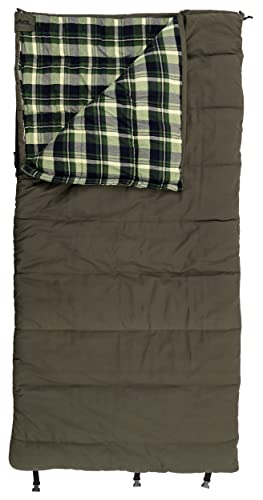
ALPS OutdoorZ Redwood -25 Sleeping Bag
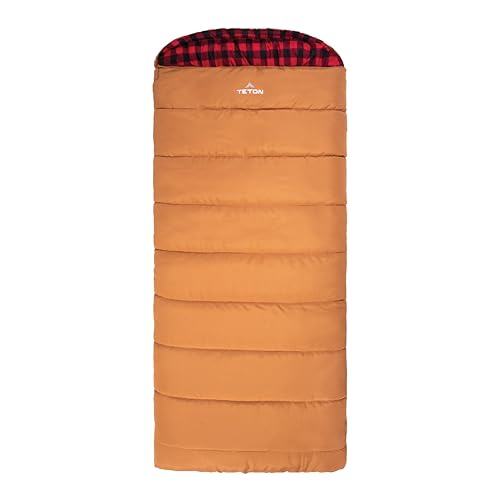
TETON Sports Deer Hunter Sleeping Bag

Atarashi 4-Season Extra-Large Sleeping Bag

MalloMe Sleeping Bag for Adults and Kids

Earth Guru Sleeping Bag for Adults and Kids

Carinthia Defence 1 Sleeping Bag

MalloMe Sleeping Pad with Foot Pump

TANSTRIDER XXL Flannel Sleeping Bag
Meet The Standout Selections
The Redwood sits in a category most bags avoid: honest winter camping. Its oversized rectangular cut gives restless sleepers room to roll, sit up, or stretch without fighting fabric. The Techloft fill uses multi-hole staple-length micro-denier fibers with a slick finish, which translates to solid loft and dependable warmth at very low temps.
If your trips include shoulder-season hunting or full-on winter nights above the snow line, the Redwood makes a strong case for itself. Tall campers especially appreciate the length, since most mummy bags force a choice between cramped feet and a hood that doesn’t seal. Compared to the lighter three-season picks on this list, this one is built to take real punishment.
Positive Takeaways
- Rectangular shape gives room to move, change layers, or store a water bottle inside without compressing the fill.
- Synthetic Techloft insulation handles moisture better than down, so damp snow or condensation won’t flatten its loft.
- Roomy dimensions suit campers over six feet who feel strangled in standard mummy bags.
- Heavy-duty construction handles repeated trips, rough ground, and gear-hauling campers without showing early wear.
Things To Consider
- Bulk and weight make it a poor match for backpackers counting every ounce.
- Synthetic fill means a larger packed size than a comparable down bag, so pack space matters.
Who It Suits Best
Winter car campers, hunters, and tall sleepers who need real warmth without a mummy-bag squeeze.
Consider Something Else When
The Carinthia Defence 1 Sleeping Bag is the better match for backpackers who want alpine-grade warmth at a fraction of the weight and packed size.
The Deer Hunter feels closer to a classic bedroll than a modern ultralight shell, and that is its appeal. A poly-cotton canvas outer shrugs off abrasion from truck beds, barn floors, and rough tent pads, so the bag stays serviceable for years. The mummy-style hood cinches down around your head, sealing in warmth on still, cold nights.
Fiber fill rated for below-freezing temps keeps the bag useful across most of the hunting season. Compared to the ALPS Redwood, the Deer Hunter trades synthetic loft for a heavier canvas shell that breathes a bit better in variable weather. You trade packed size for durability, which suits base-camp trips where weight isn’t the deciding factor.
What Pays Off
- Canvas shell resists tears, sparks, and the rough handling that destroys nylon bags in a season or two.
- Adjustable mummy hood traps heat around your head, where most cold-weather heat loss happens.
- Generous interior feels closer to a home blanket than a stuff sack.
- Synthetic insulation keeps performing if the shell gets damp from dew or frost.
Points To Keep In Mind
- Canvas adds noticeable weight, so this is a base-camp bag, not a backcountry choice.
- Larger packed footprint means you’ll plan vehicle space around it.
- Needs careful drying before storage to prevent mildew in the natural-fiber shell.
Made For
Hunters, anglers, and base-camp campers who want a long-lasting bag that handles rough use season after season.
Look Elsewhere When
The MalloMe Sleeping Pad with Foot Pump is a better fit for campers who want a complete sleep system rather than a single heavy bag.
The Atarashi 4-Season earns its spot by doing several jobs at once, without demanding specialist skills. Its 33 by 87 inch cut fits most adults up to roughly 5’11”, and the rectangular shape gives genuine elbow room. The 290T nylon shell uses a water-resistant treatment, which keeps early-morning condensation and light rain from soaking through during shoulder-season trips.
With 12 oz per square yard of polyester insulation and a comfort range around 32 to 77 degrees Fahrenheit, the bag handles everything from cool spring evenings to mild summer nights. Compared to the MalloMe entry on this list, the Atarashi is a touch warmer and heavier, trading ultralight credentials for steadier performance on cold nights.
Why It Works Well
- Water- and wind-resistant shell handles surprise drizzle without saturating the fill.
- Compression sack shrinks the bag into a manageable pack size for short hikes to the campsite.
- Extra-large cut feels generous for side sleepers who shift positions through the night.
- 3-to-4-season range covers most non-alpine trips a typical camper will book.
Honest Caveats
- At roughly 4.2 pounds, it’s not the first choice for long-distance backpackers.
- Synthetic fill compresses more than down, so the packed size is still meaningful.
Best Suited To
Car campers, weekend hikers, and casual outdoors folks who want one bag that travels through three seasons without swapping gear.
Skip It When
The MalloMe Sleeping Bag for Adults and Kids is a better match for shoppers on a tighter budget who don’t need the extra temperature margin.
The MalloMe double-layer design targets the most common frustration among first-time campers: a bag that feels damp by 3 a.m. Its weather-resistant shell works with the polyester fill to keep that clammy chill at bay, even on humid summer nights. The rectangular cut sleeps comfortably for most adults and rolls down small enough for short trails.
The bag is widely used for Scout trips, family campouts, and backyard overnights, which says something about its forgiving comfort range. Compared to the heavier Atarashi above, the MalloMe is lighter and easier to toss in the car. It isn’t built for sub-freezing nights, but for the entry-level use case, it covers the bases without ceremony.
Features That Help
- Weather-resistant outer shell handles condensation, dew, and brief drizzle without soaking through.
- Double-layer construction helps the fill stay lofted through the night, rather than flattening under body weight.
- Lightweight packed size suits short hikes and packing-sensitive family trips.
- Single-bag-fits-most sizing simplifies group planning for families and Scouts.
Trade Offs
- Comfort range favors mild weather; cold nights below the upper 40s need a liner or extra blanket.
Perfect Match For
New campers, families, and Scout groups who want a forgiving, no-fuss bag that handles warm-to-cool conditions.
Reach For A Different Pick When
The Earth Guru Sleeping Bag is the better fit for campers who want a wider temperature range across more seasons.
The Earth Guru bag leans on its waterproof hex-tech outer shell, which uses double-layer construction with S-shape stitching to keep insulation evenly distributed. The 3D synthetic fill is rated for roughly 50 to 77 degrees Fahrenheit, comfortably covering spring, summer, fall, and mild shoulder-season nights. At around three pounds for an adult-size bag, it’s light enough for short backpack trips but still feels substantial in the hand.
For weekend campers who want one bag that follows the calendar without a swap-out, the Earth Guru lands in a useful middle. It fits most campers up to six feet, and the weather-resistant shell is reassuring when weather forecasts change on the way to the trailhead. Compared to the MalloMe on this list, it adds a touch more temperature range and a tighter shell weave.
Everyday Advantages
- Waterproof shell shrugs off overnight rain and morning dew without leaking through to the fill.
- S-shape stitching keeps insulation from migrating, so warm spots don’t develop after a few uses.
- Year-round comfort range handles spring chill and summer heat in the same bag.
- Lightweight profile is realistic for short backpacking trips and gear-hauling kids.
Minor Gripes
- Synthetic insulation packs larger than premium down alternatives at similar weights.
- Lower comfort limit tops out near 50 degrees, so it isn’t a true winter bag.
Who Should Grab It
Recreational campers and casual backpackers who want a versatile bag that handles spring through fall without swapping gear.
Where Another Pick Suits Better
The ALPS OutdoorZ Redwood -25 Sleeping Bag is a better fit for campers planning genuine winter nights rather than cool-weather shoulder seasons.
The Carinthia Defence 1 is the bag you reach for when pack space and weight matter more than comfort features. G-LOFT insulation, a high-performance synthetic that mimics down’s loft while resisting moisture, sits inside a mummy shell with a differential cut (the outer fabric is intentionally cut larger than the inner, so the fill can loft fully without compression). The result is serious warmth at a fraction of the bulk.
A two-way center zipper and a lightweight single-layer construction suit alpine starts, multi-day routes, and minimalist kit lists. Compared to the ALPS Redwood, the Defence 1 sacrifices the rectangular roominess for a tight, thermally efficient cut. It rewards campers who already know how to manage warmth in a mummy profile and want gear that disappears in the pack.
Real-World Strengths
- Compact pack size slips into the bottom of a multi-day pack without forcing trade-offs elsewhere.
- G-LOFT fill keeps insulating even if the shell picks up condensation overnight.
- Differential cut lets insulation loft properly, so the bag delivers warmth for its weight.
- Mummy shape and tight draft collar keep heat close to the core on cold alpine nights.
A Few Limitations
- Snug mummy cut feels restrictive to side sleepers and restless campers.
- Premium positioning puts it well above casual weekend options on cost.
- Not ideal for campers who prefer to sit up, read, or use the bag as a quilt on mild nights.
Built With In Mind
Backpackers, mountaineers, and gear-focused campers who want alpine warmth in a small, lightweight package.
Swap It Out When
The TANSTRIDER XXL Flannel Sleeping Bag is the better match for campers who value a wide rectangular cut and natural lining over ultralight performance.
The MalloMe Sleeping Pad rounds out this list because even the best bag underperforms on bare ground. The patent-pending Chevron V-shape air-cell design contours to your body and spreads weight more evenly than flat tubes, which reduces pressure points and the morning backache that comes from a sagging pad. A built-in foot pump inflates the mat in minutes, no mouth-blowing or hand pump required.
For campers tired of rocky tent floors, car campers chasing more comfort, and backpackers who want a lighter setup, the pad fills a clear niche. It’s the kind of accessory that quietly upgrades every bag on this list. Pair it with the TETON Deer Hunter at base camp, or slide it under a Carinthia Defence 1 for an ultralight alpine setup with real cushion.
What It Does Well
- Built-in foot pump saves your lungs and cuts setup time at the campsite.
- V-shape air cells cradle the hips and shoulders, so restless sleepers shift without falling off the pad.
- Leak-resistant construction handles campsite debris better than bargain inflatable mats.
- Quick-release valve makes pack-down fast at sunrise.
Worth Noting
- Inflatable pads need a flat, debris-cleared spot to perform well.
- Field repairs require a patch kit for any puncture, so carry one for longer trips.
The Right Fit
Campers who want a more comfortable sleep surface to pair with any of the adult sleeping bags on this list.
Where A Sibling Pick Shines
The TETON Sports Deer Hunter Sleeping Bag is the better solo choice for campers focused purely on insulation, not sleep-system support.
The TANSTRIDER XXL solves a problem most bags ignore: fitting big and tall campers without that wrapped-in-a-burrito feeling. At roughly 90.5 by 39.4 inches, the cut gives genuine room to turn over, sit up, and stretch. The flannel lining feels closer to home bedding than technical fabric, and the cotton-flannel blend traps body heat efficiently in the 40 to 45 degree comfort range.
For campers who run cold or want a more textile-feeling interior, the flannel lining is a genuine upgrade over standard polyester. The shell uses a waterproof treatment, and the whole bag is machine washable, which matters on long trips and extended base-camp stays. Compared to the Carinthia Defence 1, the TANSTRIDER trades ultralight performance for size, comfort, and easier care.
Everyday Wins
- XXL dimensions fit big and tall campers who feel cramped in standard adult bags.
- Flannel lining adds a layer of cozy comfort and helps trap body heat on cool nights.
- Machine-washable construction simplifies post-trip cleanup after muddy or smoky camps.
- Waterproof shell handles condensation and light rain without soaking through.
Small Caveats
- At 6.2 pounds, this is firmly a car-camp or short-hike bag, not a long-distance backpacking pick.
- Cotton-blend flannel takes longer to dry than synthetic linings if it gets wet.
- Packed size is large compared to ultralight options in the same category.
Whose Shelf It Belongs On
Big and tall campers, cold-sensitive sleepers, and anyone who values a wide rectangular cut with natural-fiber comfort.
Not Your Match When
The Carinthia Defence 1 Sleeping Bag is the better match for backpackers who need a smaller packed size and lower carry weight.
What Matters Most Before Choosing Adult Sleeping Bags
Temperature rating is the first number that matters, and it’s worth understanding how it’s reported. A “comfort” rating reflects the lowest temperature at which the average sleeper stays warm, while a “lower limit” rating reflects survival conditions for a warm sleeper in a curled position. Most campers should plan around the comfort rating, with a margin for wind chill and a damp night.
Shape changes how a bag sleeps, not just how it packs. Rectangular bags give elbow room, sit-up space, and the option to zip two together for partners. Mummy bags trim weight and packed size by hugging the body, which warms faster but feels restrictive to side sleepers. Hood design matters more than people expect; a poorly drafted hood leaks heat fast, especially on windy ridges.
Fill type shapes care and longevity. Down compresses small and weighs little but loses loft when wet and dries slowly. Synthetic fills like Techloft or G-LOFT cost more weight for the same warmth but keep insulating through damp nights, which is why they dominate the cold-weather and value tiers on this list.
Key Considerations Across These Picks
Traps First Timers Fall Into
Buying for the coldest possible night leads to a bag that’s too warm for nine trips out of ten. Most campers sleep above freezing more often than they sleep below it, so a 20-degree synthetic bag handles the majority of conditions. Another common slip is ignoring packed size: a bag that swallows half your pack forces trade-offs elsewhere.
Where The Extra Money Goes
Premium picks like the Carinthia Defence 1 earn their cost through lighter insulation, tighter shell weaves, and smaller packed volumes. That matters on long routes, where every pound compounds across days. For car campers and weekend trips, mid-tier bags deliver most of the warmth at a fraction of the weight savings, and the upgrade isn’t usually worth it.
Frequently Asked Questions
What temperature rating do most campers actually need? A bag rated to about 20 degrees Fahrenheit handles most three-season conditions for cold-sensitive sleepers. Campers who run warm can usually push a 30-degree bag further with base layers and a sleeping pad underneath.
How important is the sleeping pad? Very. A pad does most of the insulating work from the ground side. Even the warmest bag loses much of its effectiveness on bare earth, which is why the MalloMe pad on this list is worth considering.
Can one bag work for summer and winter? Rarely, unless you accept real trade-offs. A winter-rated bag will roast you in summer, and a summer bag won’t keep you alive on a 10-degree night. Most campers do better owning one three-season bag plus a liner for cold snaps.
How do I wash a sleeping bag without damaging it? Front-loading washers on gentle cycle, with a technical wash designed for down or synthetic fill, handle most bags. The TANSTRIDER XXL on this list is machine washable by design, which simplifies care for casual campers.
How long should a sleeping bag last? With reasonable care, a quality synthetic bag delivers five to ten years of regular use. Down bags last longer when properly stored, but synthetic bags tolerate rougher handling and are easier to maintain for new campers.
The Takeaway
The right adult sleeping bag depends less on specs on paper and more on the trips you actually take. Car campers chasing warmth in shoulder seasons want a roomy rectangular bag like the Redwood or the Deer Hunter. Backpackers chasing low weight want a tight, efficient mummy like the Carinthia Defence 1. Pick for the conditions you’ll meet most, leave a little margin for the worst, and the rest of the trip falls into place.