
A good day outdoors leans on quiet, well-made accessories. From a cooler-mounted opener that handles camp beers to a stove system that boils water fast in wind, the right small gear turns a campsite from functional to comfortable. This list leans on durability, weight, weather resistance, and how each piece fits into a real trip, whether you’re driving a truck into a remote site or hiking a few miles before sundown.
An Overview Of The Picks

YETI Wall or Cooler Mounted Bottle Opener

NICOLEKAY Brass Propane Bottle Caps (Pack of 12)
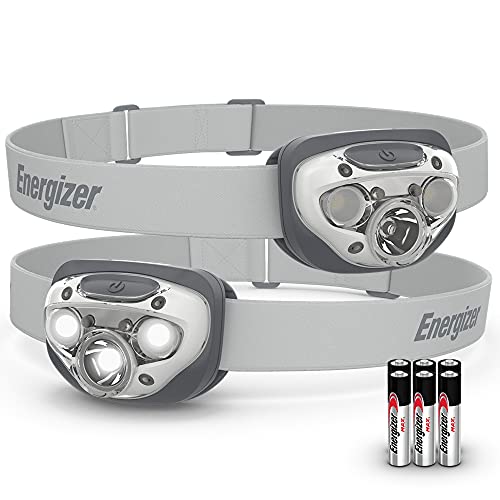
Energizer LED Headlamp PRO (2-Pack)

Energizer Universal LED Headlamp (2-Pack)

Energizer PRO-260 LED Headlamp

Fire-Maple Fixed Star 1 Stove System

Fire-Maple Petrel G2 Camping Pot 750ml
Fire-Maple Fixed Star 1 Pro Stove System
Fire-Maple Fixed Star 2 Pro Stove System
The Strengths Of Each Pick
The YETI opener is one of those small accessories that earns a permanent spot at the cabin or on the deck. Its retro look pairs naturally with a YETI Tundra cooler, and the four-screw cast stainless steel body shrugs off dents that would finish a stamped steel alternative.
You can mount it almost anywhere flat: a cooler lid, a dock post, a side table, or a wooden beam. At roughly 2.5 inches square, it doesn’t take up real estate, and the lever arm is sized for thick caps. For campers who treat gear like long-term kit rather than seasonal gadgets, the heavy feel signals it was built to stay outside.
Useful Touches
- Cast stainless steel holds up to coastal air and freezing temps
- Four-screw mount spreads force across a wider surface, reducing pull-through on plastic cooler lids
- Retro styling suits hunting camps, fishing docks, and man caves equally well
- Compact 2.5-inch footprint fits tight spots on table edges and bench boards
Things To Consider
- Requires screws and a drill, so installation is permanent once you commit
- Heavier than plastic openers, which may bother weight-conscious backpackers
Who It Suits Best
Camp hosts with a YETI cooler and a fixed spot who want a long-life opener that doubles as décor.
Where Another Pick Suits Better
Backpackers heading deep into the woods should skip this and reach for the BoglerCo Ultralight Backpacking Trowel, which addresses a different trail need at a fraction of the weight.
Loose 1-lb propane bottles are a small but real safety and waste issue. These solid brass sealed caps solve it by threading onto standard 14 and 16 oz camping cylinders, sealing off unused ports on tank trees, and capping empties between trips.
The knurled exterior means you can tighten them by hand. A soft rubber washer inside mirrors what you’d find on a garden hose fitting, which keeps the seal gas-tight without tools. You get a pack of 12, enough to cover several camp stoves, heaters, and the orphaned connectors on a fuel manifold.
A Few Strong Suits
- Solid brass resists corrosion from fuel residue better than plated steel alternatives
- Fits both 14 and 16 oz cylinders and unused tree ports, covering common camp stove setups
- Hand-tighten knurling eliminates the need to carry pliers into the field
- Twelve-pack value supports multi-bottle kits and group gear
Worth Noting
- Doesn’t replace a proper regulator; it only seals and caps, not pressures fuel lines
- Brass can tarnish over time if stored damp, so a quick wipe before storage helps longevity
- You may end up with more caps than single-bottle users need, making it a bulk-leaning purchase
Feature Snapshot
Made For
Campers and tailgaters running small stoves or heaters who store partial bottles between trips and want to keep fuel lines clean.
Consider Something Else When
Backpackers focused on cooking setup may find more value in the Fire-Maple Fixed Star 1 Stove System, which bundles stove and pot into one trail-ready kit.
The two-pack version of Energizer’s Vision HD+ headlamp covers the most common campsite pain point: one person always forgets the light. Splitting the pair between tents, or keeping a spare in your vehicle, costs you almost nothing extra.
Each unit pushes 260 lumens on high with up to 80 meters of throw, which is plenty for rigging lines, sorting gear, or finding the trailhead outhouse. The IPX4 rating (meaning it handles splashes from any direction) keeps it alive through rainstorms and accidental drops in puddles, depending on how rough your trips get.
The Value In It
- Two-pack gives you a backup headlamp for the same cost as most single premium units
- 260-lumen high mode handles most campsite tasks without a separate lantern
- IPX4 splash resistance survives drizzle and the occasional drop in shallow water
- Comfortable head strap suits long wear during setup, cooking, and breakdown
Points To Note
- Plastic housing can scuff over time if tossed loosely in a pack, so a small pouch helps
- Beam is more floody than throwy, which favors close work over long trail spotting
Best Suited To
Car campers and family groups who want one headlamp per person without buying singles individually.
Look Elsewhere When
Hikers who need a tighter, longer beam for night navigation should consider the Energizer PRO-260 LED Headlamp with its multiple beam modes.
If the PRO headlamp is a workhorse, the Universal is the friendly cousin. It uses a lighter compact shell aimed at casual campers, emergency kits, and DIY projects, where you want hands-free light without bulk.
Batteries ship in the box, so you can toss one in the glovebox right away. IPX4 splash protection carries over from the PRO line, and the lower output is honestly enough for reading in a tent, walking a dog, or finding fuses in a dark garage. It runs cooler and lighter on your forehead over multi-hour wear.
What It Does Well
- Compact shell reduces bounce during jogging and trail walking
- Includes batteries, so it’s a grab-and-go emergency light straight from the package
- IPX4 rating handles light rain and kitchen sink splashes without damage
- Multi-purpose design fits camping, power outages, and household repairs
Honest Caveats
- Lower lumen count limits usefulness for tasks beyond tent-distance visibility
- Plastic hinge on the battery door can wear with rough handling, depending on use
Quick Facts
Perfect Match For
Casual weekend campers and homeowners who keep a headlamp in the emergency drawer for storms and quick fixes.
Skip It When
You regularly push past dusk on technical trails and need the extra output and throw of the Energizer PRO-260 LED Headlamp.
The PRO-260 is the headlamp you reach for when a single mode isn’t enough. It covers high and low spot beams, high and low flood beams, plus a red night-vision setting, so you can adapt to trail, tent, and map reading without swapping lights.
At 260 lumens and an 80-meter reach, it has enough punch for storm prep and post-dusk trail scouting. The red mode preserves your dark adaptation in shared tents, which is genuinely useful for parents and group campers. IPX4 keeps it alive through rain, and batteries ship in the box.
Positive Takeaways
- Multiple beam modes handle spot lighting, area lighting, and night vision in one unit
- 260-lumen high output reaches 80 meters for serious distance work
- Red mode preserves night vision in shared tent spaces
- IPX4 splash rating survives rough weather and sweaty trail runs
Trade Offs
- More modes means a steeper learning curve, so first-time users may stick to two settings
- Higher output drains batteries faster, especially if you forget to switch off high mode
Technical Highlights
Who Will Love This
Storm preppers, trail runners, and serious campers who want one headlamp that adapts to whatever the night throws at them.
Another Choice May Suit
Family campers who mostly need a light for tent use and dog walks may prefer the simpler Energizer Universal LED Headlamp and its gentler learning curve.
At 0.48 oz, the BoglerCo trowel weighs less than three nickels stacked together. For ultralight backpackers and thru-hikers counting every gram, that matters more than any single feature on a heavier tool.
It handles cathole digging for backcountry bathroom use and quick trail maintenance. The end cap gives your palm something to push against, so you can lean in with full force without the handle biting into your skin. Owners commonly appreciate that it slides into a pack’s outer pocket without a noticeable bulge.
Strengths Worth Knowing
- Featherweight 13.5g body leaves room in your pack for other essentials
- Made in the USA, which appeals to shoppers who prioritize domestic sourcing
- End cap transfers force cleanly so you can dig without hand fatigue
- Slim profile disappears in pack pockets and bottle sleeves
Softer Spots
- Short blade length makes it less effective in rocky or root-heavy ground
- Lacks measurement marks, so it’s less useful for snow pit or shelter depth work
Feature Rundown
Right Fit For
Thru-hikers and ultralight backpackers who count every gram and need a basic digging tool that stays out of the way.
Not Your Match When
Car campers looking for a multi-purpose tool should skip this and instead pick up the Fire-Maple Petrel G2 Camping Pot to round out a car-camping cook kit.
The Fixed Star 1 is the kind of integrated system backpackers buy once and carry for years. The stove, bowl, and fuel canister all nest into the 1-liter pot, so a complete kitchen packs into a shape roughly the size of a Nalgene.
Its heat exchange ring is the standout feature, since it’s a finned coil at the base of the pot that captures heat from the burner flame and transfers it to the liquid. This reduces boil times and saves fuel on windy ridges. The trade-off is weight: at 18 oz total, it isn’t truly ultralight, but for two-to-three-day trips the efficiency pays off.
A Strong Showing
- Heat exchange design shortens boil times and stretches canister fuel
- All-in-one nesting keeps packing simple and prevents lost parts
- 1-liter pot handles rehydrate meals for two with room to spare
- Piezo igniter (the click-to-light sparker built into the burner) removes the need to carry matches
Room For Improvement
- Fuel canister is not included, so factor that into your setup
- Not compatible with Coleman-brand canisters, which limits flexibility for those with legacy fuel stock
Built With In Mind
Backpackers who want a turnkey cooking setup and care more about fuel efficiency than shaving the last gram.
Reach For A Different Pick When
Ultralight purists should look at the Fire-Maple Petrel G2 Camping Pot, which trims weight by leaving the stove separate.
The Petrel G2 is what you grab when you already have a stove and just need a lighter pot. At 184.5g, the aluminum alloy body cuts weight without sacrificing durability, and the foldable silicone handle keeps the packed profile narrow.
The 750ml capacity is sized for one hungry hiker or two light eaters. Heat-ring fins on the base improve efficiency on small canisters, so you’re not wasting fuel just to boil ramen water. It also nests over a standard 100g canister, which makes the kit packable for fast-and-light trips.
Good Reasons To Consider
- 184.5g aluminum body suits hikers watching pack weight closely
- Foldable handle saves space and stays cool during use
- Heat exchange base improves boil efficiency over plain-wall pots
- Nests over standard small fuel canisters for tidy packing
Factors To Consider
- Aluminum is lighter but dents easier than titanium if dropped on rock
- No lid included in the source listing, so steam control requires improvisation
- Single-pot size means one course at a time for larger groups
Who Should Grab It
Solo hikers and fast-pack travelers who already own a compatible stove and want a lighter pot without buying a full system.
Swap It Out When
You’d rather have everything in one box and value the integrated design of the Fire-Maple Fixed Star 1 Pro Stove System.
The 1 Pro keeps everything the original Fixed Star 1 does well and addresses the most common complaint: the handle. The upgraded folding handle locks more securely and tucks out of the way during transit, which reduces the chance of a popped latch mid-pack.
At 19.6 oz, it lands within an ounce of the original, so you don’t pay a weight penalty for the better ergonomics. The heat exchange ring and piezo igniter remain, and the same 1-liter pot nests a small canister, bowl, and stove. For cooks who like the integrated design but want a sturdier feel, this is the natural choice.
Notable Upsides
- Upgraded folding handle resists accidental unlatching during packing
- Heat exchange ring maintains the boil-time and fuel savings of the original design
- Piezo igniter built in for matches-free lighting
- Compatible with most standard canisters for flexible fueling
Less Ideal Details
- Slightly heavier than the original at 19.6 oz versus 18 oz
- Still excludes a fuel canister, so budget for that separately
- Not compatible with Coleman-brand canisters, limiting swap options on the trail
Feature Snapshot
Whose Shelf It Belongs On
Backpackers upgrading from an older stove who want the same proven integrated layout with a better handle.
Where A Sibling Pick Shines
Campers cooking in serious wind should consider the Fire-Maple Fixed Star 2 Pro for its integrated piezo and refined wind performance.
The Fixed Star 2 Pro sits at the top of this Fire-Maple family for a reason: it combines the integrated pot-and-stove design with a piezoelectric igniter (the spring-loaded spark mechanism that lights the burner when you press a button) and a refined heat exchange ring that holds up in stronger wind.
At 19.8 oz, it carries essentially the same weight as the 1 Pro but adds a more wind-tolerant burner profile, which matters at altitude and on exposed ridges. The pot nests everything inside, so your cook kit still fits inside a daypack pocket. For campers who eat hot meals every night and want reliability without a learning curve, this is the easy choice.
Where It Excels
- Piezo igniter lights the burner reliably even with cold or wet hands
- Refined heat exchange design improves wind tolerance over open burners
- Integrated pot-and-stove layout keeps setup to a single step
- All accessories nest inside the 1-liter pot for compact packing
Worth Bearing In Mind
- Heavier than non-integrated pot-and-stove combos, so not for ultralight purists
- Excludes fuel canister, which adds a separate purchase before your first trip
- Not compatible with Coleman fuel canisters, which may frustrate those with legacy fuel
Right Fit For
Backpackers and campers who frequently cook in wind, on ridgelines, or at altitude and want one integrated system that handles it all.
A Better Fit Elsewhere
Weight-focused hikers who already own a stove should pick the Fire-Maple Petrel G2 Camping Pot instead and save ounces.
What Matters Most Before Choosing Accessories For Camping
Match Gear To Your Trip Type
The biggest decision before any accessory is how you camp. A car camper with a cooler and a fixed kitchen has very different needs than a backpacker counting ounces. Coolers, bottle openers, and propane caps fit the first profile. Lightweight stoves, compact pots, and featherweight tools fit the second.
For mixed trips, hybrid items like the Fire-Maple integrated stove systems cover both worlds without forcing you to buy separate pieces.
Materials And Weather Resistance
Stainless steel and brass outlast plastic in coastal or humid environments. Aluminum cookware keeps weight low but dents if you drop it on rock. IPX4-rated headlamps (a water resistance standard meaning they survive splashes from any direction) handle rain and accidental dunks, which matters more than lumen count if your trips span shoulder seasons.
Choose materials based on your usual climate: stainless and brass for wet or salty conditions, aluminum for dry alpine routes.
Compatibility With Existing Kit
A stove that doesn’t fit your fuel canister, or a headlamp that doesn’t take standard batteries, creates real problems in the field. Check fuel compatibility before you buy, especially if you already own Coleman-brand stock or older canisters.
The NICOLEKAY brass caps work with both 14 and 16 oz propane bottles, which makes them broadly useful across stoves and heaters.
Weight Versus Durability Trade-Off
Ultralight gear saves your back but typically costs more and wears faster. Heavier steel and brass items last longer and handle abuse, but they earn their weight only if your trips include car camping or repeated use. Pick the side that matches how often and how hard you camp.
Key Considerations Across These Picks
Common Shopping Slip Ups
A frequent mistake is buying headlamps based on lumen count alone. A floody beam at 300 lumens won’t reach a trail marker 50 meters away, while a focused 200-lumen spot will. Match the beam type to your activity, not just the brightness number.
Another trap is assuming all stoves fit all canisters. The Fire-Maple systems specifically exclude Coleman canisters, which surprises campers who already own legacy fuel. Always confirm fuel compatibility before checkout.
Where The Extra Money Goes
Higher-tier accessories like the Fixed Star 2 Pro cost more because they integrate features that cheaper kits make you assemble yourself. The piezo igniter, refined heat exchange ring, and nesting pot layout remove small hassles that add up over a week of trips.
You pay for tighter tolerances and tested wind performance, which matters in real conditions. For weekend campers in calm weather, the basic Fixed Star 1 covers the same core need at lower cost.
Frequently Asked Questions
What is the most useful accessory for camping?
It depends on how you camp, but a reliable headlamp and a clean water solution tend to help almost everyone. For car campers, a cooler-mounted opener and propane caps add convenience. For backpackers, an integrated stove system saves space.
How do I choose a camping stove?
Start with trip length and group size. A 1-liter integrated system suits one or two campers on multi-day trips. Larger groups or colder conditions benefit from a higher-output burner with a wind-tolerant design.
Are ultralight tools durable enough?
For their weight, yes, but they wear faster than heavier alternatives. The BoglerCo trowel handles normal backcountry digging well, though it struggles in rocky soil where a heavier blade would bite more confidently.
Do I need a piezo igniter on a backpacking stove?
Not strictly, but piezo igniters save you from carrying matches or a lighter, which often fail in wet conditions. They add a small cost for meaningful redundancy.
Can I use any propane bottle with these accessories?
The brass caps fit standard 14 and 16 oz camping bottles. The Fire-Maple stoves accept most canisters but exclude Coleman-brand fuel, so check compatibility before you stock up.
Wrap Up
The right accessories turn a campsite from a place you survive into a place you enjoy. Lean toward stainless, brass, and integrated systems if your trips involve heavy use, and toward lighter aluminum and ultralight tools if your pack weight matters most. Match each piece to how you actually camp, and the rest takes care of itself.