
Camping in 2026 looks nothing like it did a decade ago. Glamping rigs, van conversions, and Class A motorhomes all push the limits of what counts as “roughing it,” and a reliable cooling system sits near the top of every serious road-tripper’s packing list. The right AC unit transforms a sweltering afternoon into a comfortable retreat, while the wrong choice leaves you sweating through bedding and fighting condensation on every surface. The picks below cover rooftop RV systems engineered for permanent installation and portable units that move between campsite, tent, and cabin with ease. Each one handles heat differently, so the right match depends on your rig size, power setup, and how often you swap locations.
The Essentials At A Glance
Arsenda 18000 BTU Rooftop RV Air Conditioner (Non-Ducted)

Arsenda 18k BTU RV Air Conditioner with Heat Pump

Arsenda 18000 BTU Rooftop RV AC Unit

Temprium 14,000 BTU 4-in-1 Smart Portable AC
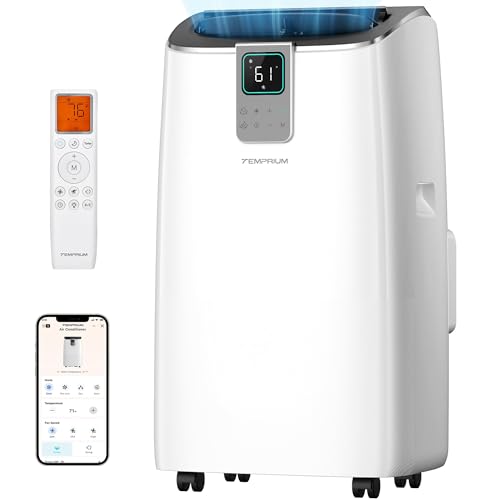
Temprium 16,000 BTU Inverter Dual Hose Portable AC
The Picks, Examined More Closely
Rooftop RV air conditioners are the standard for serious road warriors, and this Arsenda unit lands as a well-rounded entry point. It fits RVs ranging from compact 16-foot campervans up to sprawling 40-foot Class A coaches, making it flexible for almost any setup you bring to a campsite.
The heat pump function matters more than people realize on shoulder-season trips. Spring mornings in the Rockies or late autumn nights in the desert stay livable without firing up a separate furnace, which simplifies your rig’s overall power draw and equipment list.
Benefits That Matter
- Year-round climate control with combined cooling and heating in one rooftop unit
- Wide compatibility across RV sizes from 16 to 40 feet
- Non-ducted design simplifies installation on rigs without existing ductwork
- Strong cooling capacity handles direct sun exposure on summer afternoons
Things To Consider
- Requires both 115V AC and 12V DC connections, which may complicate older rigs
- Rooftop installation typically needs two people and a stable ladder
At A Glance
Best Suited To
Full-time RVers and seasonal travelers with mid-to-large rigs who want a single unit handling both summer cooling and shoulder-season heating.
Look Elsewhere When
Tent campers and van-lifers without rooftop mounting space will find the Temprium 14,000 BTU 4-in-1 Smart Portable AC far easier to deploy and reposition between sites.
If your idea of camping involves actual sleep, low-noise operation moves from nice-to-have to essential. This second Arsenda rooftop shares the cooling muscle of the first pick but focuses its engineering on keeping the cabin hush at night.
Light sleepers and people who work remotely from their rigs will appreciate how much difference a few decibels make during conference calls and afternoon naps. The heat pump still delivers supplemental warmth when temperatures dip.
Real Benefits
- Reduced compressor noise keeps overnight rest undisturbed
- Identical 18,000 BTU cooling power to higher-volume alternatives
- Heat pump adds heating without extra equipment
Honest Caveats
- Same dual-voltage wiring requirement as the first Arsenda unit
- Non-ducted airflow may concentrate noise near the ceiling plenum in some floor plans
Made For
Full-time RVers, remote workers, and anyone sharing a small rig with a partner who wakes up at every unexpected sound.
Consider Something Else When
Campers running completely off-grid without reliable 115V shore power should consider the Temprium 16,000 BTU Inverter Dual Hose Portable AC, which manages energy more gracefully on limited battery setups.
The third Arsenda entry rounds out the rooftop trio with the same thermal output as its siblings but a slightly different footprint. For rigs where ceiling clearance or vent positioning matters, having options within one trusted line removes guesswork.
Owners of larger Class A and fifth-wheel setups benefit most from the consistent 18,000 BTU output. Pair that with 10,236 BTU of heating and the unit covers everything except the most extreme winter conditions, where a dedicated furnace still makes sense.
Notable Gains
- Matching 18,000 BTU cooling handles peak summer heat across the largest rigs in the lineup
- Heat pump integration trims the equipment list in moderate climates
- Designed for RVs spanning 16 to 40 feet of interior space
Points To Note
- Rooftop weight adds noticeable load to smaller campervans
- Non-ducted airflow can create uneven temperatures in unusually long floor plans
- Requires both 115V AC and 12V DC connections for operation
Who Should Grab It
Owners of larger motorhomes and fifth wheels who want consistent cooling output and value the convenience of a single combined unit over separate cooling and heating appliances.
Where Another Pick Suits Better
Van-lifers and weekend tent campers without rooftop mounting options should pick the Temprium 14,000 BTU 4-in-1 Smart Portable AC, which sets up on any flat surface and rolls with you.
Portable air conditioners flip the camping script by skipping permanent installation entirely. The Temprium 4-in-1 arrives ready to roll into a tent platform, van build, or cabin rental, with WiFi controls that let you tweak settings from your phone.
Versatility defines this pick. Cooling, fan, dehumidifier, and heating modes cover the full climate spectrum, and the 14,000 BTU output handles mid-sized spaces like a sprinter van conversion or a large family tent without straining.
Everyday Wins
- No installation required, roll it in and connect the exhaust hose
- WiFi connectivity adjusts temperature from your phone or voice assistant
- Multi-mode operation covers cooling, heating, fan, and dehumidifying in one box
- Fits tent platforms, van builds, and rental cabins equally well
Points To Keep In Mind
- Exhaust hose must vent through a window or custom cutout
- Floor space gets used up in compact rigs like small van conversions
- Lower BTU than the rooftop Arsenda units, so larger RVs may feel undercooled
The Right Fit
Tech-forward campers, van-lifers, and anyone who wants flexible climate control that travels between a tent, a rental cabin, and a friend’s guest room without tools.
Skip It When
Full-time RVers with permanent rooftop mounting should consider the Arsenda 18000 BTU Rooftop RV Air Conditioner (Non-Ducted) for stronger, hands-free cooling.
An inverter compressor is the difference between a portable AC that thumps on and off and one that ramps gently to match the load. This Temprium unit uses inverter technology to adjust speed in real time, which cuts energy waste and keeps the room temperature steadier.
The dual-hose design also pulls intake air from outside rather than from your already-cooled interior, so you are not fighting the unit’s own exhaust. For campers spending weeks at a stretch in one spot, that efficiency compounds into noticeable savings on generator fuel and shore-power bills.
Bright Spots
- Inverter compressor matches output to demand instead of cycling hard on and off
- Dual-hose setup avoids the negative-pressure problem common in single-hose portables
- 16,000 BTU handles larger rooms and open-plan layouts
Worth Bearing In Mind
- Still requires window venting for the exhaust hoses
- Higher capacity means heavier unit than smaller portables
- Without rooftop mounting, long-term RV dwellers may prefer a permanent install
Quick Facts
Perfect Match For
Extended-stay campers, off-grid cabin renters, and anyone running a portable AC on generator power or limited solar where every watt matters.
Reach For A Different Pick When
Full-time RV owners wanting a hands-off rooftop install should consider the Arsenda 18k BTU RV Air Conditioner with Heat Pump instead.
Choosing The Right AC Setup For Your Adventures
Camping comfort comes down to matching cooling hardware to your rig, power supply, and trip length. Rooftop units like the Arsenda trio deliver strong, hands-free performance but require permanent mounting and dual-voltage wiring. Portable units trade some raw output for flexibility, fitting anywhere you can vent an exhaust hose and roll a wheel.
Cooling Power and Space Coverage
BTU ratings, which measure how much heat an AC can pull from a room per hour, matter most when matched to actual interior volume. An 18,000 BTU rooftop unit handles the largest Class A coaches without strain, but in a small van conversion that same capacity becomes overkill and burns extra power. Conversely, a 14,000 BTU portable works beautifully in a mid-sized tent platform but feels underpowered in a 35-foot fifth wheel. Match the BTU to your enclosed space rather than buying the largest number available.
Power Source and Wiring Demands
Rooftop RV units typically need 115V AC shore power plus a 12V DC battery connection for controls, which limits off-grid use without a generator or large inverter bank. Portable units run on standard household outlets, making them friendlier for campsites with electrical hookups and rental cabins without modifications. Run an honest power audit before committing: a unit that exceeds your electrical capacity will trip breakers on the hottest afternoon of the trip.
Portability Versus Permanent Install
Frequent movers, van-lifers, and tent campers benefit most from portables that roll between sites. Full-time RVers and seasonal site dwellers save headaches with permanent rooftop installs that stay put year after year. The decision usually reflects trip style more than budget.
Key Considerations Across These Picks
Hidden Buying Traps
Picking the highest BTU rating available backfires in small rigs, where oversized compressors short-cycle and waste energy. Forgetting about venting needs leaves portable buyers stuck at the campsite with no way to exhaust hot air. Always measure your window or cutout dimensions before ordering, and verify dual-voltage compatibility for any rooftop unit against your existing rig wiring.
The Case For Spending Up
Higher-tier rooftop units combine cooling and heating in a single heat pump system, which removes the need for a separate furnace or space heater in moderate climates. Premium portables with inverter compressors and dual-hose designs run quieter and more efficiently, which matters on long stays where noise and energy cost add up. For weekend warriors the value tier works fine, but full-timers recoup the upgrade quickly through better sleep and lower power bills.
Frequently Asked Questions
What BTU rating do I need for my RV or tent?
A rough rule of thumb suggests 1,000 BTU per 50 square feet of interior space, though sun exposure and ceiling height shift that number. Measure your actual floor area and account for any unusually tall ceilings before settling on a unit.
Can portable air conditioners work in a tent?
Yes, provided the tent has a window, vent port, or custom cutout to route the exhaust hose. Without venting, hot air has nowhere to escape and the unit struggles to drop interior temperatures.
How much power do these AC units draw?
Rooftop RV units on 115V AC typically draw significant amperage at startup and steady current while running. Portable units run on standard 15-amp household circuits, though inverter models manage energy more efficiently than fixed-speed compressors.
Do these units work for both cooling and heating?
The Arsenda rooftop models include heat pumps for combined cooling and heating. The Temprium 4-in-1 Smart Portable covers cooling, fan, dehumidifying, and heating modes, while the inverter dual-hose portable focuses primarily on cooling.
Closing Remarks
The right AC unit turns a hot, sticky campsite into a livable retreat that keeps everyone rested and ready for the next day’s adventure. Rooftop units deliver hands-free power for permanent setups, while portables adapt to whatever shape your travels take. Think through your power supply, rig size, and trip style before you commit, and the right pick usually becomes obvious.