
Car camping with a crew changes the math fast. You need standing room, gear storage, and rain protection without hauling a tarp the size of a tennis court. A good 6 person tent turns a chaotic base camp into a livable space, and the wrong one leaves you soaked, cramped, or wrestling poles in the dark.
This roundup covers five shelters that handle group camping comfortably, from inflatable canvas glamping setups to a budget-friendly dome and a true family cabin. You’ll find options for short weekend trips, extended base camping, and everything between, plus a sleeping bag that pairs well with any of them.
The Picks In Brief

RBM Outdoors Panda Canvas Inflatable Tent with Stove Jack

Coody Premium Inflatable Canvas Air Tent with Stove Jack

VENTURE 4TH Backpacking Sleeping Bag Single, XXL & Double
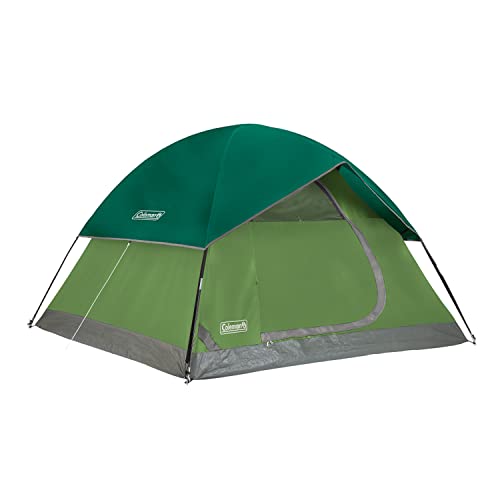
Coleman Sundome Tent

KTT Extra Large 12-14 Person Family Cabin Tent
The Details Behind The Selections
The RBM Outdoors Panda Inflatable Tent flips the script on traditional group camping. Instead of thin nylon and wobbly poles, you get a breathable canvas shell stretched over an air-beam frame that pitches with a pump rather than a wrestling match. The integrated stove jack opens up cold-weather and shoulder-season camping, which is something most 6 person tents simply cannot handle. A stove jack is a reinforced port in the tent wall that lets you safely route a camping stove pipe through the canvas without scorching it.
For small groups running a base camp with a wood stove, this shelter feels closer to a wall tent than a backpacking shelter. The canvas breathes well, which helps cut down on morning condensation in cool weather. You trade some packability, since the canvas is heavier than ultralight nylon, but the comfort gain is significant.
Everyday Perks
- Air-beam frame pitches quickly without pole assembly, a real time saver after a long drive
- Breathable canvas keeps interior humidity manageable on damp nights
- Stove jack compatibility extends your camping season into colder months
- More interior comfort than the Coleman Sundome for glamping-style setups
Worth Noting
- Heavier and bulkier to transport than ultralight group tents
- Best suited to established campgrounds, since the canvas needs a flat pitch
- Pump for the air frame is not always included, so you may need to budget for one separately
Who It Suits Best
Small glamping crews and cold-season campers who want canvas comfort without traditional pole setup headaches.
Consider Something Else When
Backpackers and ultralight travelers should look at the Coleman Sundome Tent instead, which is far easier to carry on foot.
The Coody Premium Inflatable Tent aims at a slightly different audience than the Panda. While both use air-beam frames and stove jacks, the Coody leans harder into the extended-base-camp idea, with a layout that feels more like a small cabin than a tent. The TC cotton-canvas blend (a poly-cotton fabric that breathes better than pure polyester) is the headline material here, and it makes a noticeable difference on multi-day stays. You get less of the clammy interior that plagues synthetic tents after a few nights.
Setup is the same story as the Panda: pump, lock the valves, walk away. For a family spending a full week in one spot, that matters because you’re not breaking camp daily. The trade-off shows up in transport weight and storage space at home.
Real Benefits
- TC canvas blend regulates interior humidity far better than polyester over multiple nights
- Air-frame inflation means no tricky pole sequencing in fading light
- Stove jack adds cold-weather versatility for spring and fall trips
- Interior height and footprint make it a genuine living space, not just a sleeping pod
Trade Offs
- Canvas needs proper drying before storage to avoid mildew, an extra chore that synthetic tents skip
- Bulkier packed size demands a larger vehicle or trailer for transport
- Pricing puts it firmly in the premium category compared to dome tents
Feature Snapshot
Right Fit For
Families and small groups running a multi-day base camp who want canvas comfort and the option to run a stove.
Where Another Pick Suits Better
For a quick weekend on a tight budget, the Coleman Sundome Tent is a much lighter commitment than a full canvas setup.
Sticking a sleeping bag into a 6 person tent roundup might seem odd, but a shelter is only as comfortable as what you sleep on inside it. The VENTURE 4TH Sleeping Bag covers the wide middle of the market, offered in single, XXL, and double configurations to fit solo campers, broad-shouldered folks, and couples. The outer shell uses water-resistant polyester, which shrugs off tent-wall condensation and the occasional damp night.
The synthetic hollow-fiber fill (a lightweight insulation made from fine synthetic strands that trap warm air) keeps the price approachable and dries faster than down after a wet evening. For most car-camping scenarios in three-season conditions, this bag handles the temperature swings that catch unprepared campers off guard.
Points In Its Favor
- Multiple size options cover solo, roomy, and two-person sleeping in one product line
- Water-resistant shell handles condensation inside a group tent
- Synthetic insulation dries quicker than down if it gets damp
- Compatible with any of the tents in this roundup
Points To Keep In Mind
- Bulkier than down bags at the same temperature rating
- Heavier than ultralight options for backpackers carrying it long distances
Made For
Car campers and casual group campers who want a flexible, family-friendly bag that handles three-season weather.
Look Elsewhere When
Thru-hikers and ultralight backpackers should find a down-fill bag instead, since every ounce matters on the trail.
The Coleman Sundome is the kind of tent you find at nearly every public campground in the country, and for good reason. It’s affordable, it pitches in under fifteen minutes on the first try, and it does the basic job of keeping a small group dry through a rainy night. The WeatherTec system, Coleman’s branded combo of welded seams, covered zippers, and an integrated rainfly, handles the kind of summer thunderstorms that wreck cheaper shelters.
The trade-off is real though. Compared to the canvas options earlier in this list, the Sundome is a basic dome with limited interior height and none of the glamping comfort. For a first family tent or a backup shelter, though, it’s hard to argue with the price-to-function ratio.
Where It Excels
- Low price makes it accessible for first-time campers
- WeatherTec system delivers solid rain protection for a budget dome
- Light enough to carry short distances from a parking spot
- Available in multiple sizes to match your group
Honest Caveats
- Limited interior height means adults sit up but rarely stand fully
- Polyester construction traps more condensation than canvas alternatives
- Not suited to winter or shoulder-season camping in cold climates
Quick Facts
Best Suited To
New campers and families on a budget who want a dependable three-season dome without a big investment.
Skip It When
Cold-weather campers and anyone wanting canvas comfort should reach for the RBM Outdoors Panda Inflatable Tent instead.
The KTT Family Cabin is a different beast than anything else on this list. It’s rated for 12 to 14 sleepers, with a straight-wall design (vertical sidewalls instead of sloped dome sides) that gives you full standing height across most of the interior. Two rooms, three doors, mesh windows, and bay windows turn it into something closer to a mobile cabin than a backpacking shelter. For a large family or group trip where you’re staying put for a week, the extra space is transformative.
You will need a real campsite to set it up. The footprint is large and the tent demands a flat, open pad. It’s also the heaviest option here, so plan your vehicle accordingly. But for the right use case, a multi-generational family trip or a scout group base camp, the comfort is hard to match.
Why It Works Well
- Straight-wall design delivers genuine standing room across the interior
- Two-room layout separates sleeping zones from gear or kids’ space
- Multiple doors and windows improve airflow in warm weather
- Fits multiple air mattresses with room to spare
Things To Consider
- Footprint demands a large, flat campsite
- Setup time runs longer than smaller tents, so plan for a longer first pitch
- Bulk and weight require a larger vehicle for transport
Product Snapshot
Perfect Match For
Multi-generational families and large groups running a fixed base camp with plenty of cargo space.
Not Your Match When
Solo campers or small couples should choose the Coody Premium Inflatable Tent, which fits their scale better.
What Matters Most Before Choosing 6 Person Tents For Camping
Capacity Versus Usable Space
A 6 person tent rating is generous. Most testers fit four adults comfortably with gear, or two adults plus a lot of kids and dogs. The honest way to shop is to assume you’ll use 70% of the stated capacity for sleeping and reserve the rest for packs and boots. For car camping with a family of four, that’s the sweet spot. For backpackers, even a 6 person rating often collapses into cramped quarters.
Material and Climate
Polyester domes handle summer well but trap condensation. Canvas breathes better and tolerates a wood stove, which is why canvas tents like the RBM Panda and Coody extend your camping season. Double-layer construction, where an inner mesh tent sits inside a separate rainfly, helps manage moisture in shoulder seasons. Match the material to your typical trip, not your dream trip.
Setup Style and Trip Frequency
Traditional pole tents are lighter and cheaper. Inflatable air-beam tents cost more and weigh more, but they save real time on every setup. Campers who move sites frequently benefit from faster pitch. Campers who set up once and stay put save money with a pole dome. Also consider whether you’ll be solo-setting or have help.
Site and Vehicle Constraints
Large family cabins like the KTT demand flat, roomy campsites and a vehicle with serious cargo space. Inflatable canvas tents are heavy but pack down. A simple dome like the Coleman Sundome fits nearly any setup. Always check packed dimensions against your trunk or roof rack before committing.
Key Considerations Across These Picks
Where Shoppers Go Wrong
The most common slip is buying to the rated capacity instead of the real capacity. A 6 person tent rarely sleeps six adults with gear, so overshoot if you can. Another trap is ignoring packed weight, especially for campers without a large vehicle. Finally, lots of shoppers skip the rainfly seam check, and that decision shows up the first time a real storm rolls through.
Where The Extra Money Goes
Premium canvas and inflatable tents cost more for clear reasons. The materials breathe better, last longer with care, and handle a wider temperature range. Air-beam frames reduce setup frustration and hold shape under wind stress. For campers running two or three trips a year, the upgrade pays off fast. For once-a-year summer outings, a basic dome does the job without the extra spend.
Frequently Asked Questions
How Many People Can Sleep Comfortably In A 6 Person Tent?
Four adults typically sleep comfortably with room for gear. Six adults works only with very close quarters and minimal gear inside.
Are Inflatable Tents Harder To Repair Than Pole Tents?
Pole tents are easier to field-repair with a simple splint. Inflatable tents need a patch kit specific to the air-beam material, but the beams rarely fail under normal use.
Can You Use A Wood Stove In Any 6 Person Tent?
Only tents with a built-in stove jack, such as the RBM Panda or Coody, can safely route a stove pipe. Standard polyester domes like the Coleman Sundome cannot.
How Do You Prevent Condensation Inside A Group Tent?
Ventilate aggressively. Open windows, crack the rainfly, and avoid fully sealing the tent on humid nights. Canvas tents handle this naturally; polyester tents need more attention.
What Is The Best Season For A Canvas Inflatable Tent?
Spring through fall, with shoulder-season capability when paired with a small wood stove. Avoid prolonged winter snow loading unless the tent is specifically snow-rated.
The Takeaway
Your best 6 person tent depends on how you actually camp. Canvas inflatable shelters win for comfort and extended trips, the family cabin rules for big group base camps, and the classic dome handles budget weekend duty without complaint. Pick the shelter that matches your typical trip, and you’ll spend less time managing gear and more time enjoying the outdoors.