
Pulling into a campsite at dusk with kids complaining and dogs circling the car, you don’t want to wrestle with poles and rainfly for an hour. Instant tents solve that by pre-attaching the frame, so you can pitch shelter in the time it takes to unload the cooler. This roundup focuses on six-person cabins and cabins with screen rooms that pop up fast, hold up to weather, and give a family or group room to actually move around inside.
The Essentials At A Glance

Naturehike Village Instant Tent 4 / 8 Person Cabin
Naturehike Cape 4 / 6 / 8 Person Instant Tunnel Tent
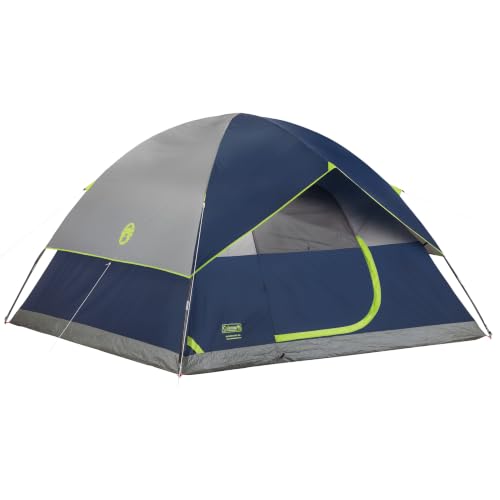
Coleman Sundome 6 Person Tent with Rainfly
Naturehike KOTA 4 / 6 / 8 Person Double-Layer Tent
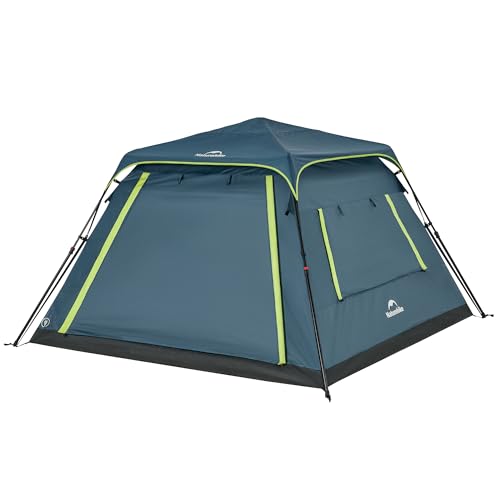
Naturehike Cape Lite 4-6 Person Instant Cabin Tent
A Breakdown Of The Leading Choices
The Naturehike Village Instant Tent is built for car camping trips where you roll up, pop a tent, and want a real living room for the evening. Compared to the narrow tunnel shape of the Naturehike Cape (covered later), this one stretches into a full cabin footprint, so two queen airbeds sit side by side with room for duffel bags along the wall. The 150D Ti Black fabric carries a high UPF rating for sunny sites and is paired with a PU 2000mm+ waterproof coating, which should handle steady rain without soaking through.
Setup is genuinely fast: pre-attached poles and an automatic frame let you stand the cabin up in roughly a minute, so you can keep kids occupied while pitching. For most weekend campers, that one-minute pitch is the whole reason to consider an instant cabin over a traditional tent.
Noteworthy Benefits
- Pre-attached pole system lets a family of four pitch shelter in about a minute, so arrival at the campsite stops feeling like a chore.
- Cabin-style floor plan fits two queen airbeds with leftover space for coolers, dog crates, and backpacks along the perimeter.
- 150D Ti Black fabric with PU 2000mm+ coating offers strong sun protection plus reliable rain performance for spring and summer storms.
- Full-coverage rainfly keeps the door awning dry so you can leave boots and packs just outside the entry.
Things To Consider
- The cabin shape needs a flat, clear pad roughly 8 by 8 feet, so small tent pads at busy campgrounds can feel cramped.
- Tall, flat-walled cabins catch wind on exposed ridges, so extra guy lines are a smart add for gusty sites.
Quick Facts
Best Suited To
Families who car camp on spacious sites and want the simplest possible setup from a true cabin tent.
Consider Something Else When
Campers who prefer a tall tunnel shape with a walk-through vestibule will get more use out of the Naturehike Cape.
Where the Village feels like a square living room, the Naturehike Cape stretches into a long tunnel that you can walk through without ducking, which makes shared trips with friends far less awkward. Pitching takes about a minute thanks to the same pre-attached pole design, so you spend less time reading instructions and more time getting the fire going.
The 190T polyester shell carries a PU 3000mm+ waterproof rating, a step up from the Village’s PU 2000mm+ coating, so it should handle wetter shoulder-season trips with more confidence. For most group campers, the real appeal is the standing height: you can change clothes, sort gear, and play cards without crouching.
The Case For It
- Tunnel layout delivers genuine standing headroom, so adults can walk the full length without stooping.
- PU 3000mm+ waterproof rating outperforms lighter PU 2000mm+ coatings for sustained rain.
- Same 60-second pre-attached pole pitch as the Village, just in a longer footprint.
- Internal dividers and doorways split the space between sleeping and gear areas for mixed groups.
Points To Note
- The longer footprint demands a more rectangular site pad, so it doesn’t suit tight tent platforms.
Feature Snapshot
Who It Suits Best
Small groups or two families sharing one tent who want walk-around headroom and a real gear vestibule.
Look Elsewhere When
Campers who want a more open square living room should look at the Naturehike Village Instant Tent.
The Coleman Sundome is the tent many North American campers grew up with, and the 6-person version still leans into that easy, predictable experience. Setup clocks in around 10 minutes, slower than the 60-second instant cabins from Naturehike, but the layout and instructions are straightforward enough for first-timers to follow without YouTube.
Two large windows plus a ground vent push warm air up and out, which matters when the thermometer climbs at summer festivals. You can fit two queen airbeds inside, and the dome shape handles wind better than a flat-wall cabin, so exposed sites feel steadier.
The Practical Payoff
- Recognizable Coleman build makes parts, replacement stakes, and repair guidance easy to find.
- Large windows plus a ground vent keep airflow moving, which helps on humid summer nights.
- Dome geometry sheds wind more efficiently than flat-walled cabins, so gusty sites feel more planted.
- Two queen airbeds fit comfortably, leaving aisle space for backpacks and a camp lantern.
Worth Noting
- 10-minute setup is roughly ten times slower than the instant cabins above, which matters in fading light.
- Dome shape lowers ceiling height near the walls, so adults kneel rather than stand to dress.
- Fabric is on the lighter side of what you’ll see here, so careful storage and dry-out sessions extend its life.
Who Should Grab It
First-time campers who value a well-known brand name over the fastest possible pitch.
Reach For A Different Pick When
Anyone who hates fumbling with poles should step up to the Naturehike Cape Lite for a true instant cabin experience.
The Naturehike KOTA is the most flexible design in this roundup, treating the inner mesh tent and outer rainfly as two separate tools you can mix and match. On a clear summer night you can sleep under the mesh inner and stargaze, then drape the rainfly over the top the next morning when weather rolls in. The 75D 210T polyester with PU 3000mm+ coating handles real rain without feeling fragile.
Vestibules at the front porch give you covered space for boots and packs, so muddy shoes stay out of the sleeping area. For most three-season family campers, the modular setup means the tent grows with your kids and your trip length.
What Earns Its Place
- Double-layer design lets you run mesh-only in dry weather or full coverage in storms.
- PU 3000mm+ waterproof rating matches the Cape, giving reliable rain protection for shoulder seasons.
- Front vestibule porch keeps muddy boots and wet backpacks outside the sleeping area.
- Tall family-tent geometry gives enough headroom for changing clothes and sitting upright.
Trade Offs
- Two-layer setup adds a small amount of pack weight compared to single-layer instant cabins.
- More seams and zippers mean a slightly longer dry-out routine after a wet trip.
Key Specs
The Right Fit
Families who camp across spring, summer, and fall and want one tent that adapts to each season.
Swap It Out When
Travelers who only need a simple summer cabin will save money and pack size with the Naturehike Cape Lite.
The Naturehike Cape Lite is a smaller, lighter take on the Cape line, trading some square footage for a tighter pack size that fits in a hatchback. The roughly 101.5 by 101.5 inch floor still swallows a queen mattress, and the 62.2-inch peak height lets most adults kneel and dress comfortably.
Setup follows the same instant pattern as the larger Cape and Village tents, so you can pop it in about a minute on a festival lawn or a friend’s backyard. For most casual campers, the Lite version hits the sweet spot between cabin comfort and grab-and-go portability.
What It Does Well
- Compact footprint fits small backyards and festival sites where larger tents feel oversized.
- Pre-attached poles pitch the cabin in roughly a minute, no instruction sheet required.
- 62.2-inch peak height is enough headroom for most adults to sit upright and change.
- Lighter carry weight than the full-size Cape for short trips and weekend festivals.
Honest Caveats
- Smaller floor plan means two adults and gear fill it up quickly, so six campers will feel snug.
- Lighter fabric is more sensitive to abrasion, so dragging it across rocky sites shortens its life.
Made For
Couples and small families who want a fast-pitching cabin for festivals, backyard overnights, and weekend trips.
A Better Fit Elsewhere
Anyone who needs true six-person sleeping space should step up to the Naturehike Village Instant Tent.
The Coleman Evanston solves a problem most cabins ignore: where do you sit when the bugs are terrible but you still want a breeze. A separate screened room at the front adds a covered lounge space with mesh walls, so dinner and card games happen bug-free while the sleeping area stays tucked behind. Setup runs about 15 minutes, which is slower than the instant cabins but faster than many family tents.
The 75D polyester taffeta shell uses Coleman’s WeatherTec welded-floor system to keep seam seepage from ruining a wet weekend. For most campers in mosquito-heavy regions, that screen room alone justifies the extra setup time.
Bright Spots
- Built-in screen room acts as a bug-free living area, so dinner doesn’t end at dusk.
- Welded-floor seams and protected corners help keep groundwater from creeping in during heavy rain.
- Angled rainfly lets in daylight while still shedding water, so the tent feels less cave-like.
- Sleeping area fits two queen airbeds, leaving the screen room free for chairs and coolers.
A Few Limitations
- 15-minute setup is the longest in this roundup, which matters on late arrivals.
- The screen room adds length, so small tent pads will not accommodate it comfortably.
Who Will Love This
Family campers in bug-heavy regions who want a real outdoor sitting room attached to the sleeping area.
Not Your Match When
Campers who prioritize the fastest possible pitch should pick the Naturehike Cape Lite instead.
Choosing 6 Person Instant Tents That Actually Fit Your Trips
The right tent depends less on brand name and more on how your crew actually camps. Start with site shape, not floor size: long tunnel tents like the Naturehike Cape need rectangular pads, while square cabins like the Village and Cape Lite fit smaller platforms with room to spare. Measure your usual site before you commit.
Next, think honestly about how often you’ll be pitching in fading light. Instant cabin designs with pre-attached poles truly pop up in about a minute, which is a real advantage on late-arrival weekends. Traditional pole-and-sleeve designs like the Coleman Sundome and Evanston still need 10 to 15 minutes and a second pair of hands, so they’re friendlier when you arrive with daylight to spare.
Waterproof ratings matter more than most shoppers realize. A PU 2000mm+ coating is fine for summer drizzle, while PU 3000mm+ handles heavier rain without leaking at seams. If your trips include spring or fall shoulder seasons, the higher rating earns its keep. Fabric denier (the thread thickness, where higher numbers mean tougher cloth) tells you about durability: a 150D shell like the Village resists abrasion better than 75D fabric, which matters on rough ground.
Finally, consider how the tent is actually used. A screen room (mesh walls that keep bugs out while letting air through) like the Evanston’s shines on bug-heavy lakesides but adds length. A double-layer design like the KOTA flexes across seasons but weighs more. Match the feature to the trip, not the other way around.
Key Considerations Across These Picks
Mistakes Worth Dodging
A common trap is trusting the person count on the box without checking the floor plan. Most six-person tents fit six people sleeping shoulder to shoulder with no room for packs, so two adults and a child actually feel more comfortable in a four-person cabin with storage to spare. Look for stated sleeping dimensions, not just the headline number.
Another pitfall is ignoring ventilation. Cabins with sealed rainflies can turn into ovens at midday, so windows, mesh panels, and ground vents make summer camping bearable. The Coleman Sundome leans hard on airflow, which is part of why it remains a long-standing pick for warm-weather festivals.
What The Upgrade Pays For
Higher-tier tents in this category usually buy stronger fabric, taller ceilings, and double-layer construction rather than flashy features. The Naturehike Village’s 150D Ti Black shell and the KOTA’s double-layer setup both cost a little more but last longer and handle rougher weather. When your trips stretch beyond a single summer, the upgrade typically pays off in fewer repairs and drier nights.
Frequently Asked Questions
How fast can a 6 person instant tent really pitch?
The instant cabin designs here use pre-attached poles and an automatic frame, so a practiced pair can stand them up in roughly a minute. Traditional designs like the Coleman Sundome and Evanston take 10 to 15 minutes because they still require threading poles through sleeves.
Are instant tents sturdy enough for rain and wind?
Modern instant tents with PU 2000mm+ or higher coatings and properly tensioned guy lines (the cords that anchor the tent to the ground) hold up well in typical three-season weather. Flat-walled cabins catch more wind than dome shapes, so add guy lines on exposed sites.
What does PU 3000mm mean?
It’s a measure of how much water pressure the coating resists before leaking, called the hydrostatic head. PU 3000mm means the fabric withstands a 3000mm water column, which is the typical threshold for steady rain protection.
Can a 6 person tent fit two queen airbeds?
Most 6-person cabins and tunnels in this roundup are designed around two queen airbeds, though you lose some aisle space. Always check stated sleeping dimensions before deciding.
Is a screen room worth the extra setup time?
A screen room like the one on the Coleman Evanston adds covered living space and keeps bugs out of the evening hangout area. Campers in mosquito-heavy regions usually find that tradeoff well worth the few extra minutes at pitch time.
Bottom Line
The best six-person instant tent is the one that matches your site, your weather, and your patience for setup. Pick the Village or Cape for the fastest pitch, the KOTA for year-round flexibility, or the Evanston when bugs are the bigger problem than minutes at the stake.