
You want a tent that sleeps your crew without turning into a sweatbox by morning. Canvas tents handle that better than most synthetic shells because the fabric breathes, holds warmth when a stove is running, and shrugs off UV that eats polyester after a few seasons. The picks below cover inflatable air-frame canvas for quick setups, classic cabin-style shelters for car camping, and tunnel layouts that maximize interior volume. Every option here fits a slightly different style of camp life, so the real match comes down to how you actually use it.
A Fast Comparison Of The Options

RBM Outdoors Panda Canvas Inflatable Tent

Coody Premium Inflatable Canvas Air Tent

Naturehike Village Instant Cabin Tent
Naturehike Cape Instant Camping Tent
Naturehike KOTA Double Layer Tent
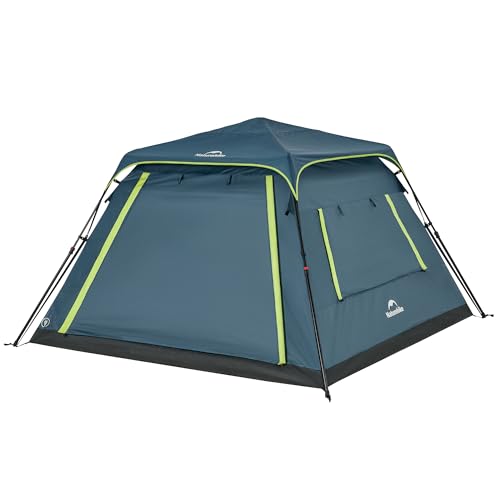
Naturehike Cape Lite Instant Cabin
What Each Pick Brings To The Table
The Panda sits in a category of its own: a true canvas tent that pitches with an inflatable air frame rather than traditional poles. You unroll it, pump the beams up, and the structure stands on its own, which makes arrival at camp a lot less sweaty than wrestling fiberglass in the wind.
Canvas here is breathable, so humidity from cooking or breathing doesn’t turn the interior into a greenhouse the way single-wall nylon shelters often do. The integrated stove jack lets you run a compatible tent stove for shoulder-season camping, a feature most synthetic tents skip for safety reasons. The trade-off is weight, so this one favors car campers over backpackers.
Key Advantages
- Air-frame design inflates in minutes without pole assembly
- Breathable canvas reduces condensation in cool, damp weather
- Stove jack allows safe venting for a wood-burning tent stove
- Compact packed size fits in most car trunks for weekend trips
Things To Consider
- Air beams need careful inflation to avoid soft spots in cold weather
- Canvas requires fully dry storage to prevent mildew between trips
Who It Suits Best
Couples or small families who camp by car and want canvas comfort without the long pole setup of traditional wall tents.
Consider Something Else When
The Coody Premium Inflatable Canvas Air Tent is a better fit if you want more interior volume and a TC cotton blend for multi-day glamping setups.
Coody leans into the glamping side of canvas camping, where the goal is a real living space rather than just a place to sleep. The TC cotton blend (a poly-cotton mix that balances breathability and water resistance) handles temperature swings better than pure cotton or thin polyester, which matters when you’re spending several days inside.
Like the Panda, this one uses an inflatable frame, so pitch time stays short even though the footprint is larger. The stove jack opens up cold-weather and shoulder-season use, and the roomier interior gives families space for cots, chairs, and gear without crowding sleeping pads. You may find the extra room overkill for quick overnights.
What Helps Most
- TC cotton blend balances breathability and weather resistance
- Inflatable air frame keeps setup simple despite the larger footprint
- Stove jack supports cold-weather and shoulder-season camping
- Generous interior height lets adults stand and move around
Honest Caveats
- Larger packed size requires a roomy vehicle for transport
- TC cotton needs thorough drying before long-term storage
- Heavier than ultralight synthetic options for the same headcount
Key Specs
Made For
Families and small groups who want a comfortable base camp for multi-day trips and value breathing room over ultralight packing.
Look Elsewhere When
The Naturehike Village Instant Cabin Tent is a smarter grab for first-timers who want a no-fuss pitch and don’t need the stove-jack feature.
The Village trades canvas for a synthetic Ti Black technology fabric (a coated polyester with UV-blocking additives) and earns its place by being genuinely easy to live with. Pre-attached poles and an automatic structure mean the tent pops up in roughly a minute, which is the real selling point for anyone new to car camping.
The full-coverage rainfly and PU 2000mm waterproof rating (a measure of how much water pressure the fabric withstands before leaking, with higher numbers meaning stronger rain resistance) keep the interior dry through steady rain, and the cabin-style walls let everyone stand up to dress. The honest read is that it isn’t canvas, so breathability in summer heat isn’t on par with the Coody or Panda above.
Good Reasons To Consider
- One-minute setup with pre-attached automatic poles
- Full rainfly coverage handles extended rain without leaks
- Vertical cabin walls maximize standing and sleeping space
- Available in 4-person and 8-person configurations
Trade Offs
- Synthetic fabric runs warmer than canvas in summer conditions
- Larger folded size may not fit smaller sedan trunks
Best Suited To
New campers and families who want the shortest possible learning curve and a forgiving pitch process on the first outing.
Skip It When
The RBM Outdoors Panda Canvas Inflatable Tent is a better match when breathability and stove compatibility matter more than one-minute setup speed.
The Cape uses a tunnel-style frame (a series of arched hoops that create a long, tube-like interior) instead of vertical cabin walls, which gives it a long, walk-through floor plan rather than one big room. That layout works well for separating sleeping and gear areas, or for fitting a row of cots without anyone climbing over each other.
Setup is the same instant-pole concept as the Village, so a 60-second pitch is realistic for two adults working together. The 190T polyester shell (a midweight fabric balancing durability and weight) with PU3000mm coating sits a step above the Village in rain performance, and the tall peak height helps taller campers move around. The trade-off is that tunnel tents catch wind from the long side, so site selection matters more.
Notable Upsides
- Tunnel layout creates separate zones for sleeping and gear
- 60-second instant setup with pre-attached poles
- Higher PU3000mm waterproof rating than entry-level options
- Tall peak height suits taller campers
Points To Keep In Mind
- Tunnel profile catches crosswinds, so pick a sheltered site
- Single large door may limit access when gear is staged inside
Spec Overview
Who Should Grab It
Car campers with long, narrow campsites who want a tall, walkable interior and don’t mind orienting the tent with the wind.
Swap It Out When
The Naturehike KOTA Double Layer Tent is worth a look if you camp into cold months and want a separable inner mesh for stargazing.
The KOTA is the most flexible shelter in this lineup because the inner mesh tent and outer fly can be used together or separately. In warm, dry weather, the mesh inner stands alone for stargazing and max airflow. In shoulder season, the full double layer adds warmth and weather protection without swapping gear.
The 75D 210T polyester shell (a mid-density weave that resists tearing better than ultralight cloth) and 3000mm+ waterproof rating put it on par with the Cape for storm performance, and the vestibule and porch extension create covered outdoor space for boots, cooking, or just sitting out a rain shower. Setup isn’t instant-pole, so plan on a few minutes of work.
Positive Takeaways
- Separable inner and outer layers adapt to weather conditions
- Mesh inner tent doubles as a standalone summer shelter
- Vestibule and porch create dry outdoor living space
- 3000mm+ waterproof rating handles serious rain
Small Caveats
- Setup takes longer than instant-pole tents on this list
- Double-layer design adds bulk to the packed size
Feature Snapshot
The Right Fit
Three-season-plus campers who want one shelter that flexes from summer mesh nights to shoulder-season rainstorms.
Reach For A Different Pick When
The Naturehike Cape Lite Instant Cabin Tent makes more sense for quick overnight trips where setup speed beats modularity.
The Cape Lite is the stripped-down cousin of the Cape above, and that’s a feature, not a flaw. The 101.5-inch square floor fits a queen-size mattress with room to spare, and the 62-inch peak height lets most adults kneel or crouch comfortably without hunching over all weekend.
Setup follows the same instant-pole pattern, so a single adult can pitch it in under a minute on a calm day. Compared to the heavier Cape, this one is easier to haul to a remote campsite but trades away some storm-readiness and vestibule space. You may find the smaller footprint tight for six adults with gear, but for two adults and kids, it’s spot on.
Why It Works Well
- Compact queen-mattress footprint suits small families
- Sub-minute setup with integrated pole system
- Lighter packed weight than full-size Cape and KOTA models
- Vertical cabin walls maximize usable floor space
Worth Bearing In Mind
- Six adults will feel cramped with any gear inside
- No extended vestibule or porch for covered storage
Quick Facts
Whose Shelf It Belongs On
Small-group campers prioritizing quick pitch times and minimal packed weight over maximum interior space.
Another Choice May Suit
The Naturehike Cape Instant Camping Tunnel Tent is a smarter grab for groups who need the longer tunnel layout and higher waterproof rating.
What Matters Most Before Choosing 6 Person Canvas Tents
Fabric And Breathability
Canvas (cotton or poly-cotton) breathes, which means moisture from breath and cooking passes through the wall instead of condensing on the inside. Synthetic polyester keeps rain out cheaply but traps humidity, so summer canvas camping feels noticeably cooler at night. Trade-off: canvas weighs more and must dry fully before storage.
Frame Type And Setup Time
Inflatable air frames and pre-attached instant poles cut pitch time to a minute or two. Traditional pole-and-sleeve canvas tents offer stronger structure in heavy wind but take much longer and usually need two people. Match the frame to how often you’ll move camps and how patient you feel after a long drive.
Size, Headroom, And Layout
A labeled six-person tent fits four adults comfortably with gear, so plan accordingly. Cabin-style walls maximize standing height and floor use, while tunnel layouts stretch the floor lengthwise for cots and gear separation. Measure your vehicle’s cargo space before buying, because larger tents often don’t fit folded in a sedan trunk.
Weather Protection And Extras
Look for a stated waterproof rating (PU2000mm is a reasonable baseline), a full-coverage rainfly, and sealed seams if you camp through spring and fall rain. Stove jacks, vestibules, and porches add real-world livability for longer stays but also add cost and weight.
Key Considerations Across These Picks
Where Shoppers Go Wrong
The most common mistake is trusting the headcount label without checking floor dimensions, since most “six-person” tents really sleep four adults with gear. Another trap is picking the lightest option and then expecting it to handle a multi-day storm; lighter synthetic shells often trade rain performance for pack weight. Always match the tent to your actual trip length and weather window, not just the listed capacity.
When Paying More Pays Off
Higher-tier canvas tents earn the premium through TC cotton blends, heavier denier fabric (a measure of yarn thickness, where higher numbers mean tougher material), and modular layers that extend the usable season. The extra cost shows up in years of service rather than a single trip, so the upgrade makes sense for anyone camping more than a handful of weekends per year.
Frequently Asked Questions
How Many People Does A 6 Person Tent Actually Sleep?
Most labeled six-person tents sleep four adults comfortably with gear, or two adults and three kids with room to spare. Treat the number as a generous upper limit rather than a tight fit.
Are Canvas Tents Better Than Synthetic For Summer?
Canvas breathes better than polyester, which reduces condensation and keeps the interior cooler in humid summer nights. Synthetic tents cost less and dry faster, so the choice depends on how often you camp in heat versus how much weight and storage effort you want to manage.
Can You Use A Stove Inside Any Of These Tents?
Only tents with a built-in stove jack, like the RBM Panda and Coody Premium above, are designed for safe use with a compatible tent stove. Never run a flame inside a synthetic tent without a designated jack and proper venting.
How Long Does Setup Really Take?
Instant-pole and inflatable models pitch in about 60 seconds for two adults. Traditional pole canvas tents take 15 to 30 minutes depending on experience and weather, so plan accordingly when daylight is fading.
How Do You Store A Canvas Tent Between Trips?
Canvas must be fully dry before folding or mildew can set in during storage. Set it up to air-dry after every wet trip, then store loosely in a breathable bag rather than a tight plastic bin.
Closing Thoughts
The right tent comes down to how you actually camp rather than the spec sheet alone. Canvas wins for breathability and longevity, while synthetic instant-pole models win for short learning curves and lighter loads. Match the shelter to your trip length, weather, and patience for setup, and the rest takes care of itself out at camp.