
You don’t need a degree in tent engineering to sleep six people comfortably outdoors, but you do need a shelter that breathes well, stands up to weather, and doesn’t eat your entire evening at setup. Group camping works best when the tent disappears into the background, leaving room for cooking, kids, gear, and the inevitable late-night poker game. The picks below cover canvas glamping setups, quick-pitch cabin tents, and double-layer four-season shelters, each suited to a different kind of trip.
A Fast Comparison Of The Options

Coody Premium Inflatable Canvas Tent with Stove Jack

Coleman Sundome Camping Tent

Naturehike Village Instant Cabin Tent with Rainfly
Naturehike Cape Instant Tunnel Tent 6/8 Person
Naturehike KOTA Double-Layer 6/8 Person Tent
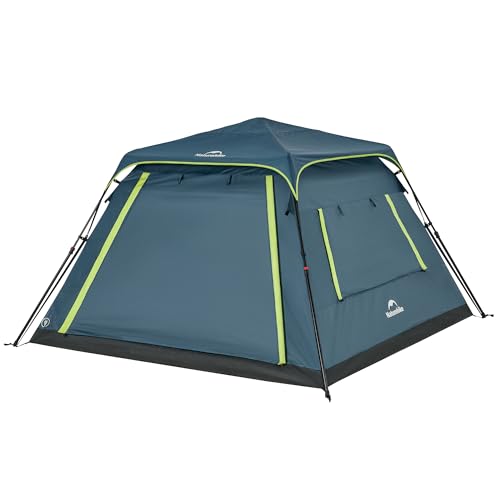
Naturehike Cape Lite Instant Cabin Tent 4-6 Person
A Breakdown Of The Leading Choices
The Coody Premium Inflatable Tent sits in a different category than the others on this list. Where most camping tents focus purely on sleeping space, this one aims at true outdoor living, with enough headroom to stand and walk around comfortably.
It uses an inflatable air-beam structure instead of rigid poles, so setup shifts from a wrestling match with fiberglass to a controlled pump session. The canvas material breathes better than coated nylon, which matters on multi-day trips where condensation can ruin sleep.
Reasons It Performs
- Integrated stove jack supports a wood burner for cool nights, a rare feature in this category.
- Inflatable frame means no bent poles or snapped fiberglass after a rough trip.
- Canvas shell handles UV exposure longer than thin polyester alternatives.
- Stand-up height lets you change clothes and move freely, a real upgrade from dome-style tents.
- Coverage for accidental damage applies, which softens the risk on a higher-cost shelter.
Things To Consider
- Canvas dries slowly after rain, so pack-down requires more planning than a nylon tent.
- Heavier than ultralight options, this one stays home for car camping and basecamp trips.
Who It Suits Best
Glampers and extended-stay campers who want a living-room feel rather than a sleeping bag cocoon.
Consider Something Else When
Thru-hikers and backpackers should look at the Naturehike Cape Lite instead, since the Coody’s weight rules out any serious mileage.
The Coleman Sundome is the classic first-tent for casual campers. Its dome shape keeps the pole layout simple, and the snag-free continuous sleeves get you out of the parking lot and into camp faster than you expect.
Available in smaller sizing options, this one works for a couple of weekend trips or a starter family setup before you commit to something heavier and more elaborate.
Why It Works Well
- WeatherTec system adds welded seams and inverted floors to keep light rain out.
- Continuous pole sleeves remove a common setup headache for newcomers.
- Lightweight carry bag fits in most car trunks without rearranging the whole cargo area.
Points To Keep In Mind
- Smaller sizing options mean families of six will find it tight, with limited gear storage inside.
- Basic rainfly coverage suits mild weather but may struggle in prolonged downpours.
Feature Snapshot
Whose Shelf It Belongs On
First-time campers and budget-focused families who want a low-risk starter tent for short trips.
Look Elsewhere When
You need real room for six adults, since the Naturehike Village or KOTA offers significantly more interior space at a similar entry-level commitment.
The Naturehike Village is what car camping looks like when you stop fighting your shelter. Pre-attached poles and an automatic structure mean the whole tent goes up in roughly a minute, which sounds like marketing until you actually time it.
The cabin shape gives you vertical walls and walk-around headroom, so two adults can sit up side by side without bumping shoulders. Gear stays at the foot of the bed instead of stacked on top.
Useful Highlights
- Cabin-style walls maximize usable floor space and let you stand to change.
- 150D Ti Black Technology fabric carries a UPF 1250+ rating, useful for sunny open sites.
- PU 2000mm+ waterproof coating handles overnight rain without panic-checking seams.
- Available in both 4-Person and 8-Person configurations for trip flexibility.
Honest Caveats
- Full rainfly adds weight to pack-down, which can slow you on multi-day rotations.
- Instant frames tend to be bulkier than traditional pole tents in storage.
Made For
Car campers and group leaders who value setup speed over pack size, especially families with small children.
Skip It When
Cold-weather camping is on the menu, in which case the Naturehike KOTA’s double-layer construction is the better choice for staying warm.
The Naturehike Cape uses a tunnel shape, which trades the cabin’s boxy walls for a longer rectangular floor plan. That layout makes it easier to divide the tent into kid and adult zones, with sleeping pads lined up head-to-toe.
Like the Village, it pitches in about a minute. The taller profile handles taller campers better than typical dome tents, where the ceiling slopes right into your forehead.
The Good Stuff
- Tunnel shape creates a near-vertical ceiling across the length of the tent.
- Setup takes roughly 60 seconds, even with kids “helping” by handing you stakes.
- Large interior footprint fits a full family plus a dog or two.
- 190T polyester with waterproof coating handles rainy shoulder seasons.
- Carrying bag has enough room for the tent without a wrestling match at pack-up.
A Few Limitations
- Tunnel designs need taut guy lines to stay stable in wind, so stake placement matters.
- Larger sizes take up significant campsite real estate, which limits site selection.
Best Suited To
Families with kids who want separation between sleeping and gear areas without the complexity of multiple rooms.
A Better Fit Elsewhere
Solo adventurers and couples should consider the Naturehike Cape Lite for a more compact shelter that handles the same weather without the extra square footage.
The KOTA is the heavy-hitter of the list, a double-layer design where the inner mesh tent and outer rainfly work as one system or separately. That modularity is genuinely useful: in summer you sleep under stars in the mesh alone, while winter setups use both layers for insulation.
The vestibules and porch add covered outdoor space, which functions as a muddy-boot zone or a shaded hangout during rain.
Advantages To Know
- Double-layer construction adapts across all four seasons with real thermal benefit.
- Vestibules and porch create a transition zone that keeps the inner tent cleaner.
- 75D 210T polyester with a 3000mm+ waterproof rating handles serious weather.
- Inner mesh can stand alone for warm-weather stargazing trips.
- Available in 4, 6, and 8-Person configurations to match your group size.
Factors To Consider
- Double-layer tents take longer to dry after rain, plan for airing out before storage.
- Heavier packed weight than single-layer options, which limits it to car-based trips.
Core Details
Who Will Love This
Year-round campers and shoulder-season explorers who need a tent that adapts from summer nights to snowy weekends.
Not Your Match When
You mostly camp in warm summer weather and want something lighter, since the Coody or Naturehike Cape handles that profile more efficiently.
The Cape Lite is the smaller sibling in Naturehike’s cabin lineup, sized for four to six people. That makes it a smart middle ground: roomier than the Coleman Sundome, less commitment than the full-size Village.
The floor plan accommodates a queen-size mattress with room to spare, and the 62.2-inch peak height means most adults can kneel and dress without hunching.
Where It Helps
- Setup takes about 60 seconds thanks to pre-attached poles.
- Fits a queen mattress comfortably, useful for couples who prefer sleeping together.
- Lower cost than larger Naturehike cabin options.
- Cabin walls give genuine usable interior space rather than sloped dome geometry.
Worth Bearing In Mind
- Four-to-six-person sizing means six adults will feel snug, especially with gear inside.
Key Attributes
Perfect Match For
Couples, small families, or weekend trippers who want cabin-style comfort without paying for extra capacity they won’t use.
Where A Sibling Pick Shines
The Naturehike Village is a better fit when you regularly host larger groups or carry extra gear that needs interior space.
What To Weigh Before Picking A 6 Person Tent
Capacity ratings can mislead, since manufacturer counts usually assume everyone sleeps shoulder-to-shoulder with gear left outside. For real comfort, plan on roughly 30 square feet per person when sizing a tent, and consider headroom if anyone in your group stands to dress.
Climate shapes the decision as much as size. Double-layer tents like the Naturehike KOTA manage condensation and temperature swings better across seasons, while single-layer cabins breathe well in summer but collect condensation when temperatures drop overnight. The breathable TC construction on canvas models like the Coody handles humidity differently than polyester coatings, which matters on multi-day stays where damp air builds inside.
Setup style is the third axis worth thinking through. Instant tents with pre-attached poles save frustration at the campsite but tend to be heavier and bulkier in storage. Traditional pole tents pack smaller and lighter but cost you ten to fifteen minutes of setup. Match that trade-off to how often you’ll move camp, since a fixed basecamp rewards different choices than a road trip with two-night stops.
For mixed groups with kids and gear, a vestibule or porch makes daily life easier by giving everyone a place to shake out mud before climbing into the sleep area. That’s the kind of detail you don’t notice until your first rainy morning, when everyone is tracking dirt across the tent floor.
Picking Smartly Across This Category
Wrong Turns To Avoid
Buying by maximum capacity leads to cramped trips. A six-person rating often fits four adults and minimal gear, so think about the realistic sleep count plus storage space.
Ignoring pole design turns into a wet morning. Instant frames save time but pack bulky, and budget poles flex in wind. Match the frame to your trip frequency, not just the price.
Where The Extra Money Goes
Higher-tier tents typically buy stronger fabrics (a higher-denier polyester or canvas), better waterproof coatings, and double-layer construction. Those features matter most when you camp off-season or face real weather.
The upgrade also tends to include more covered outdoor space, like vestibules and porches, which transforms how you use the tent on longer stays. For occasional weekend trips, mid-range picks like the Cape Lite deliver most of the experience without the price jump.
Frequently Asked Questions
How big is a 6 person tent really?
Most 6 person tents measure 8 by 9 to 10 by 10 feet, with peak heights between 62 and 75 inches. Manufacturer capacity assumes tight sleeping only, so count on four adults sleeping comfortably with gear inside.
Can a 6 person tent fit a queen air mattress?
Most 6 person tents have enough floor space for a queen mattress, with room left over for bags or a small child. Check the floor dimensions rather than the capacity rating to confirm fit.
Are instant tents worth the extra weight?
Instant tents trade lighter packed weight for faster setup. They’re worth carrying for car camping and group trips where one person handles the shelter, less so for backpacking where every pound matters.
Do 6 person tents need two people to pitch?
Cabin-style instant tents pitch solo in roughly a minute. Traditional dome and tunnel tents usually go up faster with two people handling opposite poles, though most can be set up alone with patience.
How do I keep a 6 person tent dry in heavy rain?
Seal seams with a tent-appropriate seam sealer before your trip, angle guy lines for runoff, and choose a site with natural drainage. A footprint groundsheet under the tent also keeps moisture from wicking up through the floor.
Final Verdict
Your best match depends less on raw specs and more on how you actually camp. Weekend car campers who value speed will appreciate the Naturehike Village or Cape, while year-round explorers get the most from the KOTA’s modular layers. Glampers wanting genuine outdoor living space should look hard at the Coody canvas tent. Match the tent to your climate, your group, and how often you move, and the rest of the decision takes care of itself.