
Bringing a group into the backcountry or up to a windy ridge demands a shelter that simply holds together when weather shifts. A good six-person tent handles real weight: sleeping pads, packs, damp dogs, and tired kids at the end of a long day. The picks below trade off between packability for trailheads and cabin-style space for car camping, so you can match the tent to the trip you actually take.
The Shortlist At A Glance

Clostnature Lightweight Backpacking Tent (6 Person)

Naturehike Village Instant Tent, 4/8 Person Camping Tent
Naturehike Cape 4/6/8 Person Camping Tent, 60S Easy Setup Instant Tent

Clostnature Waterproof Camping Tent (2/4 Person)
Naturehike KOTA 4/6/8 Person Double Layer Tent with Vestibules
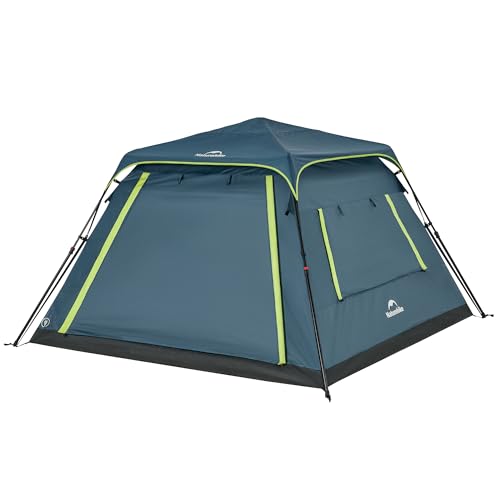
Naturehike Cape Lite 4-6 Person Instant Cabin Tent
Meet The Standout Selections
The Clostnature six-person shelter earns its place on this list by staying small enough to carry, which is unusual at this capacity. A polyester body sits on a roughly 9’10” x 9’10” floor with 5’11” of center height, meaning adults can sit up and change without ducking. Two side vestibules (covered porch areas attached to the tent) give you dry storage for boots and packs, and one doubles as a snug nook for a pet.
For backpackers splitting weight across a small group, that footprint-to-comfort ratio is the headline. The materials lean toward the lighter end of the category, so you trade some storm rigidity for pack-down size. You may want to add a footprint (a separate ground tarp placed under the tent) on abrasive ground.
Real-World Strengths
- Carry-friendly weight class for a true six-person layout, useful on multi-day approaches.
- Dual vestibules keep wet gear outside the sleeping area, so mornings feel less damp.
- Generous 5’11” peak height lets you sit upright on a sleeping pad.
- Square footprint simplifies sleeping arrangements and pad layout compared with tapered designs.
Things To Consider
- Single-wall-adjacent weight savings typically mean lighter pole structures, so pitch carefully in high wind.
- Storage sack size is compact, so re-packing takes patience on a tired evening.
Feature Snapshot
Best Suited To
Backpackers and small crews who actually carry their shelter and need real six-person space without ballooning pack weight.
Look Elsewhere When
You camp mostly from a car and want the standing-room comfort of the Naturehike Village Instant Tent instead.
The Naturehike Village trades trail-ready weight for something families actually need at a Friday-night campground: speed. Pre-attached poles and an automatic structure are built to go up in about a minute, which matters when you’ve got kids, a dog, and a fading sunset. The cabin shape gives you nearly vertical walls, so the floor plan feels more like a small room than a wedge.
Fabric is a 150D (denier, a measure of fabric thread thickness; higher numbers mean tougher material) Ti Black technology weave with a 2,000mm+ waterproof rating (the head of water pressure a fabric can withstand before leaking; 2,000mm handles most sustained rain). The “Ti Black” coating also rates UPF 12500+, blocking a strong share of UV (ultraviolet rays from the sun) for hot, exposed sites. That combination is the practical payoff for anyone who has watched a forecast turn sideways.
The Upside
- Near-vertical walls make the cabin layout feel like a real room with space for cots and a small table.
- One-minute setup removes the learning curve that scares first-time campers.
- 2,000mm+ waterproofing handles steady overnight rain without panic.
- High UV blocking helps on bright, shadeless sites with kids.
Worth Noting
- Instant-pole bulk in the carry bag is heavier and larger than a traditional tent, which limits hike-in use.
- Cabin-style tents catch wind on their broad sides, so pick a sheltered pitch in gusty areas.
Whose Trip It Belongs On
First-time family campers and weekend car campers who care more about setup speed than packability.
Swap It Out When
You want a modular shelter that splits into mesh and fly layers, in which case the Naturehike KOTA fits better.
The Naturehike Cape reads like a tunnel tent (an elongated, arched design where you walk through the length) on caffeine. Floor areas run roughly 8.3 sq m for the six-person layout and 12.9 sq m for the eight, which is generous for cots, kids, and the family dog. The 60-second instant setup carries over from the Village line, but the Cape’s taller arch gives taller campers actual headroom near the door.
Polyester with a waterproof coating rated 3,000mm+ (higher than the Village) is a step up for rainy climates. For most trips that look gray on the radar, that extra margin is reassuring without being overkill.
Useful Highlights
- High-arch tunnel shape lets you stand and move near the entrance instead of crawling.
- 3,000mm+ waterproof rating covers heavier rain than the Village Instant offers.
- Pre-attached poles cut setup to roughly a minute, useful in fading daylight.
- Large floor footprint handles group gear without a gear pile blocking the door.
Points To Keep In Mind
- Tunnel tents need taut, well-anchored pitches; a sloppy setup sags in wind.
- Larger eight-person footprint demands a roomy, level pad, which not every campsite provides.
Built With In Mind
Taller adults, families with kids, and small groups who want standing room and reliable wet-weather protection.
Reach For A Different Pick When
You need a four-season modular shelter, since the Naturehike KOTA’s split inner and fly layers handle shoulder-season cold more directly.
The Clostnature two-and-four-person model lives a quieter life on this list, but it earns its slot by being the kind of simple, easy-pitch shelter that holds up to weekend after weekend of use. Polyester construction and a roughly 15-lb packed weight land it in a comfortable middle ground. The design language follows the brand’s six-person sibling, so swapping between the two feels familiar.
For couples, a parent-and-kid pair, or anyone running a small basecamp, it’s a fuss-free option. You may find the smaller floor limiting for a six-adult rotation, which is why it sits here instead of higher.
Positive Points
- Around 15 lbs packed keeps it approachable for short carries from a parking lot.
- Familiar Clostnature pole layout helps if you already own one of their shelters.
- Polyester shell with waterproof coating handles typical summer storms.
- Smaller footprint fits tight, wooded sites where bigger tents won’t pitch.
Minor Gripes
- Two-to-four-person capacity means a six-adult group will feel cramped, especially with gear inside.
- No dedicated vestibule coverage, so boots and packs ride just outside the door.
The Right Fit
Couples, small families, and occasional campers who want a low-maintenance shelter without overbuilding.
Not Your Match When
You’re outfitting a full six-person rotation, in which case the Clostnature Lightweight Backpacking Tent (six-person) is the closer fit.
The KOTA is the most modular tent on this list, and that flexibility is the whole point. A double-layer design (two fabric layers, an inner mesh tent plus an outer waterproof fly, separated by a small gap that traps air and reduces condensation) separates into a freestanding mesh inner (the breathable inner tent that stands on its own) and a fly that doubles as a canopy or rain shelter. In warm months you pitch the mesh alone and stargaze through the top; in shoulder season you pair both layers for serious weather.
The 75D 210T polyester (210T refers to thread count; higher counts mean denser, often tougher fabric) shell with 3,000mm+ waterproofing gives you margin against real rain rather than drizzle. Vestibules and a porch extend your dry living space, which matters when the trip runs three or four days.
What Pays Off
- Two-layer modularity means one tent covers summer, shoulder season, and rainy weekends.
- 3,000mm+ waterproof rating handles sustained downpours without soaking through.
- Vestibules and a porch give you dry cooking and boot-changing space outside the sleeping area.
- Mesh inner stands alone for stargazing on warm, dry nights.
Trade Offs
- Modular setup takes longer than the Cape or Village instant tents.
- Heavier packed weight is real once you carry both layers and the porch.
Feature Snapshot
Who Should Grab It
Year-round campers and shoulder-season travelers who want one shelter that flexes across weather and trip length.
Consider Something Else When
Your group just needs fast weekend cabin comfort, which the Naturehike Cape Lite covers with a simpler pitch.
The Cape Lite leans toward the comfortable end of car camping. A roughly 101.5″ x 101.5″ floor swallows a queen mattress with room for duffel and dog, and the 62.2″ peak height is genuinely tall enough to stand in. Pre-attached poles bring the same one-minute setup philosophy the rest of Naturehike’s instant line uses.
This is the tent for people who treat camping as a soft base for hiking, fishing, or just sitting by a fire with a book. You may want to stake it carefully since tall cabin walls catch gusts.
Key Advantages
- Queen-mattress-friendly floor plan removes the puzzle of fitting sleeping bags into pads.
- 62.2″ peak height lets you stand, change, and dress like you’re in a small cabin.
- One-minute instant setup shortens the trip-start friction that ends plans.
- Square footprint fits neatly on most car-camping pads and pull-through sites.
Small Caveats
- Tall cabin walls act like a sail in wind, so pick a sheltered site or add guy lines (extra taut cords anchored to the ground that stabilize the tent).
- Carry bag is bulky by design, which is fine for car camping but not for hike-in spots.
Perfect Match For
Families and couples who want cabin-like comfort at a campground without a complicated pitch.
A Better Fit Elsewhere
You need to hike your shelter in. The Clostnature Lightweight Backpacking Tent (six-person) is built for that.
What Matters Most Before Choosing 6 Man Tents
Capacity Versus Real Space
A “six-person” label is a ceiling, not a comfortable fit. Sleeping pads, packs, and dogs eat floor fast, so a real six-adult rotation usually wants a generous footprint. If your group includes kids or a pet, the same tent can comfortably host a smaller crew with breathing room.
Waterproof Rating And Fabric Weight
A waterproof rating tells you the head of water pressure a fabric can handle before leaking. 2,000mm handles most summer storms, while 3,000mm+ is the safer call for sustained rain. Fabric denier (D) measures thread thickness: higher numbers mean tougher material that resists abrasion and UV wear over time.
Setup Style And Pitch Habits
Instant tents with pre-attached poles cut setup to roughly a minute, which suits families and late arrivals. Traditional pole layouts are lighter and pack smaller, which suits backpackers. Tunnel and cabin shapes need taut, well-anchored pitches; loose setups sag in wind.
Modular Layers For Year-Round Use
Double-layer tents with a separable mesh inner and full fly give you one shelter for summer, shoulder season, and rainy weekends. If your trips span more than two seasons, that flexibility often beats a lighter single-purpose tent.
Key Considerations Across These Picks
Pitfalls Shoppers Hit
The most common slip is trusting the person count on the box. A six-person label usually means six sleeping bodies without gear, so plan for fewer people if you’re bringing packs and dogs. Another trap is buying a tall cabin tent for a windy alpine site and then watching it act like a sail. Match shape to site, not just to capacity.
Where The Extra Money Goes
Higher-tier models in this category tend to spend money on fabric density, higher waterproof ratings, and modular layers you can split apart. If your trips stay in fair summer weather, that investment rarely pays back. If you camp across shoulder seasons or chase storms, the upgrade translates directly into drier, quieter nights.