
Group camping trips live or die by shelter quality. A cramped, leaky tent turns a long weekend with friends into a soggy endurance test, while a well-built canvas tent becomes the social hub of the whole trip. This roundup focuses on six-person shelters that balance interior space, weather performance, and setup simplicity, so you can stop fussing with stakes and get back to the fire.
The Essentials At A Glance

Kodiak Canvas Flex-Bow Deluxe Camping Tent

Teton Sports Canvas Family Camping Tent

Naturehike Village 8-Person Instant Tent
Naturehike Cape 6/8 Person Instant Tunnel Tent
Naturehike KOTA 6/8 Person Double-Layer Tent
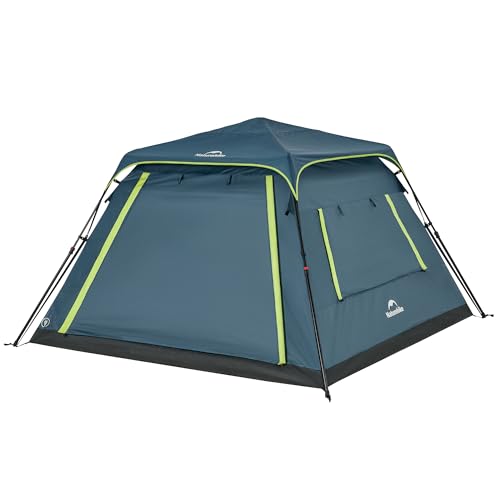
Naturehike Cape Lite 4-6 Person Instant Cabin
The Picks, Examined More Closely
The Kodiak Canvas Flex-Bow Deluxe earns its reputation the old-fashioned way, by refusing to cut corners on fabric or frame. Built from Hydra-Shield cotton duck canvas, the walls stay watertight through sustained rain yet breathe enough to prevent that clammy condensation build-up common in synthetic shelters. At 10 by 10 feet with a 6-foot-6-inch ceiling, adults can actually stand up, change clothes, and shuffle past each other without crawling.
Two D-shaped doors with #10 YKK zippers bookend the tent, and four mesh windows keep airflow moving on muggy summer nights. The Flex-Bow frame uses spring steel rods that keep the canvas taut without constant re-tensioning. For hunters, outfitters, or anyone running a semi-permanent basecamp, this tent feels less like a camping purchase and more like an investment in gear you will hand down.
Good Reasons To Consider
- 100% cotton duck canvas with Hydra-Shield treatment resists rain while allowing vapor to escape, reducing interior dampness on cool mornings.
- 6-foot-6-inch peak height lets most adults stand upright, a small luxury that matters when you are packing gear or supervising kids.
- Dual D-shaped doors on opposite ends mean two people can enter and exit without climbing over each other, perfect for shared sleeping quarters.
- Flex-Bow spring-steel frame keeps fabric drum-tight, so wind flap and sagging never become overnight noise issues.
- Four mesh windows provide cross-ventilation, which helps in humid climates where synthetic tents often feel stuffy by midnight.
Things To Consider
- Canvas weight makes this tent noticeably heavier than polyester alternatives, so short hikes from the truck are realistic but longer carries are taxing.
- Owners commonly report a break-in period where seams may need a second seam-sealing pass before the shelter feels fully weatherproof.
Feature Snapshot
Who It Suits Best
Outfitters, hunters, and basecamp families who set up once and leave the tent standing through a full season.
Consider Something Else When
Lightweight backpackers should look at the Naturehike Cape Lite, which trades canvas durability for a far easier pack-down.
Teton Sports built this canvas shelter for families who treat camping like a home-away-from-home experience. The tall ceiling and generous floor footprint swallow up air mattresses, duffel bags, and a curious dog without feeling pinched, while a large awning extends the living space outward to cover muddy boots and cooking gear. Mesh panels paired with canvas walls strike a balance between airflow and weather protection.
Where the Kodiak leans rugged and outfitter-serious, the Teton focuses on weekend comfort for parents and kids. It runs a bit easier to set up than traditional canvas wall tents, and the footprint (sold separately) keeps the floor protected from abrasion on rocky sites. For most backyards-to-state-park trips, this one hits the comfort sweet spot.
Positive Takeaways
- Extended awning creates a sheltered outdoor zone for cooking and gear, useful when rain refuses to quit.
- Canvas-and-mesh wall design breathes well in summer heat yet holds warmth on chilly shoulder-season nights.
- Extra-high ceiling helps parents stand comfortably while wrangling kids into sleeping bags.
Points To Note
- The footprint is sold separately, so budget for it if you camp on abrasive ground.
- Canvas construction means longer drying time after a soaked rainstorm, so pack it home damp and dry it fully before storage.
Right Fit For
Families who car-camp at established parks and want canvas comfort without the outfitter-level setup complexity.
Where Another Pick Suits Better
Solo travelers or couples chasing ultralight mileage should consider the Naturehike Cape Lite instead, which packs down much smaller.
The Naturehike Village skips the canvas conversation entirely and doubles down on speed. Pre-attached poles and a telescoping frame let the shelter pop into shape in roughly 60 seconds, which sounds like marketing fluff until you watch it unfold. For families arriving late to a campsite or anyone who has ever lost an hour wrestling traditional pole sleeves, that speed matters more than fabric type.
The shell uses 150D Ti Black Technology fabric with a UPF 1250+ rating, meaning it blocks intense sun exposure that turns budget tents into ovens by mid-afternoon. A PU 2000mm waterproof rating handles steady rain without seep-through. Compared to the Kodiak above, this tent trades canvas breathability for easy setup and a lighter pack size, which appeals strongly to newer campers.
Notable Upsides
- True 60-second setup means less frustration for first-time campers and no missing-pole panic.
- 150D Ti Black fabric with UPF 1250+ blocks harsh midday sun, keeping the interior noticeably cooler.
- Full-coverage rainfly provides PU 2000mm waterproofing for sustained storms.
- Cabin-style walls give true vertical space, so adults can stand and dress without crouching.
Honest Caveats
- Synthetic fabric does not breathe like canvas, so condensation can build on cool mornings without proper ventilation.
- Storage bags tend to run small, so folding practice matters for a clean pack-down the first few trips.
Key Specs
Made For
Newer campers and families who want a car-camping shelter that goes up fast and tolerates first-timer mistakes.
Look Elsewhere When
Multi-week basecampers should consider the Naturehike KOTA, which offers double-layer construction for better long-term weather management.
The Cape trades the Village’s boxy cabin shape for a tunnel design that feels wider and more social. Two sleeping pods flank a central standing area, so six people can move through the middle without crawling over anyone else’s head. The 190T polyester shell with a PU3000mm waterproof coating handles weather that would soak lesser shelters.
Setup is again in the 60-second range thanks to pre-attached poles, which makes this tent appealing to groups who split the cost and the chore of pitching. Compared to the Village, the Cape offers more compartmentalized sleeping, a real advantage when campers keep different schedules. The tunnel shape does shed wind better than cabin walls, which matters on exposed ridges.
Advantages To Know
- Tunnel layout creates two separate sleep zones, ideal for groups with early-risers and night owls.
- PU3000mm waterproof coating exceeds most weekend-weather demands.
- Walk-through central area keeps the shelter feeling like a communal living room rather than a crowded bedroom.
Trade Offs
- Tunnel tents require staked guylines on both ends to stay taut, so sites with poor staking ground are a poor match.
- Polyester fabric runs hotter than canvas in direct sun, so shaded sites will feel more comfortable.
Best Suited To
Friend groups of six who want defined sleeping spaces and a common area to hang out after dark.
Swap It Out When
Outfitters seeking canvas durability should reach for the Kodiak Canvas Flex-Bow Deluxe, which tolerates longer field deployments.
The KOTA is the most modular shelter in this roundup. The inner mesh tent and outer rainfly can be used together for full weather protection, the inner alone for stargazing on warm summer nights, or just the fly as a sun or rain canopy over a picnic table. That flexibility is rare in this category and useful for campers who travel across multiple climates in a single year.
The 75D 210T polyester shell with a 3000mm+ waterproof rating stands up to serious weather, while double-wall construction cuts down on condensation drip. Vestibules and a porch area extend usable space for muddy boots and wet rain jackets. For most campers planning a fall or spring shoulder-season trip, this tent handles the swing between warm days and frosty nights without complaints.
Strengths Worth Knowing
- Three-in-one design (full tent, mesh inner, fly-only canopy) adapts to varied weather and trip types.
- Double-wall construction reduces condensation drip onto sleeping bags in cool, damp conditions.
- Vestibule and porch create a defined dry zone for cooking and gear storage outside the sleeping area.
- 3000mm+ waterproof rating handles sustained rain without interior seepage.
Less Ideal Details
- Two-layer design means more pieces to track during pack-up, so a labeled stuff sack helps.
- Larger packed size than single-layer tents, which may challenge smaller vehicles with limited cargo room.
Quick Facts
Who Should Grab It
Campers who hit varied conditions year-round and want one tent that adapts to summer, shoulder, and mild winter trips.
Reach For A Different Pick When
Families focused on warm-weather camping will find the simpler Teton Sports Canvas easier to manage.
The Cape Lite is the lightest shelter in this lineup, aimed at campers who want a quick-setup cabin without the weight of canvas or full-size family tents. At roughly 101.5 by 101.5 inches with a 62.2-inch peak, it fits a queen mattress comfortably and sleeps four to six people on pads for shorter trips.
The 60-second instant design carries over from sibling Naturehike models, so the pitch process stays out of the way of the actual camping. This tent suits weekenders and newer campers more than it suits serious backcountry travelers, but for the stated use case, it nails the basics without overcomplicating the experience.
Everyday Wins
- Compact footprint packs smaller than six-person family tents, freeing up trunk space for coolers and chairs.
- 62.2-inch peak height handles most adults kneeling or sitting upright without a neck cramp.
- Queen-mattress-friendly floor dimension simplifies sleeping arrangements for couples or small families.
Where It May Fall Short
- Four-to-six person capacity gets tight with six adults plus gear, so size up if your group runs on the larger side.
- Synthetic construction does not insulate like canvas, so shoulder-season trips into frosty nights may need extra blankets.
Perfect Match For
Couples and small families on short weekend trips who value easy setup over long-term ruggedness.
Skip It When
Hunters and outfitters needing durable long-term shelter will do better with the Kodiak Canvas Flex-Bow Deluxe.
What Matters Most Before Choosing 6 Man Canvas Tents
Fabric and Weather Performance
Canvas and high-denier polyester each handle weather differently. Cotton duck canvas breathes well and resists UV degradation, which matters in sunny climates where synthetic shells slowly break down. Polyester with a PU2000mm or higher waterproof rating sheds rain reliably but traps more interior condensation. For mixed-weather trips, a double-wall design like the Naturehike KOTA manages moisture more cleanly than a single-layer cabin.
Setup Style and Group Size
Six-person tents run the gamut from traditional pole assemblies to instant pop-up frames. Larger groups with mixed experience benefit from pre-attached pole systems because setup speed compounds across multiple hands. Smaller groups carrying the tent farther from the vehicle should weigh packed weight heavily. A tent that takes 20 minutes to pitch loses appeal fast after the second trip.
Interior Layout and Living Comfort
Vertical cabin walls maximize standing room, while tunnel designs create compartmentalized sleeping zones. Consider whether your group values one big communal space or separated sleeping pods. Ceiling height above six feet feels luxurious but adds wind exposure on exposed sites.
Long-Term Care and Storage
Canvas demands full drying before storage to prevent mildew, while synthetic shells tolerate being packed slightly damp. Either way, a repair kit, seam sealer, and labeled stuff sack extend tent life across many seasons. Plan for periodic re-waterproofing on coated fabrics every few years of heavy use.
Key Considerations Across These Picks
Common Buying Traps
Underestimating real capacity ranks as the top mistake. A “six-person” tent often fits four adults comfortably with gear, so groups of six adults should mentally resize upward. Skipping the footprint to save money leads to floor abrasion on rocky sites, which shortens tent life noticeably. Buying on looks alone rather than pole quality means snapped poles on the first windy night, so check frame construction before committing.
Why Higher Prices Buy More
Premium canvas tents use heavier denier cotton, better YKK zippers, and steel-reinforced pole systems that survive years of repeated setup. Cheaper tents cut corners on zippers and seam tape, which fail first. For campers who set up more than four weekends a year, the upgrade often pays for itself in avoided replacements and better weather sealing during surprise storms.
Frequently Asked Questions
How Many People Actually Fit in a 6 Man Canvas Tent?
A true six-person tent sleeps four adults comfortably with gear, or six on pads for shorter trips. Sizing up helps if anyone carries bulky cots or coolers inside.
Are Canvas Tents Harder to Maintain Than Polyester?
Canvas requires thorough drying before storage to prevent mildew, while polyester tolerates being packed slightly damp. Canvas also benefits from occasional re-waterproofing treatments every few years of heavy use.
Can These Tents Handle Heavy Rain?
The Kodiak and Teton use treated canvas, while the Naturehike models use PU2000mm to PU3000mm coatings. Either construction handles sustained rain when seams stay sealed and guylines stay staked.
Do Instant Tents Last As Long As Traditional Designs?
Pre-attached pole systems hold up well for several seasons, but joint stress can wear faster than traditional poles if the tent gets folded repeatedly without care. Treating the frame gently during pack-down extends usable life.
What Setup Footprint Should I Plan For?
A 10×10 cabin tent needs roughly 12×12 feet of level ground including guyline space. Smaller footprints like the Cape Lite fit tighter sites but still benefit from a clear perimeter for tensioning.
Bottom Line
The right six-person shelter comes down to how you actually camp. Outfitters and long-term basecampers get the most from the Kodiak Canvas Flex-Bow, while weekend families will find the Teton Sports canvas easier to live in. Speed-focused campers should lean toward the Naturehike Village or Cape, and weather-flexible travelers get the most versatility from the KOTA. Match the tent to your trip style and the rest tends to fall into place.