
Finding the right shelter for a group trip means balancing headroom, weather protection, and pack-down size, all without spending an evening wrestling poles in the dark. After sorting through current options, these six picks cover everything from ultralight backpacking shelters to full-family car-camping cabins. Each one handles a different kind of weekend, so the right choice depends on how your crew actually rolls into camp.
The Lineup, Simplified

Clostnature Lightweight Backpacking Tent

Naturehike Village Instant Cabin Tent
Naturehike Cape Instant Camping Tent

Snow Peak Amenity Dome for 5 Person
Naturehike KOTA Double Layer Tent
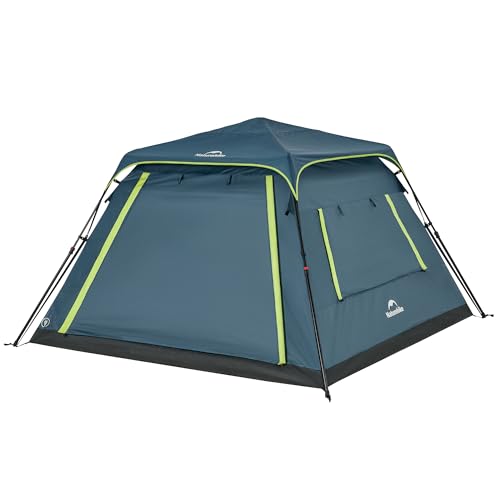
Naturehike Cape Lite Cabin Tent
A Breakdown Of The Leading Choices
The Clostnature Lightweight Backpacking Tent is built for hikers who count every gram in their pack. Its compact packed size slips behind a seat cushion or straps to the bottom of a backpack without complaint, which is the kind of detail that matters on day two of a long traverse. The bathtub-style floor and PU-coated rainfly (PU, or polyurethane, is a waterproofing layer bonded to fabric) aim to keep a wet night from turning into a wet sleeping bag.
Where it earns its place: solo travelers and tight pairs who want shelter without hauling a full camp setup. The smaller profile does mean less standing room and tighter gear storage, so anyone hauling a pack over 50 liters may find the vestibule space limiting.
Useful Highlights
- Lightweight pack-down for trail carry
- PU-coated rainfly and bathtub floor for wet weather
- Fits one adult plus a dog or small child comfortably
- Quick setup keeps trail evenings simple
Things To Consider
- Limited interior height makes changing clothes awkward
- Storage bag tends to run tight, so first-time folding takes patience
Who It Suits Best
Solo backpackers and pairs who want a light shelter for short trips and fair-weather weekends.
Where Another Pick Suits Better
Families or groups camping by car will get far more usable space from the Naturehike Cape Instant Camping Tent.
The Naturehike Village Instant Cabin Tent trades a long setup ritual for pre-attached poles that swing out in roughly a minute. The cabin shape gives near-vertical walls, which means adults can actually stand to change clothes without hunching over. Full-coverage rainfly and Ti Black fabric (a tightly woven 150D polyester with a black inner coating that blocks sunlight) bring real weather performance into play, not just a marketing claim.
For newcomers hauling the kids to a state park, this is the pick that gets the tent up before the campfire smoke drifts your way. It’s heavier and bulkier than the backpacking-focused Clostnature, but the trade-off is a structure that genuinely lives like a small room.
Standout Benefits
- Setup in roughly a minute thanks to pre-attached poles
- Cabin walls give usable standing height
- 150D Ti Black fabric rated UPF 50+ blocks harsh midday sun (UPF, or Ultraviolet Protection Factor, measures how much UV the fabric blocks)
- Full rainfly coverage for storm-prone weekends
Worth Noting
- Pack weight makes trail use unrealistic
- Larger footprint needs a roomy, flat campsite
At A Glance
Made For
First-time car campers and families who want a real cabin feel without a long setup ritual.
Not Your Match When
Backpackers covering real distance will find it too heavy and should look at the Clostnature instead.
The Naturehike Cape Instant Camping Tent goes bigger than the Village cabin, opening up genuine standing room across a tunnel-style floor plan. Pre-attached poles keep setup close to the one-minute mark, which matters when you arrive at dusk with tired kids. The 190T polyester shell (190T refers to the thread count: 190 threads per inch, a mid-weight fabric balance) with PU 3000mm coating is built for heavier rain than a typical fair-weather shelter.
Groups packing coolers, chairs, and a dog should give this one a serious look. Compared with the Village cabin, you trade some symmetry for more length and gear capacity, which can be the deciding factor for a multi-night family stay.
Real Benefits
- Tall tunnel design gives adults full standing height
- Setup stays near the one-minute mark
- 190T polyester with PU 3000mm handles steady downpours
- Roomy floor plan fits cots, coolers, and gear
Trade Offs
- Longer footprint demands careful site selection on tight pads
- Tunnel layout catches more wind from the side than a dome
The Right Fit
Families or friend groups car camping for multiple nights who want space to spread out.
Consider Something Else When
Solo travelers and ultralight hikers will find the Snow Peak Amenity Dome a smarter fit for trail-friendly trips.
The Snow Peak Amenity Dome for 5 Person steps into different territory, with materials chosen for long-term ownership rather than a few seasons of weekend use. The 75D polyester taffeta fly (taffeta is a smooth, tightly woven fabric finish) with PU 1800mm coating and Teflon water repellent treatment offers double-layered weather defense. Duralumin poles (an aluminum alloy prized for strength at low weight) and a dedicated front room give the shelter a more architectural feel than the instant tents on this list.
For campers who keep gear bags organized and expect a tent to last a decade, this is the kind of build that earns trust over time. The honest trade-off: setup takes real effort compared to the Naturehike Cape, and the investment only makes sense for people who actually pitch often enough to use it.
Good Reasons To Consider
- 75D fly with PU 1800mm coating and Teflon DWR (Durable Water Repellent, a surface treatment that causes water to bead and roll off)
- Duralumin frame keeps weight manageable for the size
- Separate front room creates a dry staging area for boots and packs
- Refined seam construction aimed at multi-season use
Points To Keep In Mind
- Setup is slower than instant tents; plan real time
- Higher initial outlay than the Naturehike options
Who Will Love This
Repeat car campers who value build quality and plan to keep the same shelter for many seasons.
Skip It When
Occasional campers after a low-fuss weekend should reach for the Naturehike Cape Lite Cabin Tent instead.
The Naturehike KOTA Double Layer Tent is the most modular option in this lineup. The inner mesh tent works as a standalone bug-free shelter for warm nights, while the outer rainfly doubles as a sun canopy or group covered area. The 75D 210T polyester (75D refers to the denier, a unit measuring fiber thickness: higher numbers mean thicker, more durable threads; 210T is the thread count) with PU 3000mm+ coating aims at real weather, not just drizzle.
Families who camp through spring rain, summer heat, and shoulder-season cold get more mileage from a shelter that adapts. The catch is bulk: it takes more cargo space than single-layer instant tents, so smaller vehicles need a packing plan.
Noteworthy Benefits
- Inner mesh tent functions as a stand-alone summer shelter
- Outer fly converts to a canopy or rain awning
- 75D fabric with PU 3000mm+ handles wet shoulder-season trips
- Vestibule porch creates dry gear storage
- Year-round usability across varied climates
Honest Caveats
- Bulkier packed size than single-layer instant designs
- Full setup takes longer than pre-attached pole tents
- More components to keep track of between trips
Feature Snapshot
Best Suited To
Year-round campers and families who camp across more than one season and want flexibility in how they pitch.
Look Elsewhere When
Anyone chasing a one-minute pitch should consider the Naturehike Village Instant Cabin Tent.
The Naturehike Cape Lite Cabin Tent keeps things simple: a square cabin footprint, pre-attached poles, and roughly a minute from bag to standing shelter. The 62-inch peak height gives adults a place to stand and dress, and the floor is roomy enough for a queen-size mattress plus gear along the walls. It’s the kind of tent that lets a first camping trip feel like a success instead of a puzzle.
For parents introducing kids to the outdoors, this delivers a familiar cabin feel without a learning curve. It runs smaller than the larger Naturehike Cape Instant Camping Tent, so groups with three or more adults should double-check the floor dimensions before committing.
What Stands Out
- Setup in roughly a minute for stress-free arrivals
- Near-vertical walls make the interior feel like a real room
- Queen-size mattress fits with room to spare for bags
- Light enough for a single person to handle on arrival
Small Caveats
- Smaller footprint than the bigger Cape, so larger groups may feel cramped
- Single-layer construction in heavy, sustained rain benefits from extra seam sealing at home
Perfect Match For
First-time family campers and small groups who want an easy, roomy cabin without complicated setup.
Reach For A Different Pick When
Larger groups of five or more adults should consider the Naturehike Cape Instant Camping Tent for its longer floor plan.
What Matters Most Before Choosing 5 Person Tents
Capacity vs. Real-World Comfort
A “5 person” label usually assumes tight quarters with gear stacked at your feet. For groups who actually want to stretch out, plan on the next size up or look for tall cabin walls like those on the Naturehike Village Instant Cabin Tent. Interior peak height makes the biggest difference in livability.
Setup Style and Frequency
Instant tents with pre-attached poles pay off when setup happens at night, in rain, or with kids running around. Traditional dome designs like the Snow Peak Amenity Dome for 5 Person take longer to pitch but tend to handle wind and repeated use more gracefully.
Weather Protection
Look at waterproof coatings, fabric denier, and rainfly coverage together. A PU 2000mm coating handles steady rain, while PU 3000mm+ shrugs off heavier storms. Taped seams (seams sealed with waterproof tape rather than just stitched) and a full-coverage fly matter as much as the raw rating, especially in shoulder-season camping.
Pack Weight and Storage
Backpackers and bikepackers will struggle with anything over roughly 6 pounds for a 5-person shelter. Car campers can ignore weight and focus on cabin space and ease of pitch instead.
Key Considerations Across These Picks
Where Shoppers Go Wrong
Buying by stated capacity alone is the most common misstep. Manufacturers rate tents assuming minimal gear storage, so a “5 person” tent rarely sleeps five adults comfortably. Floor dimensions, peak height, and vestibule space deserve as much attention as the headcount label.
Another trap is overlooking the setup story. Pre-attached pole tents trade some weather toughness for convenience, which is fine for casual trips but limiting in real storms.
When Paying More Pays Off
Higher-tier options like the Snow Peak Amenity Dome and the Naturehike KOTA Double Layer Tent cost more for a reason: tougher fabrics, stronger poles, and modular designs that outlast a single season. For campers who pitch more than three weekends a year, the upgrade typically earns back its price in longevity. Casual campers once or twice a season will find mid-tier instant tents deliver the experience they actually need.
Frequently Asked Questions
How big is a 5 person tent?
Most 5 person tents run between 8 and 12 square meters of floor space, depending on the design. Cabin-style models feel larger because of vertical walls, while dome shapes use that space for sleeping pads rather than standing room.
Are 5 person tents good for families?
Yes, especially cabin-style options with near-vertical walls. Families with kids tend to prefer the standing room of the Naturehike Village Instant Cabin Tent or the Cape Lite Cabin Tent, since it makes changing and moving around much easier.
Can one person set up a 5 person tent?
Most instant models can, since the poles come pre-attached. Traditional tents with separate poles usually need two people for a smooth setup, particularly in wind.
What does PU coating mean?
PU stands for polyurethane, a waterproof layer applied to tent fabric. The number that follows (like PU 2000mm) measures hydrostatic head, which is the height of a water column the fabric can withstand before leaking. Higher numbers handle heavier, more sustained rain.
How do I store a 5 person tent between trips?
Make sure the tent is fully dry before folding it into its bag, then store it loosely in a cool, dry place. Long-term compression in a tight stuff sack can weaken coatings and stress seams over time.
Closing Remarks
A great 5 person tent comes down to honest answers about how and where you camp. Backpackers need pack-down size, car campers want standing room, and shoulder-season travelers need weather-rated fabric. Any of these six will serve well in the right setting, so match the shelter to the trip and the rest tends to take care of itself.