
Group tents for five people sit in a sweet spot: roomy enough for a small family or a tight crew of friends, narrow enough that you aren’t hauling a tent the size of a garage. The picks below cover cabin-style instants, tunnel layouts, a heavy-duty workhorse, and a canvas bell for full-on glamping weekends, so you can match the shelter to the way you actually camp.
The Essentials At A Glance

Naturehike Village Instant Tent 4/8 Person Cabin

WaldZimmer Canvas Bell Tent with Stove Jack
Naturehike Cape 4/6/8 Person Instant Tent

ALPS Mountaineering Taurus 5 Outfitter Tent
Naturehike KOTA Double Layer 4/6/8 Person Tent
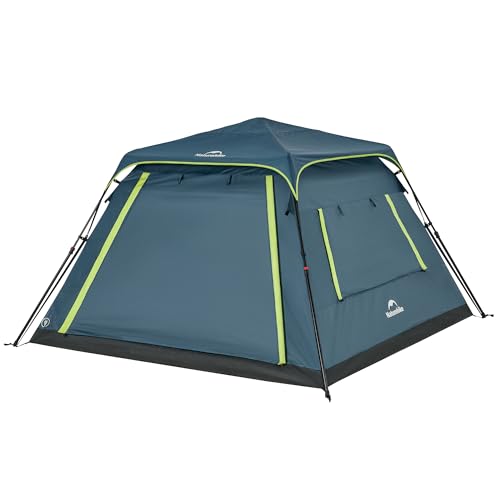
Naturehike Cape Lite 4-6 Person Instant Cabin
The Details Behind The Selections
Car campers who pull into a site after dark and want the tent standing before dinner will appreciate how this Naturehike model throws together in roughly a minute. The pre-attached pole structure (where the tent body stays connected to its frame so you unfold instead of assemble) removes the usual head-scratching step of matching poles to sleeves. It is a true cabin shape, which means near-vertical walls and a flat floor you can actually walk around in, a step up from dome tents that slope inward at the shoulders.
The full-coverage rainfly (a separate outer layer that drapes over the tent for rain and sun protection) and a claimed PU 2000mm+ waterproof rating (PU stands for polyurethane, the coating that makes fabric water-resistant, and the 2000mm number is a hydrostatic head measurement, meaning the fabric can hold back a 2000mm column of water before leaking) help when a storm rolls over a state-park campground. For families who want standing room to change jackets and a space that doubles as a play area on rainy afternoons, the Village reads as the most livable option in this lineup.
The Helpful Details
- Cabin-style near-vertical walls give more usable square footage than a dome of the same footprint
- Pre-attached pole frame pitches in roughly a minute, which matters for late arrivals and tired kids
- Full rainfly with a PU 2000mm+ rating is enough for sustained rain during summer thunderstorms
- Available in both 4-person and 8-person footprints so the tent can grow with the family
Things To Consider
- The larger 8-person version is heavy and bulky, so it only suits sites you can drive right up to
- Like most instant tents, the packed length is long, which can be awkward in a small trunk
Quick Facts
Who It Suits Best
Car campers and families who prioritize livable space, fast setup, and a price tag well below the canvas options on this list.
Where Another Pick Suits Better
If you camp through shoulder seasons with real cold, the Naturehike KOTA Double Layer tent will serve you better thanks to its separate inner mesh and rainfly setup.
The WaldZimmer bell is a different animal than the other tents here. Polycotton canvas (a blend of polyester and cotton that breathes, regulates temperature, and feels closer to a permanent structure than to a backpacker’s nylon shelter) gives it weight, drape, and a degree of weather tolerance you simply cannot get from coated polyester. The shape is the classic single-pole cone with a stove jack, which is a reinforced chimney port that lets you safely run a wood-burning stove pipe through the canvas wall for cold-weather or winter camping.
Available in 10, 13, 16, and 20 foot diameters, this is a basecamp tent first, a backpacking shelter never. The 500gsm PVC floor (PVC is a heavy vinyl material, and gsm means grams per square meter, a density measure where higher numbers mean thicker fabric) shrugs off rough ground, and the steel center pole plus adjustable wind ropes keep the structure anchored. For couples, families, or small groups who want a semi-permanent canvas home at a long-term campsite, glamping property, or hunting camp, it is in a category of its own.
Real-World Strengths
- Polycotton canvas breathes and insulates better than polyester, keeping the interior calmer in sun and warmer in cold
- Built-in stove jack unlocks real four-season use with a compatible wood stove
- Removable 500gsm PVC floor makes cleaning and drying the tent far easier after a wet trip
- Multiple size options from 10 to 20 feet, so the tent scales to your crew and your space
- Steel center pole and triangle door pole deliver a sturdy frame that holds up to wind
Trade Offs
- Heavy and bulky compared to any nylon shelter on this list, so it is a drive-in tent only
- Canvas is water-resistant rather than fully waterproof, and the manufacturer recommends not leaving it in heavy rain for extended stretches
- Higher upfront cost than any of the instant cabin picks
Made For
Campers building a long-stay basecamp, hosting guests at a glamping site, or hunting and winter-camping in a fixed location where the extra setup time is a fair trade.
Skip It When
Your trips are short weekend overnights at a state-park site, where the Naturehike Village or Cape will be far easier to handle.
Where the Village model is a single-room cabin, the Cape uses a tunnel-style layout: a long, ridge-supported shape that opens up a surprising amount of living and sleeping space for the footprint. Like its sibling above, it uses pre-attached poles so the structure can be thrown out and locked into place in roughly a minute, which is the main reason it lands as a family pick.
The 190T polyester shell (190T is a thread count shorthand, where higher T-numbers mean slightly thicker weave) carries a PU 3000mm+ waterproof rating, which is a meaningful step up from the Village’s 2000mm+ and worth noting if you camp in regions with frequent, heavy rain. The taller peak height also matters in practice, since adults can stand upright through more of the tent rather than crouching near the corners.
Good Reasons To Consider
- Tunnel shape delivers more sleeping area than a comparable cabin footprint
- PU 3000mm+ waterproof rating is genuinely strong for sustained downpours
- Taller peak height lets adults move around without hunching
- 60-second setup keeps arrival energy spent on firewood, not pole sorting
Worth Noting
- Tunnel tents need staking at both ends, so rocky or hard-packed ground slows the pitch
- The largest 8-person version is genuinely long when packed, which can be awkward in smaller vehicles
Right Fit For
Families who want the most sleeping room for the floor space, plus campers in wet climates who need a higher waterproof rating than entry-level tents offer.
Look Elsewhere When
You mostly camp in fair weather on open, sandy ground where the Naturehike Village Instant Cabin is easier to position and simpler to live in day to day.
Outfitter tents sit in a different lane than car-camping cabins, and the ALPS Mountaineering Taurus 5 shows why. The line is built around two details that matter most on heavy use: oversized #10 zippers, which are the largest common zipper size used in tents and noticeably tougher than the #5 zippers on most recreational shelters, and a heavy-duty poly oxford floor roughly twice the weight of a standard nylon floor. Both upgrades target the parts that usually fail first on rental-fleet and trip-leading tents.
The pole set uses 7000-series aircraft aluminum (an aluminum alloy commonly used in aviation, prized for its strength-to-weight ratio), which keeps the packed weight reasonable while staying strong under wind load. This is a free-standing dome-style shelter (a tent that holds its shape without stakes, useful on platforms or rocky ground) rather than a cabin, so the walls slope inward, but you trade some standing room for a sturdier, more weather-worthy shape on exposed terrain.
What Makes Sense
- Poly oxford floor resists abrasion from rough ground, gravel, and repeated setups far better than nylon
- Oversized #10 zippers stay smooth and resist splitting under heavy pack use
- 7000-series aluminum poles balance strength and weight for backcountry-style trips
- Free-standing design works well on platforms, rocky pads, and short-stake terrain
Honest Caveats
- Dome shape means sloped walls, so you lose the standing room of the cabin-style tents
- Higher price per square foot than the Naturehike cabins
Spec Overview
Who Should Grab It
Outfitters, scout leaders, guides, and anyone running repeated trips where the tent sees weekly setup, breakdown, and rough sites.
Reach For A Different Pick When
You mostly want a roomy base for weekend family camping, where the Naturehike Village Instant Tent will be more comfortable inside.
The KOTA leans into versatility. Where the Village and Cape are single-layer instant shelters, this one is a true double-layer design (a system with two separate fabric walls: an inner mesh tent and an outer rainfly, which together reduce condensation and improve weather protection), and the two layers can be used independently. The inner mesh tent stands on its own for warm, clear nights when you want stargazing and airflow, while the outer rainfly doubles as a canopy or sun shelter when you just need shade at a day-use site.
The 75D 210T polyester shell (75D is the yarn denier, a thickness measure where higher numbers mean more durable fabric) carries a 3000mm+ waterproof rating, which is competitive with the Cape and a step above the Village. Vestibules and porch space add covered storage for boots, packs, and a camp chair, and the larger sizes give families real room to spread out rather than sleeping elbow to elbow.
What Pays Off
- Modular design lets you pitch the mesh inner, the rainfly alone, or both together depending on conditions
- 3000mm+ waterproof rating handles sustained wet weather
- Vestibules and porch areas keep gear and boots out of the sleeping space
- Double-layer construction reduces interior condensation compared with single-layer tents
Points To Note
- Not a true instant tent, so setup takes longer than the Cape or Village models
- Bigger packed size than a single-layer instant, which matters if your vehicle space is tight
Best Suited To
Campers who want one tent that adapts across three seasons and multiple trip types, from summer stargazing to shoulder-season rain.
Another Choice May Suit
For pure weekend convenience at a fair-weather campground, the Naturehike Cape Lite Instant Cabin will feel simpler.
The Cape Lite is the entry point of this list, and it shows up for the right reasons. It uses the same pre-attached-pole instant design as its larger siblings, so a first-time camper can have a freestanding cabin shelter up in roughly a minute, with no instruction manual and no partner required. The 101.5 by 101.5 inch floor accepts a queen mattress with room to spare, which is a useful mental anchor: you know exactly how much sleeping area you are getting.
At a 62.2 inch peak height, it is not as tall as the Cape or Village cabins, so taller adults will stoop near the peak, but it is plenty for sitting, dressing, and managing a small family setup. For newer campers who want something forgiving, low-fuss, and easy to live with on a couple of trial weekends, this is the tent most likely to leave you saying “that was easy.”
The Good Stuff
- One-minute pitch removes the steepest part of the learning curve for new campers
- Queen-mattress-friendly floor gives an honest sense of sleeping space before you buy
- Cabin shape keeps the interior more usable than a dome of the same footprint
- Lighter packed weight than the larger Naturehike cabins, which helps on shorter walks from the car
Some Limits To Know
- Lower peak height than the Cape or Village, so taller users will hunch near the center
- Less weather headroom than the heavier Naturehike models or the KOTA double-layer build
Whose Shelf It Belongs On
First-time family campers and anyone who values fast, painless setup over maximum interior space or storm-rated construction.
A Better Fit Elsewhere
Campers heading into wetter, more rugged sites will find the Naturehike KOTA’s higher waterproof rating and double-layer design a smarter match.
What Matters Most Before Choosing 5 People Tents
Capacity That Matches Real Life
A “5 person” rating is a sleeping-bag count, not a comfort count, so plan for one or two fewer sleepers if you want room for packs, dogs, and a bit of breathing space. Floor dimensions and peak height matter more than the printed capacity, and you should mentally picture your pads, your dog crate, and a cooler before committing.
Weather Rating And Fabric Choice
Look for a waterproof rating in millimeters, which describes the hydrostatic head (the height of a water column the fabric can withstand before leaking) the fabric can handle. PU 2000mm handles typical summer storms, while 3000mm and up is safer for sustained rain or shoulder-season trips. Polyester is lighter and cheaper; polycotton canvas breathes better and lasts longer but adds weight and price.
Setup Style And Site Reality
Instant tents with pre-attached poles trade a slightly heavier pack for a much faster pitch, which matters at nightfall, in the rain, or with kids underfoot. Tunnel designs need staking at both ends, while freestanding domes like the Taurus hold their shape on platforms or rocky ground where stakes barely bite.
Long-Term Use And Care
Check the floor material, since heavier poly oxford and PVC floors resist punctures from twigs and gravel much longer than thin nylon. Seam tape (factory-applied strips that seal stitched seams against water), zipper size, and pole alloy all tell you how a tent will hold up after a dozen trips rather than on its first weekend out.
Key Considerations Across These Picks
Mistakes Worth Dodging
Buying a tent rated for exactly your headcount leaves no room for packs, dogs, or unexpected guests, so step down one or two people for real comfort. Forgetting site conditions is another common slip, since a tunnel tent on rocky ground can be a frustrating pitch while a freestanding dome shrugs it off. And many shoppers skip the floor material, only to discover a thin nylon floor the first time they camp on a root-filled site.
What The Higher Tier Buys
Moving up the price ladder in this category mostly buys heavier fabrics, better zippers, and stronger poles, which together translate to a tent that lasts more seasons and tolerates rougher weather. The canvas bell is the clearest example: it costs more and weighs more, but it opens up cold-weather use, stove compatibility, and a longer service life. For year-round campers or trip-leading use, that extra money goes into durability and weather headroom rather than brand cachet.
Frequently Asked Questions
How big should a 5 person tent actually be?
Plan for one or two fewer sleepers than the printed capacity for comfortable family use. A tent rated for five usually fits four adults with gear, or two adults and two kids with breathing room.
Is a higher waterproof rating always better?
Yes, up to a point. A 3000mm+ hydrostatic head (the column-of-water measure of fabric waterproofness) handles sustained rain, while 2000mm is enough for summer thunderstorms. Going much higher adds weight without meaningful real-world benefit for most campers.
Can instant tents handle strong wind?
Many can, especially cabin and freestanding designs, but they need solid staking at every guy point (a guy line is a cord attached to the tent and anchored into the ground to stabilize it in wind). Tunnel designs catch wind along their length and need cross-staking to stay planted in gusty conditions.
Are canvas tents worth the extra cost?
For long-stay or cold-weather camping, often yes. Polycotton canvas breathes and insulates far better than polyester, so the interior stays cooler in sun and warmer in cold, and a canvas tent can last many seasons with reasonable care.
How do I store a tent so it lasts?
Dry it completely before packing, even after a sunny day, since trapped moisture leads to mildew and coating breakdown. Store it loosely in a breathable bag rather than the original compression sack, which stresses seams and fabric over time.
Closing Remarks
The right tent depends less on spec sheets and more on how you actually camp. Match the shelter to your crew size, your climate, and the setup time you can live with, and the rest falls into place. Start with the use case, and the right pick usually follows.