
Raising backyard chickens has moved past the barnyard and into suburban gardens, rooftops, and small patio corners. The right coop decides whether your mornings start with a calm walk to collect eggs or a scramble to find a predator-proof latch. This guide walks you through ten options across sizes, materials, and automation levels, with a few maintenance and accessory picks folded in. You’ll find gear for first-timers with three hens and gear for keepers running a larger flock across uneven ground.
The Picks In Brief

CHAMUTY Automatic Chicken Coop Door with Camera

XUNYUQI 4 Pack Chicken Poop Scooper

AdorStore ADOR1 Automatic Chicken Coop Door
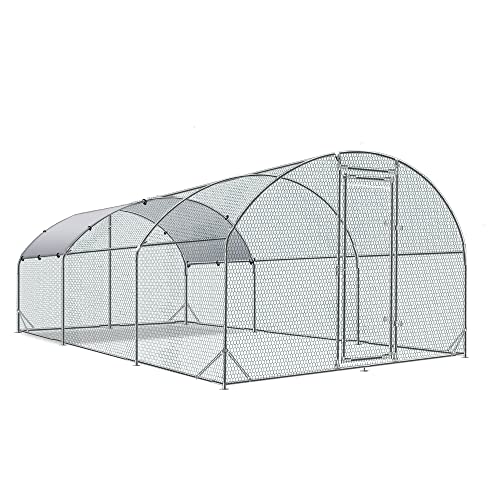
Betterhood Large Metal Chicken Coop 19’L

Betterhood Large Metal Chicken Coop 6.6’L

Betterhood Large Metal Chicken Coop 6.5’L

Aivituvin Large Wooden Chicken Coop

Aivituvin Large Wooden Chicken Coop (Black)

Aivituvin Chicken Coop for 3-4 Chickens

Aivituvin Large Chicken Coop with Wheels
Taking A Closer Look At The Options
The CHAMUTY automatic coop door trades the standard light-sensor for full connectivity, a solar panel on top, and a built-in 1080P HD camera (high-definition video resolution) that streams to your phone through the iWFCam app. For keepers who travel or work odd hours, that single feed answers the daily questions: did the hens actually come home at dusk, and is anything circling the run after dark. The 5000mAh battery (milliamp-hours, a measure of stored electrical capacity) paired with the solar panel keeps the door cycling through scheduled open and close times even on overcast days.
You don’t need a separate camera or extension cords, which makes this a tidier install than bolting on aftermarket sensors. Mount it on wood framing or hardware cloth (a welded wire mesh used for predator-resistant runs), set the timer once, and the door becomes the silent last check of your evening. If a security-style view of your flock is the priority, this is the most feature-forward opener on the list.
Well-Handled Touches
- 1080P HD camera with night vision shows the run clearly in low light
- Solar-assisted 5000mAh battery trims the need for daily charging
- App-based scheduling beats basic light sensors for short winter days
- Single unit replaces a separate camera and door opener
Worth Noting
- App pairing takes patience if your coop sits far from the home router
- Door frame dimensions aren’t listed, so measuring your existing opening is a must before ordering
Key Features At A Glance
Whose Setup It Suits Most
Remote-monitoring keepers who want one device to replace a camera and a timer opener on a smaller backyard coop.
A Better Fit Elsewhere When
For keepers prioritizing heavy steel construction in harsh climates, the AdorStore ADOR1 is the more rugged path.
The XUNYUQI 4-pack solves a problem most new keepers underestimate: one scoop size does not fit all jobs. This set ships four mesh scoops at 2.0mm, 2.8mm, 3.8mm, and 5.0mm, so the fine sieve handles sand or fine bedding while the wider openings drop clean pellets into the compost without losing substrate (the loose material covering the coop floor). Switching between them as your bedding type rotates keeps cleanup fast and reduces the dust cloud of sifting.
The stainless steel head resists the rust that wrecks cheaper plastic scoops after a wet season, and the soft non-slip grip absorbs some of the strain during long Saturday cleanings. A small hanging hole on the handle keeps the four tools stacked neatly on a shed pegboard. For keepers who already own a coop from the rest of this list, this is the maintenance companion that extends its lifespan.
Practical Advantages
- Four mesh sizes cover fine sand, pine shavings, and straw alike
- Stainless steel holds up through wet manure and rain-soaked compost
- Non-slip grip lowers hand fatigue on bigger cleanouts
- Hanging hole keeps all four tools organized in a shed
Small Caveats
- 5.5-inch head works fast in small runs but feels slow in large walk-in enclosures
- Stainless can dent if pressed into frozen ground in winter
The Right User Profile
Daily coop cleaners running mixed bedding who want one set that adapts to sand, straw, and shavings without swapping tools mid-job.
Skip It When
Anyone outfitting a large walk-in run may want a wider rake-style scoop instead, since the XUNYUQI set is sized for smaller, hands-and-knees work.
The AdorStore ADOR1 is the heavyweight of automatic doors, and it shows in the spec list. A 13 x 10.5-inch opening fits the largest standard hens and many duck breeds, while the galvanized steel body resists the rust that ends the life of cheaper doors after a few winters. The included 6-volt lantern battery keeps the door cycling through sunrise and sunset events without drawing from household power, an underrated feature for coops located away from an outlet.
The direct drive sprocket is the detail that matters for predator country. Instead of a simple latch, the drive locks the door in the closed position so raccoons can’t pry it open with clever paws. Adjustable open and shut times relative to sunrise and sunset let you match the door to seasonal changes without climbing a ladder to reprogram. For keepers in cold or rural settings, this is the closest thing to a set-and-forget door in the lineup.
The Upside
- Galvanized steel construction weathers decades of outdoor use
- Direct drive sprocket keeps the door locked against clever predators
- Extra-large 13 x 10.5-inch opening suits ducks and larger breeds
- Battery power means no outlet required at the coop
Points To Keep In Mind
- Made in USA build carries a higher price than imported light-sensor doors
- Heavy steel makes wall mounting a two-person job
Quick Facts
Made For
Cold-climate and rural keepers who prioritize long service life and predator resistance over app-based bells and whistles.
Reach For A Different Pick When
Suburban keepers wanting live coop video should look at the CHAMUTY door with camera, since the ADOR1 trades app features for steel-and-gear durability.
The Betterhood 19-foot walk-in run is the largest footprint on the list, and for keepers with a real flock, that space changes daily life. At 19 feet long and 9 feet wide with a 6.5-foot ceiling, you can stand upright to refill feeders and collect eggs, which sounds minor until you’ve spent a year bent double in a low-roofed run. The triangular support columns add rigidity against snow loads and curious livestock that lean on the wire.
The cover carries an anti-UV rating to slow sun damage on the polyethylene panels, which matters in southern summers where cheaper covers cloud and tear within a season. Galvanized steel framing through the entire structure keeps the run from rusting at the joints where water tends to pool. For mixed flocks including ducks, geese, or rabbits, the height and width make the difference between cramped and comfortable.
Where It Helps
- 19-foot length creates real walking room for full-grown birds
- Triangular supports prevent racking in wind and snow
- Anti-UV cover extends the lifespan of the roof panel
- Multi-species friendly for ducks, geese, and rabbits
Practical Considerations
- 19-foot footprint demands a flat, level yard before assembly
- Walk-in size takes two people most of the day to set up
Who It Suits Best
Larger mixed flocks with the yard space to dedicate a long rectangular footprint to a walk-in enclosure.
Swap It Out When
Suburban keepers with limited lawn should look at the 6.6-foot Betterhood version, which keeps the same steel build in a tighter footprint.
The 6.6-foot Betterhood keeps the same galvanized steel frame, triangular supports, and anti-UV cover as the 19-foot version but compresses the footprint for tighter lots. Suburban side yards and patio edges are where this run earns its place, giving small flocks enough room to scratch and dust bathe without dominating the lawn.
At 6.6 feet long, the run pairs naturally with a standalone henhouse from elsewhere on this list, so you can position the shelter for morning sun and the run for afternoon shade. The round-top profile sheds rain and snow without pooling, and the cover’s UV resistance slows the clouding that reduces light inside the run over time. For first-time keepers nervous about committing a corner of the yard to a permanent structure, this is the lowest-fuss starting point.
Strengths Worth Knowing
- Compact 6.6-foot length fits suburban side yards
- Galvanized steel frame matches the larger Betterhood runs in durability
- Round top sheds rain and snow efficiently
- Anti-UV cover slows sun damage to the roof panel
Some Limits To Know
- Short length limits the flock to four or five birds without crowding
- Not a complete coop: requires a separate nesting shelter
The Right Fit
Small backyard flocks of three to five hens in tight suburban yards where every foot of lawn matters.
Another Choice May Suit When
Keepers wanting an all-in-one enclosed coop should consider the Aivituvin wooden coop, which combines the run and nesting shelter in one structure.
The 6.5-foot Betterhood run splits the difference between the compact 6.6-foot and the walk-in 19-foot versions, and it leans hard into sun protection. The water-resistant cover with anti-UV coating matters most in southern yards where afternoon sun bakes unprotected birds and turns cheap covers cloudy within a season. Triangular supports stiffen the frame against the wind gusts that come with open ground.
Like the other Betterhood runs, this is a wire-mesh enclosure rather than a complete coop, so it pairs with a wooden henhouse for the laying boxes and roosting bars. The galvanized steel frame runs through the uprights and the roof supports, so rust at the joints is less of a concern than on runs that mix steel and aluminum parts. For keepers whose biggest worry is summer heat, this is the most weather-aware option in the round-top lineup.
What Helps Most
- Anti-UV cover protects birds from harsh afternoon sun
- Galvanized steel resists rust at the joints
- Triangular supports stiffen the frame for windy sites
- Round top prevents rain and snow from pooling on the cover
Where It Is Less Suited
- Wire mesh floor can be tough on hens’ feet over long-term standing
- Requires a separate shelter for laying boxes and roosts
Best Suited To
Sun-exposed southern yards where UV-rated covers and rounded shade matter more than indoor roosting height.
Where A Sibling Pick Shines
For shaded northern yards where rain is the bigger worry, the 19-foot Betterhood run offers more covered length to keep bedding dry.
The Aivituvin large wooden coop is the most complete shelter on the list, combining a raised henhouse with a covered run and integrated nesting boxes in one footprint. The asphalt roof is the detail that separates it from cheaper wooden coops: instead of absorbing rainwater and slowly rotting at the seams, the shingle-style surface sheds water for years. The removable cleaning tray slides out from the back, sparing you from crawling inside with a scraper.
The folding design is the real everyday win. Aivituvin designed the panels to fold down for shipping and for off-season storage, so the assembly time stays manageable for a single adult with a socket set. Wire mesh windows on the henhouse let light in without letting predators reach in, and the nesting boxes lift open from the top so kids can collect eggs without opening the main door. For families new to chickens, this is the gentlest introduction.
Everyday Wins
- Asphalt roof sheds rain far better than bare plywood
- Removable tray shortens weekly cleanouts
- Folding panels cut assembly time versus flat-pack competitors
- Integrated nesting boxes lift open for easy egg collection
Honest Caveats
- Wood requires annual sealing to keep its weather resistance
- Combined footprint still demands a flat, level patch of yard
Feature Snapshot
Who Will Love This
Family backyard setups wanting one all-in-one wooden coop with built-in nesting boxes and a manageable cleaning routine.
A Better Fit Elsewhere When
Keepers wanting to move the coop around the yard for rotational grazing should pick the Aivituvin wheeled tractor instead.
The black Aivituvin shares every functional feature with the standard wooden coop on this list, including the asphalt roof, removable cleaning tray, and folding panel design. What changes is the finish: the darker stain reads more like garden furniture than livestock equipment, which matters in backyards where the coop sits in view of a patio or kitchen window.
For design-conscious keepers, the trade-off is small. The darker paint absorbs more summer heat than a natural wood tone, so positioning the coop under partial shade keeps the interior cooler during heat waves. Wire mesh windows and the same integrated nesting boxes carry over unchanged, so egg collection stays the same one-handed lift-open motion. If your HOA cares about how the coop looks from the street, this is the better-presented option.
Key Advantages
- Dark finish blends better with modern backyard landscaping
- Same asphalt roof and removable tray as the standard version
- Folding panels keep assembly approachable
- Top-access nesting boxes simplify daily egg collection
Things To Weigh
- Darker stain absorbs more heat in direct summer sun
- Black finish shows dust and water spots more readily than natural wood
The Right User Profile
Style-conscious suburban keepers who want a coop that looks intentional next to a patio or outdoor dining area.
Look Elsewhere When
Keepers in full-sun yards should pick the lighter natural-wood Aivituvin, since the lighter tone reflects more heat in summer.
For first-time keepers, three to four hens is the sweet spot: enough eggs to feel the routine, few enough birds to learn their personalities. The Aivituvin small-flock coop is sized for exactly that scale, with two nesting boxes (each large enough for shared use without squabbling) and six built-in perches so the flock can establish a sleeping hierarchy without crowding. The 11.2-square-foot footprint is generous without dominating a small yard.
Solid wood construction holds up to weather better than the engineered panels found in cheaper starter coops, and the removable cleaning tray means your first cleaning job won’t require crawling inside. The 85.6-inch length option stretches into a more walk-in configuration if you decide to expand the flock later. For first-timers uncertain how deep the hobby will run, this is the most forgiving starting point on the list.
Real-World Strengths
- Sized for 3 to 4 hens with room to spare
- Six perches let the flock establish a stable pecking order
- Solid wood weathers outdoor use better than thin plywood
- Removable tray shortens the first cleaning job
Minor Gripes
- Small footprint means adding birds means upgrading the whole coop
- Solid wood raises the assembly weight versus hollow-core alternatives
At A Glance
Built With In Mind
First-time flock keepers starting with three or four hens who want a manageable coop that won’t dominate a small backyard.
Not Your Match When
Keepers planning to scale up to eight or more birds should pick the larger Aivituvin wooden coop with the expandable run design.
The wheeled Aivituvin turns the coop into a chicken tractor (a mobile enclosure moved across the yard so birds always have fresh ground), which changes how you manage a small lawn. Roll the coop a few feet each morning and your flock gets fresh grass while the previous spot recovers, cutting down on muddy runs and overgrazed patches. For three to five hens on a small property, that daily move keeps the yard healthier than any stationary coop can.
The 11.5-square-foot interior includes a built-in nesting box and removable tray, so the wheeled design doesn’t sacrifice the maintenance features that make a coop livable. The 23.2-inch door and 41-inch ramp give the birds easy in-and-out access as the coop moves, which matters for older hens that don’t like climbing steep ramps. The asphalt roof holds up to being repositioned repeatedly without leaking at the seams.
A Few Strong Suits
- Wheels let one person reposition the coop across the yard
- Fresh-ground access keeps the lawn from overgrazing
- Removable tray simplifies cleanup after each move
- Asphalt roof stays watertight despite frequent repositioning
Some Limits To Know
- Wheels work best on level lawns, not steep slopes or gravel
- Smaller interior than stationary coops of similar price
Who Should Grab It
Rotational grazing keepers with level lawns who want a mobile coop that moves with the flock across fresh grass each week.
Consider Something Else When
Keepers on sloped or rocky ground should pick the stationary Betterhood runs, since the wheels lose traction on uneven terrain.
What Matters Most Before You Choose a Coop
Size And Flock Planning
Start with the flock you plan to keep, not the coop you wish you had. Most sources recommend four square feet per bird inside the coop and ten square feet per bird in the run, so a flock of six needs at least 24 square feet of indoor space. Choosing too small creates stress, pecking, and egg-laying problems that no accessory can fix.
Material And Weather Exposure
Galvanized steel runs and wooden coops each handle weather differently. Steel shrugs off rain and resists chewing predators but heats up in direct summer sun. Wood insulates better against cold and reads as more attractive, but needs annual sealing to keep rot at bay. Match the material to your climate and your tolerance for maintenance.
Predator Resistance And Locking
Look beyond the price tag to the locking mechanism. A direct drive sprocket or two-step latch protects against raccoons, while hardware cloth with small openings blocks weasels and rats. Predator pressure varies by region, so keepers in rural areas should prioritize heavy steel doors over light-sensor automation alone.
Automation And Daily Routine
Automatic doors add convenience but trade away your presence at the coop. If you enjoy the morning walk to let hens out, a manual door is fine. For early commuters and frequent travelers, a solar-powered or battery-operated opener removes the one chore that most often gets skipped on busy days.
Key Considerations Across These Picks
Where Shoppers Go Wrong
The most common slip is buying a coop sized for chicks and expecting it to handle adults. Pullets grow fast, and a coop that feels roomy at eight weeks can feel crowded at five months. Another trap is underestimating the run footprint: hens spend most daylight hours outside the coop, so the run’s square footage matters more than the indoor roosting area. Finally, skipping a removable cleaning tray turns every weekly cleanup into an hour of bending and scraping.
Where The Extra Money Goes
Higher-tier coops spend the budget on three places: thicker steel framing, real asphalt roofing instead of felt paper, and locking hardware that resists a determined raccoon. Those upgrades buy years of service life rather than a single better season. The honest read is that a mid-priced coop with a solid roof and a real lock will outlast a flagship coop with thin walls and a flimsy latch, so weigh the materials over the marketing claims.
Frequently Asked Questions
How Many Chickens Fit In A Standard Coop?
A coop rated for “4 to 6 chickens” typically means 4 square feet per bird indoors and 10 per bird in the run. Crowding causes stress, pecking, and reduced laying, so sizing up is usually the safer call when in doubt.
Do Automatic Coop Doors Really Work In Winter?
Battery and solar-powered doors handle cold well, especially models with adjustable sunrise and sunset timers that adapt to shorter winter days. Mechanical parts can stiffen in extreme cold, so owners in northern climates often choose galvanized steel openers with proven cold-weather track records.
What Bedding Works Best Inside A Wooden Coop?
Pine shavings absorb moisture and control odor better than straw, and they compost quickly when cleaned out with the tray. Sand is easier to sift with a mesh scoop but needs more frequent raking to stay dry in humid climates.
How Often Should A Coop Be Cleaned?
A weekly tray swap and a quarterly deep clean keeps ammonia low and parasites in check. The removable tray designs on this list cut the weekly chore down to a five-minute slide-out and refill.
Can Rabbits Or Ducks Use These Coops?
Several metal runs and wooden coops here list ducks and rabbits as compatible, though ducks need lower roosts and rabbits need chew-proof wire. Sharing a coop is possible, but species-specific adjustments to the interior layout usually help.
Closing Remarks
The right coop depends less on features and more on your flock size, your yard, and how often you want to be out there with the hens. Start with the species and the count, then match the materials and automation to your climate and routine. Any of the ten picks above will serve you well if the sizing and predator resistance match your situation, so trust the spec sheets and your own weekly schedule more than the marketing copy.