
A reliable shelter in shifting weather separates a forgettable trip from a great one. Backpackers hauling gear to alpine zones, families weathering shoulder-season rain, and cold-weather hunters all need 4 season tents that hold up under snow load, driving wind, and sudden temperature drops. The six picks below span everything from a backpacking-friendly dome to a spacious family cabin, with a balance of warmth, weight, livability, and setup speed. Each one covers a different kind of adventure, so the shortlist should help you match your trip style to the right shelter before the season starts.
A Closer Look At The Lineup

Coody Premium Inflatable Tent with Stove Jack

High Peak South Col 4 Season Backpacking Tent

Naturehike Village Instant Cabin Tent
Naturehike Cape Instant Tunnel Tent
Naturehike KOTA Double Layer Tent
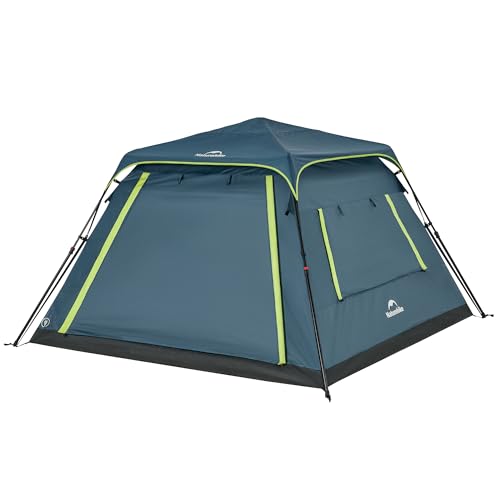
Naturehike Cape Lite Instant Cabin Tent
The Details Behind The Selections
The Coody Premium Inflatable Tent sits at the heavy end of this lineup, and that weight shows up as livability you’d usually associate with a cabin. Inflatable air beams replace the metal pole grid found on traditional tents, so you skip the puzzle-piece assembly that slows down camp setup. A built-in stove jack opens the door to cold-weather camping with a small wood burner inside, which is rare in this price band.
Where it differs from the High Peak South Col covered next is intent: the Coody is a basecamp shelter, not a backpacking dome. You can stand, move, and spend hours inside during shoulder-season storms without feeling cramped. For groups who care more about comfort than trail mileage, it covers a different job than a true mountaineering tent.
Standout Benefits
- Air-beam structure removes most rigid poles, which speeds up pitching once you get the hang of inflation.
- Integrated stove jack supports an internal heater for winter camping and extended trips in cold climates.
- Canvas-style construction handles condensation better than thin nylon in temperature swings.
- Standing interior height makes changing layers and organizing gear far less awkward.
Things To Consider
- Weight and packed size rule it out for long hikes; you will need a vehicle to haul it.
- Canvas-style fabrics can take longer to dry after rain and need airing out between trips.
Who It Suits Best
Glampers and basecamp families who camp by car and want a warm, livable shelter for cold-season weekends.
Where Another Pick Suits Better
Solo backpackers chasing miles in alpine terrain should reach for the High Peak South Col 4 Season Backpacking Tent, which trades standing height for a much lighter carry.
The High Peak South Col is the lightest option in this roundup at 9.7 lbs, which lands it firmly in backpacking territory. A 3-person capacity keeps it roomy enough for two adults plus a pack or a small dog, and the waterproof shell aims to keep rain and snowmelt outside where it belongs. Think of it as the antidote to the canvas luxury of the Coody reviewed above.
This is a tent for someone carrying everything on their back into cold, wet, or windy conditions. The compact pack-down makes it reasonable for multi-day routes where pack space matters more than living space. It won’t win any comfort contests, but it gets the job done when the weather closes in.
What It Does Well
- 9.7 lb total weight keeps it feasible for multi-mile approaches where every pound counts.
- Waterproof outer shell resists steady rain and wet snow common at altitude.
- 3-person footprint fits two backpackers and gear without forcing a tighter sleep.
- Relatively quick setup frees up daylight for hiking instead of camp chores.
Worth Noting
- Interior space is tight for taller campers and gear-heavy winter kits.
- No stove jack or vestibule overhang means cooking happens outside in rough weather.
Quick Facts
Whose Trip It Fits
Backpackers tackling shoulder-season routes and high-elevation trips where weight and weather resistance matter more than room to stand.
Look Elsewhere When
Car campers with families should pick the Naturehike Village Instant Cabin Tent instead, which offers standing height and a faster setup for vehicle-supported trips.
The Naturehike Village takes the “instant” claim seriously, with pre-attached poles that let the cabin pop into shape in about a minute. Available in 4-person and 8-person layouts, it leans toward car camping where a tall, cabin-style interior is more valuable than lightweight materials. The full-coverage rainfly is the real hero, since wet weather is what separates a useful tent from a frustrating one.
Where it differs from the High Peak South Col is the obvious weight tradeoff: this tent is a vehicle item, not a backpack. For families who show up late and want camp ready before dinner, the rapid setup alone justifies the space in the trunk.
Strengths Worth Knowing
- Setup takes roughly a minute with pre-attached telescoping poles, which is rare in cabin tents.
- 150D Ti Black fabric with a UPF 12500+ rating blocks sun during shoulder-season days.
- Full rainfly with PU 2000mm+ waterproofing covers the entire tent during extended storms.
- Vertical walls maximize interior space compared to dome or tunnel shapes.
Points To Note
- Pack weight and bulk make it a car-camping-only option.
- Vertical walls catch more wind, so site selection matters in exposed areas.
Made For
Families and groups with a vehicle who want a fast-pitching cabin for rainy weekends at developed campsites.
Skip It When
Backcountry travelers will find the Naturehike KOTA Double Layer Tent a better fit, since it splits into modular pieces for more versatile trips.
The Naturehike Cape uses a tunnel-style layout with pre-attached poles for a 60-second pitch, which gives it a longer, lower profile than the cabin-style Village reviewed earlier. That shape translates into better wind performance and more usable sleeping space for a given packed volume. Available in 4, 6, and 8-person configurations, it scales with the size of your group.
It splits the difference between the instant cabin and the heavier KOTA double-layer tent covered below. For trips where you want a quick pitch but better weather behavior than a tall cabin, this sits in a useful middle ground.
Where It Helps
- Tunnel shape handles wind better than vertical cabin walls in exposed campsites.
- Standing height in the main sleeping area makes dressing and gear sorting easier.
- 190T polyester with a waterproof coating sheds rain during spring and fall storms.
- Multiple size options let you match capacity to group size without overspending.
Honest Caveats
- Tunnel tents need proper stake placement, so rocky or sandy ground can complicate setup.
- Larger 8-person versions are bulky to transport and store between trips.
Best Suited To
Family campers who want quick setup, decent standing room, and a shape that handles wind better than a tall cabin.
Consider Something Else When
Anyone wanting year-round modularity should consider the Naturehike KOTA Double Layer Tent, which separates into inner mesh and outer fly for different seasons.
The Naturehike KOTA is the most modular shelter in this roundup, with a double-layer design that splits into separate usable pieces. The inner mesh tent works alone in warm weather for stargazing, while the outer fly doubles as a sun or rain canopy on its own. That versatility is what sets it apart from the single-purpose instant tents reviewed above.
Built with 75D 210T polyester and a waterproof 3000mm+ coating, it pushes into genuine 4-season territory for family camping. Vestibules and a porch area give you covered space for boots and cooking gear, which matters when weather closes in.
Practical Pluses
- Double-layer design runs as a single unit or as two separate shelters for different seasons.
- Waterproof 3000mm+ rating holds up against steady rain and snow loads at lower elevations.
- Vestibules and porch area add covered storage for muddy boots and cooking gear.
- Available in 4, 6, and 8-person layouts to match different family sizes.
Worth Bearing In Mind
- Heavier packed weight makes it a vehicle-only option, not a backpacking tent.
- Two-layer setup takes longer than the instant cabins reviewed earlier.
Feature Snapshot
Who Will Love This
Year-round family campers who want one tent that adapts from summer mesh nights to shoulder-season rain and snow.
Reach For A Different Pick When
Backpackers need to keep weight low, and the High Peak South Col 4 Season Backpacking Tent is a much better carry for trail-based trips.
The Naturehike Cape Lite is a streamlined take on the instant cabin, sized for 4 to 6 people with a 62.2-inch peak height that lets most adults stand upright. The square 101.5-inch footprint fits a queen mattress with room to spare, which matters more than raw headroom for actual sleep comfort. Pre-attached poles aim for a true 60-second pitch.
It sits between the heavier Village cabin reviewed earlier and the modular KOTA below, trading some interior size for a lighter packed weight. For couples or small families running quick weekend trips, it covers the common case without paying for capacity you won’t use.
What Pays Off
- Queen-mattress-friendly floor plan gives couples real sleeping comfort on car camping trips.
- 62.2-inch peak height lets most campers stand without crouching to change clothes.
- Pre-attached pole system targets a 60-second pitch for fast arrivals at camp.
- Compact footprint suits smaller campsites where larger cabins won’t fit.
Where It Is Less Suited
- Not as wind-resistant as the tunnel-style Cape reviewed earlier.
- 4 to 6-person capacity fills up fast once you add kids, dogs, and gear.
Feature Rundown
The Right Fit
Couples and small families who want a quick-pitch cabin for short trips without hauling extra capacity they rarely need.
A Better Fit Elsewhere
Larger groups should consider the Naturehike Cape Instant Tunnel Tent instead, which offers 6 and 8-person layouts for bigger parties.
Picking The Right Shelter For Your Trip
Choosing a 4 season tent comes down to matching the shelter to the trip, not to a feature list. Backpackers hauling everything on their backs need weight discipline, while car campers can trade packed size for standing room and weather coverage.
Capacity Vs Real Space
Manufacturer ratings count people shoulder-to-shoulder with no gear, which never reflects how tents actually get used. A 3-person backpacking tent fits two adults and packs cleanly. A 4 to 6-person cabin sleeps two adults plus a kid or dog with room for bags, but crams four adults with no storage. For real comfort, step up one size above the headcount you plan to bring.
Weight And Packed Size
Anything over 10 lbs belongs in a car. The High Peak South Col at 9.7 lbs is the realistic upper limit for backpackers, while the Coody, Village, Cape, KOTA, and Cape Lite all assume vehicle access. A tent that’s miserable to carry gets left behind more often than it’s taken out.
Weather Performance
Waterproof coatings are rated in millimeters: PU 2000mm handles steady rain, while PU 3000mm+ pushes into wet snow territory. Double-wall designs like the KOTA manage condensation better than single-wall shelters because the inner layer absorbs moisture before it drips back. Stove jacks, found only on the Coody here, open the door to safe indoor heating in serious cold.
Setup Speed
Instant tents with pre-attached poles cut setup to about a minute. Traditional designs take longer but usually pack smaller and repair more easily. Late arrivals at crowded campsites benefit from faster pitch; remote trips with repair risk favor simpler pole structures.
What To Watch For In This Category
Common Buying Slip Ups
The biggest mistake is buying a 3-season tent and assuming it handles winter. Standard tents rely on mesh ventilation that turns into a heat drain below freezing, and their pole geometry collapses under snow load. True 4-season construction uses fewer mesh panels, stronger pole structures, and steeper walls to shed snow.
When Paying More Pays Off
Premium pricing in this category buys materials and engineering rather than brand cachet. A higher-denier fabric like the KOTA’s 75D polyester resists abrasion better than budget 190T, the Coody’s inflatable beams replace metal poles that can snap in storms, and stove jack integration adds safe heating that budget tents skip. For trips where failure means a dangerous night, the upgrade earns its keep.
Frequently Asked Questions
What makes a tent a true 4 season tent?
A 4 season tent uses fewer mesh panels, stronger pole structures, and steeper walls to handle snow loads and high wind. Three-season tents trade weather protection for ventilation that becomes a liability in freezing conditions.
Can I use a 4 season tent in summer?
Yes, though it runs warmer than a mesh-heavy 3-season shelter. Modular designs like the Naturehike KOTA let you pitch just the inner mesh tent for warm nights, which solves the summer heat issue.
How important is a stove jack?
A stove jack lets you run a hot tent setup with a small wood stove inside, which can turn a freezing night into a comfortable one. It’s only relevant for winter camping in serious cold; spring and fall trips rarely need one.
What’s the difference between cabin and tunnel tent shapes?
Cabin tents have vertical walls and more standing room but catch more wind. Tunnel tents have a lower profile that handles wind better and offers more sleeping space per packed volume, but they require good staking.
How do I prevent condensation inside the tent?
Ventilation matters most, even in cold weather. Crack vents and doors slightly, avoid breathing directly into a closed inner tent, and store wet gear outside the sleeping area whenever possible.
Closing Remarks
The right 4 season tent depends on how you actually travel: backpackers chasing alpine mileage want the High Peak South Col, families with a vehicle get more use from the Naturehike KOTA or Village, and basecamp winter campers will appreciate what the Coody brings to a cold-weather setup. Match the shelter to the trip, the weather, and your tolerance for hauling weight, and any of these picks will serve you well across 2026 and beyond.