
Cold-weather camping demands a different kind of tent. When temperatures drop and frost settles across the campsite, a stove jack transforms an ordinary shelter into a livable space, letting you run a wood stove or tent heater safely while keeping rain, snow, and wind outside. The picks below cover everything from inflatable canvas family lodges to quick-pitch cabin tents, so you can match your shelter to your climate and crew.
The Essentials At A Glance

Coody Premium Inflatable Canvas Tent with Stove Jack
Coleman Sundome Tent

Naturehike Village Instant Cabin Tent
Naturehike Cape Instant Tunnel Tent
Naturehike KOTA Double-Layer Tent
Naturehike Cape Lite Instant Cabin
What Each Pick Brings To The Table
The Coody Premium Inflatable Canvas Tent sits in a different category from the quick-pitch nylon shelters on this list. Its canvas body and inflatable airbeam frame trade ultralight packability for year-round livability, and the integrated stove jack signals that this shelter was designed for serious cold-weather use.
For families moving into winter glamping or extended stays at a fixed basecamp, that trade makes sense. You get a true tent-living environment instead of a thin nylon shell, and the stove jack lets you bring real warmth into the shelter.
What Pays Off
- Inflatable frame eliminates the bending and wrestling that comes with rigid poles, a genuine upgrade for cold-weather setup when your fingers don’t work well.
- Canvas construction breathes better than nylon, cutting down on the heavy condensation that plagues synthetic tents below freezing.
- Integrated stove jack lets you safely pipe a wood stove or heater exhaust through the wall, transforming the shelter into a four-season basecamp.
- Spacious interior footprint suits a family or small group rather than a solo traveler.
- The shelter is built for stays measured in days, not just overnight trips.
Things To Consider
- Canvas adds significant weight and pack size compared to the Naturehike nylon options below, which may be a deal-breaker for backpackers.
- Canvas requires careful drying before storage to prevent mildew, so this isn’t a “stuff it wet” shelter.
Who It Suits Best
Families and small groups car camping or winter glamping who want a durable, breathable shelter with real stove capability.
Look Elsewhere When
Backpackers and weight-conscious travelers will find the Naturehike Cape Lite Instant Cabin far easier to haul to a trailhead.
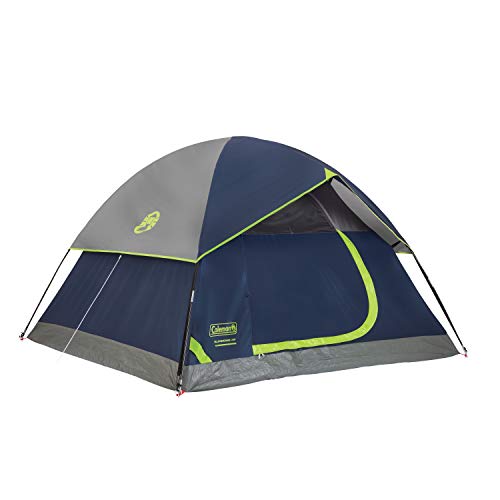
The Coleman Sundome is the kind of tent most people picture when they hear “camping tent.” It’s a classic dome shape, simple to pitch, and built for mild three-season conditions rather than deep winter.
There’s no stove jack and no serious cold-weather insulation here, so this pick belongs in the article as the baseline comparison. You may find the Sundome useful on shoulder-season trips where nights stay above freezing, but it isn’t the right shelter for someone running a wood stove.
Notable Gains
- Friendly to first-timers, with snag-free continuous pole sleeves that make setup a quick job.
- Compact packed size fits easily in a car trunk or gear closet.
- Welded seams and rainfly help keep light rain outside during spring and fall trips.
Worth Noting
- No stove jack and thin nylon walls mean this tent is unsuitable for cold-weather stove use.
- Lightweight fabric tends to flap noisily in strong wind, which can disturb sleep on exposed sites.
- Limited interior height makes it less comfortable for adults who want to stand or move around inside.
Right Fit For
Casual campers and families on a budget who camp in mild weather and don’t need stove-heated shelter.
Skip It When
Snow-season campers should reach for the Naturehike KOTA Double-Layer Tent instead, since it offers genuine four-season capability.
The Naturehike Village Instant Cabin is built for speed. Its pre-attached poles and telescoping frame let you go from bag to pitched shelter in roughly a minute, which is the headline feature for anyone tired of fumbling with pole segments at dusk.
Compared to the Coleman Sundome above, you trade a bit of packability for a far taller cabin shape that lets you stand upright inside. The cabin walls also create a roomier feel for groups, which makes this tent a popular choice for car camping families.
Bright Spots
- Sixty-second setup is a genuine advantage for late arrivals and tired campers, removing the usual pitch-time frustration.
- 150D Ti Black Technology fabric with a PU 2000mm+ coating handles sustained rain well, important for spring and shoulder-season trips.
- Vertical cabin walls maximize usable floor space, so a queen mattress fits without forcing you to crawl.
- Full-coverage rainfly offers better weather sealing than the partial rainfly on many dome tents.
Points To Keep In Mind
- No stove jack means you can’t run a heater inside during cold-weather camping.
- Instant-pitch frames are heavier and bulkier than traditional pole systems, so this is a car-camping tent rather than a backpacking option.
Made For
Family campers and first-timers who want the easiest possible setup at a drive-in campground.
A Better Fit Elsewhere
Cold-weather travelers wanting stove compatibility should consider the Naturehike KOTA Double-Layer Tent, which is built for genuine winter use.
The Naturehike Cape takes the same instant-pitch idea as the Village cabin and stretches it into a tunnel shape. You get near-instant setup, plus a long floor plan that splits naturally into sleeping and living zones for families or groups.
Compared to the Village’s cabin walls, the Cape’s tunnel design offers a better ratio of floor area to packed size, useful when your vehicle space is limited. For multi-night trips where you want room to spread out gear, the layout works well.
Real Benefits
- Tunnel layout creates distinct sleep and lounge areas, which matters on longer stays with kids or pets.
- Pre-attached pole system keeps setup near the one-minute mark, useful when weather rolls in fast.
- Tall peak height accommodates most adults standing upright.
- 190T polyester with a PU3000mm waterproof coating handles heavy rain better than entry-level rainflys.
Honest Caveats
- No stove jack, so this is a three-season family tent rather than a winter stove shelter.
- Tunnel tents need proper guy-line staking to stay stable in wind, which adds setup time beyond the pole deployment.
Best Suited To
Families and groups running two- to four-night car camping trips in mild to moderate weather.
Consider Something Else When
Winter campers planning to run a stove will find the Coody Premium Inflatable Canvas Tent better suited to their needs.
Key Specs
The Naturehike KOTA is the most genuinely four-season tent on this list outside the Coody canvas shelter. Its double-layer construction pairs a mesh inner tent with a full outer rainfly, and the two pieces can be used independently in warmer weather, which gives the shelter unusual versatility for the price range.
Where the Naturehike Village and Cape are quick-pitch three-season shelters, the KOTA leans into colder conditions with a 75D 210T polyester fly rated for serious waterproofing. It’s the practical choice for shoulder-season family trips where nights may dip below freezing.
The Case For It
- Double-layer design lets you strip down to the mesh inner in summer and run the full shelter in winter, removing the need to own two tents.
- 3000mm+ waterproof rating on the 75D 210T polyester fly holds up under heavy rain and wet snow.
- Vestibules and porch areas extend usable space outside the sleeping cabin, helpful for storing wet boots and packs.
- Available in 4-, 6-, and 8-person sizes, so it scales with your crew.
Practical Considerations
- No integrated stove jack, so adding a tent stove requires aftermarket modification that may compromise waterproofing.
- The mesh inner is not designed for heavy snow loading, so you’ll want to brush off accumulation during major storms.
- Bigger family sizes are heavy and bulky to carry, limiting this to car camping rather than backcountry use.
Whose Shelf It Belongs On
Families who camp through fall, spring, and mild winter and want one shelter that adapts across the calendar.
Where Another Pick Suits Better
Anyone running a wood stove or pellet heater inside should choose the Coody Premium Inflatable Canvas Tent, which is purpose-built for stove use.
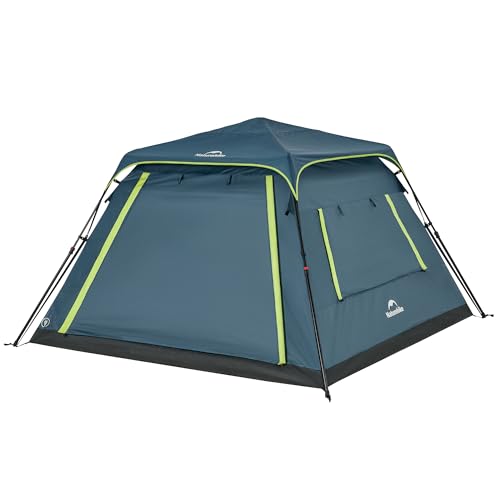
The Naturehike Cape Lite is the more compact sibling of the larger Cape tunnel tent above. Where the Cape stretches out into a long tunnel, the Lite keeps the cabin shape and trims the footprint down to a 4- to 6-person layout that fits smaller campsites.
For small families or couples who find the full-size Cape or Village too big, the Lite offers the same instant-pitch convenience in a more manageable package. It’s a smart match for weekend trips where you don’t need room for the whole extended family.
The Helpful Details
- Compact 101.5 x 101.5-inch floor fits on smaller tent pads and crowded campgrounds.
- 62.2-inch peak height lets most adults change clothes and move around without crouching.
- Pre-attached frame keeps setup in the one-minute range, a real benefit after a long drive.
- Queen-mattress-compatible floor plan suits couples and small families who camp light.
Some Limits To Know
- No stove jack, so cold-weather use is limited without an external heating solution.
- Smaller interior gets cramped fast with four adults plus gear.
Who Should Grab It
Couples and small families running weekend car camping trips in mild three-season weather.
Reach For A Different Pick When
Larger groups should look at the Naturehike Village Instant Cabin Tent, which offers the same quick pitch with significantly more interior space.
Feature Snapshot
What Matters Most When Buying a Four-Season Stove-Jack Tent
Stove Jack Compatibility and Heat Safety
A stove jack is a reinforced opening, typically in the tent wall or roof, that allows a flue pipe to pass through while keeping the surrounding fabric protected from high temperatures. Look for a jack sized for standard stovepipe diameters, and check that the surrounding material is genuinely fire-resistant rather than just standard fabric. Cotton canvas and treated silicone-coated fabrics handle heat best. If you plan to run a wood stove, you also need adequate ventilation, clear distance between the stove and tent walls, and a spark arrestor on the chimney.
Fabric Weight and Weatherproofing
Denier ratings and waterproof coatings tell you how a tent handles rain, snow load, and abrasion. A 75D 210T polyester fly with a PU 3000mm coating, like the Naturehike KOTA’s, is a meaningful step up from a basic 190T fly in sustained wet weather. Canvas is heavier and bulkier but breathes better in cold conditions, which is why serious winter campers often accept the weight penalty. Match the fabric choice to your climate: dry cold favors canvas, wet snow favors a robust coated polyester.
Capacity, Layout, and Setup Speed
Instant-pitch tents sacrifice some packability for the speed of pre-attached poles. For car camping that trade usually works in your favor, especially when arriving late or in bad weather. Backcountry travelers should think harder about packed weight and stick to traditional pole tents. Family size should include room for gear and a small lounge zone, not just sleeping space, since cramped interiors feel even smaller in bad weather.
Climate and Trip Profile
A four-season tent with a stove jack earns its keep on trips where nights drop well below freezing and you may camp through snow. For shoulder-season weekends above freezing, a three-season tent with good rain protection is plenty. Choosing a shelter that matches your actual worst-case conditions prevents both overspending and dangerous under-preparation.
Key Considerations Across These Picks
Pitfalls Shoppers Hit
The most common mistake is treating a three-season tent as a four-season shelter. A dome tent with a rainfly, like the Coleman Sundome, simply cannot handle the snow accumulation and condensation cycles of real winter camping. Another frequent trap is buying a stove jack as an afterthought and modifying the tent wall yourself, which almost always damages waterproofing and creates a fire hazard.
What The Higher Tier Buys
A premium tent like the Coody Premium Inflatable Canvas Tent costs more because the materials and engineering genuinely justify it. Heavy-duty zippers, reinforced stitching, fire-resistant stove jack material, and inflatable frames that survive winter conditions all add cost. The upgrade pays off for anyone camping regularly in cold weather, while occasional shoulder-season campers should save their money and stick with a quality three-season shelter.
Frequently Asked Questions
What is a stove jack on a tent?
A stove jack is a heat-resistant opening in the tent wall or ceiling that allows a stovepipe to exit safely while keeping the surrounding fabric from catching fire. It’s essential for running a wood or gas heater inside the tent during cold-weather camping.
Can you use a regular tent with a tent stove?
Using a regular tent with a stove is risky, since most tents lack fire-resistant openings and the fabric can melt or ignite when exposed to sustained heat. A purpose-built stove jack tent is strongly recommended for safety.
Are four-season tents worth it for casual campers?
Four-season tents are worth the investment for campers who travel in cold, wet, or snowy conditions regularly. For occasional fair-weather trips, a quality three-season tent offers better value and lighter pack weight.
How do you maintain a canvas tent?
Canvas tents should be thoroughly dried before storage, cleaned with mild soap and water when soiled, and stored in a breathable bag rather than a sealed plastic container. Periodic re-treatment with a canvas waterproofing product extends service life.
How long does a four-season tent typically last?
A well-cared-for four-season tent commonly lasts five to ten years of regular use, depending on fabric type, UV exposure, and how often it’s pitched in harsh conditions.
Closing Remarks
The right four-season tent with a stove jack depends on where and how you camp. Glampers and winter basecampers get the most from a canvas shelter like the Coody Premium Inflatable Canvas Tent. Families running shoulder-season car camping trips will find the Naturehike KOTA Double-Layer Tent versatile and dependable, while quick-setup nylon cabins suit weekend trips where speed and convenience matter most. Match the shelter to your conditions, and the cold becomes part of the adventure rather than something to endure.