
A reliable pop-up shelter changes how you use the outdoors. Instead of scrambling when clouds roll in or sun beats down, you get a ready room that sets up in under a minute. Across the year, the same shelter has to handle spring rain, summer heat, fall wind, and the surprise snow flurry of a shoulder season. The right build, fabric weight, and frame geometry make that possible without dragging the family into a tent-pitch puzzle every time you leave the garage.
This list rounds up seven options built for that kind of repeat use, from quick beach canopies to a four-person family camping shelter. Each one solves a different version of the same problem, so the right pick depends on whether you’re tailgating, setting up a backyard basecamp, or chasing a weekend on the trail.
The Shortlist At A Glance

CROWN SHADES 10×10 Pop Up Canopy with 1 Side Wall
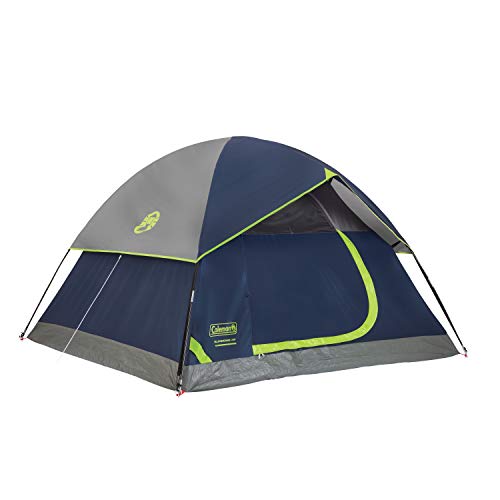
Coleman Sundome Tent

Gazelle T4 Waterproof 4-Person Pop Up Tent
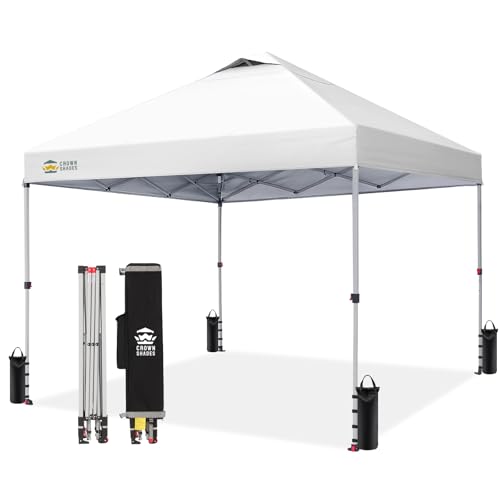
CROWN SHADES 10×10 Pop Up Canopy (Grid White)
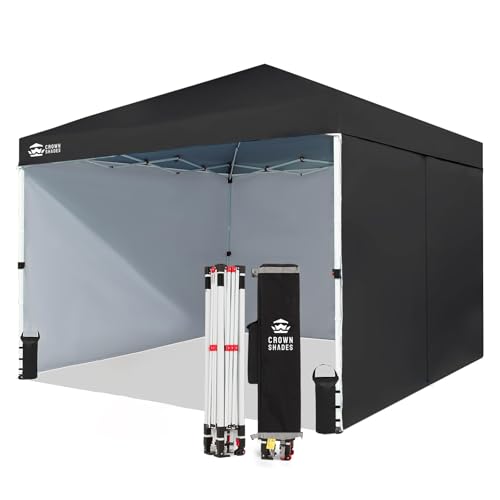
CROWN SHADES 10×10 Commercial Canopy with Sidewalls

PHI VILLA 13×13 Pop Up Canopy Tent

PHI VILLA 10×10 Pop Up Canopy with Netting
Inside Each Recommended Option
This CROWN SHADES canopy ships with a single attachable sidewall, which sounds minor until you spend a full afternoon on a sun-baked lawn and realize the wall is the only thing keeping the glare off your back. The 10×10 footprint covers a small patio set, a market booth, or a few folding chairs without crowding anyone against a leg.
Like the Coleman Sundome covered below, the design philosophy is speed, though the use case is different. You won’t be sleeping under this one, but you will appreciate the three height adjustments when guests range from kids to standing adults. For shoppers who want a versatile weekend shade, the sidewall is a small upgrade that pays off repeatedly.
What Works In Its Favor
- One included sidewall blocks low-angle sun during morning and evening hours.
- One-push hub design gets the frame standing fast, with three height settings to clear heads or furniture.
- 10×10 size is the sweet spot for a family picnic or a vendor table without dominating a small yard.
Things To Consider
- Only one wall ships standard, so blocking cross-breezes or driving rain from multiple directions requires extra panels.
- Owners commonly report the carry bag straining at the seams when packed down for transport between events.
Quick Facts
Who It Suits Best
Hosts running casual backyard gatherings, farmers market sellers, and families who want a quick shade that handles sunny afternoons without permanent installation.
Where Another Pick Suits Better
For a fully enclosed booth with weather-rated sidewalls on every side, the CROWN SHADES 10×10 Commercial Canopy covered later handles that job more directly.
The Coleman Sundome is the tent many people learned to camp in, and the design has not drifted far from what works. It is a traditional dome with continuous pole sleeves, which sounds old-school until you realize the entire frame goes up in roughly ten minutes the first time, and faster on every setup after that.
Where the CROWN SHADES canopy above is built for daytime shade, the Sundome is built for overnight shelter across three or four mild seasons. Its WeatherTec system is Coleman’s umbrella term for the welded floor seams, inverted rainfly edges, and covered zipper tracks that keep out weather most campers will ever see. For newcomers who want a forgiving first tent, this one removes the panic factor.
Everyday Advantages
- WeatherTec construction handles light rain and wind that would soak a basic dome.
- Continuous pole sleeves let beginners pitch the tent without memorizing which rod goes where.
- Window awnings open for airflow on warm summer nights without letting rain drift in.
Worth Noting
- The dome shape trades headroom for weather resistance, so adults sit upright only in the center.
- Coleman’s polyester fabric is widely reported to retain condensation in cold, damp conditions, so a small towel helps on chilly mornings.
Made For
First-time family campers who want a forgiving, no-surprises dome that handles spring drizzle and summer nights without a steep learning curve.
Consider Something Else When
Travelers who want a near-instant pitch will prefer the Gazelle T4 further down, whose hub system skips the pole-sleeve process entirely.
The Gazelle T4 borrows the instant-tent concept from car camping and refines it for people who actually use it. The pre-assembled hub means the tent rises in roughly ninety seconds once you pull it from the bag, with no loose poles to sort and no instructions to argue with on a windy beach.
Where the Coleman Sundome handles overnight duty, the Gazelle handles both the campground and the beach, hence the removable floor and the wide mesh panels. The trade-off is bulk, since the pop-up frame does not compress as small as a traditional tent. For a family that drives to the site and wants the setup phase to vanish, that compromise feels minor.
The Good Stuff
- Pre-assembled hub pops the tent up in roughly ninety seconds, with no pole sorting.
- Removable floor and mesh walls convert the shelter from a sleeper to a screen room.
- Included rainfly handles showers without forcing the family inside a car to wait them out.
Trade Offs
- The packed size is larger than a traditional four-person tent, so smaller car trunks may struggle.
- Without staking, the tent catches wind like a sail, so packing the included ground stakes is non-negotiable on breezy days.
Feature Snapshot
Right Fit For
Car campers and beachgoers who want a hybrid tent and screen room that sets up before the kids finish unloading the cooler.
Not Your Match When
Backpackers will find the packed size and pop-up frame a poor fit, so the Coleman Sundome is a better choice for trips measured in trail miles.
The Grid White CROWN SHADES shares the one-push hub with the sidewall version reviewed earlier, but skips the extra panel in favor of a cleaner, open-air footprint. The trade is straightforward: more airflow and a faster breakdown, at the cost of a sun-blocking wall.
For tailgates and craft fairs where guests are constantly moving in and out, that openness matters. The neutral white fabric also reflects heat more aggressively than darker canopies, which makes a difference on a blacktop lot in July. Compared to the canopy above, this one favors circulation over enclosure, so the right pick depends on whether your priority is shade or shade plus a windbreak.
Good Reasons To Consider
- One-push hub lock sets the frame in seconds, which matters when hosts set up alone.
- Light-colored fabric reflects heat, so the shaded area underneath stays noticeably cooler.
- Open footprint lets foot traffic flow freely through every side without a zipper.
Honest Caveats
- No sidewalls means low sun angles hit the shaded area near dawn and dusk.
- The frame commonly needs sandbags or stakes on hard surfaces like asphalt, since smooth ground gives the legs little grip.
Who Will Love This
Tailgaters, craft fair hosts, and anyone running an open-air booth where guests come and go throughout the day.
A Better Fit Elsewhere
For a fully enclosed event booth with sidewalls that block cross-breezes, the CROWN SHADES Commercial Canopy covered below suits that scenario more directly.
The Commercial CROWN SHADES canopy arrives with a full set of sidewalls, which is what separates it from the open-air Grid White and the single-wall Grid Grey covered above. With every panel attached, the shelter becomes a four-walled booth that holds heat, blocks wind, and gives vendors a defined space for tables and product.
The black canopy top absorbs more heat than the white or grey versions, so the interior runs warmer in direct sun. For shaded setups, that warmth is a welcome bonus in shoulder seasons, and the commercial-grade frame handles the extra panel weight without complaint. Compared to the Gazelle T4, this is a stationary booth rather than a portable sleeping shelter, so the use case is fundamentally different.
Useful Highlights
- Full sidewall enclosure turns a canopy into a private booth, useful for pop-up shops and outdoor events.
- Same one-push hub as the other CROWN SHADES models, so the setup learning curve is minimal for brand fans.
- Heavier commercial frame tolerates the added weight of every wall without flexing.
Points To Note
- Dark canopy top absorbs heat, so interior temperatures climb in summer afternoons without cross-ventilation.
- The packed weight is meaningful, so solo setup on a windy day is a real workout for most adults.
Technical Sheet
Best Suited To
Vendors, market sellers, and event hosts who need a fully enclosed booth that sets up faster than a frame tent and breaks down into a manageable carry bag.
Skip It When
For casual backyard shade where an open-air canopy is enough, the Grid White CROWN SHADES is lighter, faster, and easier for one person to handle.
PHI VILLA’s 13×13 canopy jumps two feet wider on each side compared to a standard 10×10, and that extra space reads as room for an extra table, a few more chairs, or a kids’ play zone without anyone standing in the sun. The one-person setup is a real claim here, with the central lock system letting a single adult bring the frame up in roughly a minute.
Where the 10×10 canopies above are easier to manage solo, the 13×13 spreads the same gear weight across a larger fabric panel, so wind catches more area. The CPAI-84 rated fabric refers to a standard flammability test for outdoor canopies, which matters for venues that require certified materials. Compared to the Gazelle T4 reviewed earlier, this is a shade structure rather than a sleeping shelter, so the right pick depends on whether you need a tent or a roof.
The Helpful Details
- 13×13 footprint fits a larger guest list or a few extra vendor tables without crowding.
- One-person setup is realistic with the central lock system, no helper required.
- CPAI-84 rated 150D fabric meets common flammability standards for public venues.
Practical Considerations
- Larger canopy catches more wind, so the included guy lines and stakes are essential on breezy days.
- The PU-coated fabric commonly requires a full dry-down before the carry bag goes on, or mildew sets in during storage.
Perfect Match For
Hosts running backyard reunions, graduation parties, or any event with a guest list that overwhelms a 10×10 footprint.
Another Choice May Suit
For overnight family camping, the Gazelle T4 delivers an enclosed sleeping space where this canopy only provides overhead shade.
The PHI VILLA 10×10 with netting addresses a specific annoyance: the moment you sit down at a backyard table, mosquitoes start landing on every exposed ankle. The mesh walls add airflow while keeping bugs out, which transforms the canopy from pure shade into a screened room during the bug-heavy parts of the year.
The top hook for fans and lights is a small touch that earns its place, since it lets hosts hang a lantern without rigging a separate pole. The CPAI-84 rated 150D fabric is the same standard carried by the larger PHI VILLA reviewed above. Compared to the CROWN SHADES Grid Grey with one sidewall, this canopy trades solid fabric for mesh, so the right pick depends on whether your main enemy is sun or insects.
Well-Handled Touches
- Full mesh walls block mosquitoes and biting flies while letting cross-breezes flow through.
- Top hook supports a fan, lantern, or string of lights up to 20 lbs, simplifying the evening setup.
- Same one-push central lock as the larger PHI VILLA, so the setup motion is familiar.
Some Limits To Know
- Mesh walls offer no protection from wind-driven rain, so the canopy functions as a screen room, not a weather shelter.
- The carry bag tends to feel tight on the fabric when packing up in cool weather, since the material stiffens below 60°F.
Who Should Grab It
Hosts and campers who need an instant screen room for evening meals, lakeside lounging, or backyard dinners during peak mosquito season.
Reach For A Different Pick When
For all-weather event hosting where wind and rain are part of the forecast, the CROWN SHADES Commercial Canopy’s full sidewalls provide proper weather protection.
Choosing The Right Pop Up Shelter For Year-Round Use
Frame And Hub Design
The single most important mechanical decision in a pop-up shelter is the hub. A one-push central hub keeps setup to roughly a minute, which matters when hosts set up alone, kids lose patience, or rain is on the way. Traditional dome tents use continuous pole sleeves, which take longer but pack smaller and survive backpack-style abuse better.
For most casual users setting up in a backyard or parking lot, the hub design wins on repeat use. The CROWN SHADES and PHI VILLA canopies on this list share that approach, and that is why they appear more than once.
Fabric Weight And Weather Rating
Fabric weight is measured in denier, where a higher number means a thicker yarn. A 150D fabric is a sensible mid-weight choice for portable canopies, balancing pack size against puncture resistance. The CPAI-84 rating referenced on PHI VILLA canopies refers to a flammability standard for outdoor fabric, which is required at many public venues and a sensible benchmark for residential use too.
For year-round performance, look for water-resistant coatings and welded or taped seams. The Gazelle T4 combines a polyester shell with a separate rainfly for double-layer weather protection, which is the conventional approach for a true four-season shelter.
Size And Footprint
A 10×10 canopy covers a small patio set, a market booth, or roughly four chairs with a small table. A 13×13 adds room for an extra table or a kids’ zone, at the cost of more wind load and a heavier pack. For overnight camping, tent capacity is rated by the number of sleepers it fits snugly, so a four-person tent is tight for four adults with gear and comfortable for two adults with breathing room.
Portability And Storage
Pack size and weight matter more than the marketing copy suggests. A 10×10 canopy that fits in a sedan trunk is far more useful than a slightly larger shelter that requires an SUV. For storage, fully drying the canopy before the bag goes on is widely reported as the single biggest factor in preventing mildew and extending fabric life.
What Separates A Good Shelter From A Frustrating One
Where Shoppers Go Wrong
The most common mistake is buying for the largest event on the calendar and then struggling with that size at every smaller gathering. A 13×13 canopy feels like overkill for a family of four, even if the listing page says it fits a party. Conversely, choosing a snug 10×10 for a vendor booth means you leave product on the table.
The second slip is skipping the staking. Even a calm day surprises you with a gust, and once the frame goes over, the fabric often tears before the structure recovers. The included stakes and guy lines are not optional accessories.
When Paying More Pays Off
Higher-tier canopies justify their cost with thicker steel frames, commercial-grade fabric, and reinforced joints that survive dozens of setup cycles. For a family that hosts a few events each year, a mid-range CROWN SHADES or PHI VILLA strikes a sensible balance. For a vendor setting up weekly, the commercial-grade CROWN SHADES frame earns its keep in fewer repairs and longer fabric life.
The same logic applies to camping tents. A weekend Sundome handles family trips well, while a frequent camper moving through shoulder seasons benefits from a more weather-rated shell like the Gazelle T4, where the removable floor and rainfly add real flexibility.
Frequently Asked Questions
How Long Does A Pop Up Canopy Or Tent Actually Take To Set Up?
Most hub-style canopies and pop-up tents on this list go from carry bag to standing in roughly sixty to ninety seconds, which is the headline reason people buy them. Traditional dome tents like the Coleman Sundome take closer to ten minutes, since each pole has to be threaded through its sleeve in order.
Can A 4 Season Pop Up Tent Really Handle Winter?
The phrase “four season” describes a category, not a guarantee. A well-built pop-up shelter with a full rainfly and sealed seams handles shoulder-season cold, light snow, and wind-driven rain. For blizzard conditions or extended winter camping, a dedicated mountaineering tent is the safer pick, and most pop-up designs on this list are aimed at spring through fall with mild winter use.
How Do I Clean And Store A Pop Up Canopy Properly?
The widely reported practice is to brush off loose dirt, spot-clean with mild soap and water, and let the fabric dry completely before the bag goes on. Mildew is the most common long-term fabric killer, and it almost always traces back to a damp storage cycle. A loose storage bag in a dry garage is the simple habit that extends canopy life the most.
What Is The Difference Between A Canopy And A Tent In This Category?
A canopy provides overhead shade with open or partially open sides, while a tent provides enclosed sleeping space with sealed walls and a floor. The CROWN SHADES and PHI VILLA canopies on this list are daytime shelters, and the Coleman Sundome and Gazelle T4 are overnight shelters. Some designs, like the Gazelle T4, bridge both uses with removable floors and mesh walls.
Do Pop Up Shelters Need Staking On Hard Surfaces?
Yes. The legs are designed to push into soft ground, so on asphalt or concrete, sandbags or weighted plates on each leg are the practical substitute. Skipping this step is the most common cause of canopy damage, since a lifted leg turns the frame into a sail that the wind flips without warning.
Final Verdict
The right pop-up shelter depends on how you actually spend time outside. A family hosting backyard dinners gets the most from the PHI VILLA with netting, where mesh walls solve the mosquito problem without sacrificing airflow. Weekend campers get more from the Gazelle T4, since the hub design and rainfly handle overnight duty across three seasons. Vendors and event hosts fall back on the CROWN SHADES Commercial Canopy, where the full sidewalls turn the shelter into a defined booth.
Start with the use case rather than the spec sheet, and the right pick usually reveals itself within the first three options.