
A real four-season tent for two has to handle spring squalls, summer humidity, autumn winds, and a proper winter night without turning your sleep into a survival test. Picking the wrong shelter turns a weekend trip into a soggy regret, and the gap between a fair-weather three-season shelter and a true cold-weather tent is wider than most spec sheets admit. This roundup compares six popular options for backpackers, car campers, and weekend adventurers who refuse to let the calendar dictate when they go outside.
An Overview Of The Picks

ALPS Mountaineering Lynx 2-Person Backpacking Tent

Naturehike Village Instant Cabin Tent

Naturehike Mongar 2-Person Backpacking Tent
Naturehike Cape 4-8 Person Instant Tent
Naturehike KOTA 4-8 Person Camping Tent
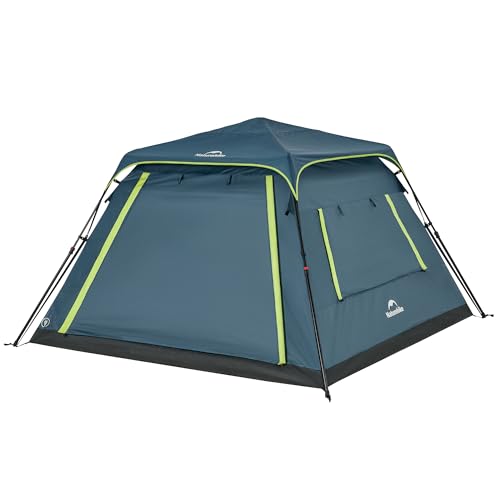
Naturehike Cape Lite 4-6 Person Cabin Tent
More On The Choices That Made The List
The Lynx sits in that sweet spot between a true ultralight shelter and a base-camp fortress, which is why it keeps showing up on trail-head packing lists. Aluminum poles (lighter and more cold-tolerant than fiberglass, meaning they hold up better on freezing mornings) form a straightforward two-pole dome that goes up quickly with simple pole clips. Compared with the Mongar reviewed below, the Lynx trades raw pack-down size for sturdier geometry and more mesh in the sidewalls.
For most three-season weekend trips at moderate elevations, this shelter keeps two sleepers and their gear reasonably dry while still breathing well on warm nights. It feels right for backpackers stepping up from a budget bivy who want something more livable without doubling the pack weight.
Standout Benefits
- Aluminum pole structure stays more reliable in cold and wet conditions than fiberglass alternatives.
- Half-mesh walls on each side push warm-season airflow through the shelter during muggy nights.
- Pole-clip attachment trims setup time, useful when the rain starts before you finish camp.
- Rectangular floor layout uses space more efficiently than the Mongar’s narrower footprint.
Things To Consider
- Heavier in the pack than ultralight double-wall options, so long-distance hikers may feel the grams.
- Stock zippers and seams benefit from seam-sealing before the first wet trip.
- Two-person rating feels snug for two tall sleepers plus gear inside.
Feature Snapshot
Who It Suits Best
Entry-level backpackers who want a forgiving, all-around shelter for three-season trips and occasional shoulder-season cold.
Where Another Pick Suits Better
Choose the Naturehike Mongar if shaving pack weight matters more than interior width on long thru-hikes.
The Village Instant Tent trades backpacker weight for genuine cabin livability, and most of the trade is worth it for car-based trips. Pre-attached telescoping poles and an automatic structure mean one or two people can have the tent standing in roughly a minute, which matters when you’ve got restless kids and a parking spot to claim before dark. The 150D Ti Black Technology fabric carries a UPF 1250+ rating, so the canopy blocks intense midday sun better than lighter ripstop alternatives.
Campers who arrive at a site after a long drive benefit the most: roll in, pop the tent, and start dinner instead of wrestling pole segments. It lands in a different category than the ALPS Lynx, more base-camp comfort than trail efficiency, and that gap is the whole point.
Positive Points
- Setup under a minute saves real time when you arrive late or weather is closing in.
- Cabin-style vertical walls give actual standing room for changing clothes and moving around.
- Full-coverage rainfly with PU 2000mm+ coating shrugs off sustained downpours.
- Generous floor footprint fits air mattresses and gear without crowding the sleepers.
Trade Offs
- Too bulky and heavy for any trip that requires carrying the shelter far from the car.
- Large cabin profile catches crosswinds, so staking and guy lines matter in exposed sites.
- Pack size demands a roomy vehicle for transport and storage between trips.
Made For
Families and casual car campers who value fast setup, standing height, and weather coverage over pack size.
Swap It Out When
Pick the ALPS Mountaineering Lynx for any trip that involves a real hike to the campsite.
The Mongar aims squarely at hikers who count grams and refuse to carry a heavy shelter on a long traverse. Packed weight sits around 5.3 lb including the footprint, and the compression sack shrinks the bundle to roughly 19.7 by 5.9 inches, small enough to slide beside a sleeping bag in a 50-liter pack. Double-wall construction adds setup steps but pays off in condensation control, since the inner mesh tent stays drier on cool nights than a single-wall alternative.
Compared with the heavier ALPS Lynx, the Mongar sacrifices interior volume for trail-friendly pack size. Most thru-hikers and long-distance trekkers will find that trade easy to make.
A Strong Showing
- Compact packed size leaves room in the pack for food, fuel, and a down jacket.
- Included footprint protects the floor from abrasion on rough granite and shale campsites.
- Double-layer design reduces internal condensation during temperature swings.
- Free-standing geometry works on rocky or root-bound tent pads where staking is tough.
Worth Noting
- Three-season rating means serious snow loads or sustained sub-freezing winds stretch its design intent.
- Tight interior fits two slim sleepers; a wider partner plus a pack dog will feel cramped.
- Lightweight fabrics demand careful handling around pine needles and dog claws to avoid small tears.
Quick Facts
Best Suited To
Long-distance hikers and weight-conscious backpackers tackling three-season routes over varied terrain.
Consider Something Else When
Choose the Naturehike KOTA for shoulder-season trips with real snow on the ground or extended winter use.
The Cape leans into the same 60-second pitch promise as the Village, but the tunnel-style layout changes how the space feels inside. Stretching from 8.3 to 12.9 square meters depending on configuration, the floor plan splits sleeping and gear areas more naturally than a square cabin. The 190T polyester fly carries a PU 3000mm waterproof rating (the standard measure of how much water pressure the coating resists before leaking), a meaningful jump over the Village’s 2000mm+.
For larger groups arriving in two vehicles, the Cape handles the chaos of a family camp-out better than a two-pole dome. Weekend warriors who camp a handful of times per year will appreciate the extra weather margin on a rainy holiday weekend.
Benefits That Matter
- Pre-attached poles and tunnel structure mean a four-person team can be inside the tent in a minute.
- Higher waterproof rating handles heavier sustained rain without leak anxiety.
- Tunnel geometry creates natural separation between sleeping pads and gear piles.
- Multiple size options let a family scale up or down depending on the trip.
Honest Caveats
- Bulky bundle demands cargo space and a dedicated storage bin at home.
- Tunnel shape needs proper stake placement at both ends or it can sag in wind.
- Single large door can feel awkward when multiple campers enter and exit at once.
Feature Card
Perfect Match For
Group campers and growing families who want fast setup, generous space, and reliable rain protection on car-camping weekends.
Reach For A Different Pick When
Pick the Naturehike Cape Lite for solo or pair setups where a more compact cabin is enough.
The KOTA is the closest thing on this list to a true four-season family shelter, with a separable inner mesh tent and outer rainfly that work independently. In warm weather, the inner mesh stands alone for stargazing and maximum airflow. In snow or driving rain, the fly pitches over the top as a heavy-duty canopy. The 75D 210T polyester construction with a 3000mm+ waterproof coating handles rougher weather than the Village or Cape tents.
Compared with the larger Cape cabin, the KOTA trades some sheer floor area for genuinely year-round usability. Campers who stay in shoulder seasons and want a shelter that adapts to conditions will find the modular design refreshing.
A Few Strong Suits
- Modular inner and outer tent lets campers dial ventilation or weather protection by season.
- Higher-denier fabric (75D vs. 190T) resists abrasion from branches and rocky pads.
- Vestibule and porch areas extend usable space for muddy boots and wet packs.
- Works as a sun shelter or canopy when the inner tent is left at home for fair-weather trips.
Points To Note
- Heavier and bulkier than single-layer cabin tents; not a candidate for any hike-in site.
- Full setup with both layers takes longer than the instant-pitch Village or Cape.
- Modular design requires more attention to component care between trips.
Whose Shelf It Belongs On
Year-round family campers and base-camp enthusiasts who camp through cold rain, early snow, and humid summer nights alike.
Look Elsewhere When
Pick the Naturehike Mongar for backcountry trips where pack size and weight matter more than seasonal versatility.
The Cape Lite trims the Cape down to a tighter footprint for two-to-four campers, which is often the sweet spot for short trips and festival weekends. The 101.5 by 101.5 inch floor accommodates a queen air mattress with room to spare for a pack and a boot tray. At 62.2 inches of vertical space, campers can kneel comfortably and dress without crawling, even if full standing height is just out of reach for taller folks.
Compared with the full-size Cape, the Lite version sacrifices capacity for a smaller packed profile and quicker campsite setup. Weekend duos and small families get the same instant-pitch convenience without hauling more shelter than the trip needs.
Features That Help
- Queen-size floor fit means two adults sleep on a real mattress, not pad pads.
- Quick pop-up setup keeps a short trip from spending the first hour wrestling poles.
- Cabin walls improve livability for sitting, cooking under a vestibule, and changing layers.
- Smaller packed size fits in tighter car trunks than the full Cape cabin.
Less-Strong Areas
- Four-to-six person rating feels optimistic; plan for two adults plus a child or a single couple.
- Same instant-tent limitations in wind: extra stakes and guy lines improve stability on exposed sites.
- Lower peak height than some competitors makes the interior feel enclosed for taller campers.
Spec Overview
Who Should Grab It
Couples and small families on short car-camping trips who want a quick-pitch cabin without hauling full-size shelter bulk.
A Better Fit Elsewhere
Choose the Naturehike Cape for trips with larger groups where the extra floor area and bigger tunnel layout pay off.
What Matters Most Before Choosing 4 Season 2 Person Tents
Season rating matters more than any other spec for cold-weather trips. A true four-season shelter uses denser fabrics, fewer mesh panels, and steeper wall angles to shed snow, while a three-season tent prioritizes airflow and lighter weight. Most of the options above are three-season or transitional designs, with the KOTA coming closest to genuine year-round capability through its modular construction.
Pole material is the easiest way to separate serious cold-weather tents from fair-weather shelters. Aluminum poles stay stronger and more flexible in freezing temperatures, while fiberglass poles become brittle and more likely to crack under snow load. Backpackers covering serious elevation should weigh this tradeoff carefully against pack weight goals.
Capacity ratings run optimistic across the industry. A “two-person” tent usually fits two slim sleepers plus a single pack, not two adults with full gear, dogs, and personal space. Climbers and winter campers benefit from sizing up, while minimalist summer hikers can usually trust the rating.
Footprint and packed weight decide how the tent fits into your trip. Backpacking choices like the Mongar optimize for pack-down size, while car-camping choices like the Village and Cape prioritize interior volume and setup speed. Matching tent weight to trip style prevents the most common ownership regret.
Key Considerations Across These Picks
Mistakes Worth Dodging
Many shoppers assume “waterproof” means the same thing across tents, ignoring hydrostatic head ratings (PU 2000mm vs. PU 3000mm means a meaningful difference in sustained rain performance). Others buy a two-person tent for two adults plus a dog, a pack, and boots, then wonder why the floor feels crowded. Match tent capacity to the realistic sleeping load, not the marketing number.
Where The Extra Money Goes
Higher-tier models invest in denser fabrics, stronger pole materials, modular design, and better zippers, all of which extend a tent’s usable life across more weather conditions. The KOTA’s separable inner and outer layers, for example, justify a step up for year-round campers, while occasional summer-only users can save by choosing a lighter, simpler cabin.
Frequently Asked Questions
Are 4 season 2 person tents truly usable in heavy snow?
True four-season models handle moderate snow loads well, especially with steeper walls that shed accumulation. Most options reviewed here are three-season or transitional, so check the manufacturer’s rating before expecting heavy snow performance.
How tight is a 2-person tent for two adults?
Expect a snug fit for two adults with sleeping pads and minimal gear. Taller couples or anyone bringing a dog, packs, or extra clothing should consider a three or four-person shelter for real comfort.
Can instant tents handle wind?
Pop-up designs with pre-attached poles can flex and catch wind more than traditional tents. Adding guy lines and proper staking improves stability significantly on exposed sites.
Do these tents need seam sealing?
Most factory seams resist light rain but benefit from a sealant treatment before the first prolonged wet trip. Check the included documentation for the manufacturer’s recommendation.
What is a footprint and why does it help?
A footprint is a separate ground cloth placed beneath the tent floor. It shields the factory floor from abrasion on rocky or root-strewn ground and extends tent life across many seasons.
Bottom Line
The right shelter depends almost entirely on how you camp. Backpackers chasing mileage benefit from the Mongar’s compact design, while families chasing easy weekends find more value in the Village, Cape, or Cape Lite. Campers who stay out through shoulder seasons get the most from the KOTA’s modular approach, and budget backpackers still get a reliable shelter from the ALPS Lynx. Match the tent to your trip style and the weather you’ll actually face, not the marketing label on the box.