
Picking the right shelter turns a good trip into a great one. The wrong tent leaves you wrestling poles at dusk, soaked through by midnight, or squeezed in with gear on your face. After sorting through the latest 2026 options, this roundup zeroes in on four-person shelters that genuinely suit different styles of camper, from inflatable glamping setups to quick-pitch weekend hauler cabins.
How The Shortlist Stacks Up

Coody Premium Inflatable Canvas Tent with Stove Jack

Gazelle T4 Waterproof Pop Up Camping Tent

Naturehike Village Instant Cabin Tent
Naturehike Cape Instant Pop Up Tunnel Tent
Naturehike KOTA Double Layer Family Tent
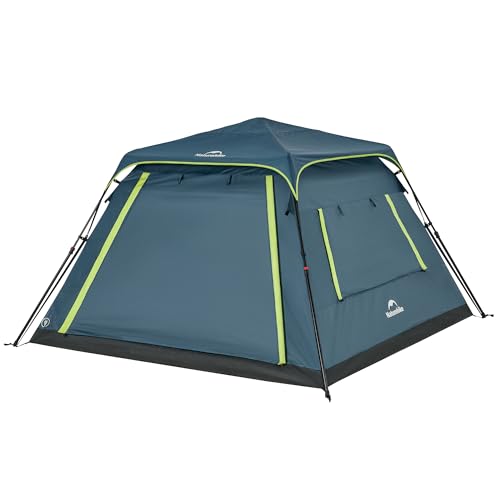
Naturehike Cape Lite Instant Cabin Tent
Taking A Closer Look At The Options
Where most picks on this list aim at the weekend camper, the Coody Premium Inflatable Canvas Tent is built for people who treat camp as a small living room. The canvas shell pairs with an inflatable air frame, replacing the rigid pole grid you find on the Gazelle T4 or the Naturehike Cape Lite, so setup leans on a pump rather than crossed fiberglass rods.
A built-in stove jack opens up cold-weather and shoulder-season trips, which is something the lighter cabin-style options further down this list do not address. For families or pairs who settle into one site for several days, the heavier fabric and thicker walls feel more like a canvas wall tent than a backpacking shelter.
Everyday Perks
- Inflatable frame cuts pole-counting and lets one person handle setup in many conditions.
- Canvas construction manages condensation and temperature swings better than thin polyester shells.
- Stove jack adds genuine four-season usability for cold-weather and shoulder-season camping.
- Roomy interior supports cots, chairs, and gear without feeling cramped.
Trade-Offs To Consider
- Heavier packed weight than the cabin tents below, so it’s best for car camping rather than long hauls.
- Canvas dries slowly after rain and needs careful storage to prevent mildew on long trips.
- Stove use demands extra ventilation discipline and a proper flue setup that beginners may find intimidating.
Built With Weekend Glampers In Mind
This tent suits campers who base at one site for multiple nights and want real living space rather than a sleep-only shelter.
Look Elsewhere When
You need a quick-pitch weekend cabin, in which case the Gazelle T4 pop-up is a better fit for fast arrivals.
The Gazelle T4 takes a different approach from the inflatable canvas shelter above: pre-assembled hub poles let the tent pop out and lock into shape in under two minutes. For tired parents arriving after sundown or festival-goers racing a storm, that speed alone is a feature.
Mesh windows, a removable floor, and a separate rain fly give you genuine flexibility for warm-weather use, where the heavier Coody canvas would feel stuffy. You trade raw material weight for engineering, so the T4 is portable without being ultralight.
Features That Help
- Hub design removes the long instruction-sheet routine common with traditional pole tents.
- Removable floor lets you sweep out sand, dirt, and grass after a beach day.
- Mesh screens and rain fly combo handle hot, buggy nights without losing ventilation.
- One-person setup is realistic once you’ve practiced the unfold-and-lock motion.
Points To Note
- Polyester shell is thinner than the Coody canvas and can flap noisily in steady wind.
- Packed size and weight still favor car camping over backcountry hiking.
Quick Take
Best Match For
Weekend campers and tailgaters who want to skip the long setup process and get straight to the fire pit.
Where A Sibling Pick Shines
You want more standing room and cabin-style space, in which case the Naturehike Cape Instant Pop Up Tunnel Tent is the stronger call.
The Naturehike Village takes the instant-cabin concept and stretches it into a roomier layout than the Gazelle T4. Pre-attached poles mean the body unfolds in about a minute, and the full-coverage rain fly covers a noticeably larger footprint than the pop-up shelter above.
The cabin-style walls stand more vertical than the sloped dome shape you see on classic backpacking tents, so a pair of adults can sit upright at a camp table inside. For first-time families who care more about elbow room than packed weight, the trade-off feels reasonable.
What Stands Out
- Wider cabin footprint fits a queen mattress with room for duffels and a small table.
- 150D Ti Black Technology Fabric (UPF 12500+) blocks harsh sun during long summer days.
- PU 2000mm+ rated coating keeps the interior dry through steady rain.
- Pre-attached poles cut a long tent setup down to roughly a minute.
Honest Caveats
- Heavier and bulkier than the Naturehike Cape Lite, so loading takes effort on smaller vehicles.
- Larger canopy catches more wind on exposed ridges, so pick your site carefully.
Made For
Car-camping families who want cabin-style comfort without the premium cost of canvas or air-frame designs.
Skip It When
You’re car-camping in cold shoulder seasons, where the Naturehike KOTA Double Layer Family Tent offers better year-round insulation.
If standing height is the thing that always bugs you about smaller tents, the Naturehike Cape is built around that complaint. The tunnel-style frame pushes the center peak higher than most four-person cabins, and the near-vertical walls keep the usable floor area usable all the way out to the edges.
Like the Village, it relies on pre-attached poles for a roughly 60-second setup, which puts it in the same fast-pitch tier as the Gazelle T4 but with more family-friendly square footage. You give up some of the pop-up shelter’s compact packing in exchange for actual standing room.
Where It Helps
- Tall center peak lets most adults stand upright to change clothes and organize gear.
- 190T polyester with waterproof coating handles typical rainstorms without leaking at the seams.
- Quick-pitch design saves patience for first-time campers and tired kids.
- Tunnel layout creates a long, roomy floor plan that fits gear at the foot of each sleeping pad.
Less-Strong Areas
- Longer tunnel profile needs a flatter, more rectangular site pad than a simple square footprint.
- Without a vestibule, wet boots and packs end up inside rather than in a covered entry zone.
Who Will Love This
Campers who want to walk around inside their tent and prefer a quick setup over a compact pack size.
Reach For A Different Pick When
You camp in driving rain and want covered storage, in which case the Naturehike KOTA Double Layer Family Tent adds real vestibule space.
The Naturehike KOTA is the most versatile structure on this list because the inner mesh tent and outer rainfly separate into two standalone shelters. In summer, the mesh inner alone works as a stargazing bug room. In shoulder seasons, the full double-layer setup adds warmth and weather resistance that the single-layer Village and Cape models can’t match.
The 75D 210T polyester shell with a 3000mm+ waterproof rating steps above the Village’s PU 2000mm+ coating, and the design includes real vestibules and porch space, which the Cape model skips. For families who camp across spring, summer, and fall, this is the most adaptable of the Naturehike trio.
A Few Strong Suits
- Modular inner and outer layers handle a wider range of seasons than single-shell tents.
- 3000mm+ waterproof rating handles heavier rain than the Village’s 2000mm+ shell.
- Vestibules and porch area keep muddy boots and packs outside the sleeping space.
- Mesh inner works alone for warm, clear nights without losing insect protection.
Factors To Consider
- Larger packed size than the Cape Lite, so storage in smaller car trunks gets tight.
- Two-layer setup takes a few extra minutes to pitch compared with single-layer instant cabins.
- Heavier fabric means longer drying time after rainstorms.
Right Fit For
Families who camp across multiple seasons and want one tent that handles warm bugs and cold rain alike.
Not Your Match When
You mostly do fair-weather beach trips, where the Gazelle T4 pop-up is a lighter, easier option.
The Cape Lite trims the Cape model down to a simpler cabin profile that prioritizes ease of carry over heavy-duty weather handling. Pre-attached poles keep the one-minute pitch, and a roughly 101.5 x 101.5 inch floor still fits a queen mattress for roadtrippers and short-haul campers.
A 62.2-inch peak height sits lower than the Cape’s standing-room profile, so you’ll crouch more inside. The trade-off is a noticeably lighter load for the back of a small SUV or sedan, which matters more to weekenders than to basecamp families.
The Upside
- Lighter cabin design is easier to load into small vehicles and carry short distances.
- One-minute setup removes the steep learning curve for first-timers.
- Queen-mattress footprint comfortably sleeps a couple plus gear.
- Lower profile handles windy exposed sites better than taller tunnel and cabin shapes.
Points To Keep In Mind
- Lower peak height means most adults will crouch rather than stand inside.
- No vestibule storage, so wet gear ends up near your sleeping bag.
- Best matched to fair-weather trips rather than heavy shoulder-season storms.
Who Should Grab It
Weekend roadtrippers and small families who want a fast, light cabin rather than a full basecamp shelter.
Consider Something Else When
You want four-season flexibility, in which case the Naturehike KOTA Double Layer Family Tent is the more capable upgrade.
Getting The Right Four-Person Shelter For Your Trips
Sizing Up Real Floor Space
Manufacturer “person ratings” tend to assume backpackers with mummy bags and no gear, so a tent listed as four-person often feels cramped for two adults and luggage. Look for actual floor dimensions: 8 by 7 feet is the realistic sweet spot for two adults with gear, while 8 by 8 or larger gives a small family room to breathe. The Naturehike Cape and Village cabins both lean toward this roomier end.
Weather Protection And Season Range
A waterproof coating rating (measured in millimeters) tells you how much water pressure the fabric handles before leaking. PU 2000mm+ covers most summer storms, while 3000mm+ handles heavier shoulder-season rain. For true four-season use, look for double-layer construction with a separate inner mesh tent, like the KOTA, plus features like snow flaps and storm covers.
Setup Style And Speed
Traditional pole tents offer the best pack-down size but punish beginners with long, fussy setups. Pop-up hubs like the Gazelle T4 and pre-attached pole cabins like the Naturehike Village cut setup to under two minutes, at the cost of bulkier carry bags. Inflatable frames like the Coody fall in between: fast to pitch once you own a pump, but heavier to haul.
Material Weight And Packed Size
Canvas breathes better than polyester and lasts longer with care, but it weighs more and dries slowly after rain. Polyester tents pack smaller and resist UV fade, which matters for hot, sunny sites. Match the material to how far you carry it and how rough your typical climate is.
What Sets These Picks Apart
Pitfalls Worth Dodging
The most common mistake is trusting the person count on the box. A four-person tent rarely fits four adults comfortably with gear, so plan for one size larger than your group needs if you bring duffels, dogs, or cots. Another slip-up is buying a single-layer tent for shoulder-season trips: condensation soaks sleeping bags and feels miserable on cold mornings, which is why double-layer designs exist.
Where The Upgrade Pays Off
Spending more on this category usually buys better materials, a taller peak, and stronger weather protection. Canvas shells and double-layer rainflies cost more because they last longer and handle worse weather, so the upgrade makes sense for campers who go out often or in mixed conditions. For occasional fair-weather trips, a simpler cabin-style tent will do the job without the heavier build.