
Rolling into a campground after a long drive, the last thing you want is a wrestling match with tent poles in the dark. Car camping lets you pack a little heavier, which means more comfort, more gear, and more room to spread out. The right shelter turns a dusty parking spot into a livable basecamp for families, couples, and friend groups chasing weekend air time.
The picks below cover canvas hot tents with stove jacks, instant pop-up cabins, and double-layer four-season shelters, all designed to deploy fast and stand up to weather. Each one earns its spot for a specific type of camper, and the trade-offs are honest, not glossed over.
The Lineup, Simplified

Coody Premium Inflatable Canvas Tent with Stove Jack
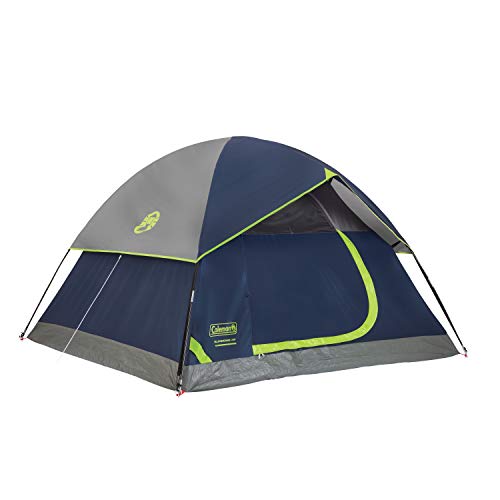
Coleman Sundome Tent

Naturehike Village Instant Cabin Tent
Naturehike Cape Instant Tunnel Tent
Naturehike KOTA Double Layer Tent
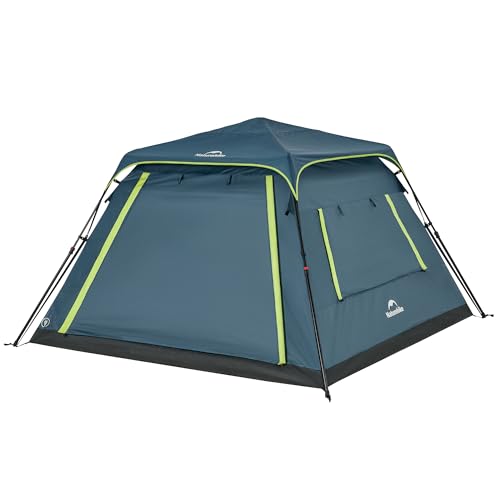
Naturehike Cape Lite Instant Cabin Tent
More On The Choices That Made The List
The Coody Premium Inflatable Canvas Tent takes a completely different approach to car camping. Instead of traditional poles, the structure uses air beams that inflate to create a rigid frame, which is a welcome change for anyone who has battled bent fiberglass at the trailhead. The canvas body is breathable and built around a stove jack, opening up cold-season and shoulder-season trips where a wood burner can keep the interior livable through chilly nights.
You trade the lightweight packability of nylon for genuine comfort. Cotton-blend canvas (a cotton-synthetic weave) manages condensation far better than thin synthetic shells, and the wall height feels closer to a small room than a sleeping pod. Glampers and hunters running heated tents will appreciate the setup speed once you pair the Coody with a portable pump. For casual summer fair-weather campers, the extra weight and setup effort may feel like overkill.
Where It Delivers
- Air-beam frame pitches much faster than rigid pole systems, often in under ten minutes with a pump
- Breathable canvas walls dramatically reduce interior condensation during cold nights
- Integrated stove jack supports a wood stove for true four-season cold-weather camping
- Spacious wall height lets most adults stand fully upright near the center
- Heavy-duty material handles wind and light snow loads that would stress lighter shelters
Trade Offs
- Canvas body is heavy and bulky, which means you need a generous vehicle cargo area
- Requires a separate pump for the air beams, adding another piece of gear to track
- Premium positioning puts it well above typical synthetic tents in cost
Key Specs
Built With In Mind
Glampers, hunters, and cold-season car campers who want a roomy canvas shelter with a wood stove option and don’t mind the extra weight.
A Better Fit Elsewhere
Backpackers or weekenders chasing the lightest possible shelter should look at the Coleman Sundome, which trims weight and complexity for a fraction of the price.
The Coleman Sundome is the kind of tent you learned camping in, and it remains a perfectly sensible choice for first-time families. The classic dome shape uses two flexible fiberglass poles that cross at the top, which means most adults can have it pitched in around ten minutes without a manual. The WeatherTec system (Coleman’s branded combination of welded seams, inverted seams, and protected zippers) keeps rain from sneaking in during typical summer storms.
Compared to the instant cabin options on this list, the Sundome trades headroom and standing height for a smaller packed size and lower cost. That’s a fair deal for families packing four into a sedan. Owners commonly report that the thin floor fabric benefits from a footprint or ground tarp underneath on rocky or rough sites.
Good Reasons To Consider
- Lightest, most compact option on this list, easy to fit in smaller trunks
- Snag-free continuous pole sleeves make first-time setup forgiving
- Welded floors and inverted seams keep interior dry through moderate rain
- Wide door and ground vent improve airflow on hot summer nights
Points To Note
- Center peak height means most adults cannot stand fully upright inside
- Fiberglass poles can splinter or break under heavy wind loading
- No vestibule for muddy boots, so plan to leave gear at the door
- Best for mild weather; not suited for snow or extended shoulder-season use
Right Fit For
First-time campers, families with smaller vehicles, and anyone wanting a dependable three-season shelter without paying for premium features.
Consider Something Else When
Campers craving standing headroom for changing clothes will find the Naturehike Village Instant Tent a much more livable cabin-style option.
The Naturehike Village Instant Cabin takes the pain out of arrival-day setup. Pre-attached telescoping poles fold out with the tent body, so a pair of campers can usually have it standing in about a minute. The cabin shape gives you near-vertical walls across the footprint, which makes the interior feel closer to a small bedroom than a sloped dome.
The 150D Ti Black Technology Fabric (a tightly woven, titanium-coated polyester that blocks UV and sheds rain) is rated for substantial UV protection plus a PU 2000mm waterproof coating (a polyurethane layer rated to withstand a 2,000mm column of water pressure before leaking). The full-coverage rainfly adds another weather layer. That puts it well above the Sundome for storm protection, though heavier materials do add packed weight.
Standout Benefits
- Pop-up frame deploys in roughly 60 seconds, perfect for late arrivals
- Tall, near-vertical walls let adults stand and move around comfortably
- Ti Black fabric blocks intense sun at high-altitude summer sites
- Generous floor plan fits a queen air mattress with room for gear
Honest Caveats
- Pre-attached poles make the carry bag bulky, so smaller cars may struggle for space
- Instant frames are stiffer than free-standing tents and harder to reposition once stood up
- Tall cabin profile catches wind, so stake it down well in exposed sites
Key Specs
Who Should Grab It
Families with kids, late-arrival campers, and anyone who values fast setup and livable standing height over compact packed size.
Look Elsewhere When
Campers wanting a more weather-capable double-wall system for shoulder-season trips will get more out of the Naturehike KOTA.
The Naturehike Cape uses a tunnel shape that maximizes interior height, so most campers can stand fully upright from end to end. Combined with the same pre-attached instant frame found on the Village, the Cape pitches fast and feels more like a small cabin than a traditional ridge tent. The 190T polyester (a mid-weight woven fabric balanced between durability and packability) shell carries a PU 3000mm waterproof rating (a thicker polyurethane coating rated to 3,000mm of water pressure), which is genuinely impressive for the price bracket.
The trade-off is tunnel tent behavior. Tunnel designs need taut guylines on both long sides to stay stable, and the Cape is no exception. You’ll want to budget a few extra minutes for staking on a breezy site. Compared to the boxier Village, the Cape stretches longer but slimmer, which matters when picking a campsite pad.
Notable Upsides
- Walk-in standing height runs across most of the interior
- Strong 3000mm waterproof rating handles prolonged rain events
- Pre-attached frame deploys in roughly a minute
- Large floor footprint fits family sleeping pads with room to spare
Where It May Fall Short
- Tunnel shape demands proper staking on both long sides for stability
- Longer footprint may not fit narrow or sloped tent pads at busy campgrounds
- Fewer mesh panels than cabin-style rivals can trap warmth in still air
Made For
Taller campers and families who want to stand up inside without paying for premium canvas construction.
Reach For A Different Pick When
Weekend campers prioritizing absolute simplest setup over maximum height will find the Coleman Sundome easier on tight or rocky sites.
The Naturehike KOTA is the most adaptable shelter on this list. The double-layer design (an inner mesh tent plus a separate rainfly shell that work together) lets you strip the tent down to a mesh inner for stargazing on warm nights, or use the fly alone as a sun shelter or rain canopy during the day. The 75D 210T polyester (a heavier denier fabric, where higher denier means thicker yarn) shell carries a 3000mm+ waterproof rating, which is the same tier as the Cape but with a sturdier fabric weight.
Vestibules and porch space out front add real living area for boots, packs, and a camp chair, which is a major upgrade over the Sundome. Setup is more involved than an instant cabin, so it’s a better match for campers who don’t mind taking twenty minutes to pitch properly. For shoulder-season trips where condensation management matters, the double-wall construction is hard to beat.
Where It Helps
- Inner mesh tent can be used alone for warm-weather stargazing
- Fly alone works as a sun shade or rain canopy
- 3000mm+ waterproof rating and heavier 75D fabric handle tougher weather
- Vestibule and porch space keep muddy gear out of the sleeping area
- Double-layer design reduces condensation buildup overnight
Some Limits To Know
- More pieces to manage than instant cabins, so longer setup time
- Heavier packed weight than single-layer options on this list
Feature Snapshot
Best Suited To
Campers who travel in spring and fall shoulder seasons and want a flexible shelter that adapts to warm nights and stormy days alike.
Not Your Match When
Families with young kids who just want to pop a tent up fast should consider the Naturehike Village Instant Cabin instead.
The Cape Lite trims the tunnel shape down to a more compact cabin format that fits couples and small families well. The pre-attached instant frame deploys in roughly a minute, similar to the Village, and the 101.5-inch square floor plan (about 8.5 by 8.5 feet of usable living area) accommodates a queen mattress with room for duffels and boots around the edges.
The peak height lands in a livable middle ground, so most campers can sit upright at the center but won’t be able to walk end to end like in the taller Cape. For weekend trips where space matters more than all-out headroom, the Cape Lite hits a sensible balance between the Sundome’s compact dome and the Village’s full-size cabin footprint.
Bright Spots
- Compact cabin footprint fits narrower campsites and smaller trunks
- Same fast instant setup as the larger Naturehike cabins
- Square floor plan maximizes usable space for sleeping pads
- Lower price point than the full-size Village cabin
Things To Weigh
- Interior peak height sits below taller Naturehike cabins
- Smaller vestibule space for storing gear outside the sleeping area
- Best for three-season use, not extreme cold or high winds
Who It Suits Best
Couples, two-parent-one-child families, and weekend car campers who want a quick-pitch cabin without hauling a full-size shelter.
Skip It When
Campers needing extra vestibule space for gear and cooking will appreciate the Naturehike KOTA’s porch and double-wall design more.
Choosing 4 Person Tents For Car Camping: What Actually Matters
The word “4-person” gets stretched across the industry. Most manufacturers rate capacity assuming tight sleeping, where each person gets about 24 inches of shoulder width, so a true four-person fit usually means three adults or two adults and gear. For real comfort, look for a floor plan that fits a queen air mattress (roughly 60 by 80 inches) with extra room around the edges for duffels.
Height matters more than people expect. Tents under 60 inches at the peak mean crawling around to change clothes, while cabin and tunnel designs in the 70-to-78-inch range let most adults stand and move freely. Match the shape to your climate, since domes handle wind better, cabins maximize livable space, and tunnels balance the two.
Weather ratings deserve careful reading. A waterproof coating rated 1500mm handles summer showers, while 3000mm and above covers serious storms. Double-wall designs (an inner tent plus a separate rainfly) manage condensation far better than single-wall shells, which is why the KOTA performs in shoulder seasons where single-layer tents get clammy inside.
Fabric weight is measured in denier, where higher denier numbers mean thicker, more abrasion-resistant yarn. A 75D polyester (75-denier yarn count) holds up better than 190T fabric on rough ground, but the trade-off is packed weight. Car camping lets you ignore that trade-off entirely, so heavier fabrics are usually the smarter pick.
Smart Considerations For Every Camper
Common Slip Ups Shoppers Make
Choosing by person count alone is the most common trap. A “4-person” tent may only sleep two adults comfortably once you add cots, pads, and gear. Always check the actual floor dimensions in inches rather than trusting the capacity number on the box.
Ignoring vestibule space creates daily headaches. A covered front porch keeps muddy boots, packs, and camp chairs out of the sleeping area, and it’s worth its weight in convenience on rainy mornings.
Where The Higher Tier Buys You More
Spending more typically gains you stronger fabrics (higher denier counts), better waterproof coatings (3000mm and above), and double-wall construction that handles condensation. You also get taller ceilings, larger vestibules, and longer-lasting seams. Premium canvas and inflatable frames add real cold-weather capability and years of service life, which matters most for campers who get out more than two or three weekends a year.
Frequently Asked Questions
What size tent fits four adults comfortably?
Most “4-person” tents feel cramped with four adults and gear. A floor plan of at least 8 by 8 feet gives everyone room to stretch, and a queen mattress plus two single pads typically fills the space with some breathing room.
Can a 4 person tent fit a queen air mattress?
Yes. Most modern 4-person cabin tents, including the Naturehike Village and Cape Lite, are sized specifically to fit a queen mattress with extra space around the edges for bags and boots.
Are instant pop-up tents worth it?
Instant tents save ten to fifteen minutes of setup and remove the frustration of pole sorting after a long drive. They are heavier and bulkier in the carry bag, which is a real consideration for smaller vehicles.
How important is the waterproof rating?
For weekend car trips, anything above PU 2000mm handles typical summer storms. For shoulder-season or mountain camping, PU 3000mm or higher is worth seeking out for serious rain protection.
Can I leave a tent pitched for a week?
Most modern synthetic tents handle a week of pitching without issue, though owners commonly report faster fabric wear at the seams and stake points. A footprint tarp underneath and proper ventilation help extend the shelter’s life on longer stays.
Closing Remarks
The right 4-person tent depends on how you actually camp. The Coody canvas shelter suits cold-season glampers who want a wood stove. The Sundome remains the easy first-time pick. The Naturehike trio covers fast-pitch family cabins, tall tunnel designs, and versatile double-wall shelters. Match the tent to your climate, your vehicle size, and your patience for setup, and the rest of the weekend falls into place.