
Roof top camping has reshaped how families and friend groups get outside. With the right rig, four people can sleep off the ground, stay clear of mud and critters, and wake up to a view that tent-campers usually hike for. The category splits into two worlds: true rooftop shells that mount to a vehicle, and cabin-style ground tents that mimic the rooftop experience with similar capacity and quick-pitch design. This roundup covers the best 4 Person Roof Top Tents across both styles, focusing on livable space, weather resistance, and the small ownership details that make or break a weekend.
A Fast Comparison Of The Options

Naturehike Village Instant 4/8 Person Cabin Tent

Naturnest Sirius 2 Hard Shell Rooftop Tent
Naturehike Cape 4/6/8 Person Instant Tent
Naturehike KOTA 4/6/8 Person Double Layer Tent
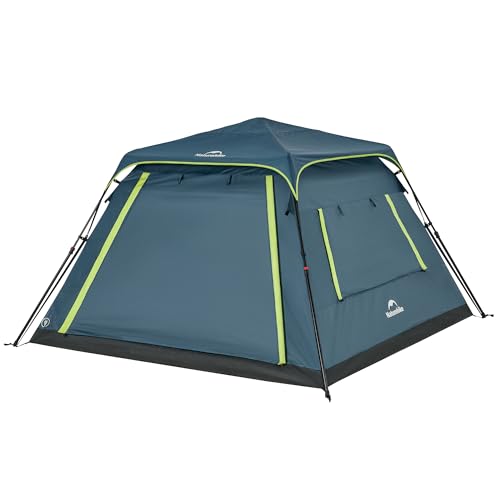
Naturehike Cape Lite 4-6 Person Instant Cabin
Meet The Standout Selections
The Naturehike Village reads like a tiny cabin dropped onto a campsite. Where most 4-person tents force you to crouch and crawl, this one stands tall with a near-vertical wall layout that lets four adults stand, change, and sort gear without bumping heads. The Ti Black fabric treatment (UPF 12500+) blocks UV aggressively, which matters when you’re parked at a lake all afternoon with kids in and out.
Compared to the rooftop Sirius 2 later in this list, the Village trades vehicle mounting for ground placement, which means no rack investment. It’s the right call for families who already have an SUV or truck and just want the room. For most weekend car campers, the cabin-style floor plan makes shared sleeping feel less like a sleepover and more like a real room.
The Case For It
- Near-vertical walls create genuine standing room, not just sleeping space
- 150D Ti Black fabric with PU 2000mm+ waterproofing handles sustained rain without seepage
- Pre-attached poles let most owners pitch the shelter in roughly a minute
- Cabin layout keeps a queen mattress plus gear storage side by side
- Full-coverage rainfly blocks UV and shrugs off summer storms
Things To Consider
- Cabin tents catch wind from the side; pick a sheltered pitch in gusty terrain
- The larger 8-person footprint takes practice to fold back into its bag
- Ground placement means standard campsite critter awareness applies
Key Specs
Who It Suits Best
Families with two adults and two kids who car-camp at established sites and want standing-room comfort without mounting gear to the roof.
Consider Something Else When
Overlanders with a factory roof rack should step up to the Naturnest Sirius 2, which mounts to the vehicle and frees up campsite space.
The Sirius 2 is the only true rooftop tent in this lineup, and it shows. The hard aluminum shell pops up via a pull-ladder motion that reportedly takes about 15 seconds, with the poles reserved for the rainfly rather than the main structure. That separation matters when you roll into camp tired or in shifting weather.
Unlike the Naturehike Cape Lite covered later, the Sirius 2 rides off the ground entirely. You sleep above mud, water crossings, and most wildlife, which changes the whole feel of a campsite. For overlanders running a Jeep, SUV, van, or trailer with a rated roof rack, it’s the most vehicle-integrated pick in this roundup.
Real-World Strengths
- Pull-ladder deployment skips pole assembly for daily use, so most owners camp more often
- Patented elevated roof adds genuine headroom for sitting up and moving around
- Hard aluminum shell handles four-season weather and resists impact from branches
- Blackout privacy fabric cuts early-morning sun and street-light glow
- Mounts to most crossbar setups on trucks, Jeeps, SUVs, vans, and trailers
Worth Noting
- Requires a rated roof rack and adds noticeable wind drag on long highway runs
- Hard shell adds weight, so check your vehicle’s dynamic roof limit before loading
- Climbing up and down a ladder at night takes a few trips to get used to
Right Fit For
Overlanders and road-trippers with a rated rack who camp in variable weather and value fast daily setup over ground-tent simplicity.
Skip It When
Casual weekend campers without a rack should step down to the Naturehike Village, which delivers similar cabin space without the vehicle commitment.
The Naturehike Cape leans hard into the “instant” half of its name. Pre-attached telescoping poles unfold outward and lock into place, so most owners report setup in roughly a minute even on their first try. The 190T polyester build with a PU 3000mm coating shrugs off rain that would pool on cheaper shells.
Compared to the KOTA tent in this list, the Cape sacrifices some modularity for faster pitch. You trade a removable inner mesh for a quicker night-in, which is the right swap for road trippers who move camps every couple of days.
Well-Handled Touches
- Tall peak height lets most adults stand in the center, not just crouch
- 190T polyester with PU 3000mm coating handles multi-day rainstorms
- Tunnel-style floor plan opens a wide living area for four to six sleepers
- Pre-attached poles make pitch and breakdown roughly a minute each way
- Family-size footprint fits a queen mattress plus gear without crowding
Trade Offs
- Larger sizes need a second pair of hands to fold back into the carry bag
- Tunnel design catches crosswinds, so site selection matters in open terrain
- 190T fabric is lighter than the Village’s 150D, so it may show wear faster on rough trips
Feature Snapshot
Made For
Road trippers and weekend campers who move sites often and want pitch speed that matches their pace.
A Better Fit Elsewhere
Campers who run four-season trips into shoulder-season weather should look at the Naturehike KOTA, whose double-layer build handles cold snaps more confidently.
The KOTA is the most modular tent on this list, and that single design choice changes how it gets used. The mesh inner tent stands on its own in warm months for stargazing nights, while the rainfly works solo as a canopy or sun shelter. Together, the double layer covers shoulder-season cold and summer storms alike.
Where the Cape Lite focuses on speed, the KOTA trades some of that instant setup for genuine versatility. The 75D 210T polyester with a 3000mm+ waterproof rating is a noticeable step up from lighter single-layer builds. For campers chasing spring wildflowers or fall colors in shifting weather, it’s the most adaptable ground option in this roundup.
Benefits That Matter
- Double-layer design lets owners split the tent for warm-weather mesh-only nights
- 75D 210T polyester with 3000mm+ waterproofing holds up to multi-day rain
- Vestibule porch adds covered storage for boots, packs, and cooking gear
- Free-standing mesh inner pitches separately as a stargazing shelter
- Multi-mode design works in spring, summer, fall, and milder winter
Points To Note
- Two-layer setup takes longer than the Cape’s instant pop-up style
- Larger packed size demands more trunk space than single-layer alternatives
- More parts to track, so a labeled stuff sack helps prevent field losses
Quick Facts
Best Suited To
Year-round campers who camp through spring and fall shoulder seasons and want a single shelter that adapts to changing weather.
Look Elsewhere When
Quick overnight road trippers may find the Naturehike Cape Lite easier to live with, since its single-layer instant design matches a one-night pitch routine.
The Cape Lite keeps the cabin feel of the larger Cape but trims the footprint down. At roughly 101 by 101 inches with a 62-inch peak height, it accommodates a queen mattress plus standing room without the bulk of an 8-person shell. For couples or small families, that size hit is often the difference between bringing the tent along or leaving it home.
Versus the Naturehike Village covered earlier, the Cape Lite uses a smaller denier fabric to save weight, which trades some long-term durability for easier packing. Most owners find that swap worthwhile when campsite pitches are short and frequent.
What Stands Out
- 101×101-inch cabin footprint fits a queen mattress with room to spare
- 62-inch peak height lets most adults change and sort gear standing up
- Pre-attached poles pitch the shelter in roughly a minute
- Compact packed size fits easily in a sedan trunk for short road trips
- Cabin design works well at drive-in sites with limited pitch area
A Few Limitations
- Lighter fabric than the Village may show wear sooner on rough trips
- 4 to 6 person sizing runs tight for two adults, two kids, and a dog
- Single-wall design offers less insulation than the KOTA in cool weather
Whose Shelf It Belongs On
Couples, small families, and first-time cabin-tent shoppers who want standing room without hauling an 8-person shell to a basic drive-in campsite.
Reach For A Different Pick When
Year-round campers should reach for the Naturehike KOTA, whose double-layer build and vestibule porch handle shoulder-season trips with more confidence.
What Matters Most Before Choosing 4 Person Roof Top Tents
Sizing and Sleep Configuration
The honest first question is how many people actually sleep in the tent on a typical trip. A “4-person” rating from many manufacturers assumes tight sleeping bag spacing and limited gear room, so families with two adults and two kids often find a 6-person footprint more livable. Measure sleeping pads or mattress dimensions before trusting a capacity number, and add roughly two square feet per person for breathing room.
If the tent spends most weekends as a basecamp for two adults plus a dog, the Cape Lite in this list works well. Larger family groups tend to settle into the Cape or Village instead, where standing room and shared space matter more than peak height.
Material Denier and Waterproofing
Fabric weight is measured in denier, which roughly tracks thread thickness and tear strength. Higher denier like the Village’s 150D or the KOTA’s 75D 210T handles abrasion better over many seasons, while lighter builds like the Cape series save packed weight. Both can work, but the trade-off shows up after a few dozen pitches.
Waterproof ratings use millimeters, like PU 2000mm or 3000mm, which describe the hydrostatic head the coated fabric withstands before leaking. Anything at PU 2000mm or above handles normal rainstorms; ratings above PU 3000mm shrug off multi-day soakings. For shoulder-season trips, lean toward the KOTA’s higher-rated build.
Setup Speed and Modular Design
Instant tents use pre-attached telescoping poles that unfold and lock in roughly a minute. They shine on road trips where camps change every night. Modular double-layer tents take longer to pitch but adapt across seasons, since the inner mesh works alone in summer and the rainfly layers on for shoulder-season weather. The honest read is that fast-pitch designs suit frequent movers, while modular builds suit campers chasing three-season comfort.
Vehicle Integration and Site Footprint
Rooftop tents like the Naturnest Sirius 2 require a rated crossbar system and add weight and wind drag on the highway. Ground tents like the cabin options here need a flat pitch area and standard campsite selection. Rooftop setups win when ground is wet, sloped, or critter-heavy; ground tents win when campsite comfort and standing room matter more than vehicle integration.
Common Pitfalls Across These Picks
Mistakes Worth Dodging
Trusting the headline person count without measuring your sleep system is a frequent trap, since a queen mattress plus gear often pushes a “4-person” tent to its real limit. Bring mattress dimensions to the comparison, not just headcount. Site selection matters more than fabric for cabin-style tents in wind, so check the forecast and pitch with the broadside facing a windbreak.
The Case For Spending Up
The price gap between entry-level instant tents and modular four-season builds usually reflects two things: heavier denier fabric and a true double-layer design. That upgrade pays off in real durability over many seasons and better cold-weather performance, especially for campers who chase shoulder-season trips. For occasional fair-weather weekends, the lighter instant designs do the job without the bulk.