
Carrying four people into the backcountry means picking shelter that balances weight, weather protection, and livable space. A cramped, wet night ruins a trip fast, while the right tent fades into the background and lets you focus on the trail. Below are six 4 person hiking tents that handle different scenarios, from ultralight thru-hikes to car-camping weekends with the family.
The Main Contenders
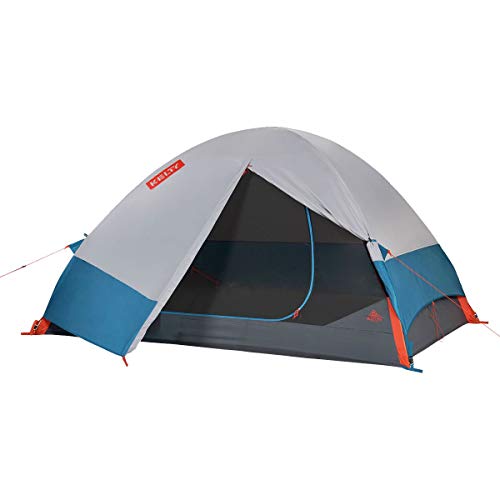
Kelty Late Start 4P – Lightweight Backpacking Tent with Quickcorners

Naturehike Village Instant Tent, 4 Person / 8 Person Camping Tent

Kelty Late Start Backpacking Tent – Lightweight Two Man Camping Tent (Updated 2024)
Naturehike Cape 4/6/8 Person Camping Tent, 60S Easy Setup Instant
Naturehike KOTA 4/6/8 Person Camping Tent, Double Layer Waterproof Family Tent
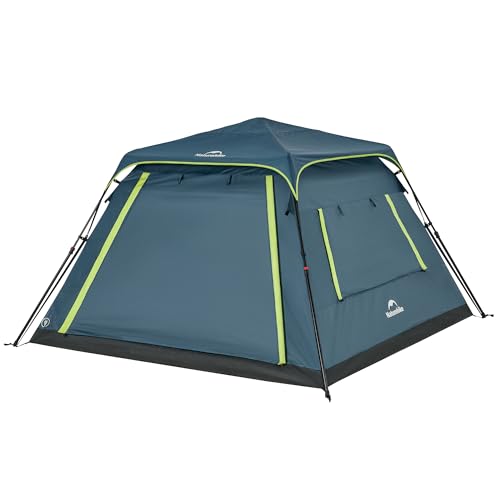
Naturehike Cape Lite 4-6 Person Camping Tent, Easy Setup Instant Cabin
The Picks, Examined More Closely
The Kelty Late Start 4P lands first because it’s the rare 4 person hiking tent that doesn’t punish you for actually carrying it. Aluminum poles keep the packed weight manageable, and the Quickcorners system means you spend more time choosing a campsite and less time wrestling poles. For groups who rotate who carries the shelter on multi-night routes, that weight distribution matters.
Setup simplicity is where this tent earns its name. The pre-bent geometry creates more usable interior volume than a basic dome, so four adults and their pads fit without Tetris-like rearranging. In shoulder seasons or fading light, the fast pitch means you still have energy to cook dinner. Compared to the heavier cabin-style picks later in this roundup, the Kelty trades standing height for trail-friendly weight.
Why It Works Well
- Lightweight aluminum frame keeps pack weight manageable on long routes.
- Quickcorners let two people pitch quickly, even in fading daylight or light rain.
- Pre-bent pole geometry opens up more livable floor space than standard domes.
- Waterproof polyester fly handles wet evenings without leaking at the seams.
Points To Note
- Peak height is lower than cabin-style tents, so sitting upright is limited.
- Aluminum poles, while light, can dent if packed carelessly against sharp gear.
Who It Suits Best
Backpackers splitting gear across four hikers on multi-night trails who value low weight over standing height.
A Better Fit Elsewhere
The Naturehike Village Instant Tent suits car campers who want near-instant setup and don’t need to carry it on foot.
The Naturehike Village Instant Tent is built for the moment you pull into a campsite at sunset with tired kids and hungry dogs. Pre-attached poles and an automatic structure mean the tent pops into shape in roughly a minute, which is a real gift when you’re juggling coolers and firewood. The cabin-style walls give you proper standing room, so changing clothes or helping a child into a sleeping bag doesn’t involve crawling.
Compared to the Kelty Late Start 4P, this tent trades trail-ready weight for comfort at the campsite. The 150D fabric with a Ti Black Technology coating is rated at UPF 12500+ and waterproof to PU 2000mm+, so full sun and steady rain both stay outside. You won’t carry this tent very far, but for car camping it’s an easy, dependable shelter.
Benefits That Matter
- Pre-attached poles collapse into a near-instant cabin shape, ideal after a long drive.
- Cabin-style walls allow adults to stand, dress, and organize gear without crouching.
- Heavy-duty 150D Ti Black fabric blocks intense sun and sheds moderate rain reliably.
- Available in 4 person and 8 person configurations for growing groups.
Trade Offs
- Bulk and packed size make it unsuitable for hikes beyond the parking lot.
- Fabric thickness, while durable, adds noticeable weight for a tent this size.
Made For
Families and friend groups who drive to established campgrounds and want a fuss-free setup on arrival.
Look Elsewhere When
The Kelty Late Start 4P is the better pick when trail mileage matters more than cabin height.
The two-person Late Start sits a little outside the strict four-person brief, but it’s worth including because many groups running a 4 person hiking tent roster rotate who carries the shelter. With this model, two hikers can share the load comfortably while a third tent covers the rest. Quickcorners keep setup fast, and the 2024 update tweaks fabric weight without changing the proven geometry.
Compared to the four-person Late Start earlier, this version gives up interior space for a meaningfully lighter pack. Aluminum poles and the same waterproof poly fly handle standard three-season weather. For a couple or duo who want Kelty’s quick-pitch logic on shorter routes, it’s a focused tool rather than a compromise.
Everyday Advantages
- Trimmed weight makes it a strong fit for two-person backcountry rotations.
- Quickcorners keep pitch times short even when arriving late to camp.
- 2024 fabric revisions shave grams without sacrificing weather protection.
- Compact packed size leaves room in shared packs for shared food and fuel.
Worth Noting
- Sleeps two comfortably, not four, so it’s a complement to a larger tent rather than a replacement.
- Lower peak height means most time inside is spent lying down or sitting.
Right Fit For
Duo hikers and small-group leaders who want a lighter shelter option for shorter trips.
Consider Something Else When
The Naturehike KOTA makes more sense for full groups who want three-season flexibility in a single shelter.
The Naturehike Cape uses a tunnel shape that stretches the floor plan lengthwise, giving four sleepers separated head and foot space rather than side-by-side crowding. The 190T polyester with waterproof coating handles typical campground rain, and pre-attached poles shorten setup to roughly a minute for those who want cabin-style living without the Village’s footprint.
Where the Village Instant Tent favors wide cabin space, the Cape focuses on a long, walkable interior. You get comfortable headroom across most of the floor, and the structure stays stable in moderate wind when properly staked. For road-tripping families who want a tunnel of usable floor space, it bridges cabin comfort and quick pitch.
Practical Pluses
- Tunnel geometry creates a long, walkable floor that avoids the shoulder-to-shoulder squeeze.
- Setup drops to roughly a minute, useful after hours of driving.
- 190T polyester with waterproof coating handles standard three-season campground rain.
- Multiple size options cover small families through larger group outings.
Minor Gripes
- Tunnel designs need taut guylines to stay stable, so staking matters in wind.
- Condensation can build on cool nights because of the longer enclosed surface area.
Best Suited To
Families who want a long, walkable shelter for car camping weekends with room for gear inside.
Reach For A Different Pick When
The Naturehike KOTA suits travelers who want a two-layer tent they can reconfigure across seasons.
The Naturehike KOTA is the most modular tent in this roundup. A double-layer design lets the mesh inner stand alone in warm weather for stargazing, while the full 75D 210T fly (rated waterproof to 3000mm+) goes up for serious rain. Vestibules and a porch area add dry storage space for boots, packs, and cooking gear, which keeps the sleeping area cleaner on multi-day trips.
Compared to the Village and Cape, the KOTA leans toward versatility rather than pure speed. Setup takes longer than an instant cabin, but the payoff is a tent that adapts to shoulder-season cold and summer bugs equally well. For groups camping across multiple seasons, that flexibility often matters more than shaving a minute off pitch time.
Notable Upsides
- Double-layer construction supports warm-night mesh-only setups and foul-weather coverage alike.
- Vestibules and porch expand dry storage for boots, packs, and cooking gear.
- 75D 210T polyester with a 3000mm+ waterproof rating handles extended rain exposure.
- Available in 4 person, 6 person, and 8 person footprints for growing groups.
Honest Caveats
- Setup is more involved than instant cabins, so first-timers should plan extra time.
- Larger packed size is realistic for car camping rather than distance hiking.
Who Should Grab It
Group campers who camp across seasons and want a single shelter that flexes with weather and trip length.
Swap It Out When
The Naturehike Cape Lite 4-6 Person Camping Tent fits newcomers who want faster, simpler setup instead.
The Naturehike Cape Lite is the entry point for groups new to car camping or families who camp a few weekends a year. A freestanding cabin profile gives you standing room across most of the floor, and pre-attached poles let the tent rise in roughly a minute. The square-ish footprint fits a queen-size mattress comfortably with room for bags along the sides.
Compared to the larger KOTA, the Cape Lite trades vestibules and dual-layer flexibility for a faster, simpler pitch. It’s lighter to haul from the car to the site, which matters on bigger campgrounds where you park farther from the pad. For casual campers who want cabin comfort without the bulk, this is a clean starter shelter.
The Helpful Details
- Freestanding cabin shape gives standing room without elaborate staking routines.
- Queen-size mattress fits with space left for bags and gear along the edges.
- Pre-attached pole system brings setup down to roughly a minute.
- Lighter carry from parking area to campsite than larger cabin tents.
Small Caveats
- Single-layer design can build condensation in cool, humid overnight conditions.
- No dedicated vestibule means wet boots and packs come inside the sleeping area.
Built With In Mind
New campers and casual weekend travelers who want cabin comfort without the complexity of a layered tent.
Another Choice May Suit
The Kelty Late Start 4P is a smarter fit when your trip involves actual trail mileage rather than a parking spot.
What Matters When Picking a 4 Person Hiking Tent
Choosing the right tent comes down to honest answers about how and where you’ll actually camp. Start with the trip style: backpacking trips where you carry everything favor aluminum-pole, sub-packed-weight designs like the Kelty Late Start 4P, while car camping opens the door to cabin-style instant tents that trade weight for space.
Floor space and peak height matter more than nominal capacity. A “4 person” tent often fits four sleepers tightly without room for gear, so look for floor dimensions and headroom that match your group. For families with kids, cabin walls that allow standing simplify dressing and gear organization. For trail-focused groups, length and width that fit four pads comfortably beats a tent that technically sleeps four.
Weather protection should match your typical conditions. A waterproof rating expressed in millimeters (the higher the number, the more water pressure the fabric withstands) tells you how the fly handles sustained rain. Coatings rated PU 2000mm or above manage most three-season storms. Mesh inner tents help in warm months, while double-layer designs like the KOTA extend usability into cooler shoulder seasons.
Setup speed affects real-world comfort. Quick-pitch corners, pre-attached poles, and tunnel or cabin shapes each reduce the time between arrival and rest. The trade-off is often weight, versatility, or vestibule space. Knowing whether you value time savings or weather flexibility helps narrow the field quickly.
Key Considerations Across These Picks
Common Buying Traps
Oversizing the capacity rating is the most common mistake. A tent labeled for four usually sleeps four in a pinch, not four with gear, dogs, and a comfortable buffer. Measure the floor and compare it to your sleeping pads before assuming the rated capacity works.
Underweighting weather ratings is a close second. A tent that handles a light drizzle can struggle in a sustained coastal storm. Look at the waterproof rating in millimeters and the fly coverage, not just the brand name on the label.
When Paying More Pays Off
Higher-tier models typically buy denser fabric, stronger pole materials, and better ventilation design. For campers who chase shoulder seasons or unpredictable weather, those upgrades translate into drier nights and longer gear life. For fair-weather summer trips, mid-range options usually deliver the same experience at a more approachable outlay.
Frequently Asked Questions
How accurate is the “4 person” rating on these tents?
Most 4 person tents fit four sleeping pads tightly with little extra room. For comfort with gear and bags, many groups prefer stepping up to a 6 person footprint or choosing a tent with extra length.
Can any of these tents handle real rainstorms?
The KOTA and Late Start 4P carry the strongest waterproof ratings in this list. The Village and Cape Lite handle standard rain well but aren’t designed for extended downpours or winter conditions.
Are instant tents durable for repeated family use?
Pre-attached pole systems hold up well when stored properly and not forced. Keep the tent dry before packing, and inspect the elastic cord and pole attachments each season for wear.
How do I decide between a tunnel and a cabin shape?
Tunnel tents offer longer, walkable interiors and tend to be lighter, while cabin tents give wider standing space and simpler pitching. Your sleeping style and tent pad layout usually decide this for you.
Is a footprint or tarp worth adding?
For car camping, a footprint protects the floor from abrasion and moisture. For backpacking, the extra ounces matter less and the floor protection is a quiet upgrade.
Final Verdict
Your best pick depends on the trip. Backpackers should anchor on the Kelty Late Start 4P for trail-friendly weight and quick setup. Car campers with families will get more use out of the Naturehike Village Instant Tent or the Cape Lite for fast, comfortable nights. The KOTA is the right call for groups who camp across multiple seasons and want one tent that adapts. Pick the shelter that matches how you actually travel, and the rest takes care of itself.