
Rolling into a basecamp after a long drive, you want four walls standing in minutes, not an hour of pole sorting. The right shelter for spring through fall keeps weight manageable, weather honest, and packing simple. This lineup covers ultralight backpackers, car campers, and families chasing weekend comfort without the winter-bag bulk.
The Lineup, Simplified
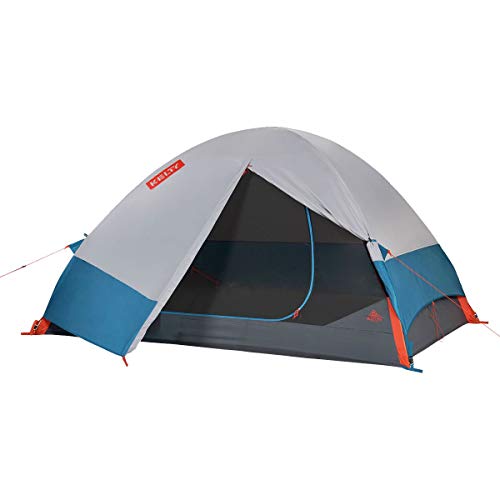
Kelty Late Start 4P Lightweight Backpacking Tent

Gazelle T4 Pop Up Camping Tent

Naturehike Village Instant Cabin Tent
Naturehike Cape Instant Tunnel Tent
Naturehike KOTA Double Layer Tent
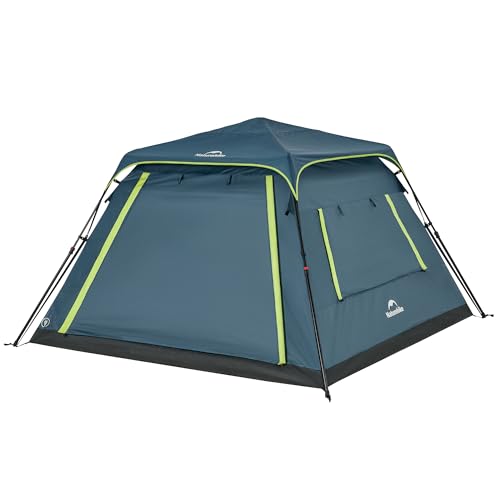
Naturehike Cape Lite Instant Cabin Tent
Meet The Standout Selections
Pull into a trailhead at dusk and you do not want to wrestle poles in fading light. The Kelty Late Start 4P Lightweight Backpacking Tent earns its name from a setup design aimed at late arrivals, leaning on Quickcorners that lock the pole ends in a single motion.
Unlike the pop-up designs further down this list, this one asks you to thread a few poles, but the aluminum frame keeps weight honest for backpackers splitting loads. A waterproof polyester fly covers the standard 4-person footprint, and pre-bent poles push the walls outward to recover some interior space most ultralight tents lose to sloped geometry.
The Value In It
- Aluminum poles cut pack weight versus fiberglass alternatives
- Quickcorners speed setup so a tired group can stop fussing and start cooking
- Pre-bent geometry recovers usable floor space in the corners
- Polyester fly sheds spring rain and condensation cycles
- Compact packed size fits easily into a shared pack or pannier
Trade-Offs Worth Weighing
- 4-person rating assumes a tight squeeze for four adults and gear
- Aluminum poles feel cold to handle during shoulder-season mornings
- No vestibule or covered storage noted in the source data
Best Suited To
Backpackers splitting weight across two packs who want fast setup at trailhead without hauling a heavy car-camping shelter.
A Better Fit Elsewhere
Families driving into camp should look at the Naturehike Village Instant Cabin Tent, which trades trail weight for standing headroom.
Festival weekend, beach day, surprise road trip: this is the tent you toss in the trunk and forget about until you need it. The Gazelle T4 Pop Up Camping Tent uses a pre-assembled hub frame that you literally pop out and lift, and the shelter expands in one smooth motion.
The bright orange color makes the campsite easy to find when you wander back from the trailhead, and mesh screens handle airflow when summer bugs arrive. A removable floor lets you adapt from grass to sand, and a rain fly covers the top when afternoon storms roll in.
A Few Highlights
- Hub design pops open faster than any pole-on-sleeve system
- Mesh screens and removable floor support both camping and beach use
- High-visibility orange shell helps locate camp at dusk
- Includes rain fly for passing summer squalls
Points To Note
- Pop-up hubs create a larger packed diameter than pole tents
- Polyester shell needs careful drying before long-term storage to prevent mildew
- Interior space feels tall but not as deep as cabin-style layouts
Right Fit For
Weekend campers and beach groups who want zero-fuss setup and an easy-to-spot shelter at busy sites.
Skip It When
Backpackers hiking any real distance will want the Kelty Late Start 4P Lightweight Backpacking Tent instead, since the hub frame adds trunk weight, not pack weight.
If standing up to change a shirt matters, cabin geometry is hard to beat. The Naturehike Village Instant Cabin Tent uses pre-attached telescoping poles so the shelter goes from bag to standing in roughly a minute, with full rainfly coverage included.
The 150D Ti Black Technology Fabric offers a higher UPF rating than standard nylon, useful when sun beats down on open fields. A PU 2000mm+ waterproof coating handles moderate rain during spring and summer storms, and the cabin profile fits a queen mattress plus cots in the 4-person configuration.
Well-Handled Touches
- Full rainfly keeps seams protected in sustained rain
- Higher-denier fabric resists wear from rough ground and gear
- Cabin ceiling gives most adults room to stand and dress
- Pre-attached poles make setup approachable for first-timers
Honest Caveats
- Heavier packed weight than ultralight picks earlier in this list
- Cabin walls catch wind more than low-profile dome designs
- Larger footprint demands a roomy pad at busy campgrounds
Who Should Grab It
Car campers who value headroom over trail weight, especially families with kids who want an easy weekend shelter.
Look Elsewhere When
Anyone packing the tent into a backpack should consider the Naturehike Cape Lite Instant Cabin Tent, which keeps the cabin layout but trims the bulk.
When your crew rolls in with coolers, bins, and a dog crate, floor space matters more than ceiling height. The Naturehike Cape Instant Tunnel Tent stretches the sleeping area along a long axis, giving four adults room to spread out side by side.
Pre-attached poles deliver the same 60-second setup pitch used across this Naturehike family of instant tents. The 190T polyester with waterproof coating targets the typical spring-to-fall rain most weekend campers actually encounter, and the tall tunnel profile keeps the interior from feeling cramped.
Useful Touches
- Long tunnel floor plan accepts sleeping pads and gear in a row
- Setup runs about a minute from bag to staked
- Tunnel ceiling adds usable headroom along the centerline
Some Limits To Know
- Tunnel tents need taut guylines to hold shape in wind
- Less efficient use of space for groups without bulky gear
- Higher packed volume than the dome-style Kelty Late Start 4P
Whose Shelf It Belongs On
Families and groups bringing coolers, cots, and extra gear who prefer a long, low sleeping layout over cabin standing room.
Reach For A Different Pick When
Couples or small groups who want more vertical space should check the Naturehike Village Instant Cabin Tent, which trades tunnel length for cabin ceiling.
Hot July night, cool October morning: same campsite, different shelter needs. The Naturehike KOTA Double Layer Tent splits into two functional pieces, with a mesh inner tent that stands alone in warm weather and a fly that works as a canopy or rain shelter on its own.
The double-layer construction uses 75D 210T polyester with a waterproof 3000mm+ coating, a higher rating than the Cape model’s PU coating. Vestibules and a porch extend your dry space for boots and backpacks, and the tent’s tall family-tent proportions give four adults a workable living area.
Everyday Perks
- Inner mesh tent works as a standalone stargazing shelter in summer
- Fly alone converts to a canopy or rain shelter for day use
- Higher waterproof rating handles heavier shoulder-season rain
- Vestibule porch adds covered storage for boots and packs
Where It May Fall Short
- Two-layer setup takes more steps than single-layer instant tents
- Heavier carry weight than the Kelty Late Start 4P
Quick Facts
Made For
Campers who want one shelter that flexes from summer stargazing to cool-weather weekends with rain in the forecast.
Where Another Pick Suits Better
Anyone who prizes raw setup speed should look at the Naturehike Cape Lite Instant Cabin Tent, which keeps the cabin feel without the double-layer steps.
First family trip, no patience for a 30-minute setup tutorial. The Naturehike Cape Lite Instant Cabin Tent keeps the cabin geometry that kids and tall adults appreciate, while trimming features down to the essentials so the price stays approachable.
The floor measures roughly 101.5 by 101.5 inches, large enough for a queen mattress plus a child’s sleeping pad, and the 62.2-inch peak height gives most adults room to kneel and dress. Like the larger Cape model, pre-attached poles aim for the same minute-from-bag setup that has made this style of instant tent popular with new campers.
The Upside
- Square cabin floor accepts a queen mattress cleanly
- Setup takes about a minute with pre-attached poles
- Lower price entry point within the Naturehike cabin line
- Manageable for first-time campers without a learning curve
Trade-Offs To Consider
- Less weather protection than the double-layer KOTA in heavy rain
- Smaller overall footprint than the 8-person Cape variants
- Single-layer build can collect interior condensation in cool weather
The Right Fit
New family campers who want a forgiving setup and a comfortable floor for two adults plus kids on weekend trips.
Consider Something Else When
Campers facing regular shoulder-season rain will appreciate the heavier waterproofing on the Naturehike KOTA Double Layer Tent.
Choosing The Right Shelter For Three-Season Use
Match The Tent To The Trip
Backpackers care about packed weight and trailhead setup, while car campers want headroom and floor space. Pick the design that fits how you actually arrive at camp, since a heavy pop-up hub frame is fine in a trunk and miserable on a trail.
Read The Fabric Numbers
Denier ratings tell you how thick the weave is, while millimeter waterproof coatings show how much rain pressure the fabric handles. A 190T polyester with a PU coating covers light summer rain, while a 3000mm+ rating on heavier 75D fabric stands up to extended showers.
Think About Sleeping Layouts
Dome and tunnel shapes stretch sleeping pads along the floor, and cabin shapes add vertical space for standing and dressing. Consider whether your group needs more length for cots and gear or more height for changing clothes.
Plan For Real Weather
A three-season tent handles spring, summer, and fall in most climates, but high-elevation trips can swing below freezing at night. Double-layer designs like the KOTA let you run just the mesh inner in July and add the full fly as temperatures drop into October.
Key Considerations Across These Picks
Mistakes Worth Dodging
Buying by the printed “4-person” rating alone sets many campers up for a cramped night, since manufacturers often count sleeping pads rather than adults with gear. Measure the floor dimensions and compare against your mattresses and packs before deciding. Another common miss is ignoring pole material, since fiberglass poles are heavier than aluminum and behave differently in cold weather.
When Paying More Pays Off
The premium picks in this lineup earn their step up with stronger waterproof coatings, separable layers, and vestibule space for boots and packs. For weekend campers in mild climates, a simpler single-layer cabin is plenty, but anyone chasing shoulder-season flexibility or wet-weather reliability gets real value from a double-layer build and a higher millimeter rating.
Frequently Asked Questions
What does “3 season” actually cover?
A 3-season tent handles spring, summer, and fall conditions in most climates, including light rain, wind, and warm nights. It is not designed for heavy snow loads or deep winter mountaineering.
How many people actually fit in a 4-person tent?
Most 4-person tents fit four sleeping pads but feel tight with four adults and gear. For comfort, treat the rating as a sleeping-pad count and plan on three adults plus gear for relaxed spacing.
Do instant tents hold up in wind?
Instant tents with pre-attached poles handle moderate breezes when staked and guy-lined properly. Tunnel and pop-up designs benefit most from taut guylines, since the longer shapes catch more wind than low-profile domes.
Is a rain fly always necessary?
Most tents include a rain fly for good reason, since it protects seams and reduces interior condensation. In dry summer conditions, running the fly loosely or leaving it off can improve airflow and stargazing.
How do I store a tent to make it last?
Dry the tent fully before folding it away, since trapped moisture leads to mildew on coated fabrics and mesh. Store it loosely in a breathable bag rather than a tight stuff sack to keep the coating from sticking to itself over time.
The Takeaway
Match the tent shape to how you actually travel: dome and tunnel designs for backpackers, cabin geometry for car campers and families. Pay attention to fabric denier and waterproof ratings when shoulder-season rain is in play, and remember that a 4-person rating is a sleeping-pad count, not a comfort promise. The right shelter makes the trip feel easy, and the wrong one makes setup the most memorable part of your weekend.