
You want a tent that goes up fast after a long drive, keeps the rain off four sleeping bodies, and doesn’t fight you when it’s time to pack up. Most weekend campers aren’t buying expedition-grade shelters, they’re buying something that handles a state park, a tailgate weekend, or a family car-camping trip without drama. The six tents below were chosen for exactly that middle ground: roomy enough for a small crew, simple enough for first-time setup, and built with weatherproofing that won’t bail on you when the forecast turns.
A Closer Look At The Lineup
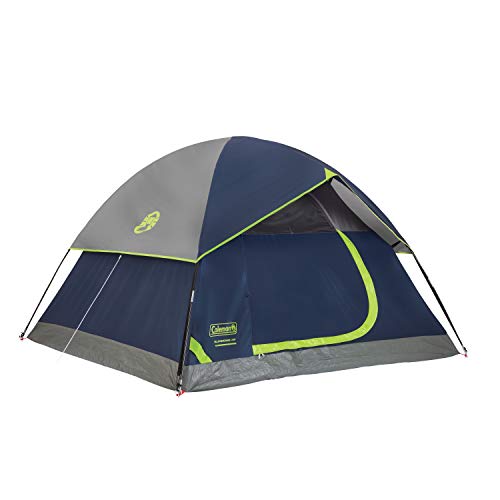
Coleman Sundome Tent

Gazelle T4 Waterproof 4 Person Pop Up Tent

Naturehike Village Instant Cabin Tent
Naturehike Cape 4/6/8 Person Instant Tent
Naturehike KOTA 4/6/8 Person Double Layer Tent
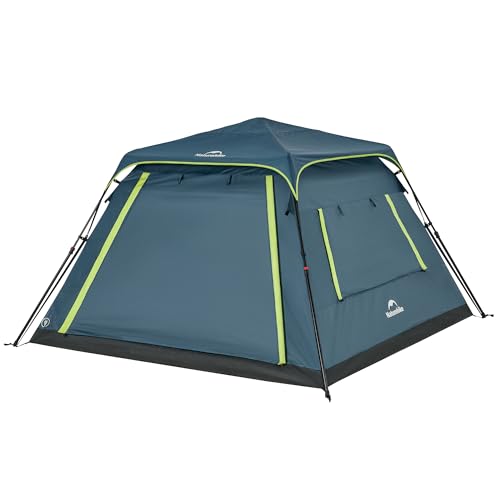
Naturehike Cape Lite 4-6 Person Instant Cabin Tent
Why These Options Stand Out
The Sundome has been around long enough that it’s earned its reputation the slow way, through thousands of weekend trips rather than marketing hype. Inside the dome shape, two adults sleep comfortably with gear along the edges, and three can squeeze in for a one-night car-camping setup.
Coleman’s WeatherTec system combines welded seams (heat-sealed at the factory so needle holes can’t leak) with a covered zipper that keeps wind-driven rain from working its way inside. Compared to the Gazelle that follows, this tent takes longer to pitch but weighs less in your trunk.
The Good Stuff
- Snag-free continuous pole sleeves speed up setup compared to traditional tent designs
- WeatherTec seams and rainfly keep gear dry through moderate overnight storms
- Compact packed size fits in a sedan trunk with room for coolers and chairs
- Lower price point leaves budget for sleeping pads and a stove
- Mesh ceiling panels boost airflow on hot summer nights
Things To Consider
- Peak height runs shorter than cabin-style tents, so adults kneel or crawl to dress
- Floor fabric is thinner than premium alternatives, so a footprint tarp underneath is wise
Quick Facts
Best Suited To
First-time campers, scout troops, and budget-focused families heading to established campgrounds with mild weather.
Skip It When
Adults who want to stand up inside should look at the Naturehike Cape, which offers noticeably taller ceilings for the same head count.
The Gazelle T4 is a different animal than the dome tents most campers grew up with. The pre-assembled hub means the frame is already built into the fabric, so you literally pop out the walls, lift the roof, and stake it down. From bag to basecamp in well under two minutes once you’ve done it a few times.
The removable floor and mesh walls make it a strong pick for beach days, tailgate parties, and bug-heavy camping spots where airflow matters more than cold-weather sealing. Compared to the Coleman Sundome above, the Gazelle trades weight and packed size for sheer setup speed.
What Works In Its Favor
- Hub-style frame cuts setup time from minutes to seconds
- Removable floor lets you stand on sand or grass without trapping dirt inside
- Mesh screen walls keep mosquitoes out while letting breezes through
- Orange fabric stays visible in crowded campgrounds and parking lots
Worth Noting
- Packed size runs larger than dome tents, so smaller cars may struggle to fit it
- Polyester shell handles rain but isn’t a four-season shelter for cold or snowy conditions
- Pop-up frame takes practice to fold back into the carry bag the first few times
Made For
Beach campers, festival goers, and anyone who values fast pitch-and-go convenience over cold-weather performance.
Look Elsewhere When
You need a winter-ready shelter, because the Naturehike KOTA’s double-layer build handles temperature swings the Gazelle was never designed for.
The Naturehike Village trades the dome shape for near-vertical walls, which is the difference between crawling in to sleep and standing up to change shirts. Pre-attached poles and an automatic structure mean most campers have it standing in about a minute.
The fabric is where Naturehike leans hard into tech: 150D Ti Black Technology material (a denser weave than standard tent polyester) carries a UPF 12500+ rating for sun protection and a PU 2000mm+ waterproof coating, meaning the fabric can theoretically withstand a 2000mm column of water before leaking. Compared to the Gazelle’s pop-up design, this one gives up some pitch speed for livable floor space.
A Few Highlights
- Cabin-style walls give adults full standing room inside
- Full-coverage rainfly protects the entire tent body during heavy weather
- Pre-attached frame eliminates the lost-piece problem during setup
- Higher-denier fabric resists punctures from pine needles and rough ground
Trade Offs
- Larger footprint than a dome tent, so you’ll scout for a roomy pad at busy campgrounds
- Heavier packed weight makes it less appealing for backpackers
- Cabin shape catches more wind than low-profile domes, so staking matters
Feature Snapshot
Whose Shelf It Belongs On
Car campers and families who prioritize standing room and weather protection over lightweight portability.
Reach For A Different Pick When
You want a four-season shelter, since the Naturehike KOTA’s modular double-layer build adapts to a wider temperature range.
The Cape is the answer to the most common complaint about family camping: tents that force grown adults into a permanent crouch. Tunnel geometry with taller peak heights means most campers can stand up through the center, which sounds small until you’ve spent a week hunching in a dome.
Setup mirrors the Village’s approach with pre-attached poles that lock into place in roughly a minute. The 190T polyester shell (a standard-weight weave for backpacking tents) carries a waterproof coating rated PU 3000mm, edging past the Village’s PU 2000mm for harsher weather exposure. Compared to the Gazelle T4, this tent handles real camping conditions better but loses the pop-up novelty.
Strengths Worth Knowing
- Generous peak height lets adults stand through the middle of the tent
- Higher waterproof rating than most comparably priced instant tents
- Available in 4, 6, and 8 person layouts for flexible group sizing
- Tunnel design creates a natural division between sleeping and gear areas
Points To Keep In Mind
- Tunnel shapes need taut guylines (extra cords that anchor outward from the tent) in wind, so practice your pitch before a trip
- Floor space stretches long rather than wide, which can be awkward for square air mattresses
- Standard-denier fabric needs careful handling around abrasive surfaces
Core Details
The Right Fit
Campers who refuse to crawl and weekend families who want quick setup without giving up interior height.
Consider Something Else When
Beach setups are the priority, since the Gazelle T4’s pop-up frame and removable floor handle sand and salt air with less fuss.
The KOTA earns its keep by doing something most of the other tents here don’t: separating into two usable pieces. The inner mesh tent stands alone for warm-weather stargazing nights, while the outer fly becomes a canopy or rain shelter on its own. Pull them together and you’ve got a true double-wall system.
The 75D 210T polyester fabric is heavier than the Cape’s 190T, trading packed size for abrasion resistance. The PU 3000mm+ waterproof rating matches the Cape’s serious weather performance. Compared to the instant-pitch models above, this one takes longer to set up because two layers mean two jobs.
Real-World Strengths
- Inner mesh tent works solo for summer nights with open-air airflow
- Outer fly doubles as a sun canopy, rain shelter, or covered cook area
- Double-wall design reduces interior condensation in cool weather
- Vestibule and porch extensions add dry storage for boots and packs
Honest Caveats
- Two-layer setup adds minutes the instant tents don’t require
- Heavier fabric means a bulkier pack than single-shell competitors
- More components to dry before storage, especially after wet trips
Feature Rundown
Built With In Mind
Campers who travel in shoulder seasons, face unpredictable weather, or want one shelter that pulls double duty across summer and winter trips.
Where Another Pick Suits Better
True backpacking is the goal, since the Cape Lite’s smaller footprint and instant setup suit hikers more than this tent’s bulk.
The Cape Lite trims the Cape lineup down to the essentials: a square cabin footprint sized for a queen mattress, a peak height that lets kids and shorter adults move freely, and an instant-pitch frame that earns its keep on arrival night. For couples and small families who car camp more than they backpack, that combination covers most weekends.
Square dimensions around 101.5 inches per side mean standard rectangular sleeping pads fit without awkward gaps, and the cabin walls keep that usable space from feeling cramped. Compared to the Cape proper, this Lite version is simpler and lighter, though it won’t match the KOTA’s year-round adaptability.
Reasons It Performs
- Queen-mattress-friendly footprint simplifies family packing
- Instant setup lands inside the one-minute window most car campers want
- Vertical walls make the interior feel larger than the floor spec suggests
- Lower price than the larger Cape and KOTA tents in the same lineup
Practical Considerations
- Smaller floor than the Cape or Village, so group camping past four feels tight
- Single-layer construction means more condensation in cool, still conditions
Perfect Match For
Couples, small families, and weekend car campers who want a fuss-free cabin tent that pitches fast and packs down small.
Not Your Match When
Larger groups or four-season use is the plan, since the KOTA’s modular double-layer build adapts to bigger crews and colder trips.
Matching Your Trip To The Right Shelter
Capacity vs. Comfort
A “4 person” rating on most tents assumes four people sleeping shoulder-to-shoulder with no gear inside. Real-world comfort, especially for families, usually means sizing up. Three adults and their backpacks often fit better in a 6 person shelter than a tight 4 person one. The Naturehike Cape comes in 4, 6, and 8 person sizes for exactly this reason, letting you pick capacity without changing tent architecture.
Weatherproofing That Actually Holds Up
Waterproof ratings get thrown around loosely, but the difference between a PU 2000mm coating and a PU 3000mm coating shows up during real storms. Both will keep you dry in drizzle, but sustained rain pushes the higher-rated fabric harder before seepage starts. For shoulder-season camping or mountain weather, that extra margin matters more than peak height.
Setup Style And Campground Reality
Instant and pop-up tents cut setup from twenty minutes to sixty seconds, which sounds trivial until you’ve arrived at a dark campground with tired kids. The trade-off shows up in pack size and weight, since pre-attached poles don’t fold as small as separate ones. The Gazelle T4 leans hardest into speed, while the KOTA leans hardest into versatility at the cost of extra setup time.
Key Considerations Across These Picks
Pitfalls Shoppers Hit
Most first-time tent buyers focus entirely on capacity and overlook peak height, then spend a whole weekend hunched over. Another common miss is buying for the warmest trip of the year and discovering the tent turns into a sauna during shoulder-season sun, or vice versa. Finally, ignoring packed dimensions means a tent that doesn’t fit in your vehicle, which is a deal-breaker nobody catches on the product page.
When Paying More Pays Off
Higher-tier models like the KOTA earn their price through modularity and heavier fabric. The extra cost buys you a tent that adapts to summer mesh nights, winter double-wall protection, and even functions as a standalone canopy. For campers who travel more than twice a year or face varied weather, that flexibility typically pays back the upgrade within a few trips.
Frequently Asked Questions
How big is a 4 person tent?
Most 4 person tents fit four sleeping pads in a square or rectangular layout, with peak heights ranging from about 48 to 76 inches. Real comfort depends on how much gear you store inside alongside sleeping bags.
Are instant tents worth the extra cost?
For car campers and families, instant tents save real time and reduce setup frustration, especially on late arrivals. Backpackers usually prefer lighter traditional tents instead, since instant frames add packed weight.
Can 4 person tents handle rain and wind?
Most 4 person tents in this category include a full rainfly and taped seams for moderate weather. Severe storms with sustained high winds call for low-profile dome shapes and careful staking rather than tall cabin designs.
What is a waterproof rating in millimeters?
The rating measures how tall a column of water the fabric can hold before leaking, so PU 2000mm handles steady rain while PU 3000mm+ handles heavier sustained downpours. Higher numbers generally mean better wet-weather performance.
How do I store a tent to make it last?
Always dry the tent completely before folding it into the stuff sack, because trapped moisture leads to mildew and weakened coatings. Long-term storage in a loose cotton sack or breathable bin extends fabric life far beyond stuff-sack compression.
Final Verdict
The right 4 person tent comes down to how you actually camp, not how the spec sheet reads. First-timers and weekend families get the most out of the Coleman Sundome or Naturehike Cape Lite for their balance of price and usability. Car campers chasing standing room and weather protection should look closely at the Naturehike Village or Cape. The KOTA stands apart for anyone camping across multiple seasons, while the Gazelle T4 wins for sheer setup speed at the beach or festival. Pick the tent that matches your most common trip, not your most ambitious one, and you’ll spend more time enjoying the outdoors than wrestling with gear.