
Camping in shoulder seasons turns a lot of people off because the wrong shelter makes a cold night miserable. A true four-season tent shrugs off snow load, blocks wind, and keeps condensation down when temperatures swing. The picks below balance pack weight, livable space, and weather protection so you can focus on the trail instead of the forecast. Whether you basecamp with the family or push into alpine terrain, there’s a shelter here worth your attention.
The Picks In Brief
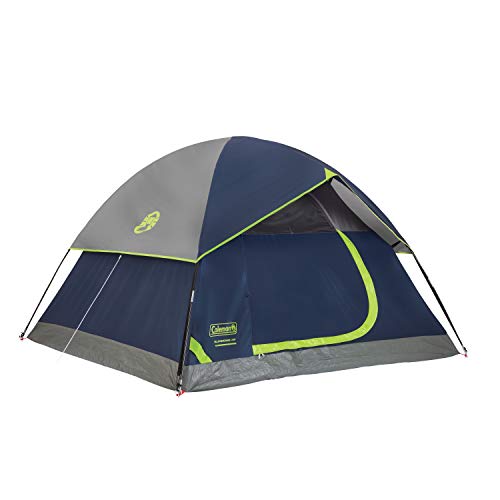
Coleman Sundome Tent

Gazelle T4 Pop Up Camping Tent

Naturehike Village Instant Cabin Tent
Naturehike Cape Instant Tunnel Tent
Naturehike KOTA Double Layer Tent
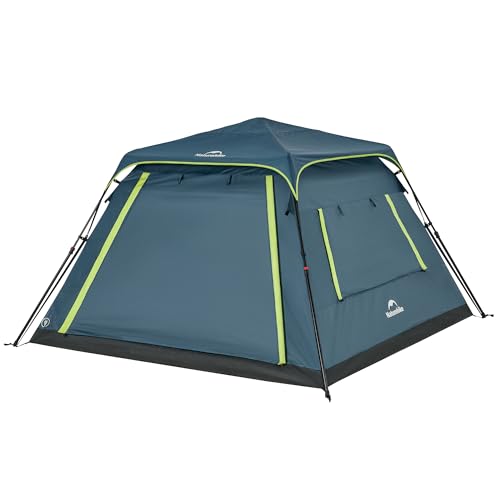
Naturehike Cape Lite Cabin Tent
The Details Behind The Selections
The Sundome has earned a quiet reputation as the gateway tent for first-time campers, and for good reason. Its dome shape keeps rain rolling off and resists wind better than flat-top designs in mild conditions, which matters more than people expect at a crowded campground.
Compared to the heavier Naturehike options later in this roundup, the Sundome is lighter on the back and easier on the wallet. You trade serious weather performance for portability, so think spring and summer trips rather than alpine pushes.
Reasons It Performs
- Snag-free pole design speeds setup, helpful when you arrive at camp late.
- WeatherTec rain protection handles typical summer storms without drama.
- Compact packed size fits behind a car seat or in a duffel for short trips.
- Low price makes it disposable enough for a kid’s first solo outing.
Things To Consider
- Not rated for snow load or sustained winter use, so keep it in the three-season lane.
- Limited headroom means most adults sit upright but cannot stand.
Best Suited To
Casual weekend campers who mostly chase warm weather and want a no-fuss shelter that sets up fast.
Look Elsewhere When
You face real winter weather, since the Naturehike KOTA double-layer build handles cold and snow with far more confidence.
The Gazelle T4 flips the usual setup script by arriving pre-assembled in a hub frame that pops into shape in roughly ninety seconds. That’s not a marketing exaggeration, it’s the entire selling point, and it matters when you roll into a campsite at dusk with tired kids.
Where the Sundome favors portability, this one favors convenience and livability. Mesh screens and a removable floor make it just as useful on a beach blanket as it is on a forest pad, and the orange rain fly handles passing showers without fuss.
A Few Strong Suits
- Hub-frame setup removes the steep learning curve for new campers.
- Removable floor lets you switch between beach shade and enclosed tent.
- Mesh panels keep airflow moving on hot summer nights.
- Roomy interior fits four adults or two adults plus gear and a dog.
Worth Noting
- Bulkier packed size than the Coleman, so trunk space matters.
- Not built for snow or harsh wind, which limits shoulder-season use.
- Polyester fabric feels lighter-duty than the canvas-style winter shelters.
Made For
Families and casual car campers who prize fast setup over ultralight packability.
Where Another Pick Suits Better
Cold-weather campers should consider the Naturehike KOTA, since its double-layer design stands up to snow load.
The Village leans into the cabin shape: near-vertical walls that turn floor space into usable living room. For a family of four trying to change clothes, sort gear, and dodge rain at the same time, that geometry pays off every single minute.
Pre-attached poles drive setup toward the sixty-second mark, which puts it in the same convenience league as the Gazelle but with a more weather-oriented fabric. The full-coverage rain fly and 150D Ti Black Technology material suggest a more serious approach to wet conditions.
Practical Advantages
- Standing-height cabin design lets adults move around upright.
- Full rainfly coverage shields the entire tent during prolonged storms.
- 150D fabric feels more rugged than the Gazelle’s lighter polyester.
- Instant-pole design means no sorting loose parts in the dark.
- Room divider option creates privacy between parents and kids.
Trade Offs
- Heavier packed weight makes it impractical for backpacking.
- Larger footprint needs a generous tent pad or campsite.
Perfect Match For
Car campers with families who want real standing room and a tent that handles long rainy weekends.
Skip It When
You need to haul gear any distance from the car, since the Naturehike Cape Lite trims weight while keeping cabin comfort.
The Cape trades the boxy cabin shape for a tunnel layout that stretches lengthwise, giving you a long, narrow floor plan with a tall ceiling running down the middle. That shape suits a couple or small family that sleeps head-to-toe and wants gear storage at one end.
Where the Village spreads out wide, this one reaches out long. Setup stays in the sixty-second range thanks to pre-attached poles, and the 190T polyester with PU3000mm coating handles serious rain without leaking through the seams.
The Value In It
- Tunnel shape maximizes usable length for sleeping pads and duffels.
- High central ceiling keeps most campers from feeling boxed in.
- PU3000mm waterproof rating handles prolonged wet weather.
- Instant pole system speeds up breakdown on moving days.
Room For Improvement
- Tunnel design needs proper guy lines to stay taut in wind.
- Longer footprint requires careful site selection on smaller pads.
Right Fit For
Car campers with a couple or small family who sleep linearly and want serious wet-weather coverage.
Not Your Match When
Cold-season campers chasing real winter performance should look at the Naturehike KOTA, which adds a true insulating double layer.
The KOTA earns its place on this list because it’s the only shelter here built as a true double-layer four-season tent. The inner mesh tent handles summer nights and stargazing, while the outer shelter acts as a snow- and wind-resistant shell. Run them together and you’ve got a serious winter system.
Compared to the single-layer Cape and Cape Lite, this one trades convenience for genuine cold-weather capability. Vestibules and a porch give you dry gear storage and a place to cook under cover, which matters when snow starts piling up.
Practical Pluses
- Double-layer design traps warm air and blocks snow loading.
- Vestibule and porch add protected storage for boots and packs.
- 75D 210T polyester shell resists tearing in alpine conditions.
- Inner mesh tent stands alone in warm months, useful for star viewing.
- Modular setup lets you pitch just the shelter as a canopy in good weather.
Points To Note
- Heavier and bulkier than single-layer tents, so backpackers should look elsewhere.
- Higher price point reflects the more complex build.
- Double-layer setup takes longer than the Cape’s instant-pole system.
Who Should Grab It
Winter campers and shoulder-season adventurers who face real cold, snow, and wind on regular trips.
Reach For A Different Pick When
You mostly camp in mild three-season conditions, since the Naturehike Village Instant Cabin offers more living space for less money.
The Cape Lite rounds out the roundup as the no-drama option for campers who want cabin comfort without hauling the heaviest shelter on the list. The footprint fits a queen mattress with room to spare, and the sixty-second pitch keeps arrival-day stress low.
It sits between the full Village cabin and the more weather-focused KOTA in terms of purpose. For weekend trips where rain is possible but snow isn’t on the radar, it strikes a sensible middle ground on price, weight, and protection.
Points In Its Favor
- Cabin-style floor plan fits a queen mattress comfortably.
- Pre-attached poles deliver quick setup on tired evenings.
- Lighter than the KOTA, easier on smaller vehicles.
- 62-inch peak height gives standing room for most adults.
Where It Is Less Suited
- Single-layer construction limits true winter capability.
- Smaller vestibule area than the KOTA or Village for gear storage.
- Wind performance lags behind the tunnel-shaped Cape.
Whose Shelf It Belongs On
Weekend car campers who want cabin comfort and quick setup without the weight or cost of a four-season build.
A Better Fit Elsewhere
Anyone chasing genuine winter conditions should pick the Naturehike KOTA, since its double-layer design handles snow far better.
Picking a Four-Season Tent That Actually Fits
A four-season tent earns the label when the structure handles snow load, resists sustained wind, and limits condensation in cold air. Double-layer construction creates a dead-air space that traps warmth and reduces interior moisture, which is why models like the KOTA work in real winter. Single-layer shelters can handle shoulder seasons with a solid rainfly, but they tend to struggle when wet snow piles up overnight.
Weight and packed size matter more than some buyers expect. A tent that pitches in seconds but weighs twenty pounds isn’t a backpacking tent, it’s a basecamp tent. Match the shelter to how you actually travel, not how you wish you traveled.
Capacity Versus Comfort
A four-person rating assumes tight sleeping, so most adults want a tent rated one size above their group for livable space. A queen mattress fits in the Cape Lite’s footprint with room to spare, which is a useful benchmark for couples who want gear inside the tent. Families with kids should add even more room since duffels, dog beds, and shoes eat floor area fast.
For shoulder-season trips, look for a vestibule or porch that lets you store wet boots outside the sleeping area. The KOTA and Cape both add this kind of protected space, which keeps the inner tent drier and warmer overnight.
Weather Ratings That Matter
Manufacturer waterproof ratings use the millimeter standard, where PU3000mm means the fabric resists a 3000mm column of water before leaking. Anything above PU2000mm handles steady rain, and PU3000mm is the common threshold for serious wet-weather use.
Wind resistance depends on geometry more than fabric. Low-profile dome shapes handle gusts better than tall cabin walls, which is why the Coleman Sundome works in summer storms despite its light build. Tunnel designs like the Cape need taut guy lines to stay stable, while cabin tents trade some wind performance for standing height.
Setup Style and Camp Routine
Instant-pole designs cut setup time to roughly sixty seconds, which sounds minor until you’re pitching at dusk in the rain. Pre-attached poles also reduce the number of small parts you can lose in the grass. Hub-style tents like the Gazelle T4 push this further, but they pack larger and don’t break down quite as small.
For most car campers, instant-pole designs strike the right balance. Backpackers should look at lighter single-wall options with trekking-pole setups, though those weren’t part of this roundup.
Key Considerations Across These Picks
Pitfalls Shoppers Hit
The most common mistake is trusting a “four-season” label without checking the construction. Many tents marketed for winter are really three-season shelters with a heavier rainfly, which works in light snow but fails in real storms. Double-layer construction with a separate inner mesh tent is the clearest sign of a true four-season build.
Another trap is buying by capacity rating alone. Manufacturers rate tents for tight sleeping, so a four-person tent fits four adults with no gear. Campers who want room for packs and dogs should size up, especially on longer trips where tent time adds up.
Why Top Tier Costs More
Higher-tier tents in this category charge more because they use denser fabrics, more poles, and double-layer construction. A 75D polyester shell resists abrasion better than lighter 190T material, which matters when you’re pitching on rocky ground or in icy conditions. Modular setups that let you separate inner and outer tents also add engineering cost.
The upgrade is worth it for campers who actually face winter conditions, but most weekend fair-weather campers won’t notice the difference. Spending more makes sense when your trips push into shoulder seasons or alpine terrain, not when you’re setting up at a summer campground.
Frequently Asked Questions
What makes a tent truly four-season?
A four-season tent uses double-layer construction, stronger pole geometry, and heavier fabrics to handle snow load and sustained wind. Single-layer rainflies may carry a four-season label but usually perform like three-season shelters in real winter.
How many people fit comfortably in a four-person tent?
Four adults can sleep in a four-person tent, but the space feels tight once you add sleeping pads, bags, and gear. Most campers find a six-person rating more livable for a small family or couple with lots of equipment.
Can I use a four-season tent in summer?
Yes, though ventilation matters. Double-layer designs with mesh inner tents handle warm weather well since you can pitch just the inner mesh and stargaze on clear nights. The outer shell stays packed in summer, which is why modular designs like the KOTA work across seasons.
Do instant-pole tents hold up in wind?
Instant-pole tents use the same flexible fiberglass and steel poles as traditional designs, so wind performance depends on geometry and staking rather than the pole attachment method. Always stake out vestibules and guy lines for serious weather, regardless of pole style.
How do I store a tent to make it last?
Dry the tent fully before storage to prevent mildew and coating breakdown. Loose storage in a breathable bag beats tight stuff sacks, which stress seams and fabric over time. Most manufacturers offer storage sacks sized for this purpose.
Wrap Up
The right four-season tent comes down to where and how you camp. Casual summer campers will find plenty to like in the Coleman Sundome and Gazelle T4 without overpaying for winter-rated construction. Families chasing space and convenience should look at the Naturehike Village or Cape Lite, while shoulder-season adventurers get the most value from the Cape’s tunnel shape. For real winter conditions, the KOTA’s double-layer design earns its keep. Match the shelter to your trips and the rest works itself out.