
A good backpack blower turns a long cleanup into a short one. With a 4-cycle engine, you skip the oil mix, get cleaner emissions, and tackle wet leaves or heavy debris without stalling. The picks below cover everything from pro-grade Echo workhorses to walk-behind brute force and a chipper that pairs nicely with serious yard work.
The Shortlist At A Glance
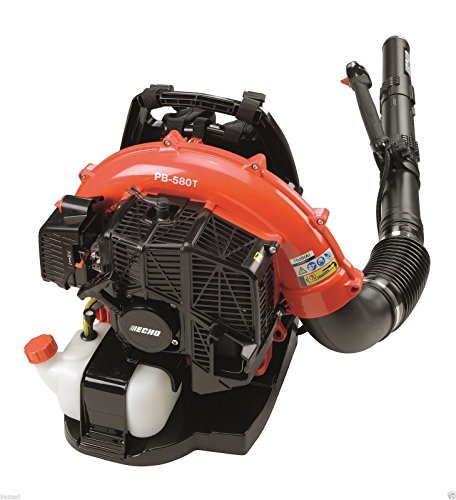
Echo PB-580T Backpack Blower 58.2CC 510 CFM

Echo Backpack Blower Gas 510 CFM 215 MPH

Echo PB-580H Backpack Blower 58.2CC

VEVOR 63CC Backpack Leaf Blower 1110CFM

SuperHandy Walk Behind Leaf Blower 1270 CFM

VEVOR 52CC Backpack Leaf Blower 480CFM

CRAFTSMAN BP510 Backpack Blower 51cc

VEVOR 26CC Handheld Leaf Blower 425CFM

SuperHandy Mini Wood Chipper Shredder 7HP
The Strengths Of Each Pick
Land clearing crews and large-property owners live by their backpack blower, and the Echo PB-580T earns its spot on the truck. The tube-mounted throttle puts engine control right where your hand already grips, so adjusting power mid-stride becomes second nature. A 58.2CC engine moves a serious amount of air, and the padded harness design helps when the work stretches past the lunch break.
If you grew up on Echo equipment, the brand’s reputation for two-stroke reliability carries over here with consistent pull-starts and steady RPMs under load. Compared to the hip-throttle sibling further down this list, the tube throttle trade-off is purely about personal preference, and many operators actually prefer tube control for finer speed modulation on delicate work.
The Good Stuff
- Tube-mounted throttle keeps engine control at your fingertips without breaking grip on the nozzle.
- 510 CFM airflow moves heavy wet leaves out of ditches and along fence lines in fewer passes.
- 58.2CC displacement delivers enough muscle for daily commercial routes without bogging down.
- Backpack frame balances weight across the shoulders and hips for multi-hour workdays.
- Echo’s parts and service network is widely available, reducing downtime when wear parts need swapping.
Things To Consider
- Two-stroke engines require oil-and-gas mixing, which adds a step compared to 4-cycle convenience.
- At full chat the noise level sits well above conversation, so ear protection is non-negotiable.
- Some owners report the throttle cable needing periodic adjustment after heavy season use.
Who It Suits Best
Professional landscapers and serious acreage owners who run a blower most days and want tube-throttle finesse.
Where Another Pick Suits Better
Homeowners wanting simpler no-mix fueling should look at the CRAFTSMAN BP510 backpack blower covered below.
This Echo backpack blower is built for storm cleanup, fall leaf piles, and the kind of debris that chokes ordinary handheld units. A 58.2CC engine delivers 510 CFM of airflow at 215 MPH exit velocity, so a single pass can shove a thick row of damp leaves clear across a driveway. It’s a true OEM-style blower aimed at property owners who treat yard work as serious labor.
The frame and harness echo the brand’s commercial-grade design language, so you get a familiar fit and feel if you’ve used any Echo backpack unit before. Compared to the walk-behind SuperHandy later in this list, the trade-off here is portability over raw volume, and this blower wins on steep terrain where wheels won’t roll.
A Few Highlights
- 510 CFM at 215 MPH tackles wet matted leaves that stall lesser handheld units.
- OEM-grade construction matches parts compatibility with other Echo 58.2CC platforms.
- Backpack frame distributes weight for full-property cleanups without upper-body fatigue.
- Proven engine platform with widely available replacement components.
Worth Noting
- Two-stroke fuel mixing is required, and you’ll want fresh fuel for reliable cold starts.
- The 22.6 lb dry weight feels substantial once you add a full tank of mixed fuel.
- Noise output at 70 dB(A) measured range still warrants hearing protection during long runs.
Key Specs
Made For
Rural property owners with long driveways, fence lines, and storm debris that needs real muscle to move.
Consider Something Else When
If you’re clearing wide flat pavement instead, the SuperHandy walk-behind blower will save your shoulders.
The Echo PB-580H splits the difference between comfort and control with its hip-mounted throttle, a setup favored by users who run a blower all day long. Instead of reaching up to the tube, you adjust speed from a control near your hip, which reduces arm fatigue during long cleanup routes. Padded shoulder straps and a vented back pad round out the comfort package.
Like its sibling above, it runs the same proven 58.2CC two-stroke engine, so parts and service crossover nicely. If you already own Echo handheld equipment, you’ll appreciate how familiar the controls feel. The hip throttle does take a session or two to get used to, but most users report it becomes invisible after the first afternoon.
What Helps Most
- Hip-mounted throttle reduces arm fatigue during multi-hour cleanups.
- Vented back pad lets air circulate, keeping you cooler in summer heat.
- Posi-loc pipe connectors lock the tubes securely so they won’t separate mid-work.
- Metal wear ring protects the blower pipe from abrasion against curbs and rocks.
- Padded backrest and shoulder straps distribute weight across the upper body.
- 517 CFM airflow handles both dry autumn leaves and heavy spring debris.
Points To Keep In Mind
- Two-stroke fuel mixing adds an extra step over 4-cycle convenience.
- The hip throttle takes a learning curve for users coming from tube-mounted controls.
Right Fit For
Full-time landscapers and homeowners with large lots who run a blower weekly and want lasting comfort.
Skip It When
Casual weekend users with smaller yards may find the CRAFTSMAN BP510 lighter and easier to handle.
The VEVOR 63CC is the brute force entry in this roundup, and on paper it’s the most powerful backpack blower here. A 63CC engine pairs with a 1.89L fuel tank to deliver 1110 CFM at 220 MPH, which means it chews through leaf drifts and even light snow with the kind of authority smaller machines can’t match. If your property has long gravel drives or open lawn, this is the airflow you want.
High-strength nylon backpack straps and a shock-absorption frame keep that extra power manageable on your back. Compared to the Echo 58.2CC units earlier, the VEVOR trades some refinement for sheer output. For acreage owners clearing two or more acres in a single session, that trade usually pays off in time saved.
Good Reasons To Consider
- 1110 CFM airflow output dwarfs most backpack blowers on the market.
- 1.89L fuel tank extends runtime so you can clear big properties without refueling stops.
- Shock-absorption frame reduces how much vibration reaches your shoulders.
- Adjustable padded straps accommodate different body sizes for shared use.
Trade Offs
- The larger fuel tank adds weight once filled, so fatigue builds faster than smaller-tank competitors.
- Two-stroke mixing is still required, and owners commonly report fuel smell on hands after refueling.
- Output at full throttle makes this louder than typical backyard-friendly options.
Quick Facts
Who Will Love This
Owners of multi-acre properties, rural lots, or anyone facing heavy fall leaf volume and light winter snow.
A Better Fit Elsewhere
Suburban homeowners with smaller lawns may find the Echo PB-580H easier to handle day to day.
When the backpack isn’t enough and the property is flat enough to roll, the SuperHandy walk-behind blower steps in with a 7HP 209CC 4-stroke engine. Unlike the rest of this list, it’s a 4-cycle unit, so you skip oil mixing and pour in regular unleaded gasoline. The 1270 CFM airflow at 150 MPH exit speed moves mountains of leaves without taxing your shoulders.
Two large 12-inch rear wheels and an 8-inch 360-degree swivel front wheel give you surprisingly tight control for a push-style machine. Compared to the backpack blowers in this roundup, the trade-off is portability versus effort: you won’t carry this up a hill, but on a flat driveway or open lawn, it absolutely flies.
Where It Excels
- 1270 CFM output is the highest airflow in this entire roundup.
- 4-stroke engine runs on regular unleaded fuel with no oil mixing.
- Steel frame construction handles bumps and trailer transport without flex.
- Swivel front wheel pivots smoothly for changing direction mid-row.
- No shoulder strain since the machine rolls rather than rides on your back.
Honest Caveats
- Walk-behind design limits use on steep slopes or stairs.
- Storage footprint is much larger than any backpack blower on this list.
- Runs on 87-octane gasoline with up to 10% ethanol, so fuel stabilizer matters for long storage.
Best Suited To
Homeowners with long flat driveways, open lawns, or commercial lots who prefer push power over carrying weight.
Look Elsewhere When
Properties with slopes, stairs, or tight access points are better served by the VEVOR 63CC backpack blower.
The VEVOR 52CC hits the sweet spot for homeowners who want real backpack power without commercial-grade pricing. Its 2-stroke 52CC engine spins at 6500 RPM and pushes 480 CFM at 175 MPH, which is plenty for weekly suburban cleanups. A 1.37L fuel tank extends runtime so you can finish a typical yard without mid-job refueling.
Ergonomic backpack straps and a shock-absorption setup keep the machine comfortable enough for property-edge work and driveway clearing. Compared to the larger 63CC VEVOR above, this model trades top-end airflow for a lighter carry weight, which most homeowners will actually prefer.
Everyday Wins
- 480 CFM airflow handles leaves, grass clippings, and light snow reliably.
- 1.37L tank balances runtime with reasonable weight when filled.
- Ergonomic strap design distributes pressure across shoulders and chest.
- Approachable price point for first-time backpack blower shoppers.
- 175 MPH air speed moves debris out of corners and along foundation edges.
Some Limits To Know
- Two-stroke engine requires pre-mixed fuel at the correct ratio.
- Air output falls short of the larger VEVOR 63CC for the heaviest storm debris.
- Vibration through the backpack frame is noticeable during extended sessions.
Perfect Match For
Suburban homeowners with quarter-acre to half-acre lots who want backpack power without pro pricing.
Reach For A Different Pick When
Owners with acreage and serious leaf volume should step up to the VEVOR 63CC for more airflow.
The CRAFTSMAN BP510 earns its place as the lightest fully-featured backpack blower in this roundup. A 51CC full-crank 2-cycle engine delivers 600 CFM at 220 MPH, which is more than enough muscle for suburban lots. The full-crank design (where the crankshaft runs the full length of the engine) tends to outlast standard half-crank engines and runs more smoothly.
An extra-padded adjustable harness and chest strap keep the unit snug without digging into your shoulders. If you’ve ever finished a long cleanup with a sore back, you’ll appreciate the difference. Against the heavier Echo PB-580T, the CRAFTSMAN trades some durability for a noticeably lighter carry.
Notable Upsides
- 600 CFM airflow at 220 MPH is impressive for a 51CC displacement.
- Full-crank engine design typically delivers more durable operation over time.
- Padded harness and chest strap distribute weight evenly across the torso.
- Lighter than competing 58.2CC units for easier handling by smaller-framed users.
Less Ideal Details
- Two-stroke fuel mixing is still part of the ownership routine.
- Engine output sits below the VEVOR 63CC for the largest properties.
Who Should Grab It
Homeowners who want brand-name reliability with lighter carry weight for weekly yard maintenance.
Swap It Out When
Property owners facing heavy commercial-style workloads should consider the Echo PB-580H instead.
Not every cleanup needs a backpack blower, and the VEVOR 26CC handheld fills the gap for small yards, patios, and quick weekend touch-ups. A 2-stroke 26CC engine spinning at 7000 RPM produces 425 CFM at 156 MPH, which clears a driveway or porch in minutes. The real trick is the included collection bag and suction tube, which converts the blower into a basic lawn vacuum.
Handheld units like this are honest about their limits, and you’ll feel that constraint on anything beyond a small suburban lot. Compared to the CRAFTSMAN BP510 above, the trade-off here is convenience versus capacity. For under-stair storage and grab-and-go use, though, the VEVOR handheld is hard to beat.
Useful Strengths
- Blow-and-vacuum conversion with the included collection bag adds versatility.
- Compact handheld size stores easily in a garage or shed corner.
- 26CC engine output handles wet leaves, sand, gravel, and light snow.
- Light enough for users who find full backpack units too heavy to manage.
Small Caveats
- Handheld design causes arm fatigue during long sessions.
- Air output sits well below backpack units for serious acreage work.
- Two-stroke fuel mixing applies just like the backpack models.
Built With In Mind
Small-yard homeowners, apartment dwellers with patio space, and anyone who wants a grab-and-go cleanup tool.
Not Your Match When
Larger properties with wide leaf coverage are better served by the VEVOR 52CC backpack blower.
The SuperHandy wood chipper isn’t a blower, but it pairs naturally with one for complete yard cleanup. A 7HP horizontal 4-stroke single-cylinder OHV engine (overhead valve, a more efficient valve design) powers a reduction ratio of 15:1, meaning material drops to a fifteenth of its original volume once processed. The 3-inch maximum cutting capacity handles typical branch and limb debris from storm damage or pruning sessions.
Once your blower has stacked leaves into piles, the chipper turns woody debris into usable mulch in one pass. Compared to the backpack blowers in this list, the chipper addresses a different problem: what to do with the sticks and branches your blower simply can’t move. Together, they form a complete cleanup system.
The Practical Payoff
- 15:1 reduction ratio means more finished mulch per load of branches.
- 3-inch capacity handles most pruning debris and storm limbs.
- 4-stroke OHV engine runs on regular unleaded gasoline without oil mixing.
- Extended feeding chute accepts longer branches without pre-cutting.
- Compact footprint fits in a garage corner or trailer for transport.
Areas To Watch
- Not a blower, so it serves a different role in the cleanup chain.
- Hardwoods can dull the cutting blades faster than soft green material.
- Feeding chute requires care, and safety gear is essential during operation.
Whose Shelf It Belongs On
Property owners who regularly trim trees or handle storm debris and want on-site mulching capability.
Another Choice May Suit
Anyone focused purely on leaf cleanup should pair the VEVOR 52CC backpack blower instead and skip chipping.
Picking The Right Backpack Blower For Your Property
Engine Type And Fuel Logistics
Two-stroke engines (where oil is mixed directly into the fuel) deliver strong acceleration in a lighter package, but require careful fuel mixing at every fill-up. Four-stroke engines, like the one in the SuperHandy walk-behind, run on straight gasoline from the pump and tend to produce cleaner emissions. Most backpack blowers remain two-stroke for weight savings, so factor in a fuel mixing bottle and a small workspace if you go that route.
Air Volume Versus Air Speed
CFM (cubic feet per minute, the volume of air moved) determines how much debris you can shift in a single sweep, while MPH (exit air velocity) determines how forcefully that air pushes material. Wet leaves and gravel demand higher CFM; corners and stubborn debris benefit from higher MPH. The VEVOR 63CC and SuperHandy walk-behind both push CFM numbers that dominate this roundup.
Comfort For Long Sessions
Harness design and weight distribution matter more than raw power once you cross the 30-minute mark. Padded shoulder straps, vented back pads, and chest straps all reduce fatigue. The Echo PB-580H and CRAFTSMAN BP510 both prioritize ergonomics for users who run a blower weekly or longer.
Matching Blower To Property Size
A quarter-acre suburban lot rarely needs more than a 50CC backpack unit, while multi-acre rural properties benefit from 60CC-plus airflow or a walk-behind design. Choosing too small wastes time; choosing too large means dragging extra weight for no payoff. Match the displacement to the area, not to aspirational yard size.
Key Considerations Across These Picks
Where Shoppers Go Wrong
The most common slip-up is choosing by CFM alone without checking MPH, since both numbers together describe real-world performance. Another mistake is ignoring the fuel mix and storage requirements of two-stroke units, which adds ongoing hassle. Buyers also underestimate how much a few extra pounds of harness fatigue matter across an hour of work, so weight and padding deserve real attention.
What The Higher Tier Buys
Stepping up to premium-tier blowers typically gains you a larger displacement engine, commercial-grade harness, and stronger parts support. The Echo PB-580H and VEVOR 63CC both deliver noticeably smoother operation at full throttle compared to entry-level units. For daily users, that smoother operation and longer component life justify the extra cost; for occasional weekend use, a mid-tier option usually suffices.
Frequently Asked Questions
What Is A 4 Cycle Backpack Blower?
A 4-cycle backpack blower uses a four-stroke engine that runs on straight gasoline without oil mixing. This roundup features mostly two-stroke backpack units plus the 4-stroke SuperHandy walk-behind blower for shoppers wanting simpler fueling.
How Do CFM And MPH Affect Blower Performance?
CFM measures the volume of air moved per minute and determines how much debris you shift per pass. MPH measures air exit speed and determines how forcefully that air pushes stubborn material out of corners. Both numbers together predict real-world cleanup ability more accurately than either alone.
Are Backpack Blowers Better Than Handheld Models?
Backpack blowers distribute weight across your torso and deliver higher airflow than handheld units. Handheld blowers like the VEVOR 26CC trade power for grab-and-go convenience on small yards. Property size and cleanup frequency should drive the choice.
How Often Should Backpack Blower Filters Be Cleaned?
Air filters on backpack blowers typically need cleaning every few uses during heavy season work, with more frequent checks in dusty conditions. A clean filter keeps RPMs steady and protects the engine from abrasive particles, so build the habit into your post-job routine.
Can A Gas Blower Handle Light Snow?
Gas backpack blowers like the VEVOR 63CC and Echo models can move light, fluffy snow off driveways and walkways. Heavy wet snow or deep accumulation requires a dedicated snow blower for safe and efficient clearing.
Wrap Up
A 4-cycle backpack blower rewards the right match between machine and property, whether you’re clearing a quarter-acre lot or maintaining multi-acre grounds. The picks above cover pro-grade Echo reliability, VEVOR’s high-output options, and a walk-behind alternative for flat terrain. Pick the airflow and comfort profile that fits how you actually work, and the cleanup becomes a quick chore instead of a long afternoon.