
Family camping works best when nobody is crawling over each other to reach the cooler. A genuine living-room area inside a large family tent turns a cramped sleepover into something that feels like a basecamp, with room to cook, play cards, and pile gear out of the rain. The picks below span canvas inflatable designs and traditional cabin-style shelters that split interior space into separate rooms. Some lean into glamping comfort while others focus on durable, no-fuss family setups that handle a long weekend of use.
The Choices Worth Comparing

Coody Premium Inflatable Tent with Stove Jack

EVOIONOS Princess Tent Rug Hexagon Carpet 4×4.6 Feet
KTT Extra Large Family Cabin Tent 8-10 Person (Style A)

KTT Extra Large Family Cabin Tent 12-14 Person
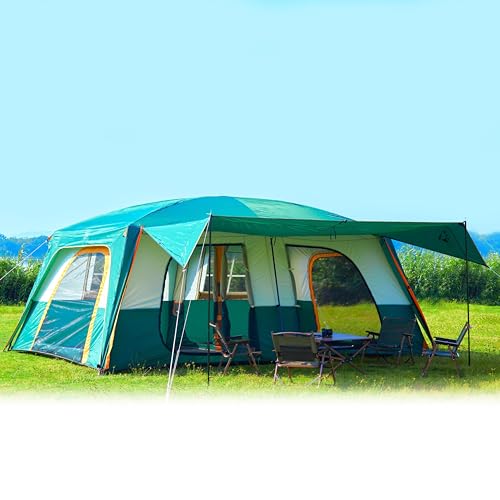
KTT Extra Large Family Cabin Tent 10-12-14 Person

KTT Extra Large Family Cabin Tent 10-12 Person
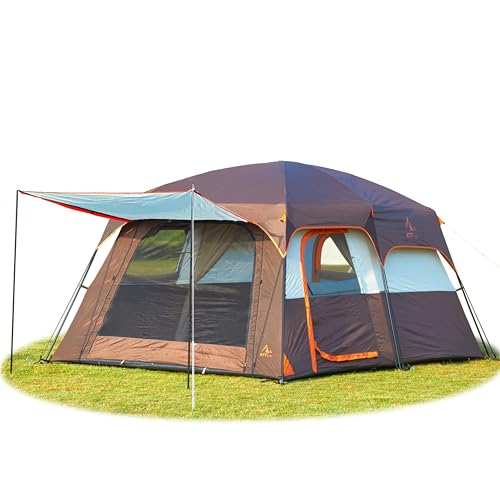
KTT Extra Large Family Cabin Tent 8-10 Person (Style B)

KTT Extra Large Family Cabin Tent 10-12 Person (Style B)
More On The Choices That Made The List
The Coody takes a different route from the cabin-style tents later on this list. Instead of fiberglass or steel poles, it relies on inflatable beams that you pump up in minutes, making setup feel closer to pitching a raft than wrestling with crossed poles.
Canvas construction breathes more quietly than polyester on a hot afternoon, and a built-in stove jack opens the door to cooler-season trips. You trade pack-down size for a wall tent that genuinely functions as a shelter rather than a windbreak.
Benefits That Matter
- Air-frame design removes pole confusion at the campsite
- Breathable canvas keeps condensation calmer in humid weather
- Stove jack supports cold-weather camping with proper ventilation
- Spacious interior handles a family plus a central living area
Things To Consider
- Canvas dries slowly after rain, so plan extra time before pack-up
- Heavier and bulkier than polyester shells during transport
- Stove jack requires a certified flue pipe for safe use
Built With In Mind
Glamping families and serious campers who camp across multiple seasons will appreciate the roomier, more permanent feel.
A Better Fit Elsewhere
Backpackers or anyone needing a quick weekend pop-up should look at the KTT cabin tents for lighter weight and faster pitch.
While the other picks are full shelters, this EVOIONOS entry is the indoor rug that often shows up inside kids’ teepees and play tents. The hexagonal shape fits corners where a rectangular mat leaves gaps.
Polyester fibers give it a plush feel that holds up under foot traffic and Lego casualties alike, and the snowflake pattern is gentle enough to match most bedroom palettes. You may find the soft layer transforms a basic play space into a defined reading or dress-up nook.
Practical Advantages
- Plush polyester pile is comfortable for barefoot play
- Unique hexagon shape fits play tents and reading corners
- Light enough to roll up and store between play sessions
- Coordinating blue tone works for most themed rooms
Worth Noting
- Smaller footprint suits play tents more than full-size camping shelters
- Spot cleaning is typically needed before deep stains set
Best Suited To
Parents building a themed indoor play area for younger children will get the most from this rug.
Look Elsewhere When
Anyone shopping for an actual outdoor family tent should consider the KTT Extra Large Family Cabin Tent 10-12 Person for genuine camping use.
The KTT Style A is the smallest footprint in this lineup, but the straight-wall design still gives you full standing height along the edges. Inside dimensions run roughly 12.5 by 8.5 feet with a 6.2-foot ceiling, which is enough for four full air mattresses laid out side by side.
A divider curtain splits the shelter into two rooms, and the three mesh doors and windows handle cross-ventilation during warm nights. Compared to the larger KTT models further down, this one trades interior square footage for a faster pitch and easier solo setup.
A Few Strong Suits
- Straight-wall frame maximizes usable floor space
- Two-room divider offers privacy between adults and kids
- Three mesh doors promote airflow on humid evenings
- Fits four queen air mattresses without crowding
Trade Offs
- Smaller interior than the 12-14 person KTT options
- Pole count runs higher than inflatable alternatives
Whose Shelf It Belongs On
Small to mid-size families packing for two-night weekends will find this size plenty roomy.
Swap It Out When
Groups expecting 10 or more sleepers should size up to the KTT Extra Large Family Cabin Tent 12-14 Person for extra floor space.
The largest KTT on this list opens up to 16 feet long by 11 feet wide, with a 7.4-foot peak height that lets most adults walk around upright. The straight-wall frame turns what could feel like a tunnel into a true room-shaped shelter.
Two bay windows and three mesh doors keep the air moving on still summer nights, while the double-layer construction adds rain protection for shoulder-season trips. Storage hooks around the ceiling are useful for lanterns and drying clothes.
A Strong Showing
- 7.4-foot peak offers genuine standing-room comfort
- Bay windows expand visual space and ventilation
- Double-layer shell improves rain resistance
- Plenty of interior hooks for lights and gear
Honest Caveats
- Bulky packed size requires a large vehicle for transport
- Setup time runs longer than smaller cabin tents
Key Specs
The Right Fit
Extended families and reunion-style group trips that need serious square footage will appreciate the headroom and bay windows.
Consider Something Else When
Solo travelers or couples should pick the KTT Extra Large Family Cabin Tent 8-10 Person (Style A) for easier solo pitching.
This KTT variant shares the same generous 16 by 11 footprint as the 12-14 Person model above, so you get the same ceiling height and walking space. The difference is the recommended sleeper count, which gives you a little flexibility if your group fluctuates trip to trip.
You still get a divider curtain for two-room privacy, plus a back window and two top windows for airflow. The straight-wall design keeps the walls vertical rather than sloping in at the top, so the corners stay usable for cots or gear stacks.
What Helps Most
- Same 7.4-foot peak as the larger 14-person option
- Vertical walls make the perimeter useful for storage
- Mesh windows balance privacy with airflow
- Two-room divider adapts to mixed-age groups
Points To Keep In Mind
- Packed weight may require a second pair of hands at the trailhead
- Footprint demands a wide, flat campsite to pitch properly
Who Should Grab It
Hosts organizing group gatherings where guest count changes trip to trip will appreciate the flexible capacity rating.
Reach For A Different Pick When
Anyone needing bay windows for extra visibility should consider the KTT Extra Large Family Cabin Tent 12-14 Person instead.
The 10-12 Person KTT slots between the smaller Style A and the bigger 16-foot variants, with interior dimensions near 14.1 by 10 feet and a 6.58-foot ceiling. Two bay windows set this version apart, opening up the side walls for views and ventilation.
The divider curtain splits the space into a sleeping room and a living room, and a door curtain supported by twin poles creates an awning-style shaded entry. You get a balanced mix of footprint, headroom, and airflow.
Real Benefits
- Bay windows add light and a sense of openness
- Door awning creates covered entry for shoes and boots
- Two-room divider keeps sleeping and living zones separate
- Mesh paneling reduces condensation in humid weather
Small Caveats
- Mid-size bay windows mean slightly less wall space for gear
- Setup can take practice the first time out
Feature Snapshot
Who It Suits Best
Families prioritizing airflow and a defined outdoor-style entry will appreciate the bay windows and awning setup.
Where Another Pick Suits Better
Anyone needing the absolute tallest ceiling should compare this against the KTT Extra Large Family Cabin Tent 12-14 Person.
Style B shares its footprint with the Style A on this list, so you get the same 12.5 by 8.5-foot floor and 6.2-foot ceiling. What changes is the included accessories: four repair patches and two buckles come in the bag, which is helpful for first-time owners who may not own tent repair gear yet.
Oxford polyester and a PE-coated floor balance weight with reasonable durability. Six top corner hooks and a middle hook offer enough hanging points for lanterns and small organizers.
What Earns Its Place
- Repair patches included for first-time tent owners
- PE-coated floor adds moisture protection on damp ground
- Manageable footprint for smaller campsites
- Oxford polyester construction balances weight and durability
Areas To Watch
- Lower ceiling than the larger 16-foot KTT models
- Same weight class as Style A, so transport needs planning
Made For
Newcomers to large family tents who want repair supplies bundled in from day one will get useful peace of mind.
Skip It When
Anyone planning gatherings that exceed 10 sleepers should move up to the KTT Extra Large Family Cabin Tent 10-12 Person for more space.
The Style B 10-12 Person KTT measures 14 by 10 feet with a 6.58-foot peak, fitting the same comfortable family size as its sibling. Oxford polyester keeps the packed weight reasonable for repeated trips, while the PE-coated floor handles dewy mornings without soak-through.
Three doors and three windows with mesh let you tune airflow by season, and the divider curtain keeps sleeping and gear zones apart. If you camp more than once a season, this size strikes a fair balance between room and portability.
Standout Benefits
- Versatile size for couples, small families, or extended trips
- Coated floor keeps gear dry on damp grass
- Three-door design allows flexible entry and exit
- Mesh windows balance ventilation with insect protection
Points To Note
- Not as tall as the 7.4-foot KTT models
- Lacks bay windows found on the mid-size 10-12 Person option
Perfect Match For
Recurring family campers who want a tent that handles shoulder seasons and warm weekends with equal ease.
Not Your Match When
Shoppers wanting bay-window airflow should consider the KTT Extra Large Family Cabin Tent 10-12 Person (the Style A version above).
What To Weigh Before Choosing A Large Family Tent
Floor size is only the starting point. A tent that fits everyone on paper can still feel cramped if the ceiling slopes sharply at the edges, so straight-wall designs generally deliver more usable standing room for the same footprint. The term “straight wall” describes a frame that keeps the side walls vertical instead of angling inward, which matters when you are changing clothes or letting kids stand up to play.
Capacity ratings deserve a reality check. Manufacturers count on tight sleeping arrangements, so a tent listed for 12 sleepers is usually comfortable for around 8 with gear. Subtract roughly a third to plan for cots, air mattresses, and a central living area.
Ventilation matters more than people expect. Mesh doors and windows on multiple sides create cross-breezes that cut down on condensation, especially in humid climates. Double-layer construction, where an inner tent is paired with a separate rainfly, also helps manage moisture and improves rain performance.
Transport and setup realities round out the decision. A 16-foot cabin tent weighs more and packs larger than an 8-10 person model, and longer setup times can eat into a short weekend. For canvas and inflatable choices like the Coody, plan extra drying time before pack-up so the fabric does not stay damp in storage.
Field Notes For Picking The Right Shelter
Common Shopping Slip Ups
A frequent misstep is matching capacity to your largest possible gathering rather than your most common trip. Buying the biggest tent on the shelf sounds appealing, but a smaller, well-organized shelter often feels more comfortable than a giant one you only half-fill. Measure your vehicle’s cargo space before committing, since the 16-foot KTT models require serious packing room.
Another trap is overlooking vestibule and awning space. Doors that can be propped out as awnings create a shaded outdoor living area that effectively expands your usable square footage on sunny days.
What Separates Premium From Basic
Premium canvas shelters like the Coody bring real breathability and cold-weather capability through stove-jack compatibility. The trade-off is weight, drying time, and a steeper investment. Polyester cabin tents are lighter, dry faster, and cost less, which suits most fair-weather family trips where simplicity wins.
The upgrade pays off when you camp across multiple seasons, value quieter indoor humidity, or simply want a tent that feels more like a cabin than a temporary shelter.
Frequently Asked Questions
How many people does a 4 bedroom tent with living room actually sleep?
A 4 bedroom tent with a separate living area typically sleeps 8 to 14 people depending on the model. Manufacturers often rate capacity based on tight sleeping arrangements, so expect more comfort at roughly two-thirds of the stated maximum.
Are straight-wall family tents harder to pitch?
Straight-wall designs use a few more poles than traditional dome tents, but the trade-off is better interior space. With two people and a clear site, most cabin-style tents pitch in 20 to 40 minutes on the first attempt.
Can one large tent replace multiple smaller ones?
For many families, yes. A single cabin tent with a divider curtain reduces setup time, keeps everyone closer for safety, and centralizes gear storage. Some campers still prefer two tents for privacy or sleeping flexibility.
How important is a rainfly on a large family tent?
Very important. A full-coverage rainfly is the main defense against rain pooling on the roof. Double-layer construction, where the rainfly sits over a separate inner tent, improves both rain performance and ventilation.
What ground prep do these tents need?
Pick a flat, level site and clear sticks and rocks before laying down the footprint. A ground tarp under the tent adds an extra moisture barrier, though many cabin tents include a PE-coated floor that handles damp ground on its own.
Wrap Up
The right 4 bedroom tent with living room comes down to how you actually camp: how many people, how often, and in what weather. Match the tent to your most realistic trip, not your biggest imagined one, and you will spend less time wrestling poles and more time enjoying the campsite.