
Metal carports earn their keep when the alternative is watching your truck bake in July sun or freeze under a January ice sheet. The right shelter depends less on the box it ships in and more on what you actually drive, how much yard you can spare, and whether snow load or coastal wind shapes your season. This roundup pulls nine strong options across sizes from 10×15 up through RV-class 14×35, mixing compact single-car footprints with longer bays that swallow boats, trailers, and side-by-sides. Every pick uses a powder-coated or galvanized steel frame topped with corrugated metal roofing, the two ingredients that separate a real shelter from a pop-up canopy.
The Lineup, Simplified

PHI VILLA 14X35 RV Carport, Metal Carport Heavy Duty

PHI VILLA 12×20 Carport, Metal Carport Heavy Duty

PHI VILLA 10×15 Carport, Metal Carport with Sidewalls

PHI VILLA 10×20 Carport, Metal Carport Heavy Duty

PHI VILLA 14X25 RV Carport, Metal Carport Heavy Duty

PHI VILLA 12×30 Carport, Metal Carport Heavy Duty

PHI VILLA 12×25 Carport, Metal Carport Heavy Duty

PHI VILLA 10×15 Carport, Metal Carport Heavy Duty
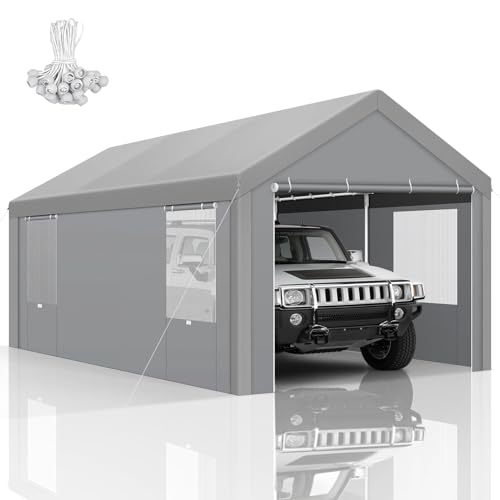
COBIZI 10×20 FT Heavy Duty Carport, Galvanized Frame
What Each Pick Brings To The Table
Of every shelter in this roundup, the 14X35 footprint is the one that genuinely clears a 30-foot Class A motorhome with room to spare. The frame uses powder-coated square steel tubing, and the corrugated steel roof sits above water-stop strips that tame heavy rain at the seams. In a wide gravel pad or open pasture, this thing swallows a fifth wheel, a pickup, and a small trailer at the same time.
Owners prepping a long-term RV site tend to gravitate here because the 14-foot width is comfortable for slide-outs, and the depth handles most tow vehicles parked nose-in behind. For anyone running a seasonal property or a small rental fleet, the scale starts to earn its keep.
Everyday Advantages
- 35-foot depth fits the largest RVs and leaves workspace behind the coach
- Corrugated steel roof with water-stop strips to reduce seam leaks
- Powder-coated frame for steady rust resistance in changing weather
- Wide 14-foot bay gives room to open doors and walk around the vehicle
- Multi-use footprint doubles as covered storage for boats and equipment
Practical Considerations
- Site prep is real work, so plan a level pad and anchors before delivery
- Larger footprint means more wind exposure, which calls for proper tie-downs
- Assembly typically takes more than a weekend, depending on the crew
Key Product Details
Best Suited To
RV owners with a Class A, fifth wheel, or travel trailer who want a permanent covered bay on a rural or suburban lot.
Consider Something Else When
Step down to the PHI VILLA 12×30 Carport if you mostly shelter a standard pickup and need a smaller yard footprint.
The 12×20 is the friendly middle of the PHI VILLA line, sized for two mid-size sedans side by side or a single pickup with a small workspace. The same powder-coated frame and corrugated steel roof recipe carries over, which means the build quality feels consistent with the larger RV bay in this list. For a standard suburban driveway, this is the most practical size to drop in without a zoning fight.
Compared with the 14X35 in pick 1, this is a far more approachable footprint, and the reduced depth makes it easier to anchor on a slab or a packed gravel base. Homeowners upgrading from a fabric shelter usually land here first.
Noteworthy Benefits
- Standard 12×20 footprint fits two compact vehicles or one truck with storage
- Corrugated steel roofing handles sun, rain, and seasonal snow
- Powder-coated steel frame for everyday rust resistance
- Roof seam strips limit the slow drip problem common in cheaper metal shelters
Small Caveats
- Full-width SUVs may brush the uprights, so check your exact dimensions
- Wind rating depends heavily on the anchoring system you install
- Assembly is a two-person job for the roof panels
Right Fit For
Suburban households parking two compact cars or one full-size truck on a standard lot.
A Better Fit Elsewhere
Reach for the PHI VILLA 10×20 Carport if your driveway is narrower and you only need to shelter a single vehicle.
Where most metal carports stop at a roof, this 10×15 adds sidewalls to the package. The included panels close off the sides, which keeps blowing rain and low-angle sun off the vehicle in shoulder seasons. In a windy cul-de-sac, that added wall coverage makes a noticeable difference compared to a roof-only frame like the bare 12×20 above.
For a small commuter sedan, motorcycle, or compact tractor, the tighter 10×15 footprint fits in places other shelters simply cannot. Sidewalls also transform the bay into a private work nook for weekend projects.
What Pays Off
- Sidewalls add weather and privacy protection beyond a standard open frame
- Compact 10×15 footprint suits narrow driveways and small yards
- Corrugated steel roof handles seasonal rain and sun exposure
- Powder-coated steel frame resists surface rust over multiple seasons
Honest Caveats
- Depth can feel tight for longer trucks, so measure your vehicle first
- Enclosed sides reduce airflow, so watch for moisture buildup on cold mornings
Quick Facts
Made For
Owners sheltering a single sedan, motorcycle, or compact tractor in a tight side-yard setup.
Where Another Pick Suits Better
Choose the PHI VILLA 10×20 Carport instead when you need 5 extra feet of depth for a longer pickup.
The 10×20 quietly does a lot of heavy lifting for a single full-size pickup or a small compact tractor. The 20-foot depth is generous enough to park nose-in with a workspace behind, while the 10-foot width fits on properties where the 12-foot bays feel oversized. Against the 10×15 in pick 3, this one trades the sidewalls for pure length.
In a long gravel side yard, the 10×20 typically slips in without disturbing existing fencing, and the same powder-coated steel tubing plus corrugated roof formula applies. For most single-vehicle households, this is the quiet workhorse of the PHI VILLA lineup.
The Helpful Details
- 20-foot depth comfortably handles a full-size truck or compact tractor
- 10-foot width fits on narrower lots and side yards
- Corrugated steel roof with seam strips for steady rain performance
- Powder-coated steel frame for solid year-round durability
Points To Note
- No sidewalls, so wind-driven rain reaches the vehicle at sharp angles
- Roof panels are heavy and require a steady hand during assembly
Who Should Grab It
Single-vehicle households with a full-size truck or compact tractor that need a clean, roomy shelter.
Look Elsewhere When
Pick the PHI VILLA 12×30 Carport when you want to park two vehicles end to end in a longer bay.
The 14X25 takes the wide stance of the bigger 14X35 and trims ten feet off the back, which is enough room for most travel trailers, boats, and mid-size motorhomes. The manufacturer describes an internal layout divided into separate bays, which makes it a flexible structure for storing gear alongside the main vehicle. In a rural property with a long gravel drive, this footprint often feels just right.
Compared to the 14X35 in pick 1, this version loses the length needed for the largest rigs but gains a more workable yard presence. It is a real alternative for owners who want width and structural depth without committing to the longest shelter in the line.
Where It Delivers
- 14-foot width handles slide-outs and wide towed equipment
- 25-foot depth fits mid-size RVs and trailered boats
- Powder-coated steel frame for steady long-term support
- Corrugated steel roof with water-stop strips at panel seams
Trade Offs
- Class A motorhomes will likely outgrow the 25-foot length
- Wide stance requires more anchor points for high-wind regions
Feature Snapshot
Perfect Match For
Owners storing mid-size travel trailers, boats, or toy haulers who want a wide shelter without the longest footprint.
Swap It Out When
Move to the PHI VILLA 14X35 RV Carport if your rig is closer to 35 feet and you need the extra depth.
The 12×30 is the long bay in the standard-width PHI VILLA family, and it earns its keep as a true two-vehicle shelter. Two mid-size sedans park end to end with space to spare, or a single truck rolls in nose-first with a covered workspace behind. The 30-foot depth is the kind of measurement that turns a carport into a small shop.
Versus the 12×20 in pick 2, you get 10 more feet of length without giving up the same 12-foot width. Owners with a long driveway and a couple of daily drivers usually find this size hits the sweet spot.
Strong Points
- 30-foot depth fits two vehicles end to end or one truck plus workspace
- 12-foot width matches most standard garage openings
- Corrugated steel roof with seam water-stop strips for heavy rain
- Powder-coated steel frame supports a long roof span
Things To Weigh
- Long footprint may exceed standard residential setback rules in some neighborhoods
- More roof area to keep clear of leaves and snow in the colder months
Who Will Love This
Households with two daily drivers, or a single vehicle plus a covered workshop zone.
Another Choice May Suit
Choose the PHI VILLA 12×25 Carport instead if you want a slightly shorter bay that still fits most trucks.
The 12×25 lands in the middle of the standard-width lineup, sitting between the 12×20 and the 12×30. That extra five feet over the 12×20 is exactly what most mid-size trucks and three-row SUVs need to fit without scraping the back uprights. On a standard suburban lot, the depth feels generous without overwhelming the yard.
Against the longer 12×30 in pick 6, this one keeps the same width but trims the back, which helps with tighter setbacks and smaller lot footprints. For one vehicle plus a little workshop space, it is a sensible middle ground.
Well-Handled Touches
- 25-foot depth fits full-size trucks and three-row SUVs comfortably
- 12-foot width suits mid-size sedans parked side by side
- Corrugated steel roof with water-stop strips for rainy climates
- Powder-coated steel frame holds up to seasonal temperature swings
Possible Compromises
- Cannot fit two full-size trucks end to end, only one truck plus clearance
- Roof runoff at the downspout end may need a planned drainage path
Built With In Mind
Suburban households with a single mid-size truck or large SUV who want extra depth over the standard 20-foot bay.
Where A Sibling Pick Shines
Move to the PHI VILLA 12×30 Carport if you actually need to fit two vehicles end to end.
The 10×15 is the smallest footprint in the PHI VILLA family, and it is purpose-built for tight side yards and narrow drive pads. It shelters a single sedan, motorcycle, or compact tractor without crowding fences or garden beds. Compared with the 10×15 sidewall version in pick 3, this one ships as a roof-only structure, which keeps the price entry lower.
For a hobbyist parking a bike or a homeowner sheltering a daily commuter sedan, the 10×15 is a tidy answer. It is a smaller structure than the 10×20 in pick 4, so it works in places where even 20 feet of depth feels like too much.
What Earns Its Place
- Compact 10×15 footprint fits the tightest residential side yards
- Corrugated steel roof for solid year-round weather protection
- Powder-coated steel frame for everyday rust resistance
- Lightest structure in the PHI VILLA family, easier to anchor on small pads
Soft Spots
- 15-foot depth is too short for most full-size pickups
- Open sides offer no protection from blowing rain at sharp angles
The Right Fit
Owners with a single sedan, motorcycle, or compact tractor and a narrow lot to work with.
Not Your Match When
Choose the PHI VILLA 10×20 Carport if you need enough depth for a full-size truck.
COBIZI is the lone non-PHI VILLA pick on this list, and it earns its spot by switching the frame formula. Where the PHI VILLA family relies on powder-coated steel tubing, COBIZI uses 1.5-inch galvanized steel pipes, which is a different corrosion treatment that tends to hold up well in humid and coastal air. For a property near the ocean or a damp river valley, that detail matters more than it does in dry inland climates.
At 10×20, the footprint mirrors the PHI VILLA 10×20 in pick 4, so the comparison is genuinely about the frame and the warranty support, not the dimensions. If you live where salt fog is a real concern, the galvanized treatment is worth weighing.
Positive Points
- Galvanized steel frame for stronger corrosion resistance in coastal or humid climates
- 1.5-inch pipe diameter adds structural rigidity under wind load
- 10×20 footprint handles a single full-size truck or compact tractor
- Corrugated roof design for steady rain and snow shedding
Things That May Matter
- Galvanized frames can show white oxidation over time, which is cosmetic but worth knowing
- Brand is less established than PHI VILLA, so customer support history is shorter
Feature Overview
Whose Shelf It Belongs On
Coastal and humid-climate households who want stronger rust protection in a single-vehicle footprint.
Skip It When
Pick the PHI VILLA 12×20 Carport if you want a wider bay and prefer a more established brand.
Choosing The Right Metal Carport For Your Property
A carport lives or dies on three numbers: footprint, frame, and anchoring. Footprint is the easiest to lock in. Measure the vehicle, add 18 inches of clearance on every side for doors and walking room, and pick the size above that. Frame quality separates a five-year shelter from a fifteen-year shelter, so check whether the steel is powder-coated or galvanized. Powder coating handles most inland weather well, while galvanization (a zinc-based coating that bonds to the steel itself) earns its keep near the coast or in damp river valleys. Anchoring is the part nobody photographs. Concrete footings, ground augers, and a level pad turn any of these kits into a structure that holds through a real storm rather than folding in the first high wind.
Sidewalls and roof sealing are the next layer. Open frames are fine for driveways with good drainage, but blowing rain finds the car sideways. If your lot sits at the end of a wind tunnel, the PHI VILLA 10×15 with sidewalls in this list, or any enclosed design, will save you the towel-dry routine. Snow load matters more in northern climates, where the longer 14-foot-wide bays in this roundup tend to be the safer bet, since wider roofs spread weight across more uprights.
Key Considerations Across These Picks
Common Shopping Slip Ups
The most frequent mistake is buying a carport that fits the vehicle in the showroom, not the vehicle in your driveway. Trucks with lift kits, roof racks, or bed-mounted campers need several extra inches of clearance, and an extra foot of width often pays for itself. Anchoring is the other corner people cut. A metal frame in open ground is just a kite waiting for wind, so plan footings or augers before the kit ships.
What The Higher Tier Buys
Bigger footprints and galvanized frames cost more because of material, not branding. A 14X35 RV bay uses substantially more steel than a 10×15, and a galvanized pipe costs more per linear foot than a powder-coated tube. The honest read is that you pay for the size and the corrosion treatment that fits your climate. In salt-heavy air, the upgrade often returns its cost in the first decade of avoided rust repair.
Frequently Asked Questions
How big should a carport be for a full-size pickup?
Measure the truck with the mirrors folded in, then add 18 inches on every side for clearance. A 12×20 works for most full-size pickups, and a 12×25 or 10×20 gives you workspace behind the cab.
Do metal carports need anchoring?
Yes. A level concrete pad with anchor bolts, or ground augers driven into compacted soil, keeps the frame from shifting in a hard wind. Without anchoring, even the best frame is vulnerable.
What is the difference between powder-coated and galvanized steel?
Powder coating is a colored finish sprayed on and baked onto the steel. Galvanization is a zinc coating bonded to the steel. Powder coating handles most weather well, while galvanization holds up better in coastal and humid environments.
Can one carport shelter two vehicles?
Yes, if the depth or width supports it. A 12×20 fits two compact cars side by side, and a 12×30 fits two mid-size cars end to end. Wider bays give more door clearance but use more yard.
How long does a metal carport last?
With proper anchoring and the right corrosion protection for the climate, a metal carport typically lasts well over a decade. Coastal installations may need a few more touch-ups than inland ones, and frame choice matters here.
The Takeaway
The right metal carport comes down to your vehicle, your lot, and your weather. Measure before you shop, anchor before the first storm, and match the frame to the climate. With those three choices locked in, any of the nine shelters above will earn its place for years.