
Long cookouts, weekend RV trips, and backup power for the workshop all run on the same quiet workhorse: a properly sized propane tank. The right cylinder keeps your grill hot through a dinner party, your heater humming through a cold snap, and your generator steady during a blackout. Pick the wrong one and you’ll wrestle with short runtimes, rusty valves, or a tank that refuses a refill at the station.
This roundup covers the tanks themselves, the accessories that make them easier to live with, and the protective covers that keep gear looking sharp on the road. Whether you’re swapping out an aging cylinder or kitting out a camper for the season, there’s a fit below.
A Fast Comparison Of The Options
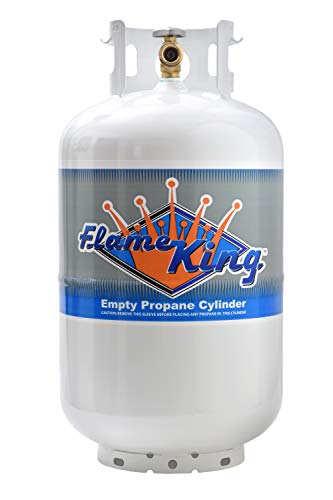
Flame King YSN-301 30 lb Steel Propane Tank (White)

Flame King YSN201b 20 lb Steel Propane Tank (White)

Flame King 10 lb Steel Propane Tank (White)

30 lb Propane Tank Cylinder with OPD Valve 7.1 Gal
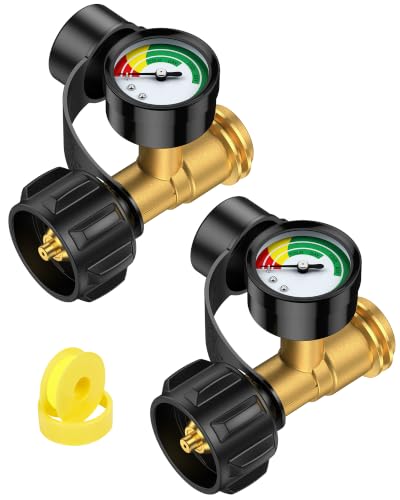
GasXpert Propane Tank Gauge Level Indicator 2-Pack

Black RV Trailer Propane Tank Cover Dual 30 lb

Camco Vertical Two Stage Propane Regulator 4-Pack
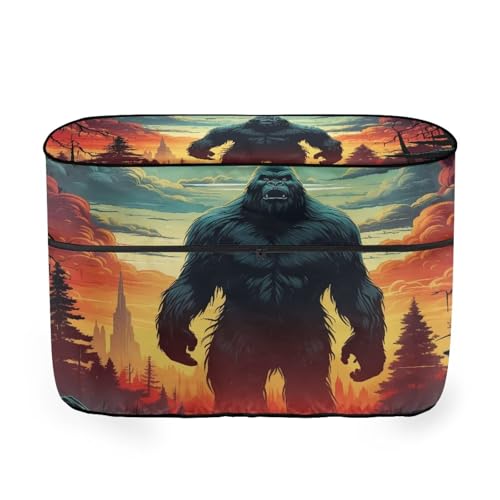
Brosoneto Bigfoot Print RV Propane Tank Cover

SUITOSELFY American Flag Print RV Propane Tank Cover
Meet The Standout Selections
This is the 30 lb cylinder most people picture when they think about RV propane: a tall, white steel bottle with a Type 1 OPD valve up top. The OPD valve (Overfill Prevention Device) is the safety feature most refill stations now require by law, and its absence can mean a refusal at the pump.
Flame King builds the YSN-301 from high-grade welded steel and finishes it with a powder coat that shrugs off rain and road grime. DOT and Transport Canada certifications, along with hydrostatic and x-ray testing, point to a tank designed to handle repeated fills without complaint.
The Case For It
- 30 lb capacity keeps an RV fridge, furnace, and stove running for long weekends without a swap
- Type 1 OPD valve pre-installed, so refills go smoothly at virtually any US station
- Powder-coated steel body resists corrosion in coastal or wet climates
- DOT and TC certified, with hydrostatic and x-ray testing for safety
Trade-Offs Worth Knowing
- Arrives empty and requires a trip to a refill station or a propane dealer before first use
- Heavier than 20 lb tanks, so you’ll feel the weight lifting it into an RV compartment
Whose Garage It Belongs In
Full-time RVers and homeowners running a backup generator who need long runtime between fills.
Swap It Out When
Pick the Flame King YSN201b 20 lb instead if you only run a backyard grill and want a lighter carry.
The 20 lb tank is the default size for gas grills, and Flame King’s YSN201b fits that role without surprise. You get the same welded steel construction and OPD valve found on the larger YSN-301, just in a smaller, easier-to-handle package.
For tailgates, patio dinners, and emergency cooking during a power outage, this is the cylinder most households reach for. Owners commonly report that the powder-coated finish holds up well to garage storage, though it scratches if you drag it across concrete.
Good Reasons To Consider
- 20 lb size is manageable for most people to carry when full
- Pre-purged and vacuum-ready for first-time filling
- Wide compatibility with standard grill regulators and camp stoves
Honest Caveats
- Shorter runtime than a 30 lb tank, so heavy grillers will refill more often
- The valve is brass-toned and can tarnish if stored in a humid garage, so a quick wipe-down now and then helps
Key Specs
Right Fit For
Backyard grillers and casual campers who want a no-fuss standard propane tank.
Reach For A Different Pick When
Choose the Flame King YSN-301 30 lb tank if your RV or generator demands longer runtime between fills.
Sometimes bigger isn’t better. The Flame King 10 lb is the friend you bring on a car-camping trip, an ice-fishing weekend, or a quick backyard fire pit night. Its 10.51 lb actual propane capacity keeps it legal as a portable cylinder while still giving you meaningful burn time.
You’ll see this tank called both a “10 lb” and “11 lb” in industry listings, which is a quirk of how propane weight is measured. Same cylinder either way. The OPD valve and DOT approval follow the same path as Flame King’s larger tanks.
What Earns Its Place
- Compact size fits in truck cabs, boat lockers, and small RV compartments
- Compatible with most camp stoves, fire pit tables, and portable heaters
- Same DOT-tested construction as the brand’s larger tanks
Practical Considerations
- Small fuel capacity means more frequent swaps on long trips
- Not suitable for whole-appliance RV systems that demand longer runtimes
Made For
Campers, overlanders, and patio fire pit owners who want easy portability over long runtime.
Where Another Pick Suits Better
Go with the Flame King YSN-301 30 lb tank if you need to run a full RV propane system for a weekend.
This unbranded 30 lb tank earns attention for the dimensions and fittings printed on the spec sheet, not a flashy name. At 12.3 inches in diameter and 23.4 inches tall, it sits as a slightly stubbier cylinder than some competitors, which helps in tight RV compartments and catering trailers.
The 240 PSI service pressure rating and 3/4″ NGT threading (National Gas Taper, a standardized thread used on larger propane tanks) cover most commercial fittings, and the integrated collar handles are a real back-saver when moving a full cylinder around a job site. Compared to the Flame King YSN-301, this one leans more toward industrial use cases than weekend camping.
Features That Help
- 7.1 gallon capacity gives roughly 33% more fuel than a 20 lb tank
- Collar handles make lifting and transport easier than top-handle-only designs
- 3/4″ NGT threading matches common industrial regulators and fittings
- 240 PSI service pressure supports high-demand appliances like commercial heaters
Details To Watch
- No listed brand means warranty support relies on the retailer, which may be limited
- At a 24 lb tare weight (the empty cylinder weight before fuel), it’s heavier than some alternatives when empty
Feature Snapshot
Best Suited To
Caterers, food truck operators, and shop owners running industrial propane heaters or portable generators.
Skip It When
Pick the Flame King YSN-301 30 lb tank instead if you value a recognized brand and consistent warranty support.
Guessing how much propane is left in a tank by weight or tapping the side is an old-school trick that fails often. The GasXpert gauge takes the guesswork out by giving you a color-coded dial right on the tank valve. Green means you’re fine, yellow means low, red means cook that last burger now.
Where it stands out is the three-temperature scale. Most budget gauges assume a mild day and lie to you in cold weather or peak summer heat. GasXpert adds hot, cool, and cold scales so the reading adapts to the season, which matters when you’re running a 30 lb tank through a winter in an RV or a July backyard cookout.
Standout Benefits
- Color-coded reading is faster than shaking or tilting a tank to estimate fuel
- Three temperature scales keep readings honest in summer heat and winter cold
- Universal QCC Type 1 inlet fits 5 to 40 lb DOT tanks, so it works on the tanks covered above
- Built-in leak detection function adds a layer of safety
Room For Improvement
- Adds height above the valve, which may not fit under low-profile tank covers
- Two-pack is great for households with multiple tanks, but a single-tank owner might find one gauge plenty
Quick Technical Notes
Who It Suits Best
Anyone who runs a 30 lb tank through the seasons and wants a clear, fast reading instead of guessing.
Look Elsewhere When
Pick the Flame King 10 lb tank if portability matters more than monitoring fuel across long sessions.
Twin 30 lb tanks on the tongue of an RV take a beating from sun, road salt, and the occasional tree branch. The Knextrepoy cover slips over both cylinders as a single unit, shielding them from UV damage, road spray, and dirt while the camper sits in storage or rumbles down the highway.
The medium-double 30 lb size fits the Flame King YSN-301 cylinders discussed earlier, with the cover measuring 27.5 inches long by 12.5 inches wide by 23.6 inches tall. The oxford fabric build keeps it light enough to handle one-handed, which matters when you’re wrestling a cover over hot tanks in summer.
Positive Points
- Oxford fabric is lightweight yet durable against rain and UV
- Cuts down on sun damage and fading on tank paint during long-term outdoor storage
- One-piece dual-tank design keeps both cylinders looking uniform on the trailer
Possible Compromises
- Plain black finish offers no pattern, so it won’t match a decorated trailer style
- No zipper mentioned in the source, so accessing valves means lifting the cover
Right Fit For
Full-time RVers and seasonal campers who park outside and want basic weather defense for their twin tanks.
A Better Fit Elsewhere
Pick the Brosoneto Bigfoot Print cover if you want a pattern that adds personality to the trailer.
A regulator is the unsung hero of any RV propane system, and Camco’s vertical two-stage model handles the pressure drops that cause furnace flame failures and fridge cycling issues. Two-stage regulators reduce tank pressure in two steps, smoothing the flow that single-stage units struggle to maintain.
The 1/4-inch female NPT (National Pipe Thread, a tapered thread standard for plumbing fittings) inlet and 3/8-inch female NPT outlet cover most RV pigtail and manifold setups. The four-pack is genuinely useful for RV owners running a dual-tank setup plus a spare, or for a small fleet of campers.
What Pays Off
- Two-stage design keeps gas pressure steady even when one tank runs low
- ACME thread compatibility works with both 20 lb and 30 lb tanks, including the Flame King models above
- Four-pack suits dual-tank RV setups with spares
Less-Strong Areas
- Not all RV systems need four regulators, so casual shoppers may end up with extras
- Vertical mounting orientation requires a clear bracket or standoff space
Who Will Love This
RV owners replacing aging regulators or building out a new dual-tank propane system from scratch.
Not Your Match When
Pick the Flame King YSN201b 20 lb tank if you only need a standalone cylinder without a regulator swap.
A propane tank cover doesn’t have to be a plain black sleeve. The Brosoneto version dresses up your RV’s tongue with a printed design, and the Bigfoot pattern is one of several options. It still does the job of shielding tanks from weather, just with personality built in.
The medium-double 30 lb size lines up with the same Flame King YSN-301 cylinders covered earlier. Polyester fabric construction stands up to rain, snow, and dust, and the zippered front panel makes swapping or servicing tanks straightforward without dragging the whole cover off.
Where It Helps
- Bigfoot and other patterns add visual interest to an otherwise plain trailer tongue
- Polyester fabric resists water, UV, and dust across seasons
- Zippered front offers easier valve access than lift-off designs
Points To Keep In Mind
- Printed fabric may fade faster than solid colors in direct, year-round sun exposure
- Pattern preferences are subjective, so the Bigfoot look won’t appeal to everyone
Best Suited To
Campers who want their rig to stand out at the campground and care about aesthetics as much as function.
Consider Something Else When
Pick the Knextrepoy Black RV Trailer cover if you prefer a low-key, no-pattern look that hides scuffs.
The SUITOSELFY cover leans into patriotic style with a 250th anniversary American flag print and “We the People” wording. It’s a cover that doubles as a statement, especially around July 4th rallies and veteran-owned campgrounds.
Underneath the design, the build follows the same pattern as the other covers in this list: polyester fabric, weather-resistant treatment, and a zippered front for valve access. The medium-double 30 lb size fits the Flame King YSN-301 cylinders, which makes a matched set easy to assemble.
The Good Stuff
- Distinctive flag print stands out at gatherings and rallies
- Zippered front allows valve access without removing the whole cover
- Polyester fabric construction handles rain, snow, and sun exposure
- Three sizes available, so you can match dual 20 lb or dual 40 lb setups too
Trade-Offs To Consider
- Bold print may not suit everyone’s taste and limits resale appeal if you sell the rig
- Patterned fabric tends to show dirt more visibly along the lower edge near the road
Who Should Grab It
Rally-goers, veterans, and campers who enjoy themed rigs and want a tank cover with personality.
Wrong Turns To Avoid
Pick the Knextrepoy Black RV Trailer cover instead if you want a neutral look that won’t clash with future trailer upgrades.
What Matters Most Before Choosing 30 Lb Propane Tanks
Capacity vs. Portability Trade-Offs
A 30 lb tank holds about 7 gallons of propane and runs an RV furnace and fridge for a long weekend, while a 10 lb tank cuts weight but doubles your refill frequency on the road. For most RVers and homeowners, the 30 lb size is the sweet spot between runtime and manageable weight. Smaller tanks still earn their place for backseat cargo or short camping trips.
Safety Certifications and Valve Type
Look for a Type 1 OPD valve (Overfill Prevention Device) on any modern tank, since most US refill stations will refuse service without it. DOT certification, plus hydrostatic and x-ray testing, tells you the cylinder was built to handle pressure cycles over years of use. Powder-coated steel finishes add a layer of rust defense that matters for outdoor storage.
Accessories That Change Daily Use
A gauge like the GasXpert removes the guesswork from fuel checks, while a Camco two-stage regulator smooths gas flow for RV appliances. Tank covers extend the life of paint and valves against UV and road grime. None of these are required, but each solves a real annoyance that comes up after a few months of ownership.
Matching the Tank to the Appliance
RV propane systems, commercial heaters, and portable generators all have different flow demands. Confirm your regulator and fittings match the tank’s valve type before you commit, especially when pairing a 30 lb tank with high-demand appliances.
Key Considerations Across These Picks
Mistakes Worth Dodging
Skipping the OPD valve check is the most common slip-up, and a tank without one will get turned away at most refills. Another trap is buying a cover in the wrong size, since the medium-double 30 lb option runs 23.6 inches tall, not the shorter 18.5 inches of the small-double 20 lb version. Measure your tanks before ordering, especially when you have a non-standard setup.
When Paying More Pays Off
Higher-tier cylinders often include thicker steel, better powder coat, and cleaner welding that holds up over years rather than seasons. Premium regulators like the Camco two-stage add smooth pressure control that cheaper single-stage units struggle to match under heavy RV load. Spending up makes the most sense when the tank runs an appliance you depend on, like a furnace in winter or a fridge in a food truck.
Frequently Asked Questions
How long does a 30 lb propane tank last?
Runtime depends on the appliance. A standard patio burner pulls through a 30 lb tank in roughly 15 to 20 hours of continuous use, while an RV furnace cycles and stretches the same tank across several days of cold nights.
Can you refill any 30 lb propane tank?
Only tanks with a Type 1 OPD valve and current DOT certification will be refilled at most US stations. Tanks without OPD or with expired recertification dates will be turned away for safety reasons.
Do propane tank covers really make a difference?
Yes, especially for tanks stored outdoors. Covers block UV that fades paint and degrades valve seals, and they keep road grime and bird droppings off the cylinder finish. Owners in sunny climates see noticeably longer paint life with a cover.
Is a 30 lb tank safe for indoor appliances?
A 30 lb tank is rated for outdoor appliances or RV exterior compartments with proper ventilation. Never use it indoors or in enclosed spaces without venting, since propane needs air to disperse safely in case of a leak.
How often should a propane tank be recertified?
DOT tanks require recertification every 12 years from the manufacture date, marked on the collar. After that, a visual or hydrostatic recheck keeps the tank in service for additional five-year intervals depending on the inspection type.
Final Verdict
A reliable 30 lb propane tank is one of those unglamorous purchases you’ll lean on for years, so picking the right cylinder, gauge, and cover pays off every season. Start with the tank that matches your appliance and runtime needs, then layer in accessories that solve the small annoyances: fuel guessing, pressure drops, and weather wear. The picks above cover the common scenarios, so trust your use case and go from there.