
Arriving at camp after a long drive and wrestling with poles for twenty minutes can sour a weekend before it starts. Pop-up style shelters flip that script, letting you focus on the fire, the view, and the people you came with. The six options below cover backpacking trips, family weekends, beach days, and backyard forts, so you can match the shelter to your actual trip instead of the other way around.
A Side-By-Side Look

Coleman Kids Wonder Lake Tent with Rainfly

ALPS Mountaineering Lynx 2-Person Tent
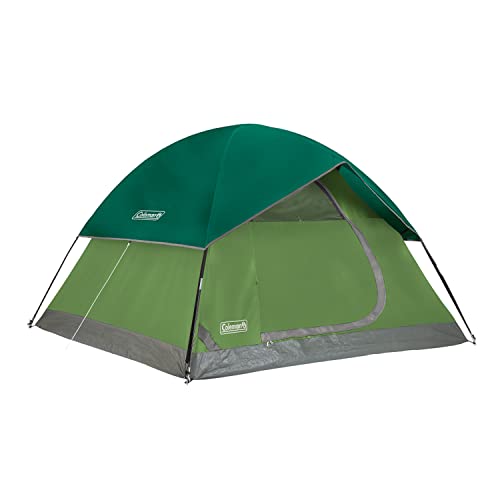
Coleman Sundome Tent (2 or 3 Person)

Gazelle T4 Portable Pop Up Camping Tent

Forceatt Waterproof 2-Person Backpacking Tent

EchoSmile Instant Pop Up Camping Tent
More Details On Our Top Picks
Built for giggles more than gear-heads, the Wonder Lake sets up in around ten minutes with a straightforward conventional pitch, leaving more time for flashlight tag than instruction-reading. The glow-in-the-dark accents inside the canopy turn a backyard sleepover into a small event, and the 7-by-4-foot floor with a 3-foot center height fits two small campers comfortably.
Compared to the EchoSmile and Gazelle pop-ups further down this list, this one takes longer to pitch, but the welded corners, inverted seams, and included rainfly handle a passing shower without drama. You also get a carry bag that swallows the whole tent for closet storage between trips.
What Works In Its Favor
- Glow-in-the-dark ceiling panels give kids a real reason to crawl inside at dusk
- Welded corners and inverted seams keep light rain from sneaking through
- Frame is rated for winds above 35 mph, unusual at this playful price tier
- Included carry bag makes garage or closet storage painless
- Conventional pole layout helps kids learn a real camping setup, not just a gimmick
Honest Caveats
- The 3-foot peak means adults sit hunched for the entire evening
- Polyester shell can run warm in still, humid summer air without a breeze
- Toy-like sizing makes it a poor fit for teen sleepovers that stretch into adult territory
Whose Tent This Is
Younger kids hosting backyard sleepovers, and parents who want a first tent that feels like a small adventure rather than a chore.
Where Another Pick Suits Better
Adult backpackers should reach for the ALPS Mountaineering Lynx 2-Person Tent instead, since the Lynx offers taller ceilings and lighter pack weight for trail duty.
Where the Coleman Wonder Lake is built for laughs, the Lynx is built for mileage. Aluminum poles, half-mesh sidewalls, and a two-pole rectangular dome design shed grams while letting a real breeze flow through, which matters more than any single spec on a humid ridge.
The pole-clip attachment system speeds camp setup once you’ve done it a few times, though the first pitch may take a few practice minutes in the driveway. For backpackers who count pack weight and want a reliable shelter rather than a magic trick, the Lynx fits the brief in a way most pop-up tents don’t.
Points In Its Favor
- Aluminum poles trim pack weight compared to fiberglass alternatives
- Mesh covers half of each wall, so condensation has somewhere to go
- Pole clips let you adjust tension without complicated threading
- Freestanding rectangular dome stands up on rocky or root-tangled ground
Things To Consider
- Not a true pop-up, so first-time pitches will run longer than 3 seconds
- Two-person floor gets cozy fast with two full-size sleeping pads and gear
- Lighter materials can flap audibly in steady wind above tree line
Feature Card
Who This Shelter Fits
Backpackers planning overnight or weekend trips who want aluminum-pole reliability and don’t need a true pop-up.
Swap It Out When
Families with kids heading to a campground will find the Coleman Sundome easier to pitch and friendlier on the budget.
The Sundome has been a driveway-and-campground staple for a reason. WeatherTec construction targets the same rainy weekend every family eventually faces, and snag-free continuous pole sleeves cut the usual “where does this go” friction down to almost nothing.
Available in 2- and 3-person footprints, it covers most first-family-camping scenarios without forcing a choice between cramped and oversized. Compared to the Wonder Lake earlier, the Sundome offers a more grown-up feel without abandoning the easy-pitch promise, and compared to the Gazelle further down, it weighs less in the trunk.
Good Reasons To Consider
- WeatherTec system aims to keep interior dry during a steady rain
- Continuous pole sleeves reduce snag points for first-time setup
- Two size options let you match capacity to family size
- Compact packed size fits behind a car seat for road-trip storage
Some Limits To Know
- Not a true 3-second tent, meaning new campers should budget practice time
- Window ventilation is modest, so muggy nights can feel close
- Floor space gets tight once you add cots and a dog bed
Made For
First-time family campers who want a forgiving, familiar shelter without paying for instant-pup hardware.
Reach For A Different Pick When
If absolute instant pitch matters more than weather engineering, the EchoSmile Pop Up delivers the toss-and-go experience the Sundome intentionally skips.
The Gazelle T4 leans on a pre-assembled hub that pops from bag to basecamp in around 90 seconds, which is the closest thing to true instant pitch on a four-person footprint. Orange polyester walls stand out on a crowded beach, and mesh screens let lake breezes roll through on hot afternoons.
Compared to the Wonder Lake and Sundome above, this one trades single-night simplicity for day-party room. A removable floor, rain fly, and broad coverage make it a common pick for tailgates, beach weekends, and quick overnights where adults and gear both need elbow space.
Advantages To Know
- Hub design trims setup time to about a minute and a half
- Four-person floor handles a family plus beach bags
- Removable floor lets you sweep out sand and grass easily
- Mesh windows and screened walls improve airflow in warm weather
Where It May Fall Short
- Packed size and weight are bigger than the Sundome, so trunk space matters
- Polyester construction can feel hot under direct sun without shade
- Pop-up hub design needs folding practice before it fits back into the bag
Feature Card
Right Fit For
Families and groups heading to a beach weekend or tailgate who want pop-up speed and don’t mind a larger carry bag.
Not Your Match When
Solo backpackers and trail hikers should look at the Forceatt 2-Person Tent, which carries far more comfortably over distance.
The Forceatt targets the gap between ultralight cottage tents and heavy car-camping shelters, packing two D-shaped doors, two vestibules, and a 43-inch interior peak into roughly 5.5 pounds. Aluminum poles and taped seams push the design into real three-season weather handling.
Unlike the instant pop-ups on this list, the Forceatt asks for a few minutes of setup, but rewards you with pack-friendly dimensions and a two-door layout that prevents the usual midnight zipper negotiation. Most thru-hikers will find the carry size reasonable for weekend loops.
The Case For It
- Two doors and two vestibules keep gear dry and reduce elbow fights
- Aluminum poles hold up better than fiberglass in repeated use
- Interior height near 43 inches lets most adults sit up comfortably
- Lightweight enough for multi-day routes where ounces add up
Practical Considerations
- Not a pop-up, so setup is closer to 5 to 10 minutes the first time
- Tall hikers over six feet may brush the ceiling near the peak
- Stakes and guy lines often need separate attention on windy ridgelines
Feature Card
Who Should Grab It
Backpackers and thru-hikers who want real three-season weather handling in a pack-friendly package.
Where A Sibling Pick Shines
Campers who never leave the car should consider the Gazelle T4 instead, since its pop-up hub and removable floor suit car-side pitching better.
The EchoSmile is the closest thing on this list to the literal “3 second” pitch. Remove the straps, toss it into the air, and the spring-loaded frame opens itself, which is genuinely useful when the kids have stopped helping and the rain is starting.
Available in 2-, 4-, and 6-person footprints, it scales from quick toddler-nap shade to festival-base camp. The trade-off shows up in the pack shape, which is a flat disc rather than a slim bag, so car-trunk space matters more than pack weight here.
Useful Touches
- True toss-and-go setup that works even on a tired brain
- Multiple size options cover solo shade or family festival duty
- Bright color choices stay visible in crowded camp areas
- Pop-down folding pattern gets easier after a few practice runs
Points To Keep In Mind
- Folding the tent back into the disc takes patience the first few tries
- Lightweight terylene shell is best for fair-weather festival weekends
- Disc carry shape eats more trunk space than the Sundome’s pole bag
Feature Card
Best Suited To
Festival-goers, beach-day families, and anyone whose pitch window is measured in seconds rather than minutes.
Where Another Pick Suits Better
Multi-day backpackers will get more value from the Forceatt 2-Person Tent, which handles trails where a disc-shape carry would be impractical.
What To Weigh Before Choosing A Pop Up Shelter
Match The Tent To The Trip
The fastest way to regret a tent purchase is picking the wrong category. Backyard sleepovers and playground shade call for instant pitch and forgiving footprints, which is where the EchoSmile and Wonder Lake earn their keep. Weekend car camping opens the door to roomier hubs like the Gazelle T4. Backpacking days demand real weather protection and pack-friendly weight, which is the Forceatt and ALPS Lynx zone. Think about how often you’ll move the tent versus how often you’ll park it.
Read The Weather Specs Honestly
A 3-second pitch loses its shine when the rainfly leaks. Look for welded seams, inverted stitching, and rainfly inclusion rather than relying on the headline setup speed. WeatherTec systems, taped seams, and full-coverage rainflies each cost ounces and dollars, but they turn a fair-weather shelter into a three-season one. For shoulder-season trips, prioritize wind-rated frames and sealed floors over tent volume.
Check The Practical Footprint
Pitch speed gets the marketing, but pack size, stake requirements, and fold-down difficulty decide whether the tent actually comes on the trip. Disc-shaped pop-ups eat trunk space, while traditional pole tents often fold into slimmer bags. If you’re juggling kids, dogs, and coolers, that fold-down routine matters as much as the original pitch.
Smart Shopping Notes
Common Buying Slip Ups
The biggest miss in this category is treating all pop-ups the same. A true spring-loaded pop-up like the EchoSmile behaves nothing like a hub-design tent like the Gazelle T4, which behaves nothing like a traditional pole tent with continuous sleeves. Read the setup description, not just the headline, and picture yourself actually performing the pitch after a long drive.
Where The Higher Price Goes
Spending more in this category usually buys lighter materials, better weather sealing, and roomier footprints, not a meaningfully faster pitch. Premium tents tend to add taped seams, aluminum poles, and dual doors rather than a new pitch mechanism. For most casual campers, the upgrade pays off in longevity and weather confidence, while speed-only seekers often do fine at the entry level.
Frequently Asked Questions
How fast is a true 3 second tent?
A spring-loaded pop-up tent like the EchoSmile really does open in seconds once you remove the straps and toss it. Hub-style tents such as the Gazelle T4 take closer to 90 seconds, and conventional pole tents usually need 5 to 15 minutes depending on experience.
Are pop up tents OK for rain?
Some are, some aren’t. Look for welded seams, inverted stitching, and an included rainfly rather than relying on the pop-up mechanism itself. Models like the Gazelle T4 and the Coleman Sundome prioritize weather sealing in addition to speed.
How many people fit in a 4 person tent?
A 4 person footprint generally sleeps four on pads without much gear room, or two adults plus bags comfortably. Families often step up a size when kids, dogs, or coolers come along.
Can kids pitch these tents?
Yes, and that’s a big part of the appeal. The Coleman Wonder Lake and EchoSmile are friendly first tents for children, though adult supervision helps with stakes and folding.
How do you fold a pop up tent back up?
For spring-loaded models like the EchoSmile, twist the tent into a figure eight, then fold it flat before sliding it back into the disc carry bag. Practicing in the driveway once turns the first frustrating fold into a 60-second routine.
The Takeaway
A 3 second tent is really a shorthand for low-friction camping, and the right pick depends on whether your friction comes from a toddler, a long hike, or a wet forecast. Match the tent’s strengths to your actual trip, and the quick-pitch promise stops being a gimmick and becomes the reason the weekend starts on time.