
Spring, summer, and fall backcountry nights demand insulation that breathes when the sun drops and traps heat when the wind picks up. A solid 3 season sleeping bag handles shoulder-season frost, humid valley evenings, and high-elevation summers without weighing your pack down. For families car camping and solo backpackers alike, the right bag turns a restless night into the kind of sleep that makes the next mile feel shorter.
The Choices Worth Comparing

Copper Pearl Baby Sleep Sack 18-24 Months (River)
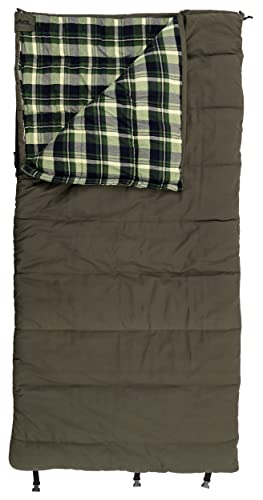
ALPS OutdoorZ Redwood -25 Sleeping Bag

PTEROMY Lightweight Backpacking Sleeping Bag

Naturehike Double Sleeping Bag with Pillows
What Each Pick Brings To The Table
A wearable sleep sack for toddlers fits into a different gear category than adult camping bags, but it earns its spot in any family camping conversation. The Copper Pearl River layer uses a knit construction with a plush inner fill and just enough stretch to move with a restless 18-to-24-month-old.
Unlike the heavier adult options further down this list, this piece is built for climate-controlled nursery sleep as much as a cool weekend at the grandparents’ cabin. A TOG rating (a thermal grade that tells you how warm a layer traps heat) helps caregivers dial in comfort across shifting seasons.
Real-World Strengths
- Knit fabric breathes well during warm toddler naps without trapping excess heat.
- Sleeveless cut gives little arms room to move, reducing the mid-sleep squirm cycle.
- Multiple TOG options let caregivers match warmth to seasonal room temperatures.
- Stretch-knit construction mimics the brand’s swaddle feel for familiar comfort.
Points To Keep In Mind
- Not a true outdoor sleeping bag, so it lacks insulation for unheated tent camping.
- Sizing runs specific to a narrow age window, limiting how long it lasts in rotation.
Right Fit For
Parents of toddlers between 18 and 24 months who want a wearable nursery layer that doubles as soft travel bedding for grandparent visits.
Reach For A Different Pick When
Solo backpackers planning real trail miles should reach for the PTEROMY Lightweight Backpacking Sleeping Bag instead, since it is built for adult outdoor use.
The Redwood sits at the heavy end of the spectrum, a rectangular bag with serious cold-weather credentials. Its Techloft fill uses siliconized micro-denier fibers (very fine synthetic threads treated to repel moisture) that hold loft even after repeated compression in a truck-bed duffel.
Compared to the lighter PTEROMY that follows this review, the Redwood trades packability for thermal headroom. Late-season hunters, ice anglers, and winter base-campers tend to appreciate the extra wiggle room in a wide rectangular cut.
Features That Help
- Oversized rectangular shape lets sleepers shift, stretch, and store extra layers inside.
- Siliconized synthetic fill resists moisture and recovers loft in damp shoulder-season conditions.
- Heavy-duty construction stands up to rough storage in truck beds and gear sheds.
- Cold-rated build covers shoulder-season trips well below what standard bags handle.
Trade-Offs To Consider
- Bulk and weight make it a poor match for long-distance backpackers.
- Synthetic loft compresses larger than down, so storage space becomes a real planning factor.
- Heavier build can run warm during early fall shoulder-season trips above freezing.
Key Attributes
Who Will Love This
Late-season hunters and base-campers in cold climates who prioritize warmth over pack weight.
Swap It Out When
Spring and summer backpackers chasing mileage should swap to the PTEROMY Lightweight Backpacking Sleeping Bag, which trims pounds for trail-friendly travel.
PTEROMY targets the middle of 3 season use with a comfort range that lines up with most spring, summer, and fall trips. The cut stretches 7 feet 2 inches long, which gives taller sleepers room to stretch without compressing the footbox.
Where the Redwood leans into raw warmth and bulk, this bag keeps things lean. Owners who have washed it at home report that the construction holds up well to standard machine cycles, which matters when trail dust and campfire smoke start to build up.
Bright Spots
- Comfort range of 50°F to 80°F handles most 3 season conditions without overheating.
- Machine-washable build simplifies post-trip cleanup at home.
- Generous 7-foot-plus length fits adults up to 6’7″ without cramping.
- Water-resistant outer shell sheds light moisture on damp tent nights.
Honest Caveats
- Lower comfort limit around 40°F may leave cold sleepers underdressed on shoulder-season nights.
- Lightweight construction means less interior room than the ALPS OutdoorZ Redwood.
Who Should Grab It
Solo backpackers and casual campers who want a versatile bag that handles most 3 season weather without adding serious pack weight.
Look Elsewhere When
Couples sharing a tent should look at the Naturehike Double Sleeping Bag, since the wider footprint serves two sleepers far better than any single bag on this list.
The Naturehike double bag unfolds to roughly 87 by 63 inches, which lands larger than a standard queen mattress. A separate bottom zipper lets feet poke out on warm nights, and included pillows keep packing simple for couples and families.
The 210T pongee shell (a tightly woven polyester that resists light moisture) carries a splash-proof treatment that holds up against tent condensation. Unlike the trail-focused PTEROMY, this bag is built for car camping and cabin setups where space and comfort matter more than grams saved.
Benefits That Matter
- Queen-plus footprint sleeps two adults or a parent with kids comfortably.
- Built-in pillows remove gear-list clutter for short family trips.
- Split bottom zipper helps regulate temperature on warm summer nights.
- Splash-proof shell shrugs off dew and minor tent moisture.
Worth Bearing In Mind
- Size and weight rule out backpacking use beyond short walks from the car.
- Storage in smaller apartments may feel tight during the off-season.
Best Suited To
Couples and families car camping who want shared space and a setup that takes seconds rather than a sleeping-pad puzzle.
Not Your Match When
Solo backpackers hauling gear up real climbs should pick the PTEROMY Lightweight Backpacking Sleeping Bag instead, since the Naturehike bulk won’t fit a pack-friendly loadout.
Choosing A 3 Season Sleeping Bag That Actually Works For You
Match The Rating To Your Lowest Expected Night
A bag’s temperature rating tells you the lowest air temperature at which the insulation should keep an average sleeper comfortable. In 3 season use that often means nights dipping into the 30s and 40s at altitude. Spring alpine trips and late-fall shoulder weekends push harder than summer valley camping, so plan for the worst night on the trip, not the average.
Fill Material Changes Everything
Synthetic insulation like the Techloft in the ALPS OutdoorZ Redwood resists moisture and dries fast on damp trips. Down insulation (fine feathers from geese or ducks) compresses smaller and weighs less but loses loft when wet. Your local climate and trip length should drive that call more than specs alone.
Shape And Sizing Drive Sleep Quality
Mummy bags (tapered, hooded cuts that hug the body) trim weight but restrict movement. Rectangular bags like the Redwood and Naturehike double give room to sprawl but pack larger. Sizing matters most for tall sleepers, since a cramped footbox leads to cold feet by midnight.
Weight And Packability For Your Style
Backpackers usually cap sleep systems around 3 to 4 pounds to protect their total load. Car campers can ignore that limit entirely, which is why the Naturehike double works fine for family weekends. Match the bag’s packed size to the space you actually have.
Mistakes Worth Dodging And Where The Extra Money Goes
Pitfalls Shoppers Hit
Buying a bag rated for far colder weather than your typical trip often backfires. An over-warm bag on a 60°F night leaves you sweating, clammy, and miserable. Conversely, chasing the lightest possible fill at the expense of insulation leaves you shivering through shoulder-season frost.
When Paying More Pays Off
Higher-end bags tend to use better shell fabrics, finer-denier insulation, and improved draft collars that block cold air from sneaking in around the neck. The upgrade shows up most on longer trips where small comfort gaps compound across multiple nights. For weekend warriors closer to home, a mid-tier option usually carries the same core warmth.
Frequently Asked Questions
What temperature range counts as 3 season?
Most 3 season bags cover roughly 20°F to 50°F at the comfort end, with summer-friendly ratings pushing up toward 60°F or higher.
Can a 3 season bag handle winter camping?
A true 3 season bag is not built for sustained winter use. The ALPS OutdoorZ Redwood extends deep cold capability, but most picks here work best in spring through fall.
How important is the sleeping pad underneath?
Very important, since the pad insulates from ground cold that the bag cannot block. Even the warmest bag feels cold without a pad with a solid R-value (a rating that measures insulation thickness).
Are rectangular bags warmer than mummy bags?
Not inherently. Rectangular bags like the Naturehike double and Redwood offer more room but often have less efficient fill than a snug mummy design.
How do I clean a 3 season sleeping bag?
Most synthetic bags, including the PTEROMY, handle gentle machine cycles. Down bags need specialized care or professional cleaning to protect loft.
Closing Thoughts
Your best pick depends on how you actually sleep outside. Backpackers chasing mileage want the PTEROMY, cold-weather hunters reach for the Redwood, couples and families settle into the Naturehike, and parents outfitting a toddler lean toward the Copper Pearl. Match the bag to your real nights, not the spec sheet fantasy, and every trip starts from a warmer, better-rested place.