
Choosing a shelter for four people means balancing weight, living space, weather resistance, and how fast you can get out of the rain. Most folks pull into a campground late on a Friday, kids are tired, and the last thing anyone wants is a tent pole puzzle in the dark. The picks below cover everything from ultralight backpacker shelters to roomy family cabins, so you can match the tent to how you actually camp.
A Quick View Of The Lineup
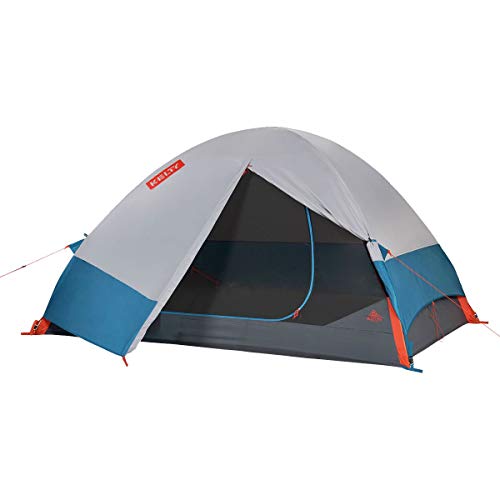
Kelty Late Start 4P Lightweight Backpacking Tent

Gazelle T4 Waterproof 4 Person Pop Up Tent

Naturehike Village Instant Cabin Tent
Naturehike Cape 4/6/8 Person Instant Tunnel Tent
Naturehike KOTA Double Layer Family Tent
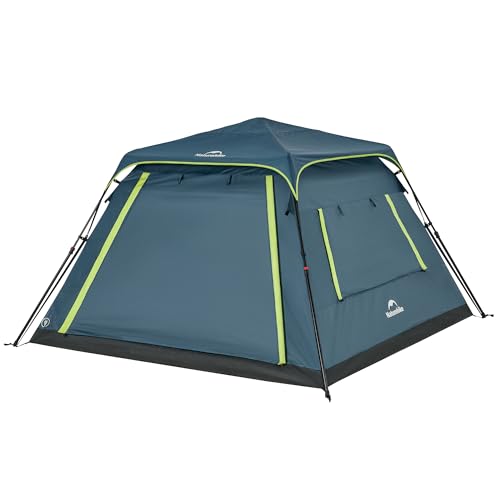
Naturehike Cape Lite Instant Cabin Tent
The Picks, Examined More Closely
Most 4-person tents lean toward car camping weight classes, but this Kelty is built for miles. The aluminum pole frame keeps the packed weight manageable, and the pre-bent geometry widens the floor so two adults can actually sleep without elbows touching. Pre-attached Quickcorners mean you can set up in low light without fumbling with separate pole pockets.
You trade interior volume for trail-friendly weight here, so packing a four-person shelter into a backpack is doable for two people sharing the load. Day hikers entering the backcountry and bikepackers carrying kit for an overnight will get the most from the design. For a stationary weekend at a developed campground, you might prefer a cabin-style option with more vertical walls.
Strong Points
- Quickcorner setup makes pitching fast in low light or windy conditions.
- Aluminum poles cut packed weight compared with fiberglass alternatives.
- Waterproof polyester fly handles seasonal rain on spring and fall trips.
- Pre-bent geometry widens the floor, giving two sleepers usable elbow room.
- Stash-friendly pack size fits into panniers or larger backpacking loads.
Trade-Offs
- Four-person capacity is snug: gear stays in vestibules, not inside.
- Lighter fabric can show wear at stake points after heavy seasonal use.
Key Specs
Who Should Grab It
Backpackers and bikepackers covering real distance who still want room for two sleepers and shared gear.
Reach For A Different Pick When
Stationary family campers who want standing height should look at the Naturehike Village Instant Cabin Tent instead.
The Gazelle T4 takes a different approach from the Kelty above, trading backpacker weight for pure setup speed. A pre-assembled hub system pops out into shape, the roof panel rises, and the shelter is standing in well under two minutes. The removable floor and mesh screens turn it into a versatile base for festivals, beach weekends, or backyard sleepovers.
In real-world use, you get a near-instant shelter when you arrive at a site tired and ready to relax. The trade-off shows up in packed size: the carry bag is bulky, so this tent lives in a trunk, not a backpack. For anyone prioritizing speed over portability, the T4 is hard to beat.
Why It Works Well
- Hub-based setup gets you from bag to standing shelter in seconds.
- Mesh screens keep airflow moving on warm afternoons.
- Removable floor adapts the shelter to ground conditions.
- Polyester build with rain fly handles unexpected showers.
Minor Gripes
- Bulky carry bag is awkward for transit in small vehicles.
- Not designed for backcountry hauling or long trail miles.
Whose Weekend It Belongs On
Festival goers, beach campers, and families who set up once and leave the tent in place for the whole trip.
Consider Something Else When
Backpackers needing trail-friendly weight should pick the Kelty Late Start 4P Lightweight Backpacking Tent.
The Village is a vertical-wall cabin designed for car campers who want to stand up inside. Pre-attached poles and an automatic structure cut setup time dramatically, so a family can roll into a campsite and have a livable shelter in roughly a minute. The 150D Ti Black fabric adds meaningful UV resistance, which helps on exposed summer sites.
You trade the compact pack of a backpacking tent for genuine headroom and floor space. Inside, there is room for cots, a small chair, and gear, which is the point of car camping. If your trips involve kids, dogs, and a cooler full of food, the cabin format simplifies the whole evening routine.
What Helps Most
- Pre-attached poles mean one-person setup is realistic.
- Vertical walls let adults stand up to change clothes.
- Full-coverage rainfly protects against wind-driven rain.
- Thicker fabric offers better UV resistance over sunny weekends.
Honest Caveats
- Larger packed size suits vehicles with cargo room, not sedan trunks.
- Heavier than tunnel or backpacking options by a wide margin.
- Storm performance depends on proper stake placement on soft ground.
Feature Snapshot
Made For
Families car camping who want standing room and a quick setup after dark on arrival day.
Skip It When
Travelers short on cargo space should consider the Naturehike Cape Lite Instant Cabin Tent instead.
The Cape takes a tunnel approach, prioritizing a long, low-profile footprint that resists wind and offers a generous interior. Unlike the vertical walls of the Village above, the Cape uses curved poles to create a tunnel that sleeps four comfortably with gear stashed at the foot of each pad. Pre-attached poles keep setup close to a minute.
You get more interior square footage per pack size, which is the appeal for groups sharing gear and food. In practice, the lower ceiling means adults crouch near the door but stand fully upright in the center. For trips where floor space matters more than standing height, this format is hard to argue with.
Key Advantages
- Tunnel design handles crosswinds better than cabin walls.
- Large floor footprint accommodates four pads plus shared gear.
- Pre-attached poles let one person handle setup solo.
- 190T polyester shell with PU3000mm coating shrugs off heavy rain.
Points To Note
- Lower peak height means less headroom than the Village cabin.
- Tunnel layout needs level ground to pitch correctly.
Quick Facts
Best Suited To
Groups of four wanting maximum floor area and wind-friendly geometry at a developed site.
Look Elsewhere When
Families needing standing height should pick the Naturehike Village Instant Cabin Tent instead.
The KOTA is the most modular option in this roundup, with a double-layer design that lets you use the inner mesh tent on warm nights or deploy the outer shell alone as a sun or rain canopy. That separation is genuinely useful: in shoulder seasons, the inner alone gives stargazing mesh ventilation, while the rainfly creates a covered living area on hot days.
Vestibules and a porch area extend the sheltered footprint beyond the sleeping footprint. You trade a heavier packed weight for a more versatile, basecamp-style setup. Families settling into one site for a week, or longer trips with variable conditions, will appreciate the flexibility.
Positive Points
- Inner mesh tent works alone on clear, warm nights.
- Outer fly functions as a sun or rain shelter independently.
- Vestibule and porch add dry storage for boots and packs.
- 75D 210T polyester shell with PU3000mm+ handles wet weather.
- Tall profile gives better headroom than tunnel layouts.
Worth Bearing In Mind
- Heavier and bulkier than single-layer competitors in this roundup.
- More parts to manage, so longer learning curve for first-time setup.
- Large footprint requires a generous tent pad or open site.
Core Details
The Right Fit
Families running a basecamp for a week or longer trips in mixed weather who value adaptability.
A Better Fit Elsewhere
Weekend campers wanting quicker setup should choose the Naturehike Cape Lite Instant Cabin Tent.
The Cape Lite simplifies the cabin formula. Pre-attached poles and an intuitive structure mean setup takes roughly a minute, which matters when you arrive at a campground after work and just want to crash. The footprint is compact enough for two adults and a couple of kids, plus a queen-size mattress fits inside.
A 62-inch peak height gives enough headroom to sit up comfortably and change clothes without crawling. You give up the modular versatility of the KOTA above, and the shelter leans toward shorter weekend trips rather than week-long basecamps. Small families and occasional campers tend to get the most from this profile.
Useful Highlights
- One-minute setup suits late-arrival weekends.
- Queen-size mattress fits inside comfortably.
- 62-inch peak height adds usable headroom for sitting.
- Compact packed size is easier on smaller vehicles.
A Few Limitations
- Smaller footprint than the Village or KOTA for larger groups.
- Single-layer design is less adaptable than modular options.
Perfect Match For
Small families and weekend campers prioritizing quick setup over maximum interior space.
Where A Sibling Pick Shines
Groups needing more modular weather options should pick the Naturehike KOTA Double Layer Family Tent.
Choosing The Right Shelter For Your Trips
Weight Versus Living Space
The first real tradeoff in 4-person tents is weight against interior comfort. Backpacking-oriented shelters trim ounces with thinner fabrics and shorter pole sections, which makes them easier to carry but tighter inside. Cabin and tunnel layouts add thicker fabric and pre-bent poles for headroom and floor area, at the cost of a bulkier pack. Matching the tent to how you travel, by car to a developed campground or by foot into the backcountry, prevents over- or under-buying.
Setup Style And Real-World Speed
Pre-attached pole systems, sometimes called instant tents, cut setup time down to under two minutes in most cases. Hub-based pop-ups go even faster, though they pack larger. Traditional pole-and-sleeve designs take longer but often pack smaller and weigh less. For families pitching in fading light or after a long drive, faster setup removes a real friction point.
Fabric And Waterproof Ratings
Denier (D) measures fiber thickness in the tent fabric, and a higher number generally means more abrasion resistance. The waterproof rating, measured in millimeters of hydrostatic head (the pressure water exerts before penetrating fabric), tells you how well the coated fabric resists rain. Ratings above PU2000mm handle most seasonal storms, while PU3000mm or higher is a smarter choice for sustained wet weather or shoulder-season trips.
Capacity And Floor Dimensions
A four-person rating usually means four people on pads in fair weather, not four adults plus gear. Checking the floor dimensions helps you figure out whether a queen mattress, four pads, or a combination of cots and pads actually fits. If you camp with kids and a dog, treat the rating as a starting point rather than a final answer.
Common Slip Ups And Smart Upgrades
Mistakes Worth Dodging
A common misstep is buying a 4-person tent and expecting it to sleep four adults with full gear inside. The honest read is that capacity ratings reflect sleeping pads, not stored packs, boots, and dog beds. Another trap is choosing the lightest shelter on the spec sheet without checking fabric weight: a low-denier fly saves ounces in the bag but can wear faster at stake points after multiple seasons.
Where The Extra Money Goes
Higher-tier models tend to buy thicker fabrics, stronger pole materials, and better waterproof coatings. Aluminum poles resist fatigue better than fiberglass, and PU3000mm coatings handle wet weather more reliably than PU1500mm ratings. Modular designs with separable inner and outer layers add versatility for mixed conditions. For trips where weather varies or the tent sees heavy use, those upgrades usually pay back over a few seasons.
Frequently Asked Questions
What does “3 season” actually mean for a tent?
A 3-season tent is built for spring, summer, and fall conditions with moderate rain and wind. It is not designed for heavy snow loads or sustained winter storms.
Can a 4-person tent fit a queen mattress?
Many 4-person tents are wide enough for a queen mattress, but check the listed floor dimensions to confirm. Cabin-style tents usually offer the most usable space.
How important is the waterproof rating?
It matters most if you camp in regions with sustained rain. PU2000mm or higher handles typical summer storms, while PU3000mm is safer for shoulder seasons.
Are instant tents harder to pack away than traditional tents?
Instant tents use pre-attached poles that fold with the tent body, so pack-down takes practice but becomes quick after a few uses. Owners commonly report a short learning curve.
Do these tents need a separate footprint?
A footprint (a groundsheet placed under the tent) extends floor life on abrasive ground, but it adds weight and bulk. Many campers skip it for casual weekends and add one for longer trips.
The Takeaway
A 3-season, 4-person tent comes down to how you actually camp: backpackers want the Kelty, festival and beach campers want the Gazelle, and families with a car want one of the Naturehike cabins or the modular KOTA. Match the tent to your trip, not the spec sheet, and your next camp setup will feel a lot easier at the end of a long drive.