
Camping in a rooftop tent turns a normal SUV or truck into a base camp on wheels. You park, pop the shell, and your bed is already made ten feet off the ground, away from curious wildlife and muddy ground. The picks below cover hard-shell aluminum options built for year-round use, plus spacious cabin-style ground tents for travelers who prefer pitching in a clearing rather than mounting gear.
The Main Contenders

JOYINRUTE Hard Shell Rooftop Tent with Winter Insulation

JOYINRUTE Aluminum Hard Shell Pop-Up Rooftop Tent

Naturehike Village Instant Tent for Car Camping
Naturehike Cape 4-8 Person Instant Camping Tent
Naturehike KOTA 4-8 Person Double Layer Family Tent
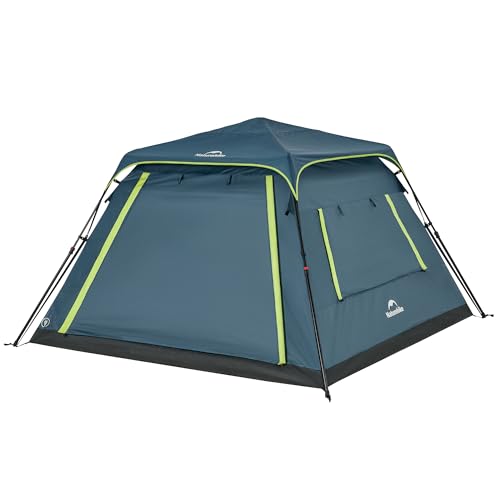
Naturehike Cape Lite 4-6 Person Instant Cabin Tent
Why These Options Stand Out
Four-season overlanders chasing snow-line camps tend to land on hard-shell rooftops first, and this JOYINRUTE model leads the list for a reason. The shell is built from aircraft-grade aluminum alloy (a high-strength metal originally formulated for aerospace use), which resists the warping that cheaper plastic shells show after a season of freeze-thaw cycles.
Inside, integrated winter insulation helps hold warmth on cold nights, and four hydraulic struts lift the lid smoothly once you release the latches. Compared with the second JOYINRUTE pick below, this one leans harder into cold-weather use, while the sibling option prioritizes the raw aluminum package without the added thermal layer.
Everyday Advantages
- Aluminum hard shell shrugs off UV exposure and holds shape through temperature changes
- Built-in insulation keeps cabin warmth closer to body heat in shoulder seasons
- Hydraulic gas struts mean no wrestling the lid up, which matters at altitude or after a long drive
- Mounted sleeping position keeps you off wet, rocky, or uneven ground
Things To Consider
- Rooftop tents require a crossbar-rated rack, adding cost and setup time before first use
- Aluminum shell adds weight to the vehicle, which can affect fuel economy on long highway stretches
- Insulation helps, but you still want a cold-rated sleeping bag for deep-winter trips
Who It Suits Best
Overlanders and SUV owners who camp past the first frost and want a permanent bed on the roof.
Consider Something Else When
Shoppers without a rated roof rack should look at the ground tents below, especially the Naturehike Village Instant Tent, which pitches in a clearing with no mounting required.
The sibling to the first pick drops the insulation package and leans fully into the aluminum shell story. For buyers focused on durability over thermal extras, this hard-shell rooftop tent is a cleaner fit. It still uses four high-strength hydraulic struts to lift the lid, and the aircraft-grade top panel keeps its shape through summer UV and winter cold.
Compared with the insulated JOYINRUTE above, this one sheds a layer and lets you manage warmth with your sleeping bag and liner. For three-season travel in mild-to-moderate climates, that is often the smarter trade.
Notable Upsides
- Hard aluminum panel handles highway speeds without the fabric flutter common on soft-shell rooftops
- Pop-up gas struts let you go from parked to bed-ready in a couple of minutes
- Lower profile than most soft shells, which helps with garage clearance and gas mileage
- Lockable hard shell adds a layer of security at trailheads and urban overnight spots
Worth Noting
- Without built-in insulation, cold nights require a heavier sleeping system
- Roof rack and crossbars must support the static weight, so verify your vehicle’s dynamic and static roof ratings first
- Aluminum shell can run warm in direct summer sun, so a reflective cover or parking in shade helps
Key Specs
Made For
Truck and SUV owners running mild-weather routes who want a durable, low-profile shell without paying for insulation they do not need.
A Better Fit Elsewhere
Cold-climate campers should grab the JOYINRUTE insulated version at pick 1 instead, since the thermal layer pays off below freezing.
Once we move past rooftop shells, the Naturehike Village marks the cleanest pivot to ground camping. This is a freestanding cabin-style tent with pre-attached poles that lock into place, which the brand rates at roughly a one-minute setup. For families pulling into a campground after dark, that timing matters more than any spec sheet.
The shell uses 150D Ti Black technology fabric, a dense weave with a TiO2 coating that filters UV (a UPF 12500+ rating means it blocks the vast majority of UV radiation) and sheds water through a PU 2000mm+ waterproof layer. Compared with the rooftop picks above, the trade is straightforward: you give up the elevated bed, but you gain an interior tall enough to stand and change clothes.
Features That Help
- Instant-pole design saves real setup time on tired evenings
- Full rainfly adds weather protection without forcing you to seam-seal the main canopy
- Cabin shape gives walkable headroom, useful for changing and gear sorting
- Ti Black fabric keeps interior darker and cooler than a basic polyester shell on bright days
Trade Offs
- Ground tent means uneven tent pads, roots, and puddles can affect sleep quality
- Large cabin footprint needs a roomy site, which can be hard to find at busy state parks
- No vehicle storage underneath, so muddy boots and coolers live in the vestibule or the car
Right Fit For
Families with young kids who want a tall, dark, easy-pitch cabin at car-camping sites without worrying about rack ratings.
Skip It When
Overlanders running tight backcountry routes should pick the JOYINRUTE Aluminum Hard Shell at pick 2 instead, since a freestanding cabin is too bulky to leave mounted.
The Naturehike Cape pushes the family angle even further with a tunnel-style layout and noticeably taller walls. Where the Village at pick 3 runs as a square cabin, this one stretches lengthwise, giving you the option of separate sleeping pods plus a central standing area. The instant-pole system is the same one-minute pitch the brand uses across its instant line.
The shell runs 190T polyester (a midweight fabric balance between weight and durability) with a PU waterproof coating rated at 3000mm, which holds up well against steady rain. If you have a dog that sleeps inside, the tunnel shape gives you a separate sleeping pocket without cramping the humans.
Everyday Perks
- Tunnel shape creates separated sleep zones, useful for parents with teens or pets
- Quick-pitch design matches the Village for fast end-of-day setup
- Higher PU waterproof rating than the Village handles heavier rain
- Taller peak height makes morning routines easier than low-profile dome tents
Small Caveats
- Larger packed size takes up more trunk space than a simple cabin tent
- Tunnel designs rely on proper staking, so a rocky or hard-packed site can complicate setup
Feature Snapshot
Best Suited To
Families who want standing room, separate sleep zones, and a quick pitch for weekend trips to established campgrounds.
Reach For A Different Pick When
Shoppers wanting a modular inner-and-rainfly system for stargazing should consider the Naturehike KOTA at pick 5.
The KOTA earns its seasonal pick badge through something the other Naturehike tents in this list skip: a true double-layer system (an inner mesh tent plus a separate rainfly that can be used independently). In warm months, you can leave the rainfly at home and sleep under the mesh inner for stargazing, and in shoulder seasons you add the fly for insulation and rain protection. The fly alone also doubles as a sun shelter or rain canopy.
The shell uses 75D 210T polyester (a denser weave than the Cape’s 190T, adding puncture resistance) with a PU 3000mm+ waterproof rating. Compared with the Cape at pick 4, you trade the tunnel shape for more configuration flexibility, which seasoned campers tend to value.
What It Does Well
- Modular inner mesh plus rainfly adapts from summer nights to shoulder-season storms
- Higher denier fabric (75D vs 190T’s typical range) holds up to rougher ground and gear rubbing
- Mesh inner stands alone for warm, bug-protected sleeping
- Large vestibule and porch area give you covered space for cooking and boots
Points To Keep In Mind
- Two-layer setup takes longer to pitch than the instant Cape and Village options
- Larger packed weight means a bigger vehicle or a willing backseat helper
Whose Shelf It Belongs On
Campers who want one tent that handles summer stargazing and shoulder-season rain without buying a second shelter.
Not Your Match When
Anyone prioritizing absolute fastest setup should swap to the Naturehike Cape Lite at pick 6, which pitches in seconds.
The Cape Lite rounds out the list as the most approachable entry point for first-time tent campers. The footprint measures roughly 101.5 by 101.5 inches with a 62-inch peak height, which is enough space for a queen-size mattress and headroom for sitting upright. Pre-attached poles keep the pitch simple enough that a first-time camper can usually have it standing in about a minute.
Compared with the larger Cape at pick 4, this Lite version trims the tunnel shape down to a near-square cabin and drops the sleeping capacity to four-to-six people. For couples and small families testing the camping hobby, that smaller footprint is easier to fit on a standard tent pad.
Strong Points
- Compact cabin footprint fits standard tent pads at busy campgrounds
- One-minute instant pitch removes the learning curve for new campers
- Queen-mattress-compatible floor plan suits couples or small families
- Lightest packed weight in this roundup, easier for smaller vehicles
Honest Caveats
- Smaller interior than the larger Cape means gear storage moves outside the sleeping area
- Instant-pole hubs are convenient but require careful folding to avoid bending poles over time
Perfect Match For
New campers and couples who want a quick, no-fuss cabin tent without committing to a full family-size shelter.
Where Another Pick Suits Better
Shoppers wanting a modular two-layer system for true four-season camping should pick the Naturehike KOTA at pick 5.
Choosing A 3 Person Rooftop Tent That Actually Fits
Start with how you actually travel. Mounted rooftops work when you already have a rated crossbar system, drive a truck or SUV, and camp one-night-at-a-time across dispersed sites. Ground tents make more sense for families staying two or more nights in established campgrounds with picnic tables and fire rings.
Weight, Rack Ratings, And Vehicle Fit
A hard-shell rooftop adds real static weight to your roof, often in the 100-plus-pound range, and that number must sit under your vehicle’s dynamic and static roof load ratings. Exceed those numbers and you risk panel flex or worse on rough roads. Ground tents trade that weight for trunk space, which matters more for sedan owners.
Climate And Season Range
Three-season campers can prioritize lighter fabrics and quicker pitches, while shoulder-season travelers need higher waterproof ratings and, in the rooftop category, insulation or a heavier sleeping system. The KOTA at pick 5 handles this range through its modular inner and rainfly design.
Capacity Versus Real Comfort
A “3 person” rooftop tent usually sleeps two adults comfortably with gear, or three at a squeeze. Cabin ground tents labeled 4 to 6 person give far more livable space, but the rated number assumes tight sleeping, not standing room plus gear.
Key Considerations Across These Picks
Common Shopping Slip Ups
The biggest miss is buying a rooftop tent without checking your vehicle’s rack rating first, which can turn a great deal into a return. Another frequent trap is treating tent capacity as livable space, when the number reflects sleeping bodies only.
Where The Extra Money Goes
Premium aluminum shells cost more because they resist UV aging and thermal warping far better than plastic lids. Higher-denier fabrics and PU 3000mm+ waterproof coatings also add cost, but they extend the tent’s usable life across wet and rocky sites.
Frequently Asked Questions
Are 3 person rooftop tents really for three adults?
Most three-person rooftop shells fit two adults comfortably with gear, or three adults in a squeeze. For three adults on pads, a cabin-style ground tent rated four-to-six person is the more realistic option.
Do I need a special roof rack for a hard-shell rooftop tent?
Yes, you need crossbars rated above the tent’s static weight, plus a mounting kit that matches your rack type. Verify both your vehicle’s dynamic and static roof load limits before purchasing.
Can I leave a rooftop tent mounted year-round?
Many owners do, though UV and tree sap will shorten fabric life on soft-shell models. A hard aluminum shell like the JOYINRUTE picks handles mounted storage better than a fabric cover.
How does an instant cabin tent handle strong wind?
Instant tents rely on proper staking and sometimes guy lines. On exposed sites, additional guying and oriented so the widest wall faces the wind improves stability significantly.
What is the real benefit of a double-layer tent?
The inner mesh keeps bugs out while you sleep under stars, and the separate rainfly adds rain and wind protection in colder weather. Two-layer designs like the KOTA also reduce interior condensation in shoulder seasons.
Bottom Line
Your best match comes down to whether you camp from your vehicle roof or on the ground beneath it. Mounted overlanders should land on the JOYINRUTE hard-shell pair at picks 1 and 2, while car-camping families get the most livable space from the Naturehike KOTA, Cape, or Village. Match the shelter to your actual trips, and the rest of the weekend takes care of itself.